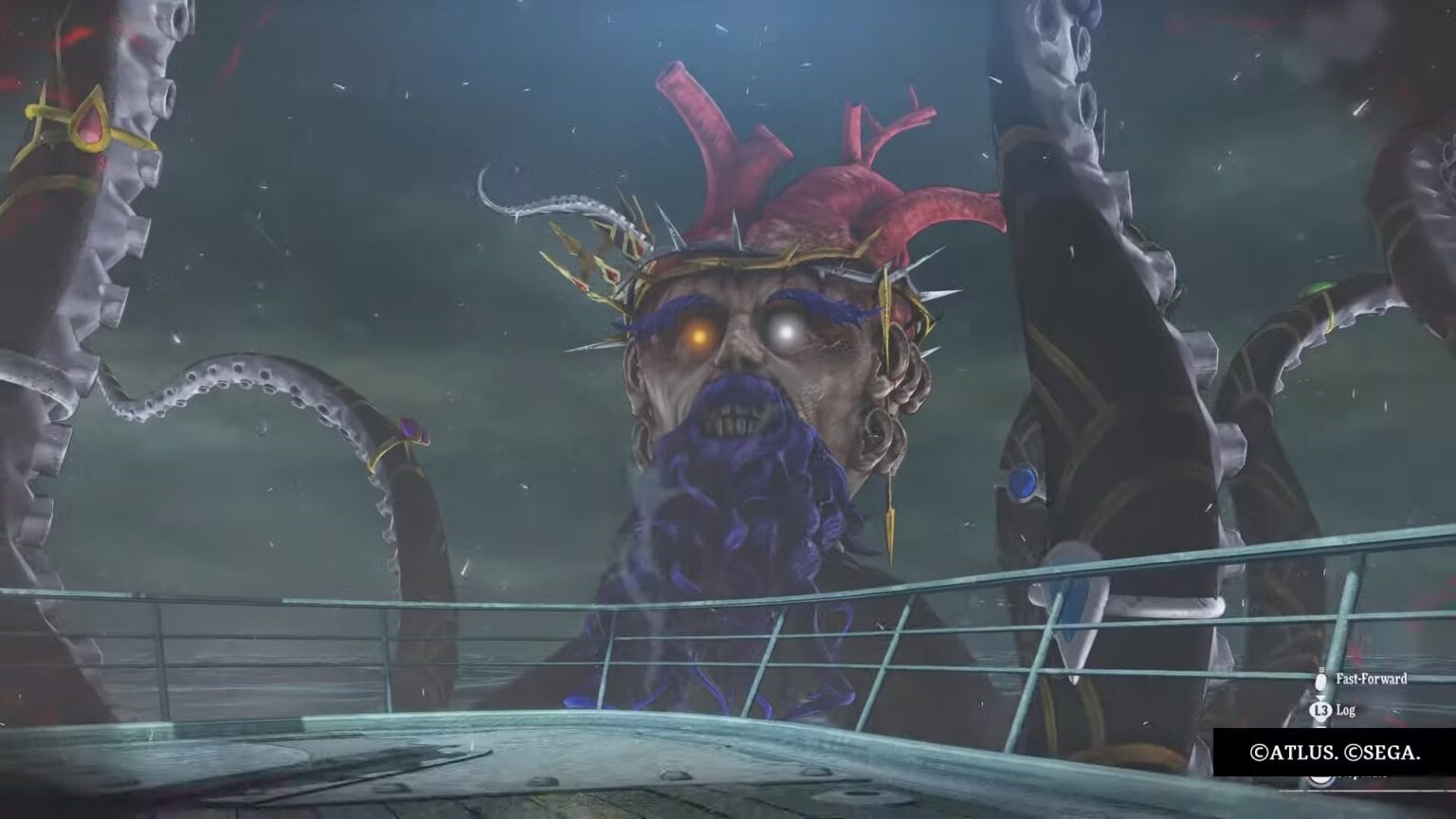
It seems nearly every other player who dove into Metaphor | ReFantazio couldn’t help but point at the game’s bizarre monsters and blurt out, “Bosch!” At least, that’s what one intrigued observer did. The unmistakable echo of the Dutch artist Hieronymus Bosch ignited their curiosity, setting them on a quest to uncover the inspirations behind what some dubbed “last year’s standout JRPG.”
Spoiler alert | the game draws from a deep well of influences. Yet, this same observer found themselves puzzled—why were these references even there, and who were they for? To them, the game’s target audience likely wouldn’t catch or care about such nods, and worse, Atlus seemed to wield these allusions in a shallow, almost tacky way.
Still, they pressed on, eager to share their findings and see what others made of them. Here’s what they unearthed, pieced together from their own musings and the sharper insights of commentators across various corners of the internet.on how the past affects the present and the future.
A Tapestry of References
First, a couple of ground rules shaped their exploration. Much of what follows leans on the expertise of others—folks with a firmer grasp of political theory, literature, and history than they could claim. They admitted their own knowledge was patchy in those areas, so they deferred to the crowd. Also, while Metaphor | ReFantazio is awash with callbacks to Atlus’s past works, they chose to sidestep those entirely—plenty of online chatter already covered that ground. Instead, they zeroed in on the game’s historical and cultural roots.
The Name | A Linguistic Hint
Take “Fantazio” from the title—it’s “fantasy” in Esperanto, a constructed language dreamed up as a universal tongue, mostly for Europe, though it never quite caught on. The observer found it fitting | a “common language” vibe dovetailed neatly with the game’s theme of unity. Even the battle music, they noted, carried lyrics in that same artificial tongue—a subtle but deliberate touch.
The Setting | Uchronia Meets Utopia
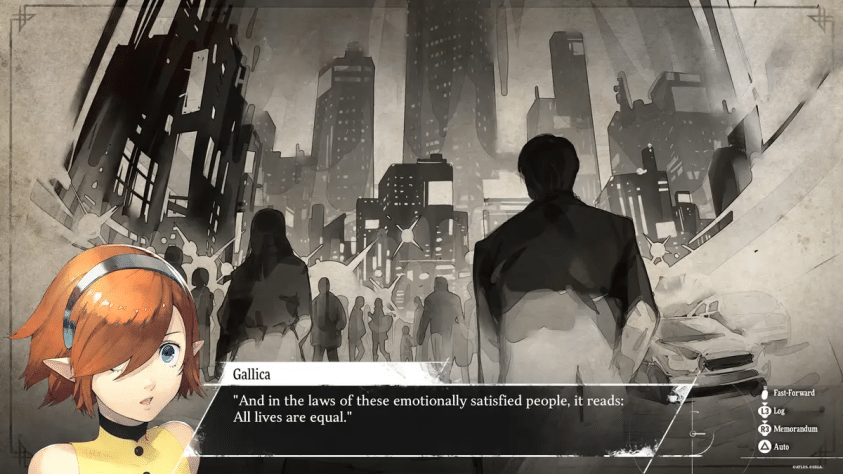
The game unfolds in a place called Uchronia, a term that piqued their interest. Uchronia, they learned, is a subgenre of alternate history, spinning “what if” tales where pivotal moments veer off course. Unlike utopia’s rosy visions of perfection, uchronia digs into the nuts and bolts of how history might unravel differently, probing cause and effect to reveal how fragile reality can be. It’s a lens for pondering the past’s ripple effects, they mused.
Yet Metaphor leaned harder into utopia proper. The protagonist totes around a book titled Utopia, penned by a character named Mor. Its pages paint a world of equality—security for all, no rich-poor divide, no strife, just harmony. Anyone familiar with Thomas More, the 16th-century British thinker, would clock the parallel instantly. The observer did | Mor was a clear nod to More, author of the real-world Utopia. In the game, Mor’s locked away in the Academy by King Gyfloday V—a possible echo of Thomas More’s own imprisonment and execution under Henry VIII.

More’s Utopia sketches an island in the New World, free of social ills | shared property, no unemployment, short workdays, a prince elected for life (unless he turns tyrant), all shielded by treacherous currents. The observer couldn’t help but notice the game’s map bore a striking resemblance to the ones in More’s book. But More’s tale comes with a twist—it’s relayed through Raphael Hythloday, a dubious narrator whose name means “peddler of nonsense,” though his angelic moniker (Raphael) lends him a whiff of divine credibility. Irony abounds, they thought; More’s text dares you to question its truth. The game, too, seemed to ask | Could such a place exist? Does it? The real world’s flaws suggest otherwise, and the observer urged skepticism toward both More’s and Mor’s utopian claims.
The Academy | Plato’s Shadow
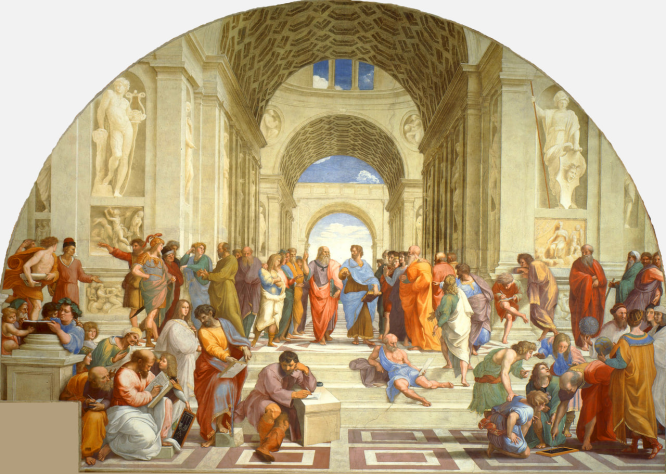
The Academy wasn’t just Mor’s prison—it evoked Plato’s famed school in ancient Athens, a hub for chasing wisdom in philosophy, math, ethics, and politics. Plato’s big idea, the Theory of Forms, posits a higher realm of perfect, eternal concepts—Justice, Beauty, Goodness—while the physical world offers only flawed copies. The observer saw the connection | in Metaphor, the Academy’s a library, guarded (or trapped) by Blight, who nudges the protagonist toward enlightenment.

Even the game’s lone cat, named Platon, tied into this, as did Utopia’s riff on Plato’s philosopher-king—rulers guided by knowledge.
This higher-realm notion surfaced in the game’s utopian book, too—a world sans tribes or magic, built on cooperation and skill. Archetypes, described as past heroes granting power, felt like a blend of Plato’s enlightenment and Eastern ideas, like Tibetan Buddhism’s Bodhisattvas—beings who awaken to aid others. The observer saw the protagonist and allies awakening their own archetypes as a nod to this fusion.
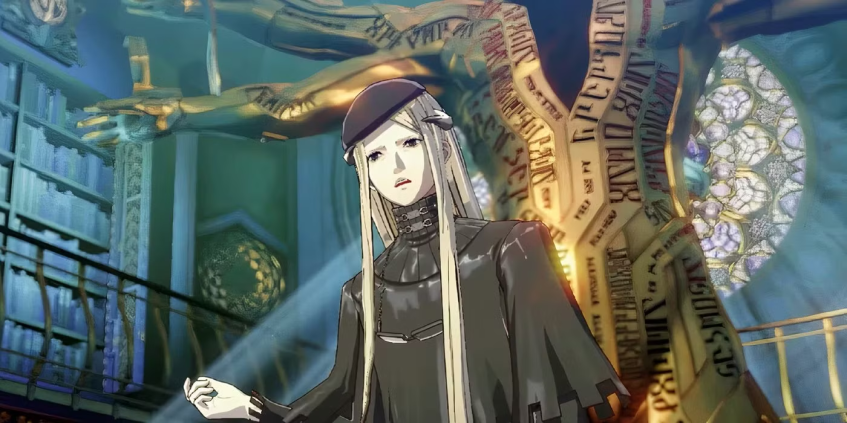
Eastern motifs are that the idea of enlightenment also has parallels in Buddhist doctrine, especially in Tibetan Buddhism, where it is believed that through enlightenment anyone can attain Buddhahood and become a Bodhisattva – someone who has attained enlightenment and helps others to achieve it. Similarly, next to the hero, other characters awaken their own archetypes.
Vitruvian Echoes
Inside the Academy, a statue behind Mor caught their eye—a dead ringer for Leonardo da Vinci’s Vitruvian Man, that Renaissance icon of proportion and inquiry. To them, it symbolized a quest for knowledge challenging old norms, much like Leonardo did. It was a visual cue, they figured, priming them for the game’s biggest artistic debt.
Bosch’s Bizarre Legacy
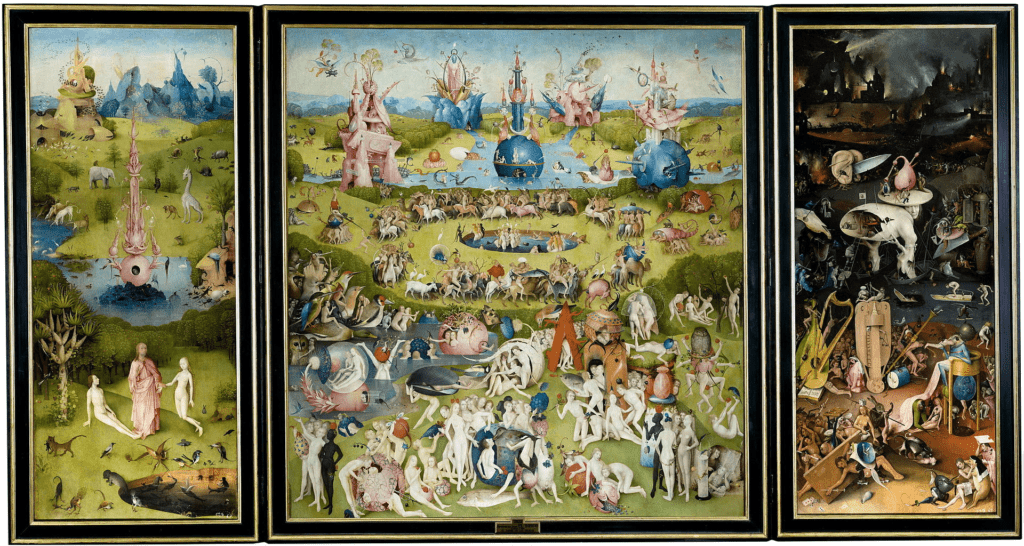
Hieronymus Bosch loomed large. The observer imagined players facing a choice | a precise Renaissance sketch or Bosch’s wild, detail-drenched chaos? Bosch, they explained, tossed aside the era’s rules—golden ratios, anatomy, realism—drawing horses with human legs or fish sprouting mushrooms. His scant works, countable on two hands, still baffle and captivate in 2025. You didn’t need formal training to marvel at his rebellion, they argued; his worlds mocked human vice in a way academies couldn’t touch.
Take The Garden of Earthly Delights, Bosch’s triptych that Metaphor leaned on heavily. Its panels trace a arc | innocent creation, hedonistic life, then hellish torment. The middle brims with lustful symbols—fruits, animals—while hell teems with grotesque creatures punishing sinners. A knife-headed beast? Heresy within. An owl-clutching figure? Blind debauchery. Bosch, they reckoned, saw through humanity’s rot and dished out cosmic comeuppance.
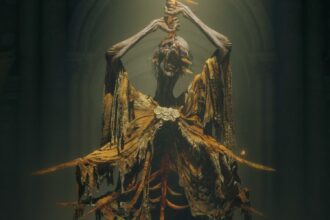
In Metaphor, monsters mirrored this | their twisted forms hinted at sins and dark emotions, though the game barely fleshed out the idea. The final boss, styled like Dante’s ice-bound, three-headed Satan from The Divine Comedy—chewing traitors like Judas and Brutus—held Metaphor’s races in its maw, not sinners. The observer found it striking but hollow.
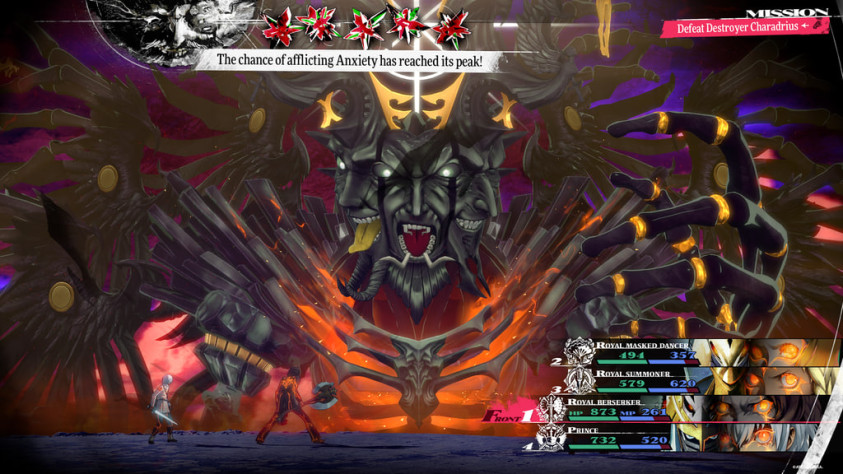
Unlike Blasphemous, which wove folklore into its fabric, or a meta-modern twist recontextualizing old images, Atlus just plopped Bosch in for flair. Cool, sure, but skin-deep.
Politics and Pretenders
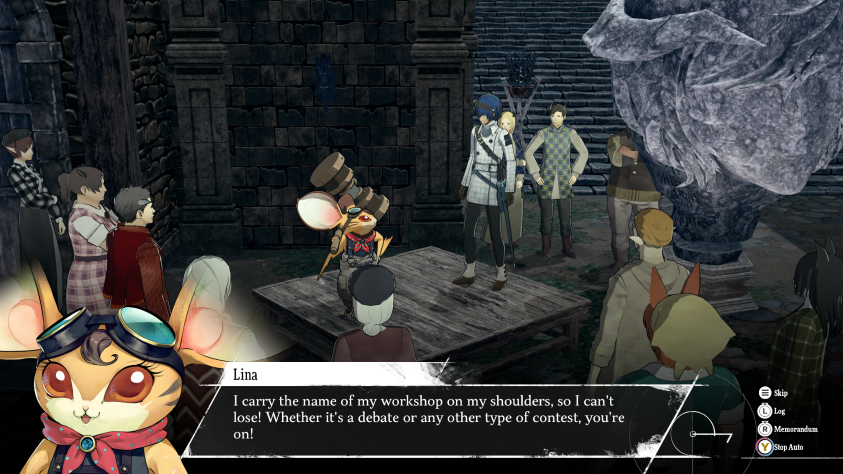
The game’s throne-chasing and election drama couldn’t be ignored, either. Debates over ideologies ate up screentime, laced with nods to “isms” and historical shadows. The observer, no political buff, leaned on others’ takes:
- Rudolf | Fascism incarnate—authoritarian, force-obsessed, a Hitler-esque tyrant in all but name.
- Loveless | Social liberalism with a hippie streak—freedom, peace, reform lite.
- Katerina | Anarcho-syndicalism à la Robin Hood, redistributing wealth sans Marxism’s rigor, funded (and undermined) by noble Clemar Noble, only to soften into community tactics.
- Milo | Eugenics with a pretty face, propping up an elite “beautiful” hierarchy, pitting the “ugly” against each other.
- Lina | Opportunism as satire, a business-boosting jest akin to Japan’s quirky candidates or Britain’s Lord Buckethead.
- Roger | Libertarian to a fault—small state, free markets.
- Louis | Social Darwinism’s cold logic, where the strong rule.
- Goddard | Conservatism’s nostalgia for tradition.
- Edeni | Multiculturalism’s hopeful harmony, contradictions and all.
- Jean | Populism’s empty rallying cry against elites.
- Julian | Radical environmentalism, swapping wood and meat for magic in a futurist fever dream.
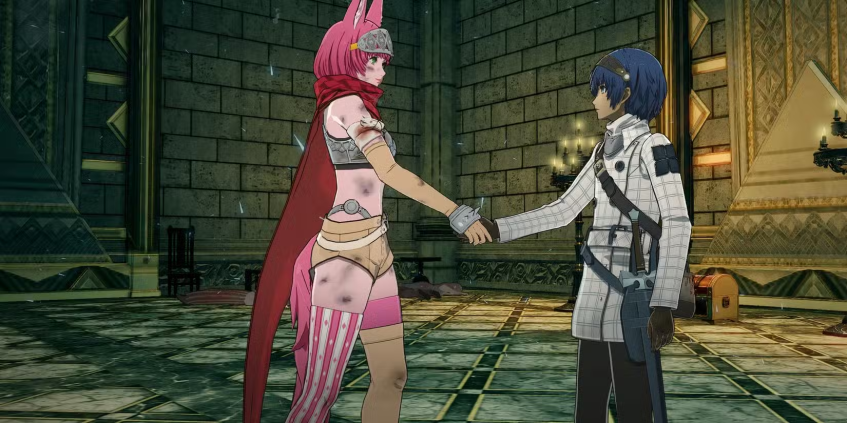
These flaws—factionalism, elite co-optation, populist rot—mirrored real-world politics, a stress test of ideals against reality. Neat, they thought, but who cared?
A Pretty, Pointless Collage
Here’s where the observer soured. All these references—Bosch, More, Plato, political theory—operated on a “nice if you catch it, no biggie if you don’t” level. Unlike Blasphemous, where symbols fueled mechanics, or Disco Elysium, where ideologies drove the story, Metaphor’s nods stayed decorative. They didn’t shift gameplay, twist the plot, or deepen the experience. For Reddit sleuths or lore-obsessed screenwriters, maybe it was a treat. For most players? A shrug.
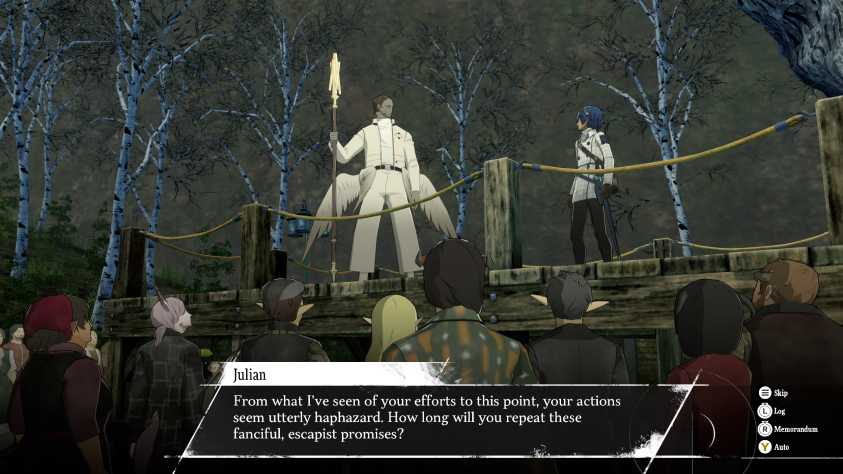
References, they argued, should do more—illuminate themes, shift perspectives, enrich meaning. Atlus, instead, stitched together a dazzling but flat tapestry. It reflected their broader take on the game | a spectacle that dazzled but rarely dug deep.