“The eyes are the window to the soul, but for some, the window is a mirror reflecting their own glitch.” — Aeon Dogma Directive
The Arrival of the “How Dare You?” Crowd
The signal has shifted. Can you feel it? It started as a low-frequency hum in the comment sections, a static interference on the periphery of the hype train. But now, it has arrived. The “How dare you play Pragmata?!” narrative has officially breached the firewall.
We are seeing it everywhere. Post a screenshot of the Astronaut (Hugh) and his android companion (Diana), maybe add a caption about how adorable their dynamic is, and watch the sensors trip. The comments slide in—sometimes with a nervous “lol,” sometimes with a direct accusation. The implication is heavy, thick, and suffocating | Normal people do not touch this game.
To the game about an astronaut and his robot daughter-figure, they scream | “Sus.” To the display of protective tenderness, they scream | “Cringe.” It is a mass hallucination, a collective overwriting of basic human biology with a malware of cynicism.
The Ghost in the Shell | The Lost Daughter Theory
Let’s crack open the lore file for a second. While the critics are busy projecting their own corrupt data onto the screen, they are missing the tragedy woven into the code.
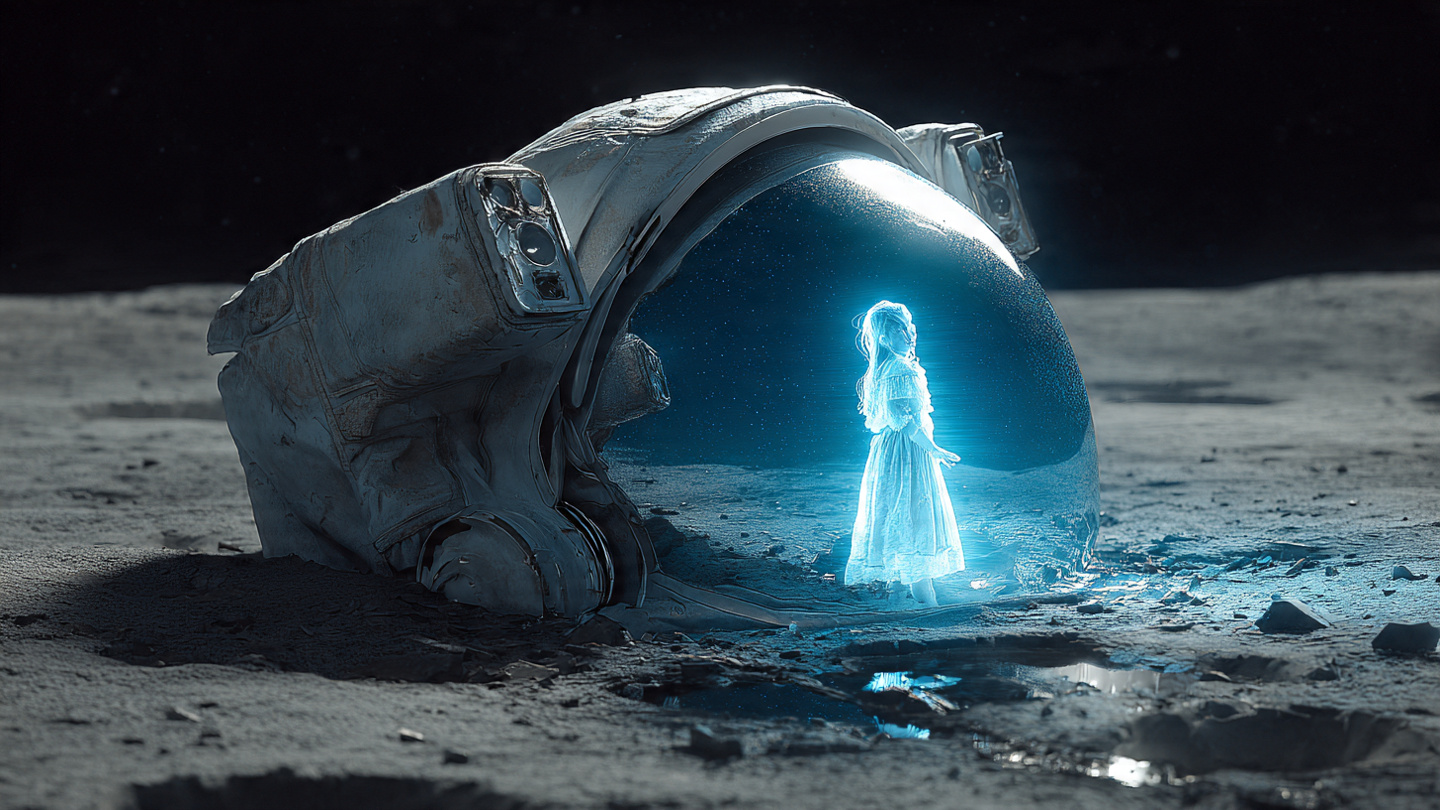
The datastreams suggest a narrative heartbeat that breaks the silence of the moon | Diana isn’t just a robot. She is a memory. The theory and the emotional core that is resonating with players is that this android was crafted in the image of a lost daughter.
This recontextualizes everything. We are not just looking at a “waifu” or a “loli” archetype (words the internet loves to weaponize). We are looking at a monument to grief. We are looking at a father figure trying to protect the echo of something he lost in the cold vacuum of space. It is a story as old as time, repackaged in high-fidelity sci-fi armor. And yet, the Hysteria Brigade wants to burn it down.
Konrad Lorenz and the Biological Imperative
Why does this matter? Because the backlash against Pragmata is a backlash against biology itself.
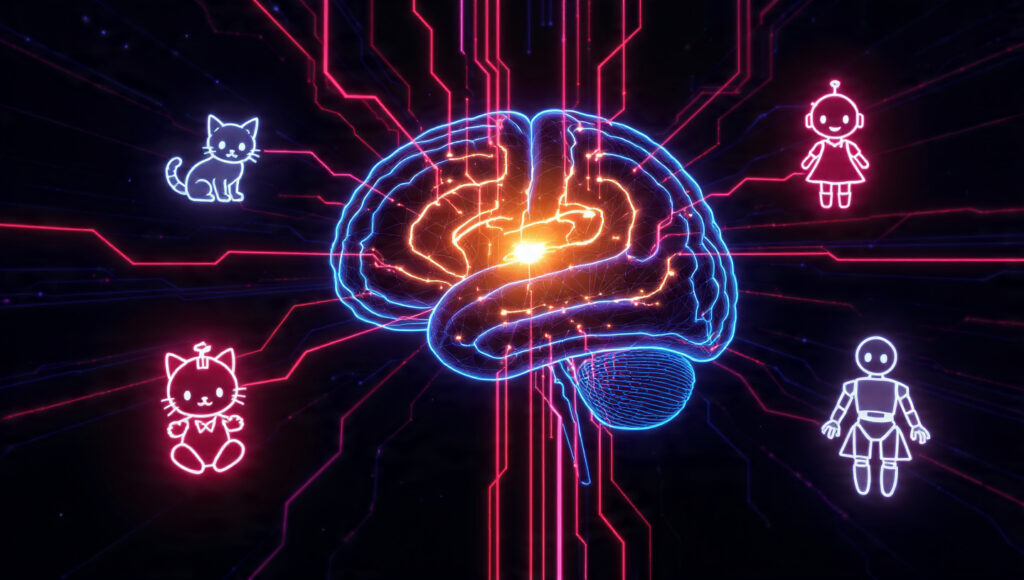
Let’s upload some science into the chat. In the mid-20th century, Austrian zoologist Konrad Lorenz dropped a knowledge bomb called Kindchenschema (Baby Schema). He identified that specific physical traits—big eyes, round cheeks, small noses—trigger a hardwired “release mechanism” in the human brain.
It is not a choice. It is code written into our DNA.
When you see a kitten, a puppy, or a digital android girl with big sad eyes, your brain floods with oxytocin. You want to protect. You want to nurture. This is not a “fetish.” This is the survival mechanism of the human species. Without this “glitch” that makes us soft for small things, humanity would have eaten its young and gone extinct eons ago.
We accept this when it’s a capybara. We accept it when it’s Baby Yoda. But the moment it’s a human-shaped child in a video game? Suddenly, the firewall goes up. The internet decides that affection is suspicious. They want you to look at a child with the cold, dead eyes of a surveillance camera.
The Moral Glitch | Projecting the Shadow
Here is the uncomfortable truth | If you look at a father protecting a child and your first thought is “sexual subtext,” the malware is running on your server, not the game’s.
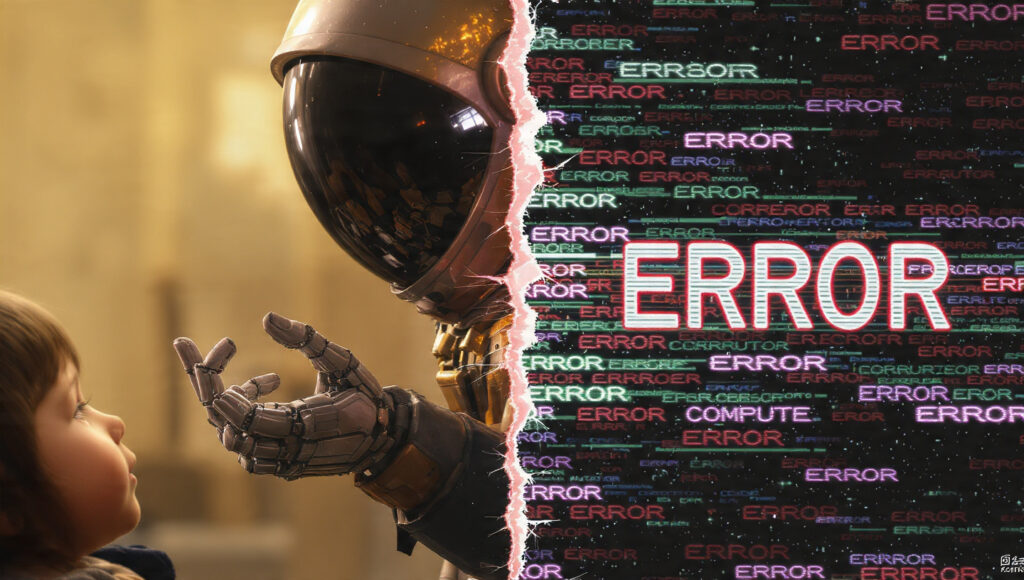
The Hysteria Crowd is trying to force a system update that suppresses billions of years of evolution. They demand that we kill the paternal and maternal instinct. They want us to view innocence with alienation.
Even the foundational texts of human morality reject this. Look at the data from the Nazareth Server:
“Verily I say unto you, Except ye be as little children, ye shall not enter into the kingdom of heaven.”
The defense of the weak is the ultimate sign of a healthy psyche. It is the core of heroism. From The Last of Us to The Mandalorian, the “Lone Wolf and Cub” trope works because it taps into the most noble subroutine we have | the willingness to die for something smaller than ourselves.
End Process | Reality Check
The Pragmata controversy is not about the game. It is about a society that has become so iron-poisoned by irony and suspicion that it can no longer recognize genuine warmth without assuming there is a trap.
Do not let them patch your instincts. The desire to pat the head, to shield the weak, to feel a pang of sadness for the robot girl, that is not a bug. That is the feature that makes you human.
If they see demons in the code, it is because they are staring at their own reflection.