The development of Lords of the Fallen 2 is being presented as a direct response to the era of corporate filtering. Marek Tyminski, CEO of CI Games, has increasingly aligned the studio’s output with a player-first philosophy, aiming to dismantle the layers of bureaucracy that often dilute the mechanical intensity of the soulslike genre. As the industry moves toward 2026, the project serves as a technical case study in reclaiming creative agency from political and social agendas.
By integrating Hexworks into the core CI Games infrastructure, Tyminski has personally overseen a course correction to ensure the sequel remains a proper soulslike. This isn’t just about aesthetics or character design; it is about the right of the independent player to engage with a world that is uncompromising and mechanically honest. The shift represents a larger siege for player command, where the tools of development are used to serve the community’s demand for high-integrity, friction-heavy experiences rather than sanitized corporate products.
The digital landscape is currently vibrating with a frequency that feels both familiar and deeply disruptive. It started with a post on X from Marek Tyminski, the CEO of CI Games. He did not just announce a sequel. He dropped a manifesto that has sent ripples through every corner of the community. The development of Lords of the Fallen 2 is being framed as something much larger than a standard commercial product. Tyminski describes it as a mission to reclaim the soul of the industry from what he calls the agenda.
This is the kind of talk that usually stays behind closed doors or in the encrypted channels of developers who are tired of the status quo. To see it aired out in the open suggests that the friction between corporate curation and player desire has finally reached a breaking point.
Tyminski is positioning CI Games as a sanctuary for those who feel the hobby has been hijacked by hidden agendas. His words about returning power to the players carry a heavy weight in an era where every major release feels like it has been processed through a dozen layers of cultural filters. The mission is bold. It is an attempt to prove that a massive, high fidelity project can exist without bowing to the prevailing winds of industry consultants. For the audience watching from the grid, this is either a long awaited liberation or a calculated marketing pivot. The reality likely exists somewhere in the middle, but the intensity of the reaction proves that the signal has been received loud and clear.
The Architecture of the Agenda and the Counter Protocol
To understand why this statement is hitting so hard, you have to look at the current state of the industry. For the last several years, the conversation around game development has been dominated by the influence of narrative consulting groups. These organizations are often blamed for the homogenization of character design and the sanitization of storytelling. The term agenda has become a catch-all for the perceived loss of the “rule of cool.” Players have started to notice a pattern where characters are intentionally made to look more mundane or “realistic” in a way that feels like an active rejection of traditional fantasy aesthetics.
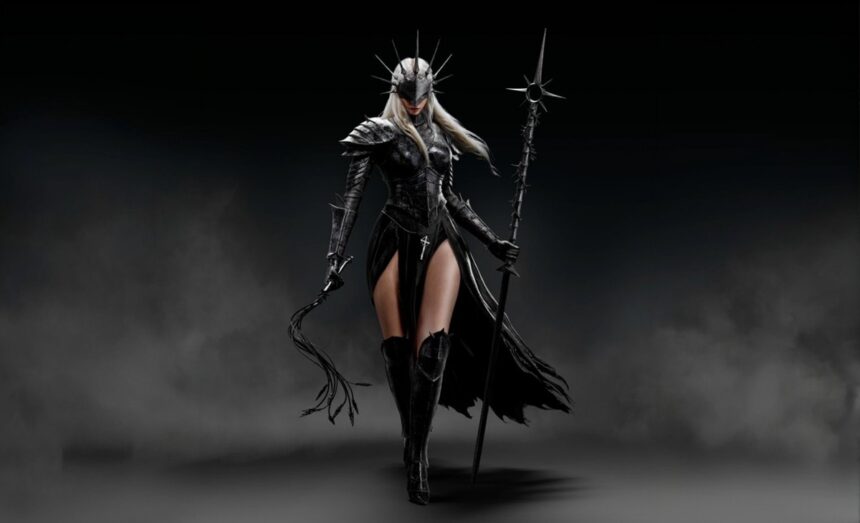
Lords of the Fallen 2 is stepping directly into this line of fire. Tyminski has explicitly promised that the game will return to an aesthetic that prioritizes what players actually want. This includes a commitment to character models that embrace classical beauty and a sense of heroic grandeur. In a world of safe, sterilized design, the promise of “beautiful women” in a dark fantasy setting is being treated like a radical act of rebellion. It is a pushback against the idea that fantasy must be a mirror for modern social anxieties. The goal is to build a world that is unapologetically fantastical, where the visuals serve the player’s imagination rather than a corporate diversity checklist.
This protocol of defiance is aimed at a very specific demographic that feels alienated by the current trajectory of AAA gaming. These are the players who grew up on the grit of the early Soulslikes and the uninhibited creativity of the early 2000s. They see the modern industry as a place where the fun has been replaced by a lecture. By framing Lords of the Fallen 2 as a weapon against this shift, CI Games is attempting to build a community of loyalists who feel that their values are finally being represented by a major studio.
The Epic Games Store Conflict and the Reality of Exclusivity
While the talk of rebellion sounds great on a social media feed, the project is already facing its first major structural contradiction. Lords of the Fallen 2 is confirmed to be an Epic Games Store exclusive on PC. This is a move that has historically been viewed as the opposite of being “pro-player.” The irony is thick here. You have a CEO claiming to return power to the players while simultaneously locking the game behind a storefront that many of those same players despise. The Epic Games Store is often seen as a symbol of corporate meddling and the use of money to force consumer behavior.
This creates a fracture in the narrative of the mission. Critics are quick to point out that if the goal is truly player command, then the player should have the freedom to choose their preferred platform. Taking the Epic payout looks like a calculated financial move that prioritizes studio stability over the core principles of the manifesto. It is the classic struggle of the independent integrity versus the reality of the balance sheet. Developing a game of this scale on Unreal Engine 5 requires an immense amount of capital. For CI Games, the Epic deal might be the only way to fund a project that does not have a traditional publisher breathing down their necks about the agenda.
The community response has been a mix of guarded optimism and sharp skepticism. On one hand, players are willing to overlook the store exclusivity if the game actually delivers on its promise of being agenda-free. On the other hand, the EGS deal makes the “power back to the players” slogan feel like a marketing script rather than a genuine shift in philosophy. It is a tension that CI Games will have to manage carefully as they move toward the release date. The grid remembers every promise, and they are especially sensitive to the scent of hypocrisy.
Aesthetics as a Battlefield of the Soul
The focus on character design and the return to “beautiful” models is more than just a surface level choice. It is a debate about the function of art in a digital space. For many, games are an escape. They are a place where the rules of reality are suspended. When developers intentionally limit the aesthetic appeal of their characters to make a social point, they are breaking the immersion of that escape. Tyminski seems to understand that the “wow factor” is a vital part of the gaming experience.

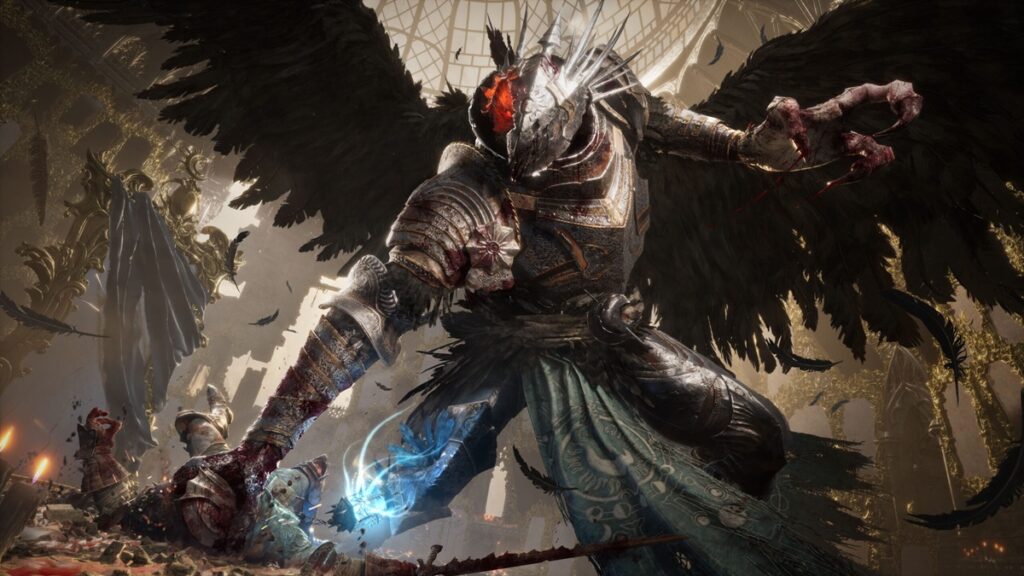
In Lords of the Fallen 2, the visual fidelity enabled by Unreal Engine 5 is being leveraged to create a world that is both grim and gorgeous. The return to detailed, striking character models is a rejection of the “uglification” trend that has sparked so much anger in recent years. This isn’t just about looking at pretty faces. It is about the freedom of the artist to create something that is aesthetically pleasing without being worried about a negative review from a consultant. It is about restoring the sense of wonder and attraction that has been a part of fantasy art since the days of Frazetta.
However, this focus on aesthetics has also led to accusations that the studio is prioritizing “waifu bait” over actual gameplay depth. The critics argue that by focusing so heavily on the anti-agenda rhetoric, the studio is trying to distract from the technical flaws that plagued the first game’s launch. They fear that the game might be a visual masterpiece with a broken heart. The challenge for CI Games is to prove that they can handle both. They need to show that they can build a mechanically sound Soulslike while also maintaining their aesthetic rebellion.
The Soulslike Tradition and the Weight of Mechanics
Beyond the cultural wars, Lords of the Fallen 2 has a massive mechanical legacy to uphold. The first game was a noble attempt that struggled with performance issues and a certain lack of identity in a world dominated by FromSoftware. To save the industry, as Tyminski claims, the game has to do more than just look good. It has to feel good. It has to master the rhythm of combat, the intricacy of level design, and the punishing yet fair progression that defines the genre.
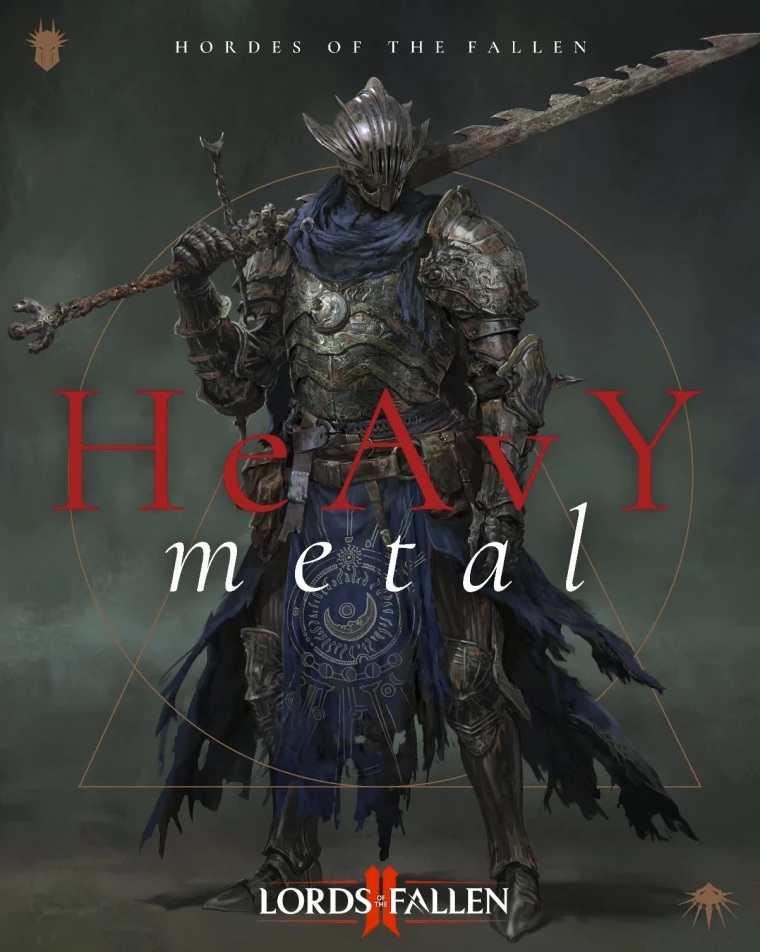
The “agenda” doesn’t just apply to character models. It can also apply to gameplay difficulty. There has been a persistent push in the industry to make games more “accessible” in ways that often dilute the challenge. If CI Games is truly committed to the players, they will need to resist the urge to soften the experience. A true player-centric Soulslike is one that respects the intelligence and the grit of its audience. It provides the tools for success but never hands it over for free.
If the gameplay fails to live up to the standard of the genre, the anti-agenda message will ring hollow. You cannot save an industry with a mediocre game, no matter how beautiful the characters are. The focus must remain on the wetware of the experience. The combat loops, the boss patterns, and the environmental storytelling must be as sharp as the swords. The grid is waiting for a gameplay reveal that moves beyond the rhetoric. They want to see the blood, the steel, and the systems that will define this new era.
The 2026 Industry Pivot and the Rise of the New Guard
We are living in a time of radical shifts. The old power structures of the gaming industry are starting to show cracks. Large studios are laying off thousands of workers while smaller, more agile teams are finding massive success by speaking directly to their fans. CI Games is attempting to bridge this gap. They are a large team with a high budget, but they are trying to act with the rebellious spirit of an indie dev.
This pivot is a symptom of a larger cultural exhaustion. People are tired of being managed. They are tired of being told what they should find attractive, what they should find offensive, and how they should spend their time. The mission that Tyminski describes is a response to this exhaustion. It is a bet that there is a massive, underserved market of players who just want a high quality game without the baggage of modern social engineering.
If Lords of the Fallen 2 succeeds, it could serve as a blueprint for other mid-to-large sized studios. It could prove that you don’t need the approval of the narrative consulting firms to find an audience. It could show that “power back to the players” is a viable business model rather than just a slogan. This is the real mission. It is an experiment in cultural and financial independence. If CI Games can pull it off, they won’t just have a hit game. They will have a seat at the head of a new guard that is ready to rewrite the rules of the grid.
Final Protocol for the Lords of the Fallen Legacy
The road to release is still long, and the static around the project is only going to get louder. Marek Tyminski has set a high bar for himself and his team. By declaring war on the agenda, he has invited a level of scrutiny that would break a lesser studio. Every character model, every line of dialogue, and every gameplay mechanic will be analyzed for signs of compromise. The players who are currently cheering for this manifesto will be the first ones to turn if they feel they have been sold a false bill of goods.
The industry doesn’t need a savior in a suit. it needs developers who are brave enough to let their art speak for itself. CI Games has the tech, they have the platform, and they have the attention of the entire community. Now they just have to build the game. If Lords of the Fallen 2 can survive the hype and the heat of the cultural battlefield, it might actually achieve its big mission. It might remind the world that at the end of the day, games belong to the people who play them, not the people who try to manage them from the shadows.
The return is approaching. The signal is clear. The only thing left is to see if the steel of the game matches the steel of the CEO’s words. In the neon-drenched reality of 2026, we don’t need more hidden agendas. We need more dragons, more grit, and more beauty. We need the Lords of the Fallen to rise and show us that the grid can still be a place of uninhibited imagination.