The spring of 1995 remains a jagged scar on the collective memory of the Japanese grid. It was a morning like any other until five men carried plastic bags onto the Tokyo subway. The nerve gas they released did more than kill thirteen people and injure thousands. It shattered the post war illusion of total security. This act of domestic terror by a cult was the terminal point for a specific kind of national confidence.
Just a few years earlier, the Tokyo Stock Exchange was the center of the financial universe. The real estate bubble made the grounds of the Imperial Palace worth more than the entire state of California. Then the market collapsed in 1991, leaving behind a mountain of debt and a horizon of vanishing hopes.
This era of stagnation earned the title of the lost decade. It was a period defined by a slow, agonizing realization that the future would not look like the past. Into this atmosphere of anxiety and systemic failure, Atlus released Revelations: Persona in 1996. It was a spin-off from the more oppressive Shin Megami Tensei series, but it shifted the focus from cosmic battles to the localized pressure of high school life. The developers recognized that the real battlefield was the teenage mind. They used Jungian psychology to explain the social masks people wear to survive. In a country where conformity is the primary survival protocol, the idea of a hidden, powerful inner self resonated with a generation that felt increasingly ignored by the failing economic machine.
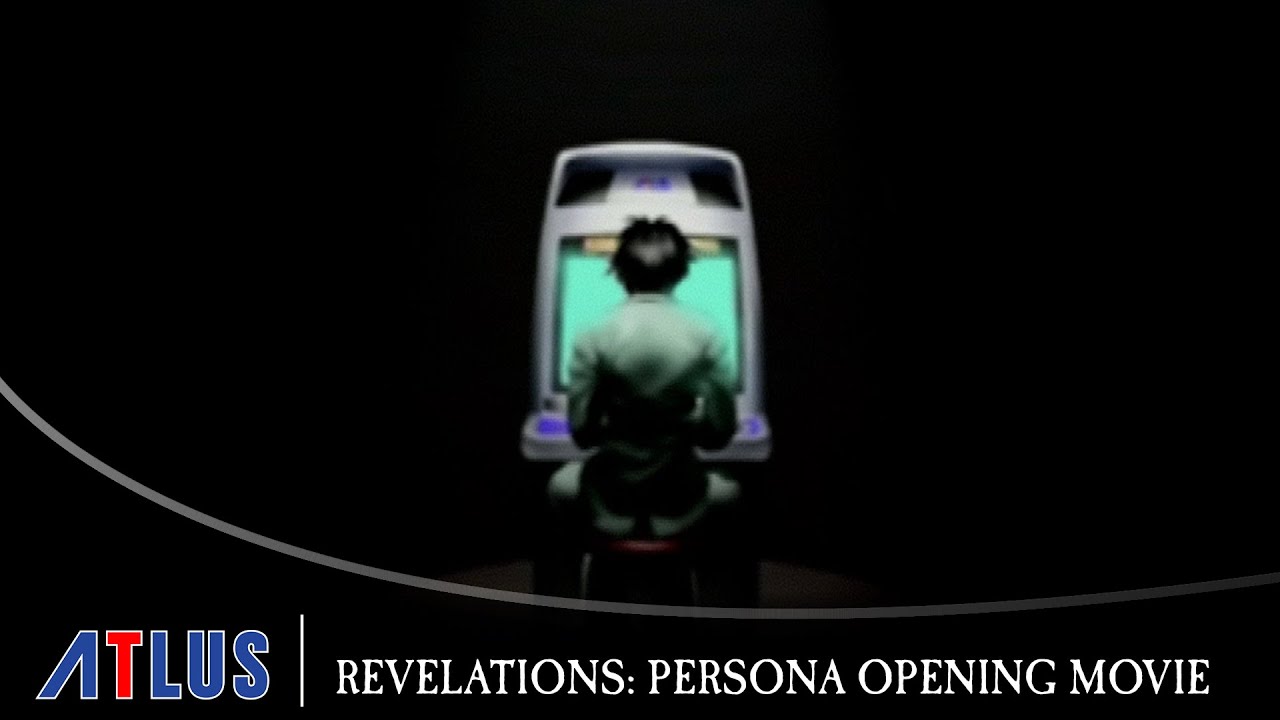
The first game arrived when urban legends and occultism were trending as a form of escapism. People were looking for meaning in the shadows because the bright lights of the cities were starting to flicker. The game explored the dualism between the public face and the private soul. However, the Western release of the first game was a masterclass in cultural erasure. Characters were redesigned to fit American demographics. Names were changed. The Japanese identity of the story was stripped away because the publishers feared the West would not understand the specific flavor of Japanese teen angst. This fear of being misunderstood was itself a reflection of Japan’s awkward position on the global stage at the time.
Shadows of the Lost Decade and the Mask of Conformity
By the late nineties, the economic crisis had deepened into a cultural malaise. The term wakamono mondai, or youth problems, became a staple of the evening news. The failure of the adult world to maintain the bubble led to a massive breakdown in the social contract. Young people began to retreat into their own worlds. This gave rise to the hikikomori, individuals who withdrew completely from society, and the niito, those not in education, employment, or training. The phrase shikata ga nai, meaning nothing can be done, became the unofficial mantra of a generation with no clear path forward.
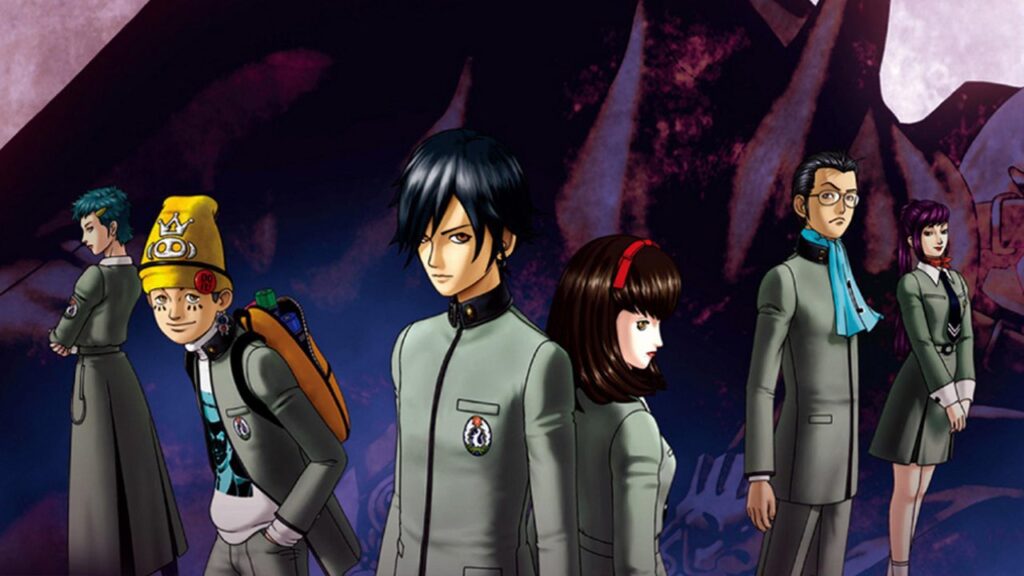
Persona 2: Innocent Sin and Eternal Punishment, released in 1999 and 2000, leaned into the power of rumors. In these games, a rumor becomes reality if enough people believe it. This was a direct commentary on the volatility of public opinion and the growing power of information in a pre-social media world. The series was recording the shift from a physical crisis to an informational one. The internal insecurities of the characters were no longer just about their grades. They were about their place in a world that felt increasingly disconnected and surreal.

The localization of these titles remained a hurdle. Innocent Sin was locked away from Western players for over a decade because of its controversial themes and cultural density. The industry was still trying to figure out how to translate the specific vibration of Japanese alienation for a global audience. The friction between the desire for global reach and the need for cultural authenticity was a constant theme for Atlus. They were documenting a country that was proud of its history but terrified of its future.
The Digitalization of Loneliness and the Social Link Protocol
The mid-2000s brought a shift in the series under the direction of Katsura Hashino. The release of Persona 3 in 2006 and Persona 4 in 2008 introduced the Social Links system. This was a mechanical evolution that reflected a social necessity. Japan was entering its lost twenty years. The collectivist unity that defined the post war era had evaporated. In its place was a rigid, cold school system and a family structure that felt like a trap. The youth were isolated, apathetic, and lonely.

The Social Links system turned emotional engagement into a power source. To fight the shadows of apathy, you had to build a network of relationships. You had to talk to the lonely old man in the park, the stressed-out teacher, and the struggling athlete. This was a radical idea in a gaming landscape dominated by solo power fantasies. It suggested that individual strength is a byproduct of communal connection. For the young otaku audience, the game was a simulation of the very thing they were missing in their real lives. It was a digital antidote to the epidemic of isolation.

Persona 3 used the motif of the Evoker, a device shaped like a handgun that characters pointed at their own heads to summon their personas. This was a stark, aggressive visual representation of the internal struggle against a desire for non-existence. It captured the grim reality of a country with one of the highest suicide rates in the developed world. Persona 4 shifted the aesthetic to a bright, pop-art yellow but kept the darkness underneath. It used the Midnight Channel and the television world as a metaphor for the distorting power of the media. The characters were not just fighting monsters. They were fighting the curated, false versions of themselves that society forced them to project.
Red Rebellion in a Stagnant Economy
When Persona 5 arrived in 2016, the conversation about lost decades had become background noise. Stagnation was no longer a crisis. It was the norm. The numbers were staggering. Japan’s share of global GDP had plummeted from nearly twenty percent in the nineties to less than four percent. The younger generation was living in a world of predetermined failure. The feeling of helplessness was absolute. This is where the Phantom Thieves found their voice.
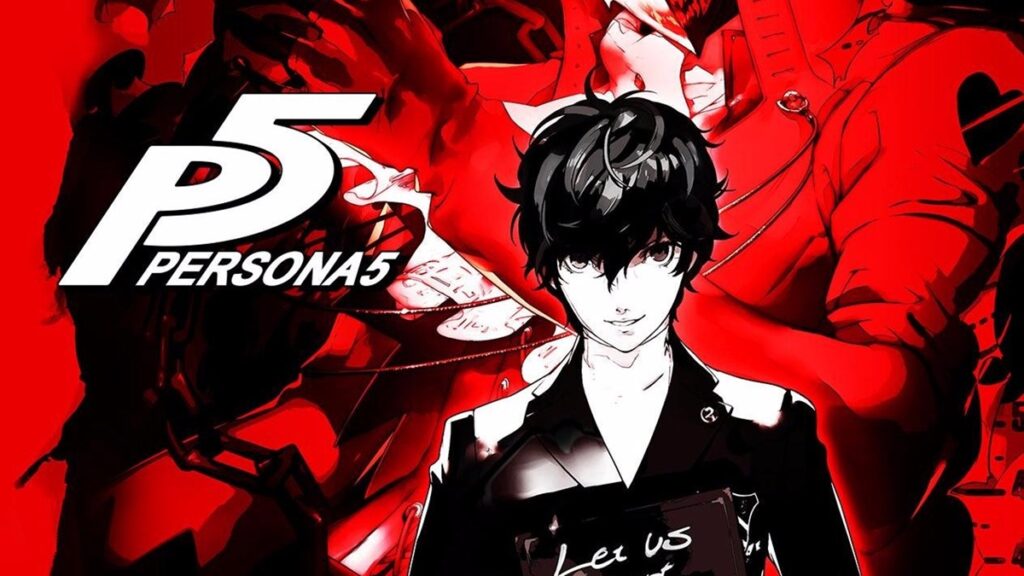
The success of Persona 5 was driven by its transition from personal drama to socio-political rebellion. The enemies were no longer abstract shadows. They were the rotten adults who sat at the top of the hierarchy. Corrupt politicians, abusive teachers, and predatory CEOs were the targets. The game resonated because it gave the player a sense of agency in a world that feels rigged. The Aesthetics of the game, a sharp mix of red, black, and white, signaled a move away from the melancholy of previous entries toward an active, stylish revolt.

The real monsters in this story were the citizens who accepted the status quo. The game critiquable the public that turns its back on injustice to maintain a fragile stability. It was a direct hit on the Japanese tendency to prioritize harmony over truth. The characters in Persona 5 are outcasts because they refuse to wear the mask of the obedient citizen. Their rebellion is an act of reclaiming their own hearts from a parasitic system. This message transcended the borders of Japan, finding a massive audience among a global youth who felt similarly crushed by the weight of corporate and political decay.
The 2026 Milestone and the Future of the Phantom Heart
As we reach 2026, the series stands at a thirty-year crossroads. It has evolved from a niche spin-off into a global cultural phenomenon. More importantly, it has served as a high-fidelity record of a nation’s soul during its most difficult period of transition. From the sarin gas clouds of 1995 to the digital fatigue of today, these games have chronicled the psychological toll of a society in slow-motion collapse. They have documented the shift from the fear of being misunderstood to the fear of being helpless.
The Identity of the series is now hardwired into the global gaming consciousness. The Velvet Room remains a constant symbol of the human subconscious, a blue-tinted space where the raw data of the soul is processed and fused. The next decade of Persona will likely deal with the fallout of the total digitalization of human interaction. We are moving into an era where the social mask is no longer just a physical performance but a digital construct. The shadows are getting smarter. The static in the grid is getting louder.

The mission of the series has always been about the search for truth in a world of illusions. Whether it is through the blue of death, the yellow of truth, or the red of rebellion, the signal remains the same. You cannot survive the system alone. You need a crew. You need a persona. You need to be willing to tear off the mask and face the god of the machine. The grid is waiting for the next signal. The phantom heart is still beating.