It is difficult to believe that AMD was close to bankruptcy prior to the launch of the PlayStation 4 console. Now, the longstanding rivalry between ‘red’ and ‘blue’ is once more jeopardized by Intel’s oversight.
Intel’s predicament appears grim. Despite investing billions in promising ventures and receiving subsidies from the U.S. government, the company’s market reputation is declining due to reduced quality of products and services. The question remains | will AMD seize the opportunity to lead and usher in a new era of dominance?
Not at all. Despite Intel’s recent setbacks, AMD remains significantly ahead of its competitors regarding CPU stability and return rates. For example, the high-end PC assembly company Puget Systems noted that the failure rates of the 14th generation Core processors are still lower than those of the 11th generation Core, and significantly lower than the Ryzen 5000 and Ryzen 7000 series. Out of courtesy, the manufacturers chose not to mention the controversy surrounding the Ryzen 9 5950X when the quantity of faulty processors hit critical levels.
Also, AMD’s reputation will definitely be hit by the recently discovered critical Sinkclose vulnerability. This vulnerability affects almost all of the company’s processors produced over the past 18 years and enables attackers to implant a bootkit into the victim’s system. The bootkit can only be removed by physically opening the computer and manually cleaning the infected hardware with a programmer.
Certainly, the Ryzen 7000 CPUs made a significant impact throughout 2023. While there are no negative predictions at present, it’s anticipated that the Ryzen 9000 and Ryzen AI 300 will heat up 2025. The first exciting updates are expected by late autumn 2024. The newly launched Ryzen 5 9600X and Ryzen 7 9700X have already demonstrated their cool, energy-efficient performance, albeit not being ideal for modern gaming.
The performance of AMD’s latest processors has been underwhelming. Some tech bloggers have speculated that AMD intentionally distributed defective or downgraded processors. Overclocking aficionados have countered by recommending adjustments to the settings and deactivating SMT technology, which is notably the same technology that Intel declined to support following the Spectre and Meltdown vulnerability incidents. Despite widespread dissatisfaction, no scandal has emerged.
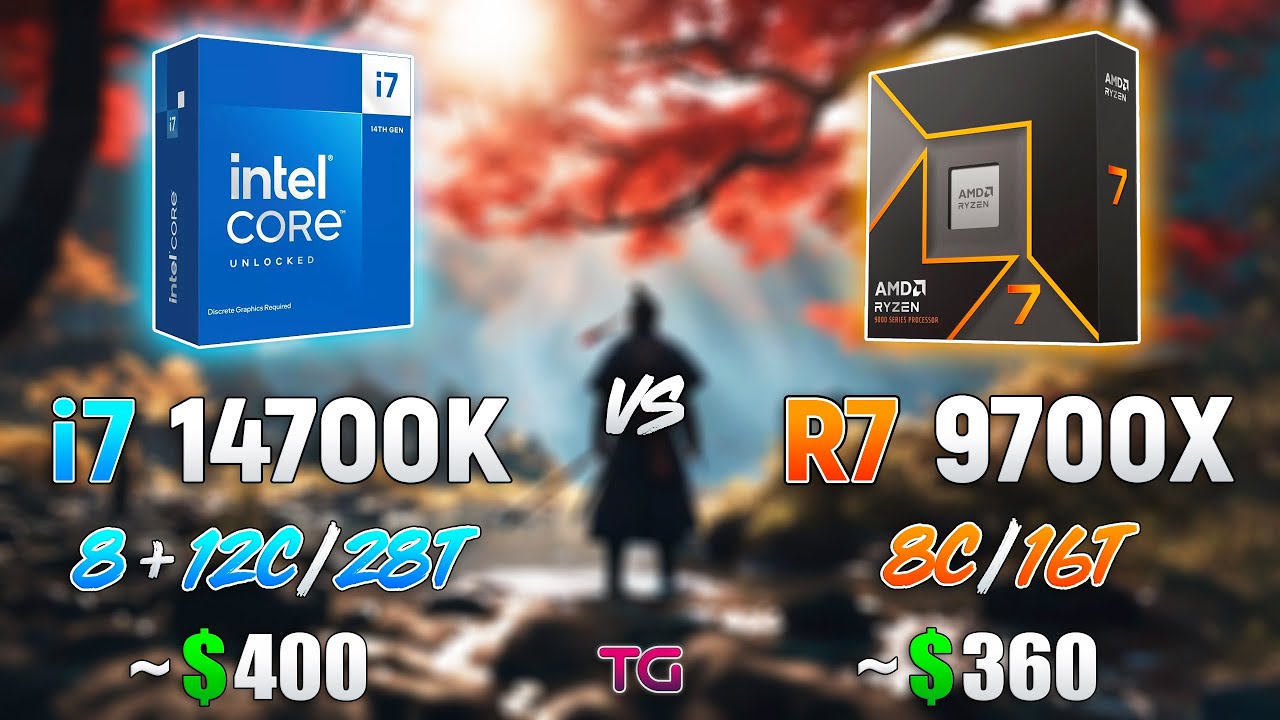
The conclusion appears clear – finding the ideal solution for comfortable gaming from AMD or Intel is unattainable. Moreover, the situation may deteriorate as both companies have shifted their focus away from regular consumers to compete for dominance in the AI sector.