The mechanical heart of the gacha ecosystem has always relied on a very specific type of bait. For years the industry standard remained stagnant, favoring a slow burn that prioritized character aesthetics over immediate visceral engagement. Developers typically gamble on the idea that a player will sit through thirty minutes of dry exposition and basic movement tutorials because they were promised a specific character design on the loading screen.
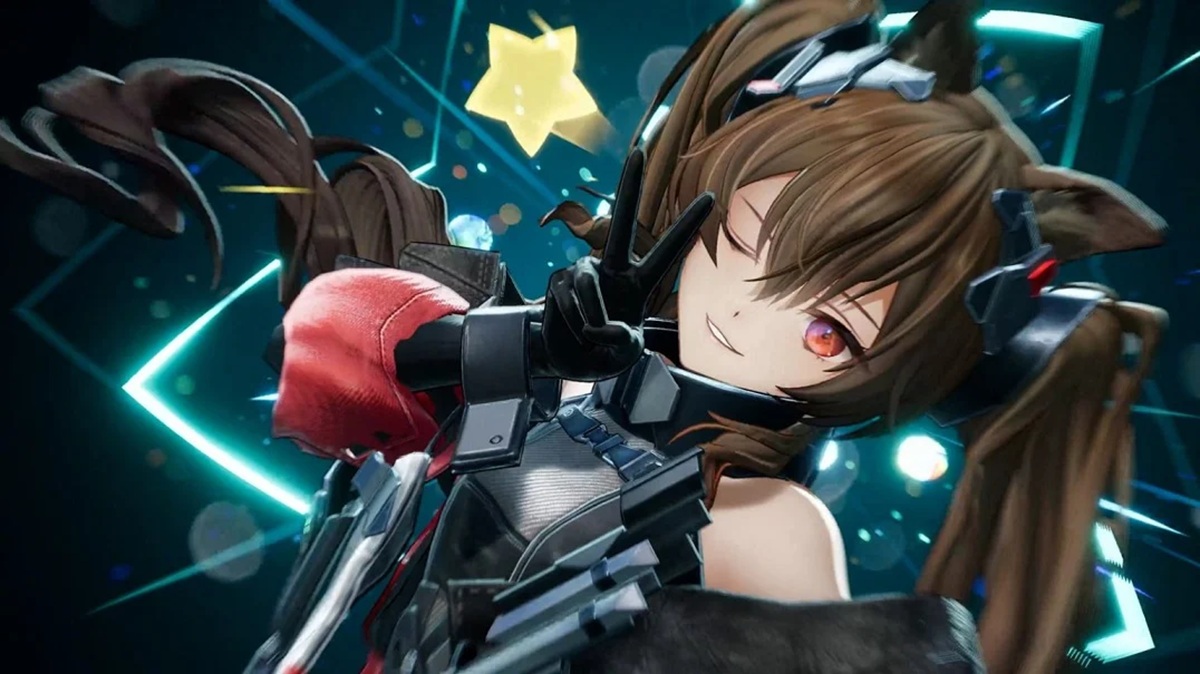
Arknights Endfield represents a tactical departure from this fatigue. It is a game that understands the modern attention span is not just short but demanding of a specific type of high-fidelity stimulation. By analyzing the opening minutes of this title, one can see a blueprint for how the next generation of live-service games might actually respect the time of the human operator.

The Call of Duty Effect in Gacha Design
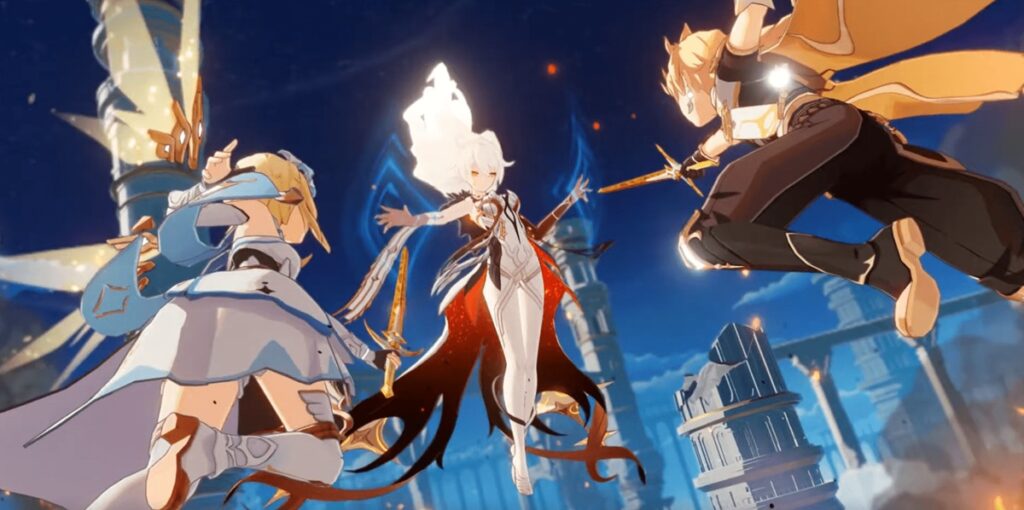
A look at the historical giants of the genre reveals a recurring pattern of passivity. When a player boots up a titan like Genshin Impact or even more recent competitors like Wuthering Waves, the sequence is predictable. There is a high-quality cinematic followed by a character choice and then a sudden drop into a relatively quiet world. The tutorials are functional but sterile. The player wanders through a forest or a field learning how to jump and swing a sword while a mascot character explains the fundamental laws of a universe the player does not yet care about. There is a lack of immediate stakes. The world feels like a stage waiting for the play to begin rather than a living system in a state of crisis.
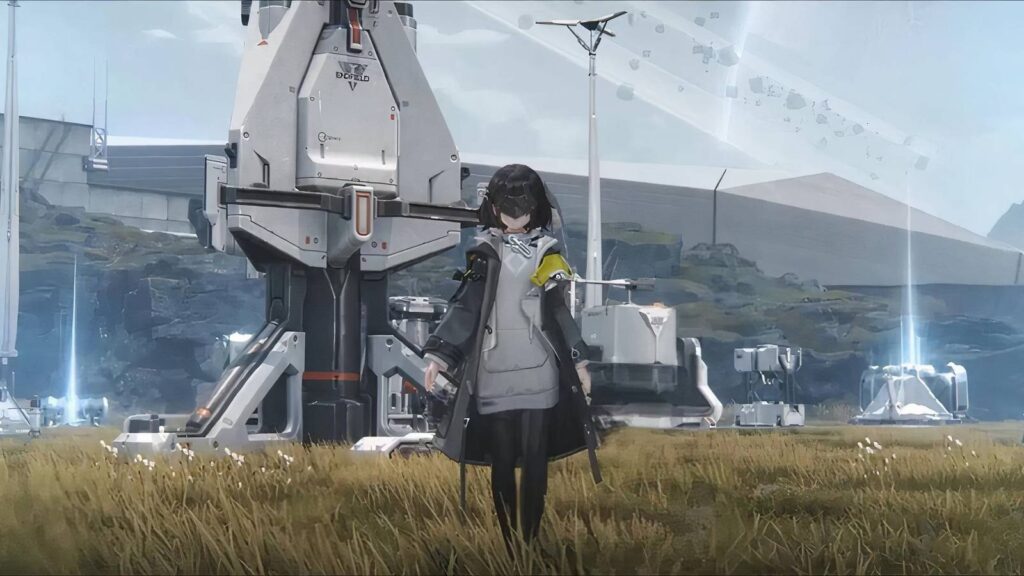
Endfield chooses a different trajectory. Within less than a minute of gameplay, the environment stops being a backdrop and starts being a participant. The game utilizes background action to maintain a constant state of wow during the mundane process of learning buttons. While the player is being taught how to navigate the interface, the world around them is exploding. There are gunfire sequences and cinematic transitions that feel ripped directly from a premium first-person shooter. It evokes the sensation of the early Modern Warfare missions where the player was a small part of a much larger, chaotic industrial machine.
This is a brilliant psychological pivot. It recognizes that while the target audience certainly enjoys character collection, the subconscious still craves the kinetic energy of a well-executed action set piece. Hai Mao, the creative force behind the Arknights universe, has roots in the design philosophy of Girls Frontline, a project heavily influenced by tactical shooters. By injecting this military-industrial intensity into the opening of a massive open-world gacha, Endfield bridges the gap between the passive collector and the active operator. It does not just teach you how to fight; it convinces you that you are already in the middle of a war that you cannot afford to lose.
Tactical Lore for the Independent Architect
Engagement for a new player is about spectacle, but engagement for a veteran is about the weight of history. This is where the prologue of Endfield performs a double duty that is rarely seen in the genre. For a complete newcomer, the references to Rhodes Island or the presence of specific icons from the original Arknights are just flavor text in a cool cyberpunk world. They see the guns and the factories and the sleek tech, and they are satisfied. But for the veteran who has spent years in the trenches of the original mobile title, these opening moments are a deliberate emotional assault.
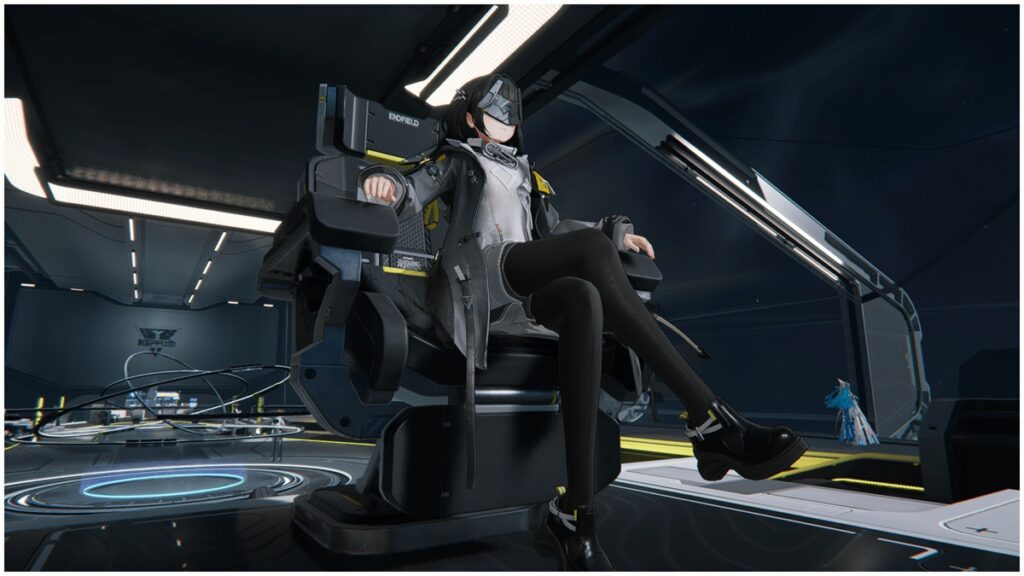
The game effectively utilizes the mystery of time and space to create an immediate theoretical frenzy. Seeing Rhodes Island in Babylon is not just a fan service moment; it is a tactical deployment of lore intended to force the community into a state of intense investigative research. By placing these high-impact references in the very beginning, the developers ensure that the most loyal segment of the fan base is immediately locked into a cycle of theory-crafting. They are looking for meanings in every line of dialogue and every environmental detail. This creates a secondary layer of engagement that exists outside the game client. The fan community becomes a self-sustaining marketing machine, fueled by the mystery of how a world they knew so well has transformed into this new, industrial frontier.
The Factory and the Friction of Retention
The core gameplay of Endfield involves a complex system of base building and automated factory logistics. This is a significant departure from the standard combat-focused loops of its peers. Introducing a player to a logistics-heavy game is a dangerous prospect. If the onboarding process is too dry, the player realizes they are essentially playing a glorified spreadsheet and logs off before the hook can sink in. Endfield solves this by masking the industrial complexity with a layer of high-stakes cinematic action.
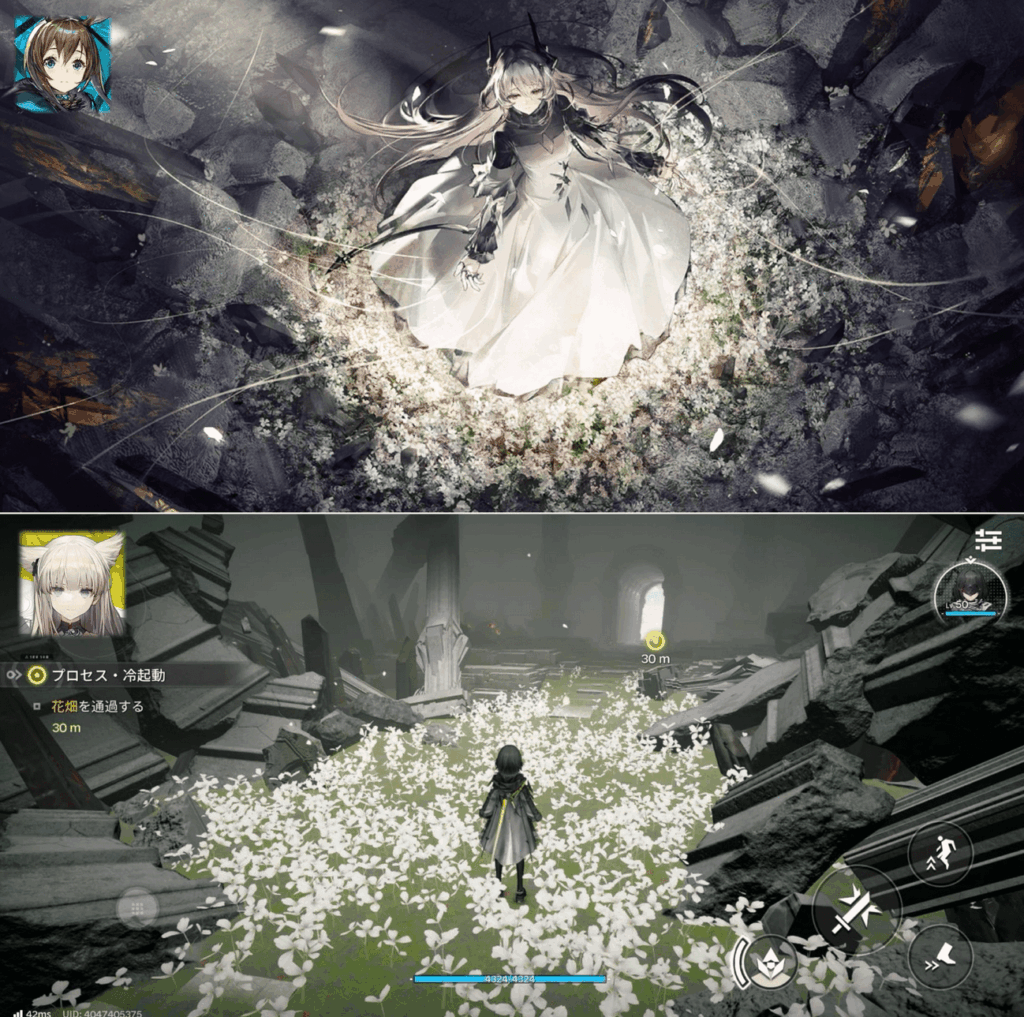
By the time the player reaches the point where they need to worry about power lines and conveyor belts, the game has already sold them on the atmosphere. They have seen the explosions, they have felt the weight of the combat, and they have been teased with deep, world-altering lore. The factory mechanics then feel like a necessary tool for survival in a hostile world rather than a tedious chore. It is a shift from a state of forced learning to a state of motivated discovery. The player wants to build the base because they want to see what happens next in the story and they want to remain part of the high-octane world the prologue promised them.
Breaking the Walled Garden of Gacha Onboarding
Most gacha games operate within a very tight set of rules. They are terrified of alienating the player, so they make the beginning as frictionless and soft as possible. Endfield rejects this softness. It leans into a sharp, modern, and slightly rebellious aesthetic that feels more aligned with a cyberpunk technical system than a standard fantasy adventure. It treats the player as an intelligent participant who can handle being thrown into the thick of a crisis.
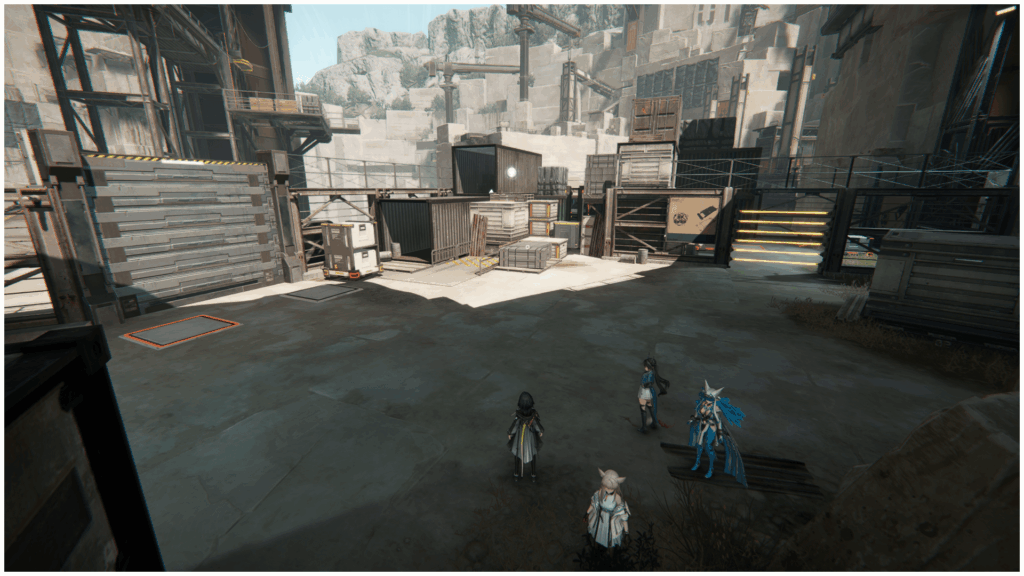


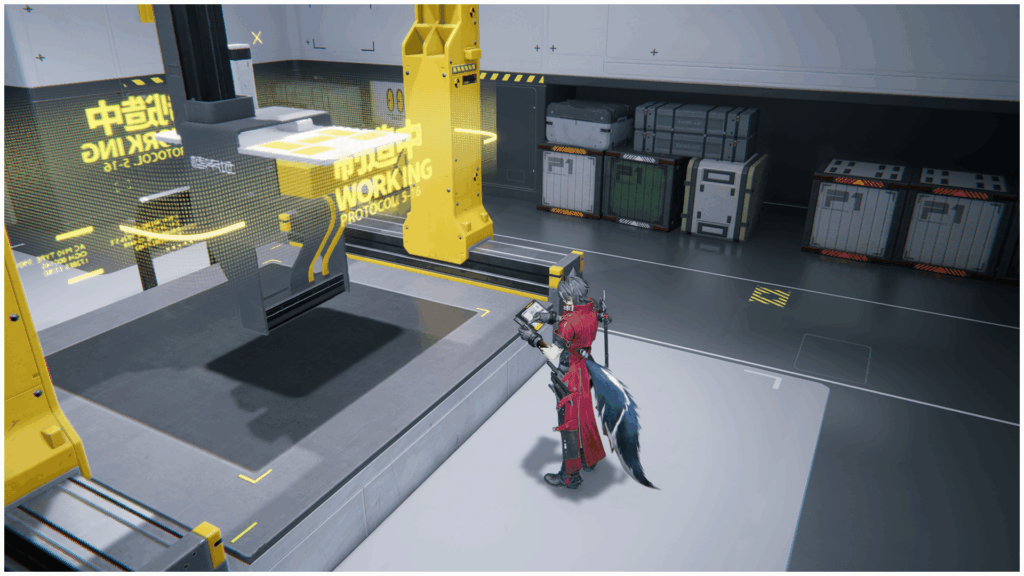
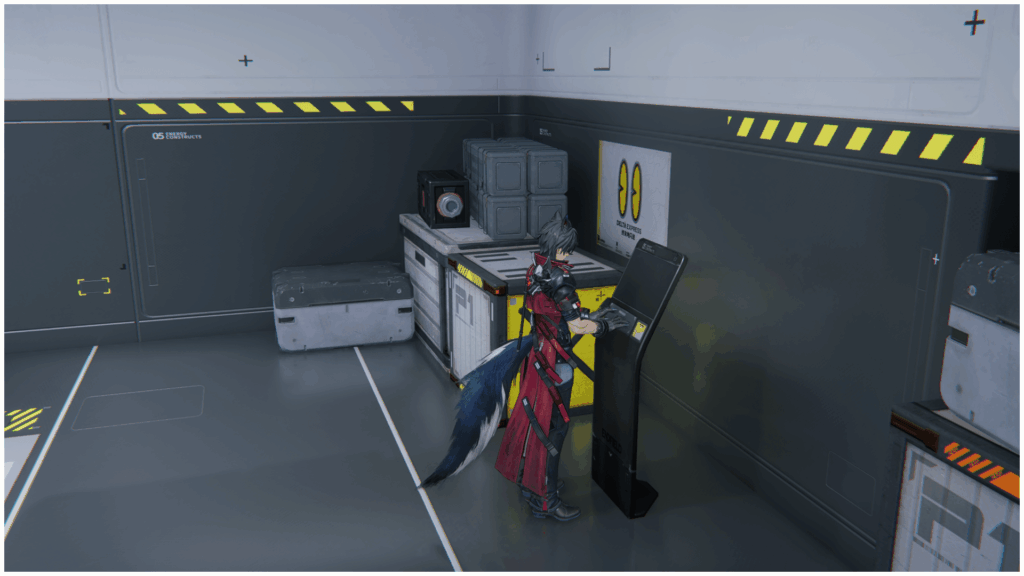
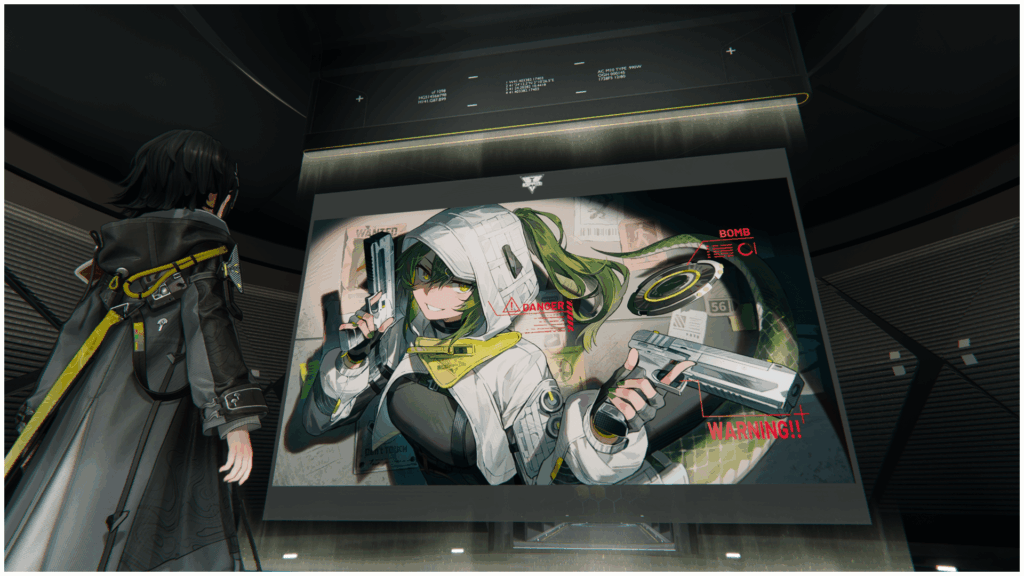


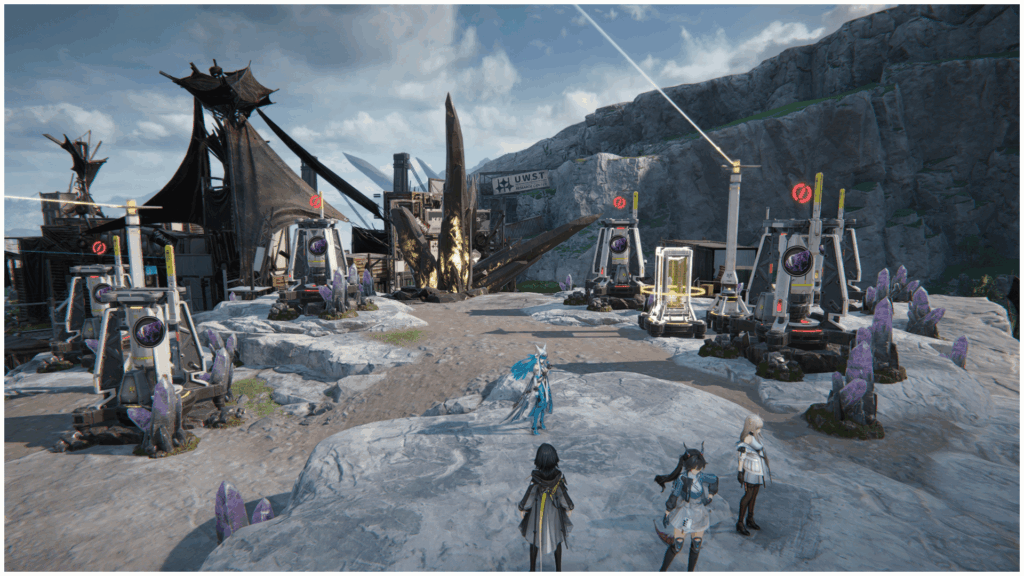
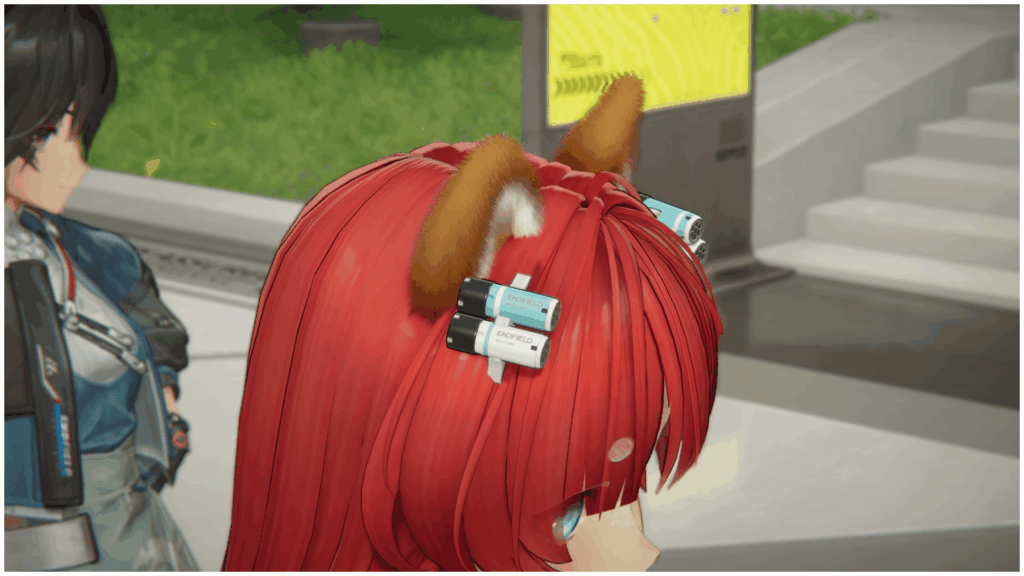
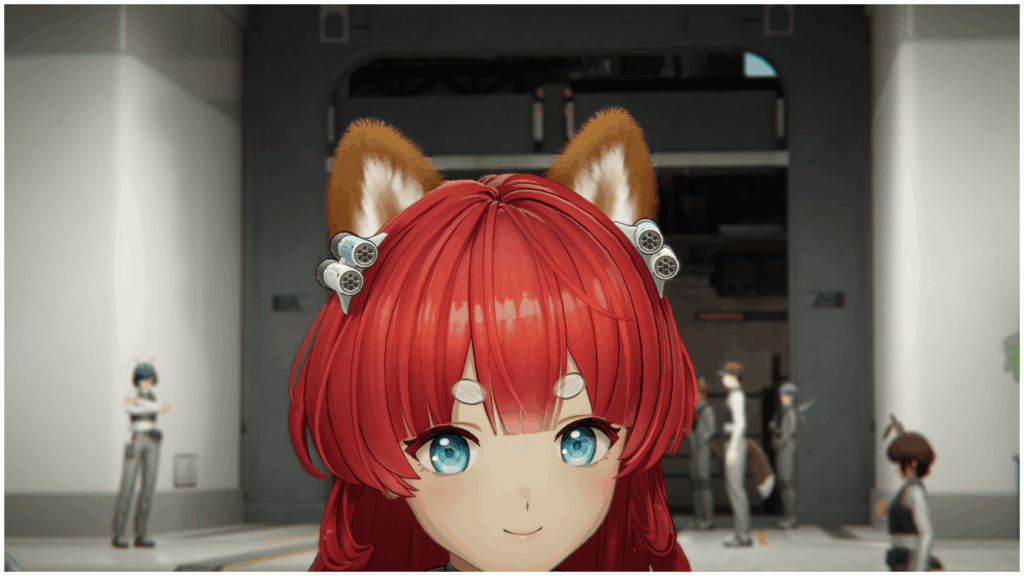
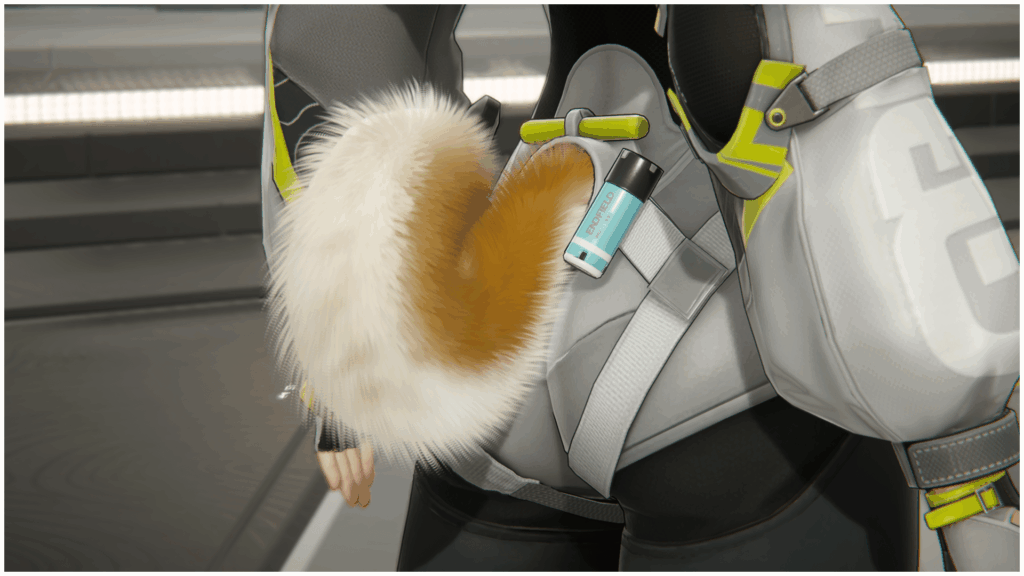
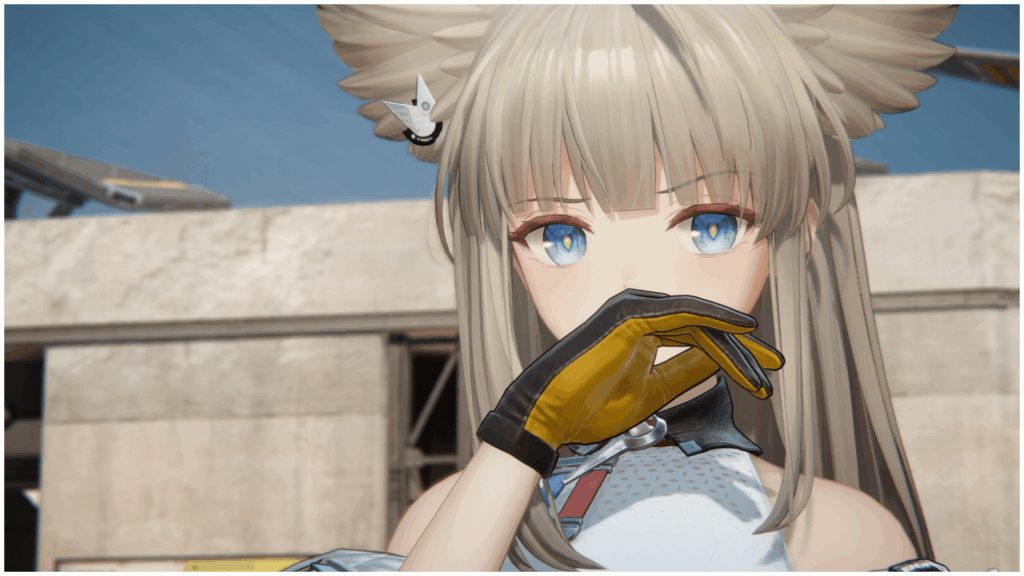

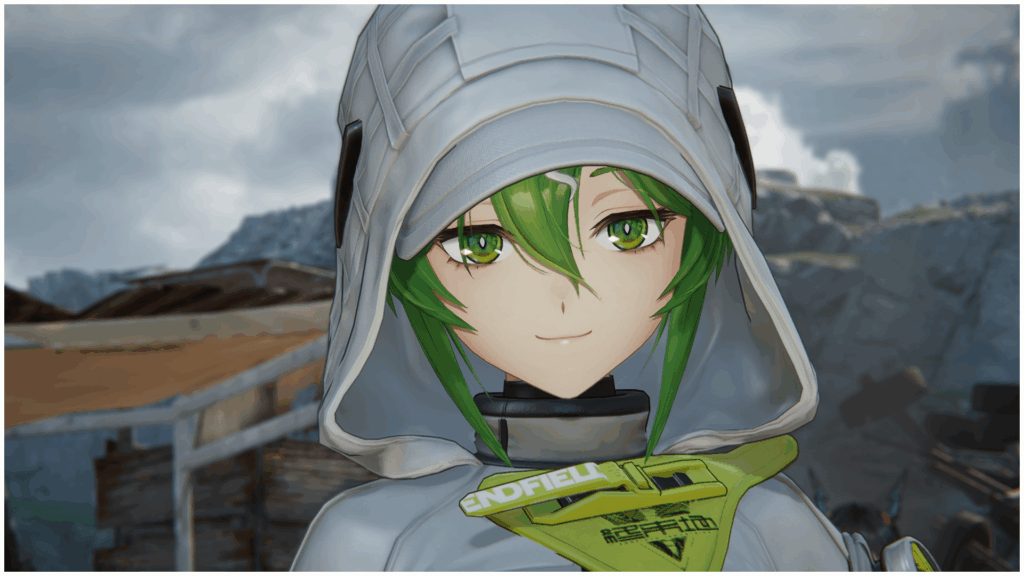
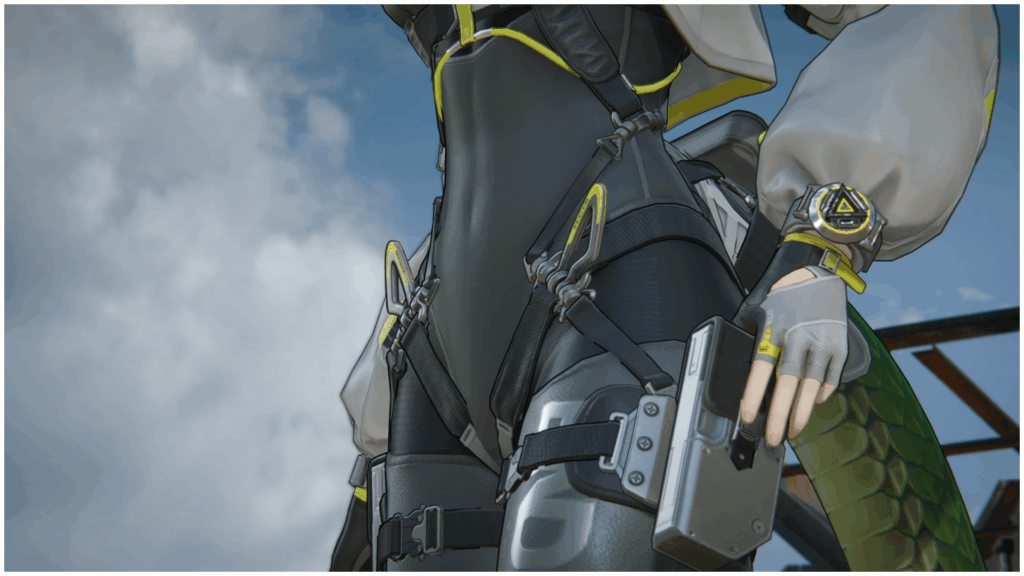
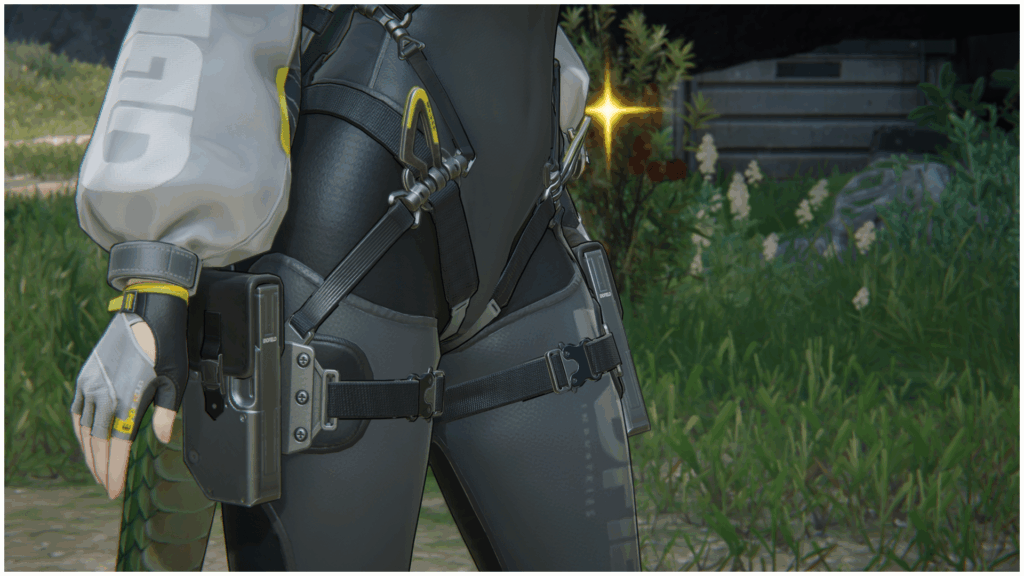
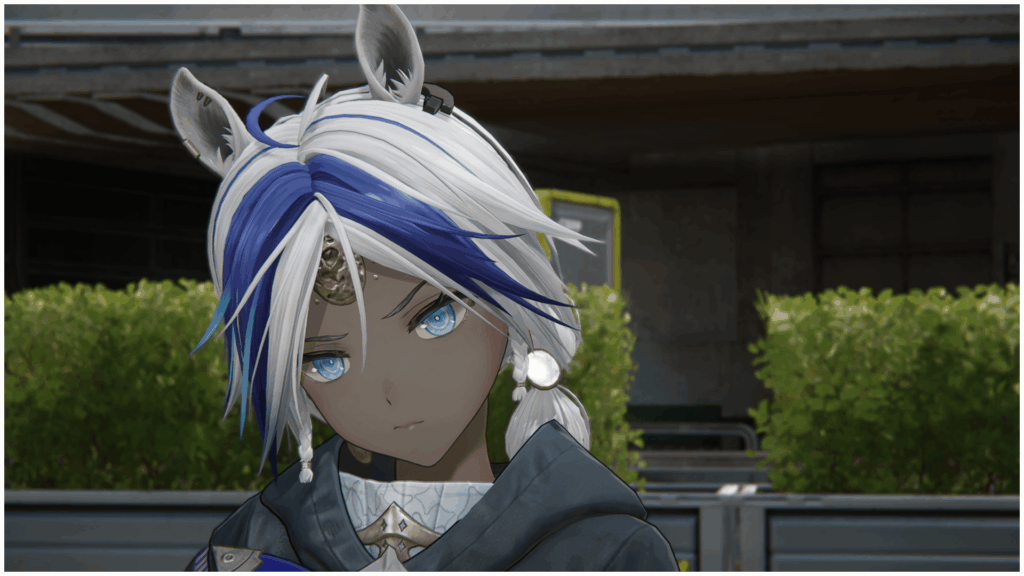
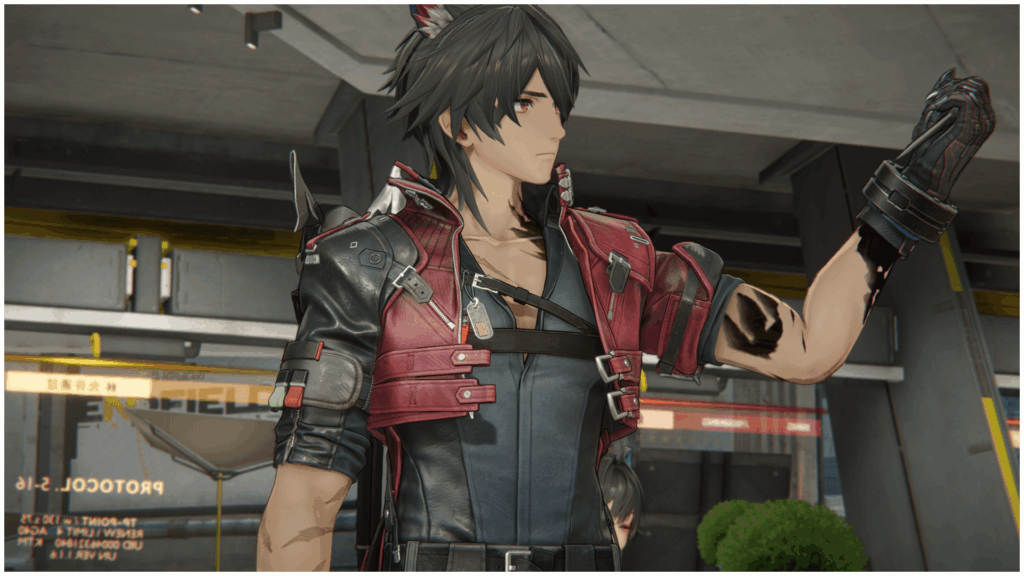



This approach is more effective than the traditional slow-burn because it respects the intelligence of the audience. A new generation of players, raised on a diet of high-speed digital content, does not need to be coddled. They need to be challenged. They need to see that a game has a unique voice and the technical confidence to back up its ambition. Endfield shows its hand early, proving that it has the visual fidelity of a premium console title and the mechanical depth of a complex simulation.
The Long Game of the Prologue
The success of a gacha game is measured in years, not weeks. The first few hours are simply the gatekeepers for a much longer journey of monetization and community building. If the gate is boring, the player never sees the rest of the park. Arknights Endfield builds a gate made of chrome and explosions and deep-seated emotional hooks. It is a masterclass in how to balance the needs of a diverse audience. It provides the action-starved newcomer with immediate gratification while handing the veteran fan a puzzle that will take months to solve.
As the industry moves toward 2026, the standard for what constitutes a good start is being recalibrated. We are moving away from the era of passive consumption and into the era of the active operator. Endfield is leading the charge, proving that you do not have to choose between a deep world and a cool opening. You can have both, provided you have the courage to treat your game like an experience rather than just a product.
The struggle for independent command in the gaming space begins with how a game introduces itself. If it starts with a whimper, it will likely end with one. If it starts with a bang, it has a chance to echo for a very long time. By placing the player in the role of the Endministrator on the harsh moon of Talos-II, the game immediately demands technical and strategic engagement through its complex industrial systems and squad-based combat.