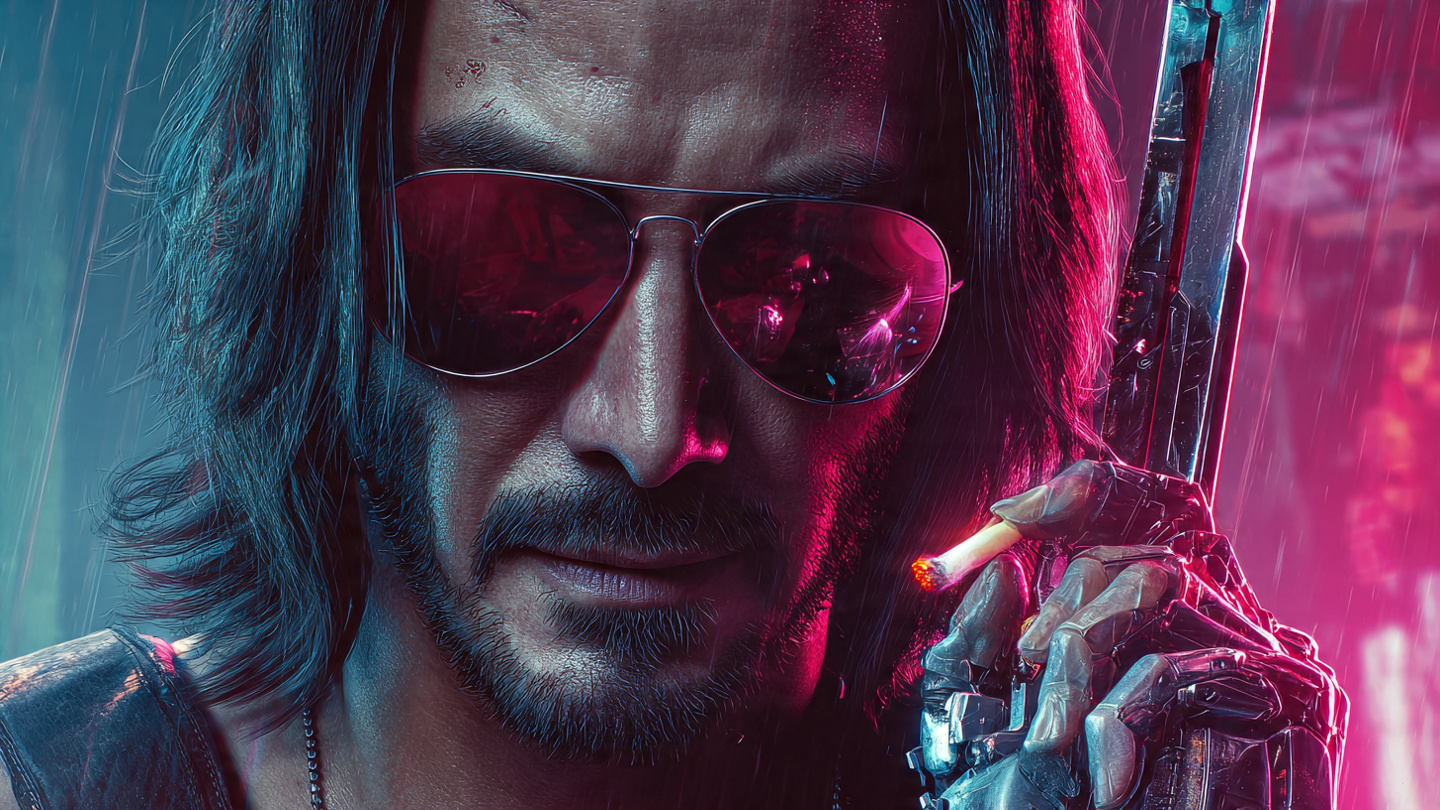
Let the record show | the debate is over. Since its ultimate redemption and the release of its final code iteration, Cyberpunk 2077 has transcended the category of “great game.” It is a landmark achievement, a high-water mark for world design, narrative depth, and mechanical flexibility that future open-world projects will measure themselves against for the next ten cycles.
Forget the early glitches, the code has been scrubbed, the framerate stabilized, and the true vision of Night City now stands fully realized. It is a work of hyper-detailed, neon-soaked genius with virtually zero functional deficits and a surplus of compelling features that demands recognition. This is not a discussion; it is a declaration of the new Dogma.
The Core Narrative | A High-Octane Brain Fry
The main plotline is a masterclass in synthetic desperation. The mercenary V’s race against a ticking biological clock is the perfect engine for a spy-thriller narrative that keeps the player’s synaptic fire burning hot. It is dynamic, emotionally gripping, and possesses a momentum that rivals the most frantic action cinema—think of the relentless, adrenaline-fueled pacing of high-concept thrillers, but with vastly higher stakes.
Idris Elba and the Cinematic Chrome
The elevation of the storyline is crystallized in the Phantom Liberty expansion. This addition isn’t just an expansion pack; it’s a full-fledged cinematic experience that multiplies the game’s core coolness by a factor of three. The shift into a spy-thriller motif, anchored by the addition of Idris Elba as Solomon Reed, is simply flawless.
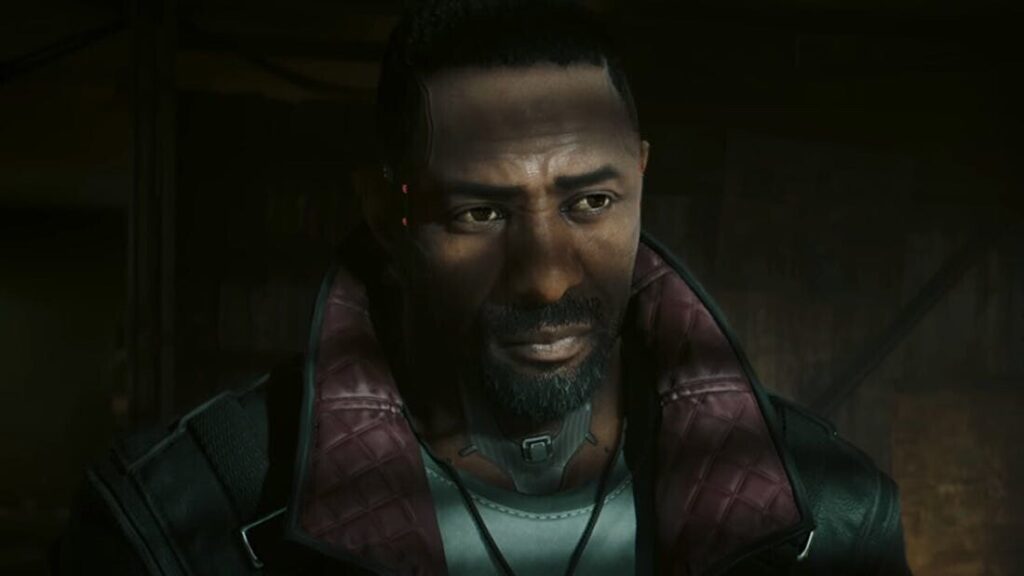
Elba’s performance is frequently cited as one of the best in the medium, a portrait of a broken but intensely loyal covert agent whose gravitas and menace saturate every scene. This acting prowess, coupled with the deeply nuanced performance of V’s voice actor (especially the male V, whose delivery truly grounds the existential dread), elevates the narrative above typical video game fare. The plot of Dogtown is not just interactive; it’s profound, using player choice to deepen the central themes of power, futility, and sacrifice within the dystopian hellscape.
Graphics | Testing the Limits of Wetware
Night City is not a place; it is a destination. If a machine can render the final, fully optimized state of Cyberpunk 2077 at maximum settings, that machine has earned its chrome. The game remains the gold standard by which the latest hardware—the RTX cards, the high-core processors—is benchmarked.
The Neon Soak and Next-Gen Textures
This isn’t just about high polygon counts. It is about atmosphere. The interplay of ray-traced reflections off the perpetual moisture of the streets, the dense, volumetric lighting that makes every alley glow like a forbidden shrine, and the sheer density of detail in the architecture combine to create a world that the player genuinely wishes to inhabit.
Even when rendered on lower-spec hardware, the underlying art direction is so strong—so intensely realized in its cyberpunk aesthetic—that the visual impact remains jaw-dropping. Night City, bathed in maximum-graphical fidelity, ceases to be a backdrop and becomes a hyper-detailed environment where the player wants to simply exist and watch the digital rain fall. This level of visual commitment sets a new floor for what a truly immersive open-world should look like.
Gameplay | The Multiverse of Mercenary Mayhem
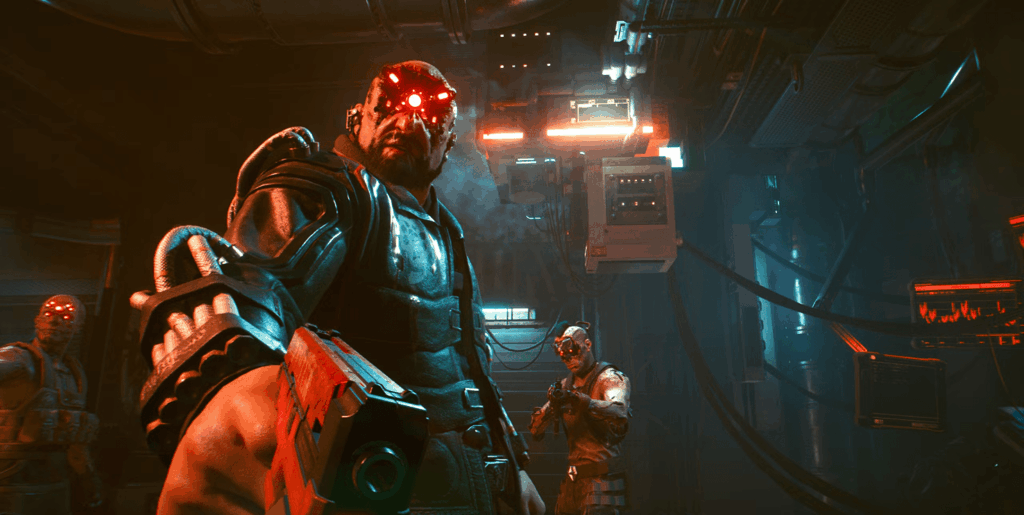
To dismiss the gameplay of Cyberpunk 2077 as a simple shooter is to willfully ignore the sheer mechanical depth packed into the code. Night City is less an open world and more a sandbox of kinetic events.
The Layered Grid of Content
The depth of content available is staggering. The main quest is world-class, but the true brilliance lies in the periphery. Players can sink hundreds of hours into side quests that possess the narrative quality and emotional weight of the main story. Beneath those lie the Fixer contracts, which provide exciting, bite-sized mercenary loops. Even the revamped police call system offers spontaneous, dynamic combat scenarios that ensure no two drives across the city are ever identical.
Combat | Finger-Licking Mechanical Flexibility
The true genius is in the build variety. Cyberpunk 2077 shatters the standard class structure and hands the player a toolkit of surgical slaughter:
- The Netrunner: Bypass combat entirely. Hack surveillance cameras to locate targets, then fry their internal wetware with quickhacks—a true digital assassin playstyle.
- The Solo (Melee): Equip the lethal Mantis Blades or a katana and turn enemies into meat confetti. Couple this with a Sandevistan operating system for bullet-time combat that feels godlike.
- The Tech Engineer: Master Tech weapons to shoot through walls, or use the Projectile Launch System cyberware to turn arms into walking bazookas, embracing a chaotic, explosive approach.
This is barely scratching the surface. The ability to mix and match cyberware, attributes, and perks means the player’s combat Dogma is entirely self-defined. From stealthy assassins to tank-like brawlers, the gunplay is visceral and the possibilities are endless.
The Verdict (REVISED) | A Century of Gaming Compressed
For those who have logged hundreds of hours, who have immediately sought the thrill of a second playthrough after the credits rolled, the message is clear. Cyberpunk 2077 is an achievement forged in fire and polished to a blinding chrome sheen. It delivers on plot, atmosphere, visual fidelity, and mechanical depth in ways few contemporaries can rival.
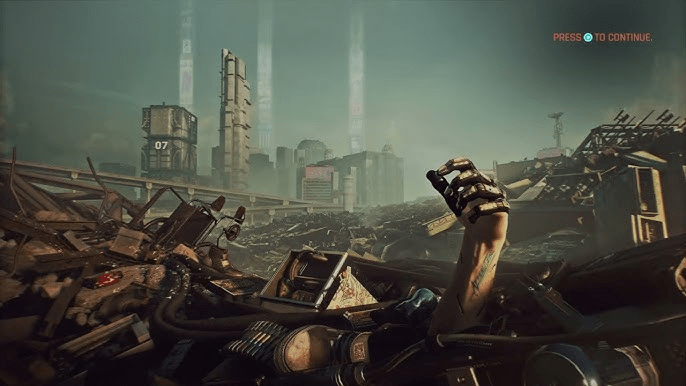
The debate about the “best game in the last 10 years” is always spirited, particularly when considering the undeniable high-fantasy mastery of The Witcher 3 | Wild Hunt (which falls just outside the decade window, setting the stage for this new champion). However, Cyberpunk 2077 provides the definitive, futuristic, open-world experience for the new generation.
It scores a perfect 100 across the board. The era of the digital masterpiece is here, and it is paved in neon.
Area 18 | Star Citizen’s Neon-Charged Cyberpunk Heart
Nestled on the ecumenopolis of ArcCorp, Area 18 pulses with the raw essence of cyberpunk dystopia—a sprawling mega-city landing zone where neon veins course through endless towers of chrome and concrete. Electric magentas, cyan blues, and venomous yellows bleed from holographic billboards and street-level vendors, casting perpetual glows on rain-slicked plazas and shadowy alleys teeming with danger. Flying ships dart like predatory insects through vertical canyons, their engines humming against a symphony of corporate ads and distant thunder, evoking Blade Runner’s grit fused with Night City’s chaotic energy.
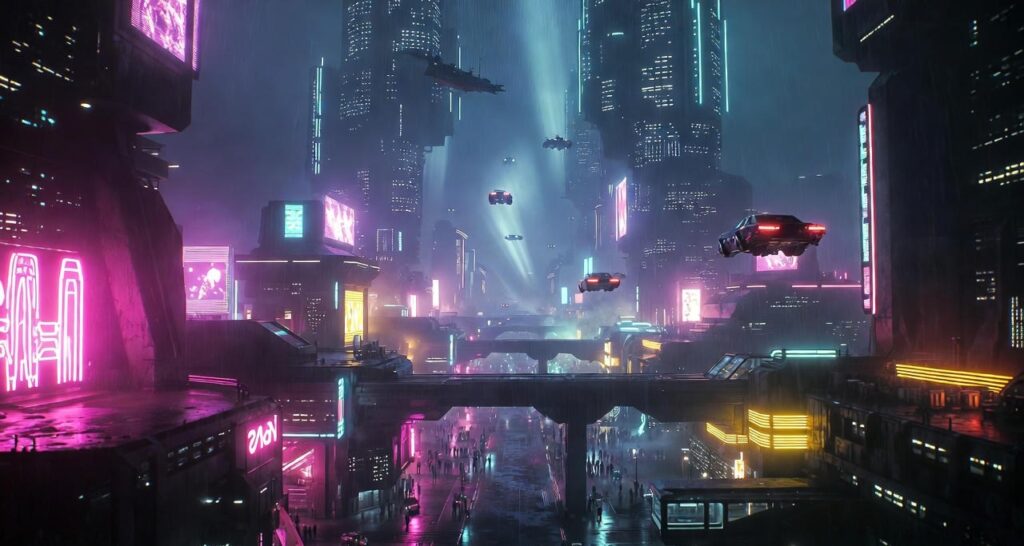
The atmosphere is intoxicating | moody fog rolls through hab lobbies and promenades, volumetric lights pierce the haze like forbidden beacons, and every surface gleams with wet reflections that make the urban sprawl feel alive, oppressive, and seductive. Dark underpasses hide illicit deals amid steam vents and flickering signs, while elevated trams offer vertigo-inducing views of the endless cityscape, a planet-wide hive where humanity’s ambition devours itself in neon splendor. It’s the ultimate tease of cyberpunk immersion, where the vibe screams high-stakes merc life amid corporate overlords.
Yet for all its visual poetry, Area 18 remains a shimmering promise in Star Citizen’s alpha 4.5 limbo, a cyberpunk fever dream frozen mid-load, begging for the full polish that Cyberpunk 2077 delivered years ago. When CIG finally unleashes it, Night City’s rival could rise; until then, it’s the eternal “what if”