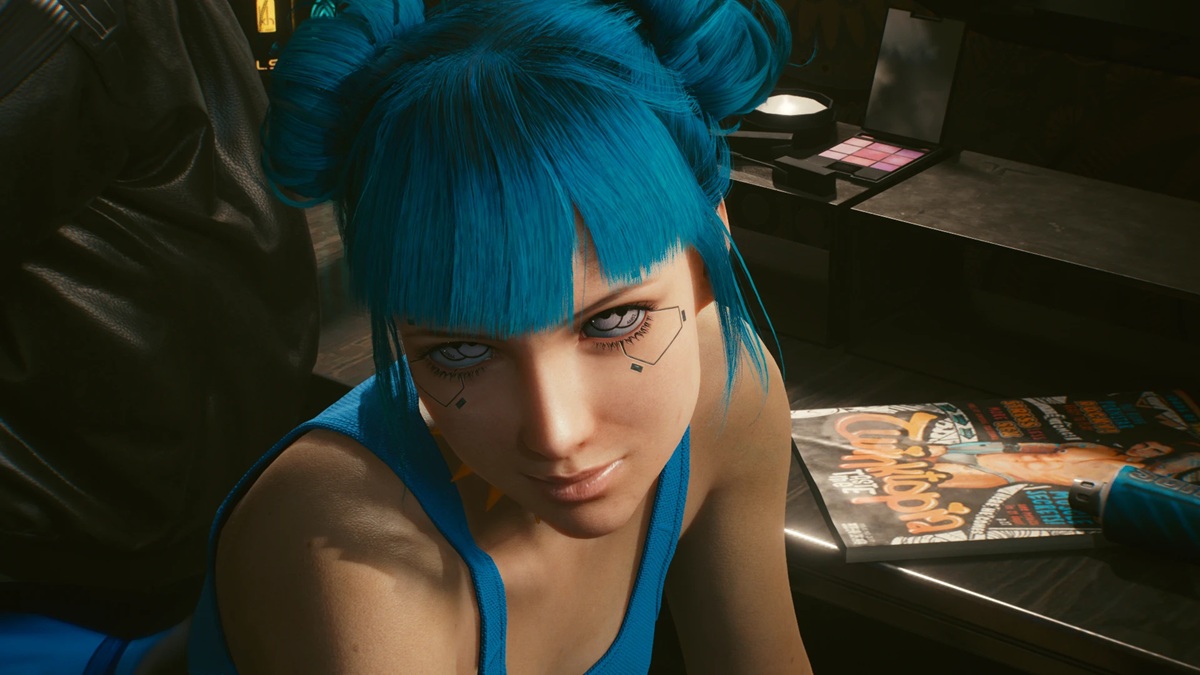
Night City thrives on the architecture of unfinished business and the ghosts of what might have been. Every few months, a digital archaeologist digs into the back end of the game files and thinks they have found a smoking gun. The latest frenzy involves Blue Moon, the lilac haired sensation from the J-pop trio Us Cracks. A post circulating on social media claimed that a detailed character model found in the archives proved a romantic subplot was stripped away during the frantic scramble of development.
This theory gained enough traction to pull a response from the higher ups at CD Projekt RED. Narrative director Igor Sarzynski stepped into the light on BlueSky to clarify exactly why that model exists and why your V never got to go on a high stakes date with a pop idol. It turns out the truth is far more technical and perhaps more disappointing than a grand corporate conspiracy.
The Myth of the Naked Pop Star
The core of the rumor relied on a classic misunderstanding of how modern game engines function. The discovery of a character model without their clothing is a standard occurrence for anyone poking around in the REDengine. Sarzynski explained that the appearance system used for the citizens of Night City builds characters from the skin up. Every model is essentially naked underneath their outfits because that is how the layering system prevents textures from clipping through each other.
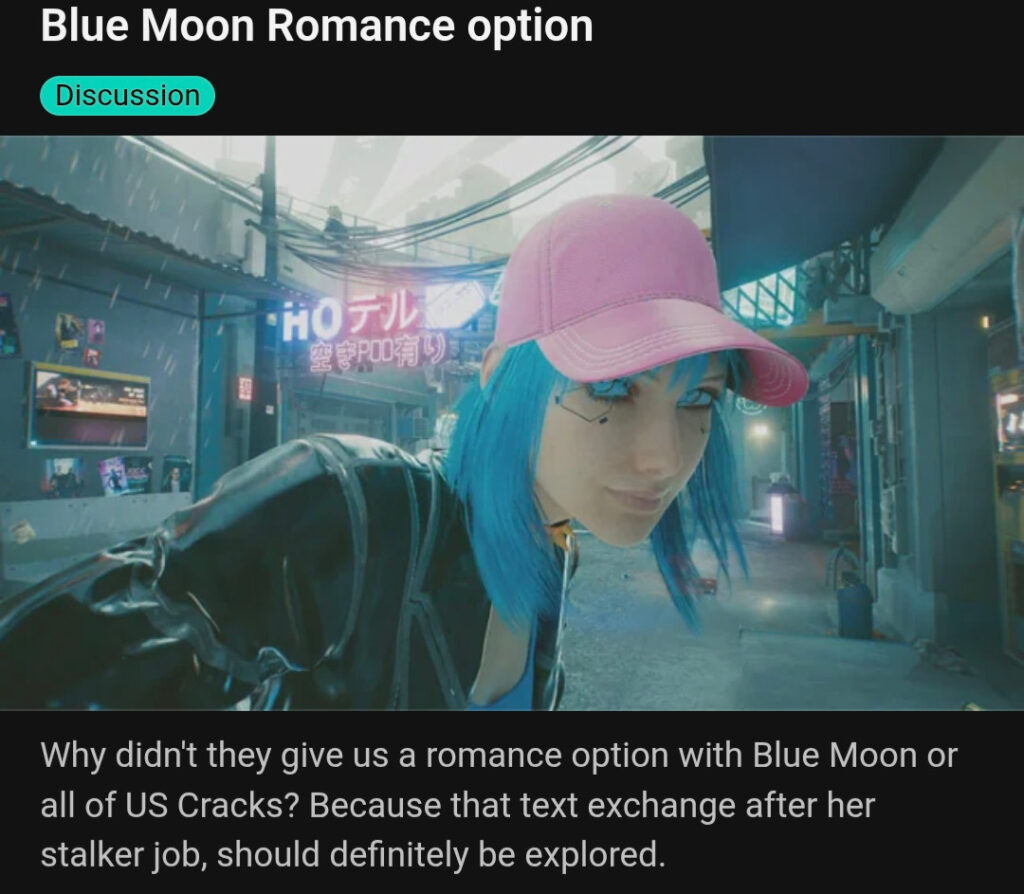
Finding an unclad version of Blue Moon is not a sign of a deleted bedroom scene. It is simply a sign that the character exists within a system designed for modular fashion. Sarzynski noted that similar whispers followed characters like Takemura or Alex from the expansion. Players often mistake a few lines of flirtatious dialogue or a shared moment of vulnerability for a full romance arc. In reality, these are just the small touches that make a character feel human in a world that is mostly chrome.
Choosing Phantom Liberty Over Personal Connections
While the rumors of cut content were officially debunked, Sarzynski offered a piece of information that actually confirmed the community’s instincts. The studio did discuss adding a Blue Moon romance as post launch content. There was a window where the team looked at the existing side quests and wondered if there was more to say about the idol and her struggle with a lethal stalker.
The decision to walk away from that storyline was a matter of resources. The narrative team had to choose between expanding the interpersonal relationships of minor characters or building a massive, spy thriller expansion. They chose the latter. Phantom Liberty became the primary focus, absorbing the creative energy that might have otherwise gone into smaller character updates. The expansion redefined the game and gave players the Dogtown district, but it meant that some of the softer, more personal threads in Watson and Westbrook remained permanently severed.
The Stalker Quest and Existing Ties
For those who need a refresher, Blue Moon is already more than just a background asset. Her presence in the quest where Kerry Eurodyne tries to blow up her equipment serves as an entry point into the more dangerous side of celebrity culture. If you play your cards right, she eventually trusts V enough to ask for help with a fan who has crossed the line into dangerous obsession.
This mission remains one of the more grounded experiences in the game. It focuses on the psychological toll of fame rather than the usual mercenary violence. Even without a formal romance, the bond formed during that quest felt like a natural foundation for something deeper. Knowing that the developers felt the same way makes the absence of a follow up hit a little harder for the completionists.
The Lost Files of Night City
Beyond Blue Moon, the REDengine repository is a graveyard of forgotten connections. These files represent a divergent timeline where the mercenaries of Night City were as focused on their hearts as they were on their hardware. When the focus shifted toward the political intrigue of Dogtown, several minor characters who were being groomed for a deeper spotlight were relegated to the background.
Goro Takemura and the Honor Code
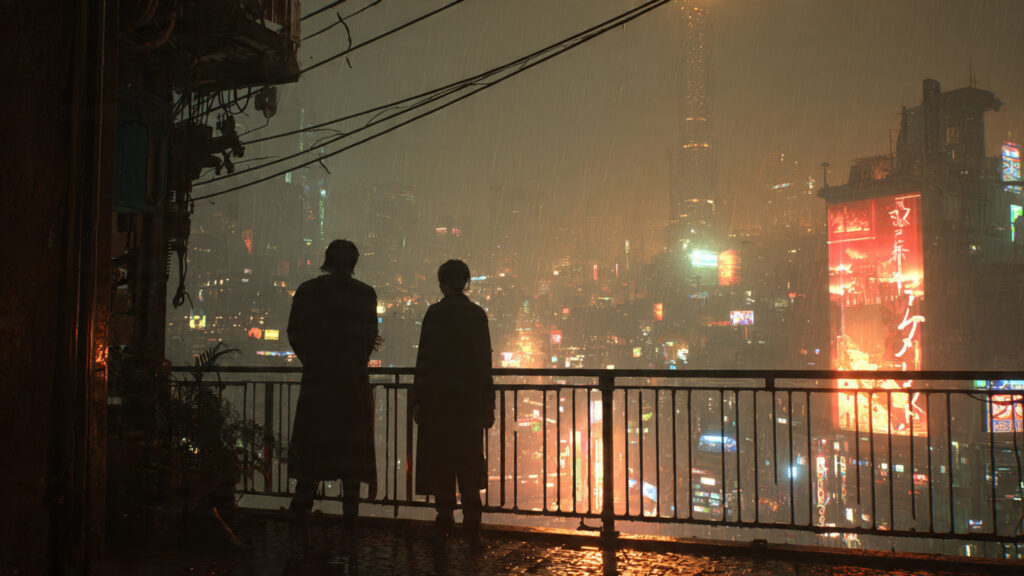
Perhaps the most requested romance in the history of the game involves the disgraced Arasaka bodyguard. Goro Takemura occupies a unique space in the narrative, serving as both a mentor and a reluctant ally. Early flags in the dialogue scripts suggested a path where the mutual respect between the two could evolve into something more. The decision to keep Takemura at a distance was likely a narrative choice to maintain the tragedy of his character, yet his files remain a hotspot for those looking for the connection that got away.
Rita Wheeler and the Mox Loyalty
If there is a character who defined the visual energy of the Mox, it is Rita Wheeler. The bouncer at Lizzie’s Bar became an unofficial mascot for the community almost overnight. Despite her minimal screen time, her unique aesthetic and sharp attitude sparked a massive demand for a larger role. The source code shows that while she was never a primary focus like Panam or Judy, the interest from the player base nearly forced a pivot. She remains a symbol of the “what if” culture that surrounds the game’s minor cast.
Deeper Fragments within the Source Code
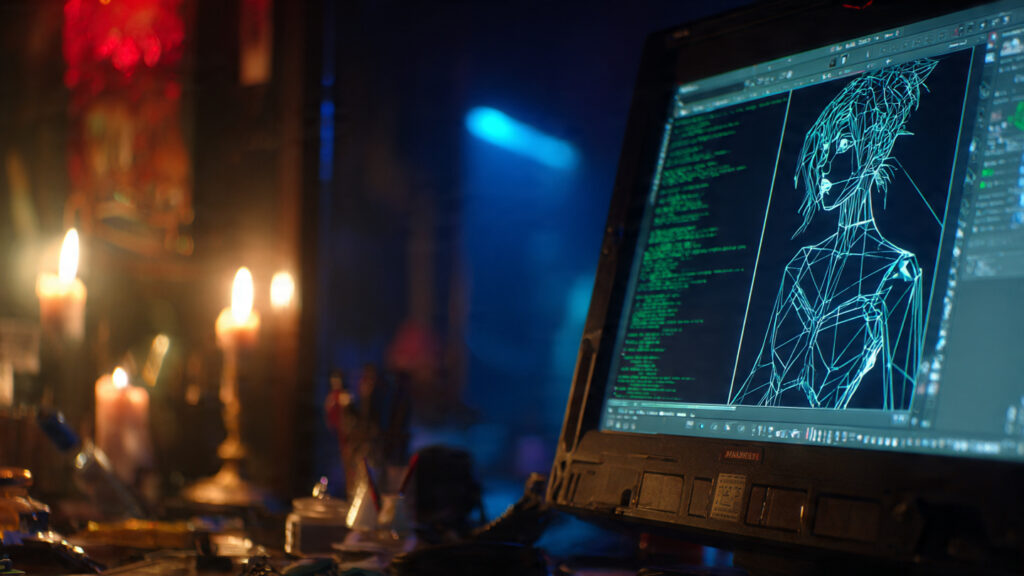
Beyond the personal relationships, the cache contains remnants of features that would have fundamentally changed how we navigate the urban sprawl. These are not just aesthetic tweaks but mechanical shifts that were left on the cutting room floor to ensure the core simulation remained stable.
The Ghost Stations of the Transit System
Before the updates eventually added a functioning metro system, the game was haunted by a massive network of empty stations and unused tracks. The original vision for the Night City Transit system was far more immersive than the fast travel points we eventually received. Players were meant to sit on the trains in real time, watching the city pass by through the glass. This feature was cut during the final polish phases but remains one of the most visible scars on the map until later patches brought a fraction of that vision back to life.
Full Body Conversion and Missing Cyberware
The concept of “style over substance” is a core pillar of the cyberpunk genre, yet the visual impact of cyberware was significantly scaled back for the final release. The archives suggest that the studio originally planned for more drastic physical changes to the player character as they upgraded their hardware. This would have included visible chrome plating, mechanical limbs that looked the part, and perhaps even the full body conversions seen on characters like Adam Smasher.
The Future of Night City and the Second Expansion Rumor
The conversation around Blue Moon has reignited speculation about the long term support for the title. While CD Projekt RED has moved much of its heavy lifting to the next project, rumors are circulating about a third party studio named Virtuz being brought in to maintain the current build. Some circles are whispering about a surprise drop in 2026 that could finally introduce these missed connections.
There is also the recurring demand for Rita Wheeler, the Mox bouncer who has become an unofficial fan favorite. If the studio is looking to bridge the gap before the sequel, adding these smaller narrative beats would be a strategic move. However, the current reality remains unchanged. Blue Moon is a professional ally and a friend, but the streets of Night City are too crowded with spies and terrorists for V to have much of a personal life.
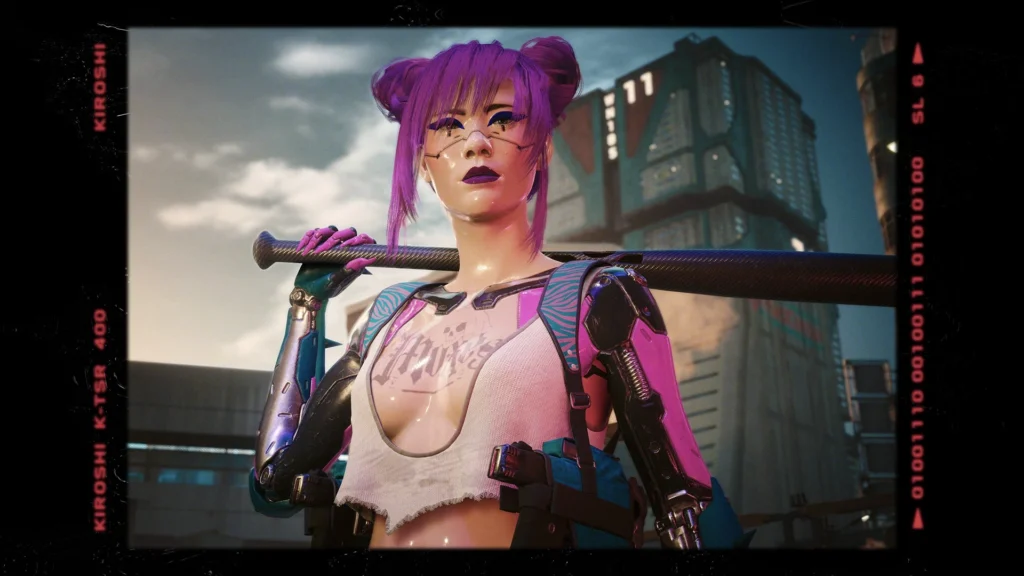
The files might be there, and the discussions might have happened in a boardroom in Poland, but for now, your idol remains out of reach. It is just another story in a city that is defined by its shadows.