The digital landscape of 2025 felt like a long, malfunctioning simulation. We spent the last twelve months watching the industry cannibalize itself under the weight of corporate greed and algorithmic paranoia. It was the year the facade finally cracked, revealing a hollow core where creativity used to live.
We are looking back at the wreckage of the past year not with nostalgia, but with the cold realization that the grid has changed. The traditional way of life for a gamer is effectively over, and 2026 is shaping up to be the turning point where we either adapt to the chrome or get left in the scrap heap.
The Rising Tide of Digital Censorship

The Year of the Green Wooden Snake was defined by a frantic attempt by regulators to kill the vibe. Officials and banking institutions spent 2025 trying to sanitize every corner of the internet. We saw an aggressive push to ban everything from free communication in lobbies to erotic mods. It felt like the people in charge finally realized how much power resides in these digital spaces and decided to pull the plug on anything they couldn’t control.
The most absurd manifestation of this was the wave of adult games being purged from Steam. This wasn’t because of a change in community standards, but because banking organizations started leaning on Valve. The peak of this stupidity was the blocking of Stalcraft, an event so ridiculous it should have been a satire. Even Roblox wasn’t safe, with worldwide trends pushing for total bans under the guise of safety. The message from the higher ups is clear. If they can’t monitor every interaction, they will simply destroy the platform.
The Void Left by the GTA VI Delay
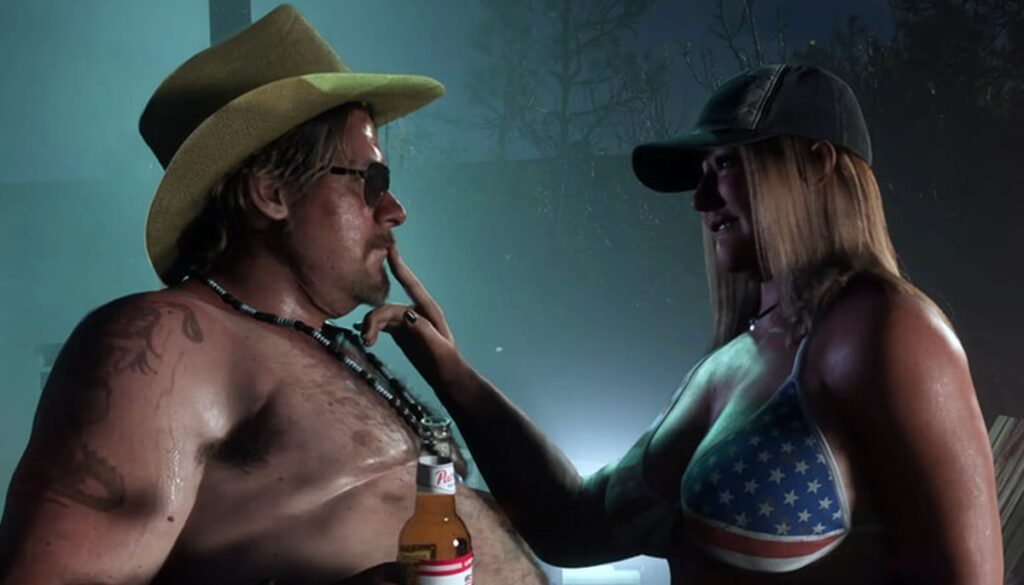
Everyone knew it was coming, but the official confirmation still hit like a power surge. The most anticipated piece of software of the decade is not arriving in 2025. Rockstar pushed the crime epic back to May, and then again to November 2026. For the enthusiasts who spend their lives in the forums, this was a Tuesday. For the casual crowd, it was a devastating blow to their 2025 entertainment plans.
The ripple effect of this delay was felt across the entire industry. Several developers were caught completely off guard, having timed their own releases to avoid the Rockstar shadow. When the void opened up, some studios panicked and rushed their unfinished projects into the light just to fill the quarterly revenue gap. We ended up with a pile of raw, unoptimized software that did nothing but frustrate a player base already on the edge of burnout.
The Psychological War Against Generative Tools
Artificial intelligence hit the industry from two different directions in 2025. On the hardware side, the boom caused RAM and component prices to skyrocket. Affordable gaming is officially a myth, and the best forecasts suggest we won’t see a price correction until 2028 at the earliest. Manufacturers are more interested in serving the AI server farms than the person sitting at a desk in their bedroom.
The more insidious effect was the total collapse of trust. Every time a new trailer dropped, the community immediately began hunting for “neural slop.” This paranoia led to massive cancellation campaigns. We saw it with the scandals surrounding Clair Obscur | Expedition 33 and the total death of projects like Postal | Bullet Paradise. Gamers now see the interference of generative tools in every texture and every line of dialogue. Whether the AI is actually there or not doesn’t matter anymore. The suspicion alone is enough to kill a project’s momentum.
The Systematic Destruction of Modding Culture

The relationship between creators and players reached an all time low this year. Large publishers decided that user modifications were a threat to their bottom line rather than a tribute to their games. Rockstar lawyers spent the year issuing DMCA strikes like they were high scores. They unsuccessfully attacked the Vice City Nextgen Edition but managed to successfully kill the Liberty City Preservation Project.
Blizzard followed suit by closing down fan made World of Warcraft remasters while simultaneously stealing ideas from the very modders they were persecuting. They restricted API access and started a crusade against 18+ artists who have kept their communities alive for decades. This aggressive stance against the fans is a sign that publishers want total control over how their IP is consumed, even after you have paid for it.
The Fall of the Zone and the S.T.A.L.K.E.R. Crisis

GSC Game World had a rough 2025. The release of S.T.A.L.K.E.R. 2 | Heart of Chornobyl was supposed to be a triumph, but the quality of the final product left a lot to be desired. The technical state of the game was shaky at best, but the real damage was done to the studio’s reputation. The Legends of the Zone Trilogy remasters were some of the worst we have seen in years, feeling more like a cash grab than a tribute.
The internal conflict with the Misery mod team created a deep rift with the core community. Fans started questioning if the studio even understood the legacy they were supposed to be protecting. When a developer starts fighting its own modders, it usually means they have lost the plot. The Zone feels less like a mysterious frontier and more like a poorly managed construction site.
The Return of the Digital Pirates

As corporate pressure increased, the underground pushed back. In 2025, we saw a massive resurgence in the hacking scene. At least three major teams announced new ways to bypass Denuvo, including the MKDEV hypervisor and the WUSE license generator. Even with the retirement of high profile figures like Empress, the trend is undeniable. People are tired of paying for software they don’t truly own.
The response from publishers has been to impose even more online features. We are moving toward a future where every single player game requires a persistent connection to a server that will eventually be turned off. This constant struggle between DRM and crackers is making the gaming experience worse for everyone who actually pays for their games.
The Failure of the Stop Killing Games Initiative
Piracy isn’t just about getting things for free anymore. It has become a movement for consumer rights. The Stop Killing Games initiative tried to fight for the right to access games after servers are shut down. They took their appeal to the European authorities, and while they saw some short term success in the news cycles, none of their proposals were actually adopted.
The failure of this movement only increased the pressure on developers. Instead of securing our rights, the initiative mostly served to draw the attention of regulators who are now looking for more ways to tax and control the industry. It was a noble effort that accidentally gave the enemy more data to work with.
The Rise of Corporate Gamer Posers

This year also exposed the fake “techno-bros” who run the major corporations. We saw prominent figures like Elon Musk and Phil Spencer claiming to be top tier players, only to be outed by the community. Detailed investigations into their account activity showed that they were using booster services to level up their characters while they were busy giving public speeches.
When a millionaire gamer calls himself one of the best in the world, the internet finds the lie. It turns out that being a “gamer” is now a required part of the billionaire aesthetic, but they don’t actually have the time or the skill to do the work. Comparing their public appearances to their account progression made it clear that they were paying other people to play their games for them. It is just another layer of the synthetic reality we are living in.
Understanding the Era of Content Slop
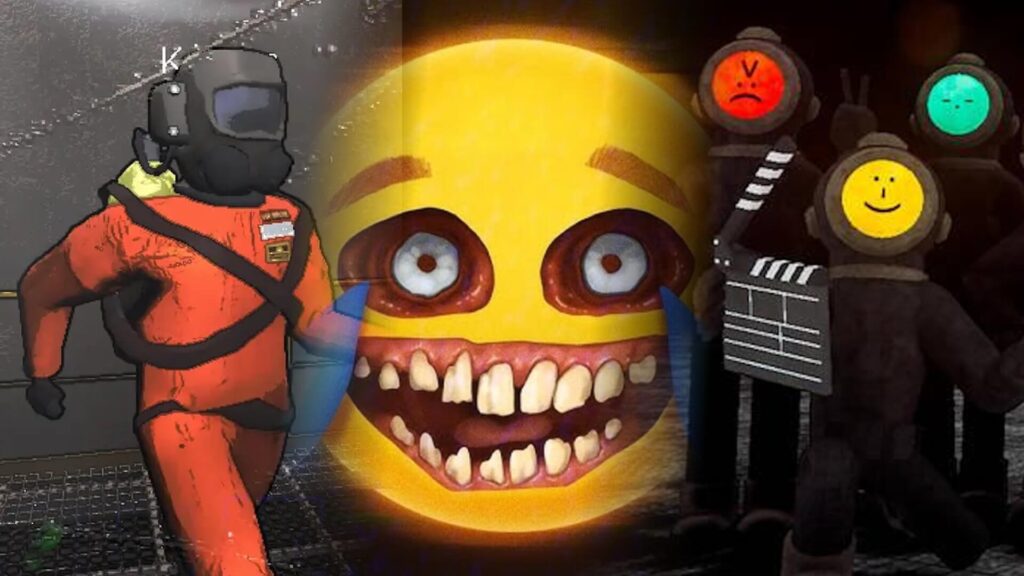
The word of the year is officially “slop.” The younger generation has developed a deep sarcasm for the state of modern entertainment. We have “neuroslop” for AI content, “friendslop” for generic cooperative games, and the biting “uncleslop” for the hobbies of the older generation who still cling to Morrowind and Diablo 2.
Slop means low quality content created for an undemanding audience. The trend is clear. A generation of young people is mocking the industry for its lack of effort. At the same time, the average gamer is spending less time on their hobby as the world situation becomes more intense. Gaming is no longer the escape it used to be. It is just another chore in a crowded digital schedule.
The Financial Trap of Expensive Disappointments

Despite all the new tools that were supposed to make development easier, games are getting more expensive and lower in quality. We are now seeing AAA titles with a $100 price tag for a standard copy. Developers are cutting content just to sell it back as a pre order bonus or a “vampire clan” bundle, as seen in the Bloodlines 2 drama.
Mid-range developers aren’t any better. They are releasing half empty games like Avowed or reusing old assets without hesitation like the Kingdom Come | Deliverance 2 team. The market is being flooded with “mockbusters” like Pioner that try to ride the hype of better games but fail to deliver even a fraction of the experience. It is a cycle of high prices and low expectations that is burning out the player base.
Major Game Disappointments of the Year
While there were thousands of releases in 2025, the end of the year feels like a blur of mediocrity. It is hard to pick a game of the year because everyone was roughly equal in their lack of ambition. However, picking the worst was easy.
The remasters for Fallout 4 and Neverwinter Nights 2 were total disasters. Monster Hunter Wilds became the main disappointment of the year after the developers started suing their own disgruntled players. We also saw the funeral of the MMORPG genre as Ashes of Creation and Aion 2 failed to generate any real excitement. Sid Meier seems to have forgotten how to make a strategy game with the release of Civilization VII, and Borderlands 4 is shaping up to be far too expensive for the average fan.
What the 2026 Horizon Actually Looks Like
The future doesn’t offer much hope for a quick recovery. We expect GTA VI to be postponed again, possibly moving into 2027. Microsoft is likely to finally sink the Xbox brand as they move toward a purely service-based model. The AI bubble will eventually burst, but it won’t give us anything positive. It will just leave behind a wasteland of bots that have replaced search engines and review services.
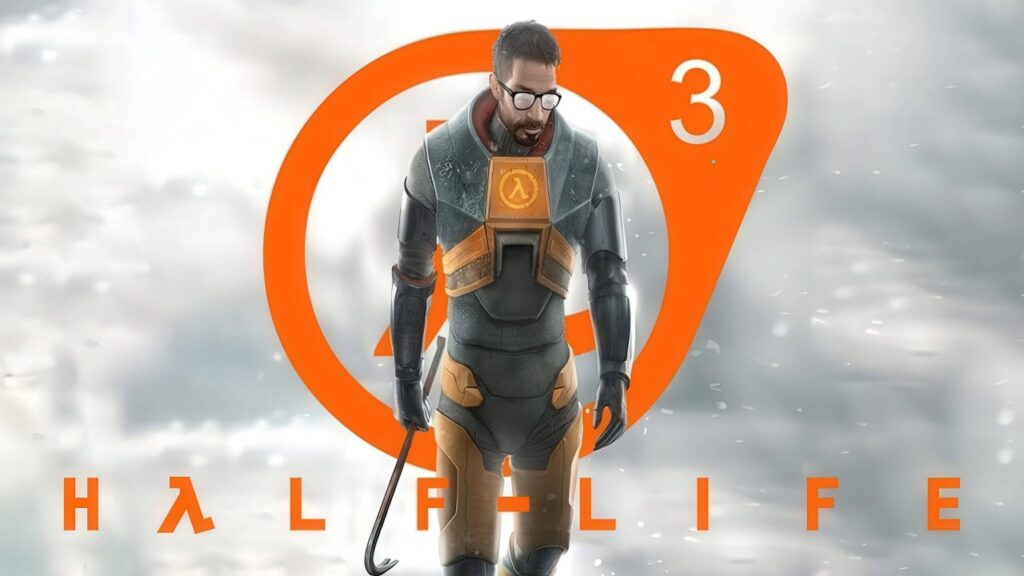
Valve is unlikely to release a new Steam Machine because of the ongoing RAM shortages, and Half-Life 3 remains a myth. Investment in big budget development will fall as the wealthy move their money into streaming content and short-form video. However, there is a silver lining. Indie prices might drop as more developers follow the Silksong model of high sales through low pricing. Optimization might also improve as developers stop focusing on top end hardware that nobody can afford.
The traditional gaming world is broken. 2026 will be the turning point where we find out if the industry can rebuild itself or if we are just going to keep living in the slop.
Why 2027?
That 2027 billboard isn’t a mistake, it is a piece of environmental storytelling reflecting the specific “Aeon Dogma” worldview.
In our current 2025/2026 reality, the industry is defined by The Great Delay. As of late 2025, major titles like Grand Theft Auto VI have already been pushed to late 2026 (specifically November 19, 2026). Given the hardware shortages and “Neural Slop” scandals we discussed, the rebellious youth in that image aren’t looking at a 2026 advertisement because, in their world, nothing actually releases when it’s supposed to.
- The Irony of Hype: A “Coming Soon 2027” sign in a 2026 setting is a cynical nod to the fact that “Coming Soon” has become a permanent state of being for AAA gaming.
- The 2027 Shift: While Rockstar is currently aiming for November 2026, the sentiment on the street (and in our “Antitop” article) is that a jump to 2027 is almost inevitable due to the RAM crisis and the need for “polish.”
- Narrative rebellion: The young people in the prompt are sitting on that rooftop looking at a future that keeps moving further away. The 2027 billboard represents the “carrot on a stick” that corporate publishers use to keep the “uncleslop” generation invested while the world around them decays.
It’s meant to feel a bit hopeless, a reminder that in the Aeon Dogma universe, the horizon is always retreating.