The noise surrounding ARC Raiders since its launch in late 2025 has shifted from pure hype to a deep technical interrogation of how the grid actually functions. While other shooters struggle to keep their player bases from evaporating within a fiscal quarter, Embark Studios has managed to keep over ninety percent of its users locked into the loop.
This level of retention is rarely a coincidence. It is usually the result of a very specific, invisible hand moving players around behind the curtain.
Rumors about hidden skill layers have circulated since day one. High profile streamers like Nadeshot and Ninja pointed to a familiar friction in their matches, suggesting that the game was silently sorting them into sweatier lobbies. They were partially right, but the reality is more complex than a simple skill bracket. Patrik Söderlund, the lead at Embark, finally pulled back the veil on a system that looks at more than just your kill death ratio.
Behavioral signatures and the pacifist lobby
The game uses a dual system that layers skill based matchmaking with something far more experimental called behavior based matchmaking. This second layer essentially reads your digital personality. If you spend your sessions avoiding high traffic combat zones and focusing on the environment, the algorithm notices. It gathers data on your aggression levels and your propensity for conflict.
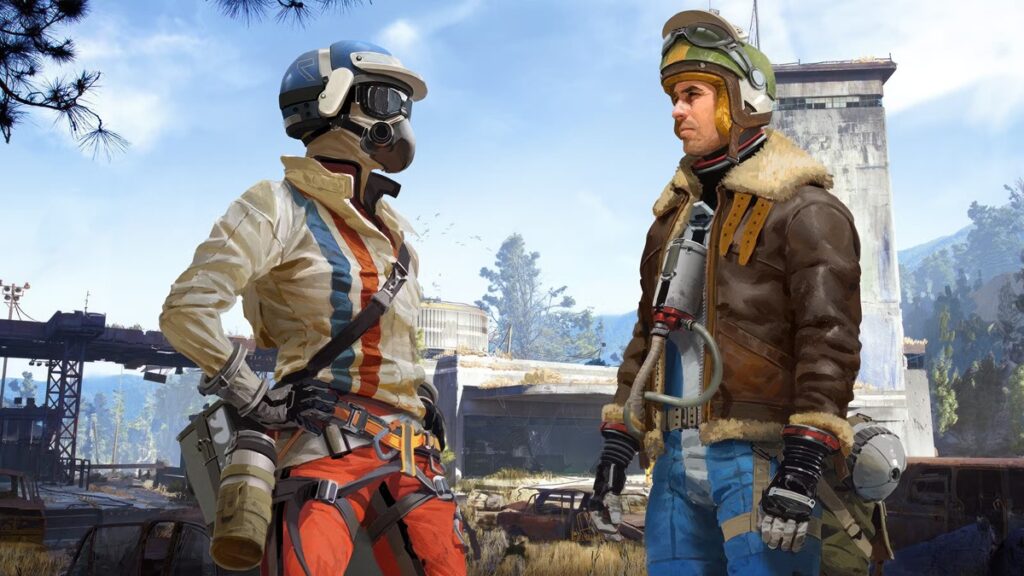
Players who prefer the quiet tension of the environment over constant firefights are grouped together. This creates a sort of soft sanctuary for pacifists, or at least for those who prioritize the extraction element over the hunt. It is a logical solution to the primary frustration of the genre, where a few aggressive hunters can ruin the experience for everyone else in the session. By grouping like minded players, the developers are attempting to deliver a specific emotional frequency to every user.
Efficiency over randomness
Skill remains the primary foundation for any match. Söderlund confirmed that the system still calculates your basic competence before it even considers your behavior. The size of your group, whether you are running solo or in a full squad, also dictates the weight of the match. The behavioral analysis was implemented as a secondary filter to refine the social experience.
This transparency is a rare move for a studio. Most developers treat their matchmaking formulas as trade secrets, hiding them behind vague statements about fair play. Embark seems to realize that the modern player is too observant to be ignored. When a streamer with thousands of hours in shooters feels a shift in the lobby, they are usually picking up on a real change in the code.
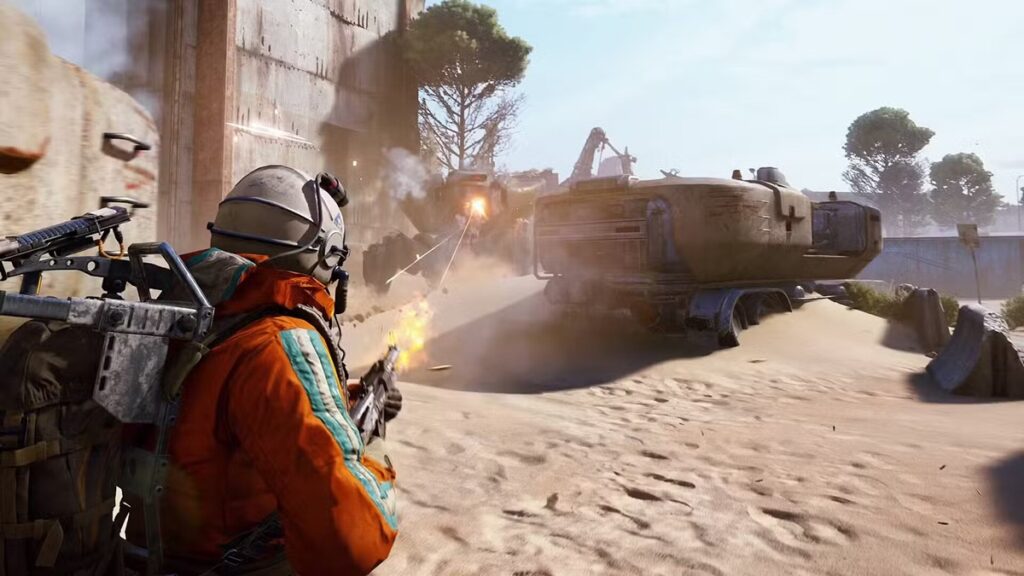
The success of this approach is visible in the data. While massive projects like Battlefield 6 saw their numbers plummet by eighty five percent in the months following release, ARC Raiders has held its ground. It suggests that a more curated, algorithmic approach to social friction is more effective than the “wild west” randomness that some hardcore players claim to want.
The friction of cross platform play
Even with these sophisticated layers, the system faces challenges. Balancing behavioral patterns across different hardware introduces a specific kind of lag in the logic. Players on consoles and PCs often have different baseline aggression levels simply because of the control schemes available to them.
There is also the issue of the low skill aggressive player. These users often find themselves in lobbies with calm, high skill veterans and feel the gap immediately. They assume the system has failed them, but in reality, their own behavioral markers have pushed them into a shark tank they aren’t prepared for. It is a self correcting system that sometimes corrects too hard.
The exact weight given to mixed playstyle groups remains the last great mystery. If two pacifists bring one aggressive hunter into their squad, the algorithm has to decide which signature takes priority. Embark has not revealed that specific part of the formula, and they likely never will. Keeping some of the logic obscured prevents players from gaming the system to get into easier lobbies.

Future stability and the ecosystem
The reception on the ground is split between those enjoying the newfound peace and those mourning the death of the “organic” interaction. On the official forums and subreddits, players are reporting radically different experiences. The “pacifist” lobbies have become a haven for solo players who can now spend forty hours in-game with only a single hostile player encounter. These users often trade blueprints freely and cooperate against the machines without the constant fear of a bullet to the back of the head.
However, a vocal contingent of the hardcore community feels the game has lost its soul. They argue that the beauty of the extraction genre lies in its unpredictability. By siloing the aggressive players together, the game creates “Hell Lobbies” where every interaction is a shoot-on-sight firefight, removing the tension of not knowing whether a stranger is a friend or a foe. Some players have even begun “aggression tanking”—deliberately dying without firing back for dozens of matches—just to manipulate the algorithm and return to the more relaxed environments.
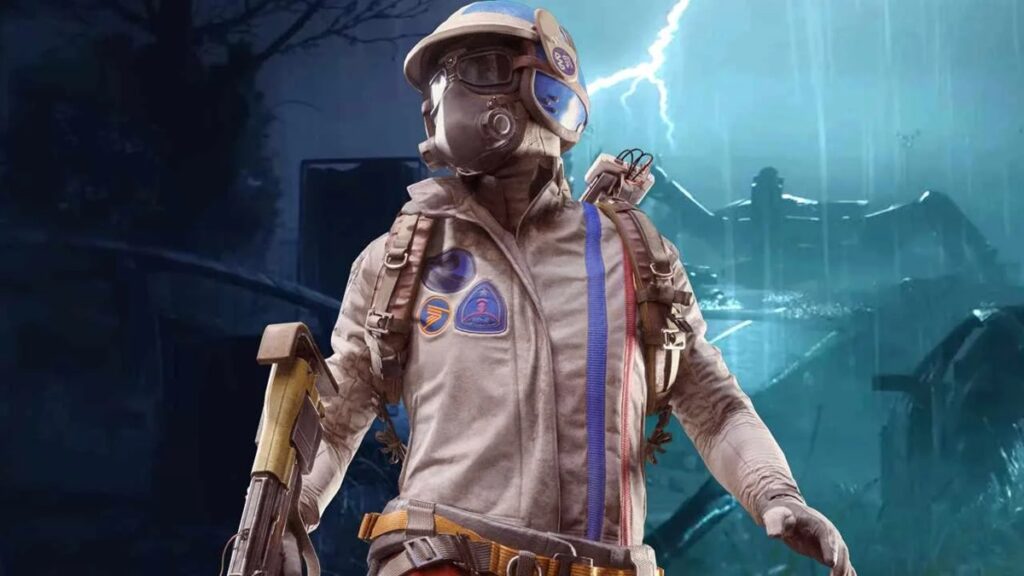
The long term health of the game depends on how this system evolves as the skill gap between the veterans and the newcomers grows wider. ARC Raiders has established itself as a dominant force by treating its matchmaking as a living experiment. It is not about forcing every match to be a tie, but about ensuring that the friction of the experience matches what the player is actually looking for.