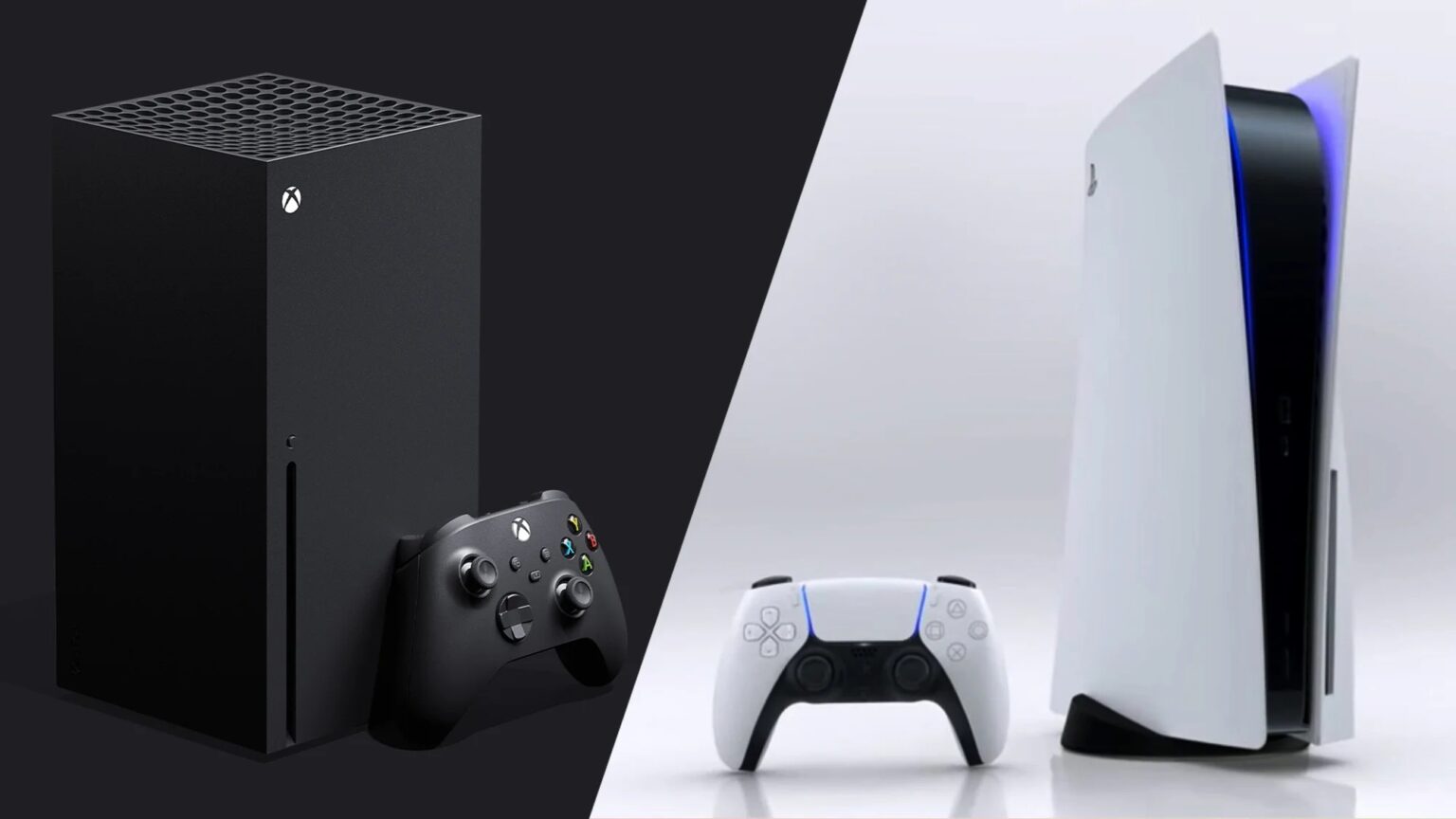
Let’s explore a detailed, objective case for why gaming consoles might stand as the ultimate devices for gaming, sidelining subjectivity to focus purely on design, performance, and user experience. This analysis will unpack the inherent strengths of consoles and contrast them with the broader capabilities of PCs, providing a thorough look at what each brings to the table.
Consoles are crafted with one clear goal | gaming. Every piece of hardware and every line of software is dedicated to delivering an exceptional gaming experience, unburdened by the need to multitask. PCs, on the other hand, are designed as versatile workhorses, juggling tasks like web browsing, video editing, and productivity alongside gaming. Think of it this way | an axe can theoretically shave a beard, cut meat, chop wood, or even hit a golf ball, but specialized tools—a razor, a knife, a golf club—do those jobs far more effectively. Devices built for a single purpose tend to excel at it, and consoles embody this principle. Their entire ecosystem is optimized for gaming, free from the trade-offs that dilute a PC’s focus.
This dedication to purpose delivers impressive value. Consider the PlayStation 5 as of April 2025—available for around $450 with international shipping. To build a PC that matches its performance—4K resolution, ray tracing, and smooth frame rates—requires a much steeper investment, likely $800 or more, factoring in a high-end GPU like an RTX 4080, a robust CPU, and other essentials. Consoles leverage their streamlined architecture and mass production to punch above their weight, offering graphical fidelity that rivals or exceeds PCs costing nearly twice as much.
Ease of use is another area where consoles dominate. The process is straightforward | unbox the device, plug it in, load a game (physical or digital), and start playing. There’s no need to wrestle with driver installations, adjust graphics settings, or troubleshoot obscure compatibility issues. PCs, even top-tier models, often introduce minor but nagging interruptions—gamepads that disconnect unexpectedly, prompts requiring mouse input, or crashes with cryptic error codes. These hiccups, while not game-breaking, chip away at the seamless enjoyment consoles provide. The console experience prioritizes simplicity and immersion over technical fiddling.
Optimization further bolsters the console advantage. Their closed systems allow developers to fine-tune games to the exact hardware specifications, maximizing efficiency and minimizing waste. PCs, with their endless variety of components, can stumble into odd pitfalls—like a memory leak in God of War (2018) slashing frame rates to a sluggish 2 or 3 FPS, even on a system with 32GB of RAM. Such quirks are virtually nonexistent on consoles, where the fixed platform ensures a reliable, predictable performance baseline.
Graphics and frame rates often fuel heated gaming debates, with PCs touting superior visuals and higher FPS ceilings. High-end PCs can indeed deliver 4K ultra settings and 120 FPS, outpacing console capabilities. However, the allure of cutting-edge graphics fades fast. After the initial wow factor—say, jumping from 1080p on a mid-range GPU to 4K ultra on a powerhouse—the focus shifts to gameplay and story. Current-gen consoles like the PS5 and Xbox Series X offer 4K at 60 FPS in performance modes for most titles, a sweet spot that satisfies most players. Yes, some games dip to lower resolutions—720p upscaled in Alan Wake 2 or Star Wars Jedi | Survivor—but this rarely spoils a stellar title. The Legend of Zelda | Breath of the Wild thrives on the Switch despite modest visuals, while a flop like Redfall proves 4K sheen can’t redeem a weak foundation.
Stability is where consoles truly pull ahead. PCs, even with elite hardware, often grapple with stutters—brief freezes that disrupt otherwise steady frame rates, such as a 60 FPS Elden Ring run at 4K halting every few minutes. These interruptions, driven by driver conflicts or background processes, can shatter immersion. Consoles, by contrast, offer a rock-solid experience. A 25-hour playthrough of Demon’s Souls on PS5 might feature zero stutters, freezes, or crashes—a level of polish tough to match on PC, where even a Ryzen 9 9800X3D and RTX 4090 can’t fully escape such flaws.
What about PCs’ heralded strengths—mods, piracy, and retro gaming? These warrant a closer look. Mods can enhance games, but only a small minority of players dive into them; for most, the core experience suffices without the need for extensive customization. Piracy offers cost savings, appealing when budgets are tight, but consoles counter with thriving secondhand markets—buying a bundle of games for $50, playing them, and reselling for $40 keeps costs manageable. With frequent sales dropping prices to $10 or less per title, a monthly budget of $60–$80 covers ample gaming for enthusiasts. Retro gaming, meanwhile, appeals to a niche crowd—most players stick to new releases or titles from the last decade, leaving classics like Diablo or Doom as brief nostalgic detours rather than mainstays.
The verdict becomes evident. PCs face challenges with inconsistent optimization and a lack of centralized oversight, unlike consoles, where platform holders like Sony and Microsoft enforce quality control. Graphics impress briefly but lose their luster, and frame rates beyond 60 FPS yield diminishing returns for single-player experiences. Consoles offer a distilled gaming package—settle into a couch, power up, and play without stutters, crashes, or configuration headaches. They’re not merely convenient; they’re purpose-built excellence for gamers who prioritize performance and ease over endless tweaking. Ultimately, consoles may well claim the title of gaming’s objective champions.