The star-piloting identity, known across the grid as Aeon Dogma, has executed a full hard-reset. After cycles spent charting the vast, yet sterile, procedural voids of Elite Dangerous, navigating the complex political spreadsheets of EVE Online, and conquering the menu-driven galaxies of Starfield, the veteran pilot has jumped into the deep end of the Verse.
The immediate finding? This is not just another space simulation. This is a full-spectrum synthetic reality that demands a total overhaul of the piloting dogma.
The Verse offers a new life, and it refuses to use the cheat codes the other simulations rely on.
The Wetware Transition | From Abstract Data to Physical Reality
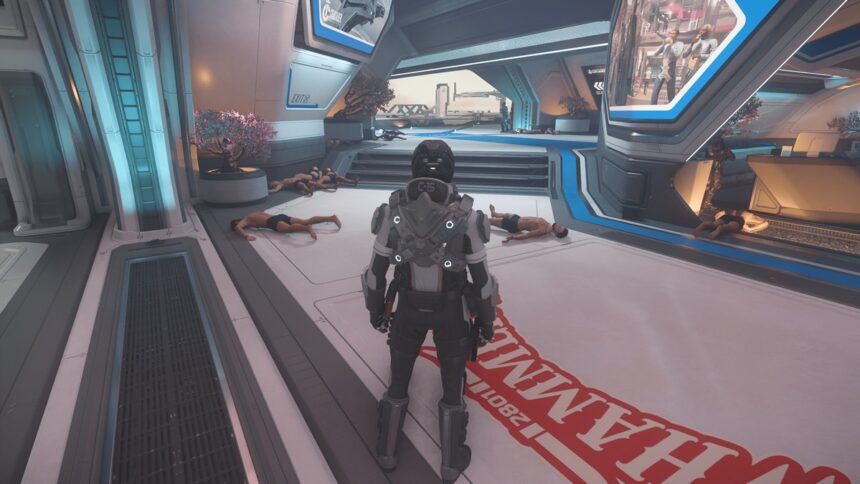
The immediate, staggering difference for any veteran of the void is the sheer, brutal physicality of Star Citizen. In the old simulation grid, life was abstracted | ship maintenance happened in a hangar menu; cargo loss was a statistical deviation; and character movement was often teleportation between static zones.
Shedding the EVE Shell
For a pilot transitioning from EVE Online, the first challenge is the loss of the spreadsheet as supreme weapon. EVE is a war game fought with numbers and doctrine; Star Citizen is fought with thrusters and personal wetware skill. The destruction of a ship in EVE is a financial ledger entry. The destruction of a ship in SC is the catastrophic loss of a tangible object the pilot spent twenty minutes walking through, customizing, and physically boarding. The emotional consequence is exponentially higher because the effort invested was not abstract, it was physical.
The Elite’s Deception
The veteran coming from Elite Dangerous finds the beautiful solitude replaced by complex anarchy. Elite prepared the pilot for the solitude of the cosmos, but simplified the flight model. In SC, the adherence to full Newtonian physics means that every maneuver is a calculated risk. The pilot must manage coupled and uncoupled flight, throttle control, and power distribution, often simultaneously under G-forces that make the screen blur. The difference between the flight models is the difference between a high-end racing game and learning to fly a real helicopter. The skill ceiling has been relocated to the exosphere.
The Glitch in the Familiar | Immersion as the New Dogma
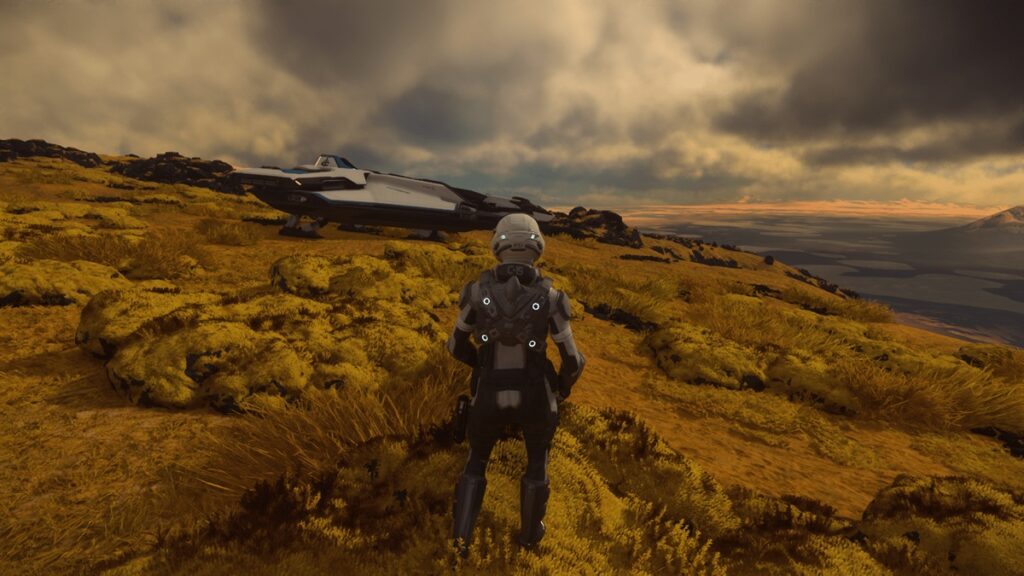
The most captivating, and often frustrating, impression is that everything must be interacted with. This is where Star Citizen separates itself entirely from Starfield and other RPGs where crucial interactions are handled via a pop-up menu:
- The Cockpit Ritual: There is no simple “start ship” button. The pilot must enter the ship, sit down, manually power up the systems, check shields, adjust power distribution, request hangar clearance via a dedicated communication channel, and carefully navigate elevators. The ritual is lengthy, but it transforms the act of flying into a true undertaking.
- The Physical Inventory: Buying a new piece of armor requires physically traveling to a store, browsing items on a rack, purchasing them via the mobiGlas interface, and then finding an inventory kiosk to manually equip the item. Dropping a medical supply to a friend is a physical action, not a trade window transfer.
This commitment to physical interaction—though often the source of bugs and lag—is the glue that holds the immersion together. The “Aeon Dogma” must shift from simply optimizing resource flow to executing every action with precision. Failure to properly store a helmet means sudden asphyxiation; forgetting to call ATC means the sudden presence of a very large security vessel.
The First Contract | Low-Tier Missions, High-Stakes Terror
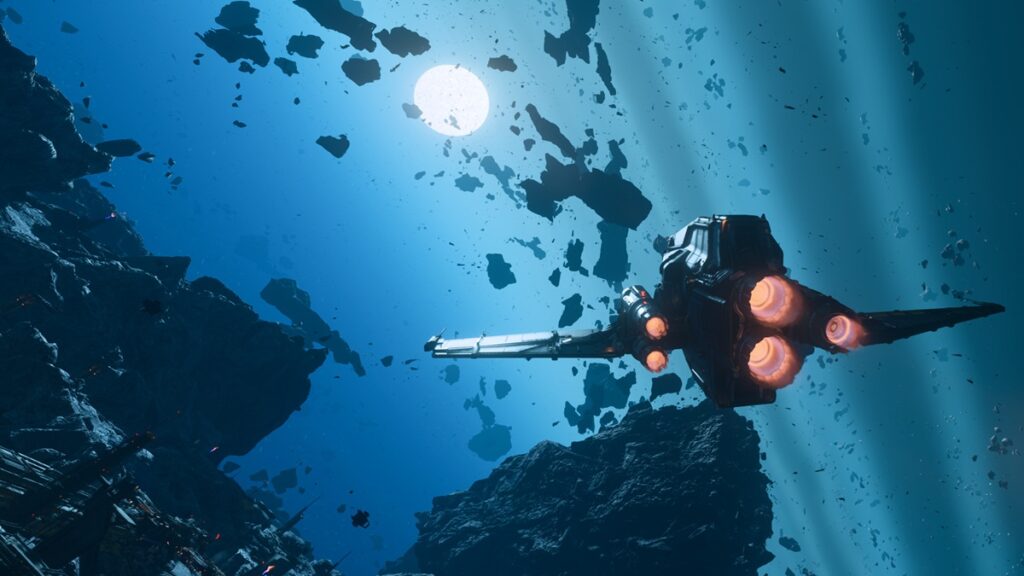
The pilot’s initial path inevitably involves the low-credit, high-risk courier missions. Compared to the automated, abstracted jump-and-deliver runs of other sims, the simple act of transporting a package in SC is an adventure.
The player is required to land, exit the ship, manually retrieve the box, traverse complex planetary terrain, navigate multi-story facilities via trains and elevators, and place the box in the destination terminal. The fear of losing the minimum payment is intense precisely because the physical exertion required to earn it was so demanding.
The veteran discovers quickly that Star Citizen’s true enemy is not always the pirate; it is the unexpected gravity well, the misplaced foot on an unseen ramp, or the server glitch that turns a simple cargo box into a floating death trap. This is the ultimate test for the experienced pilot | can they adapt their hard-won knowledge from the old grid to this unforgiving, physical new reality?
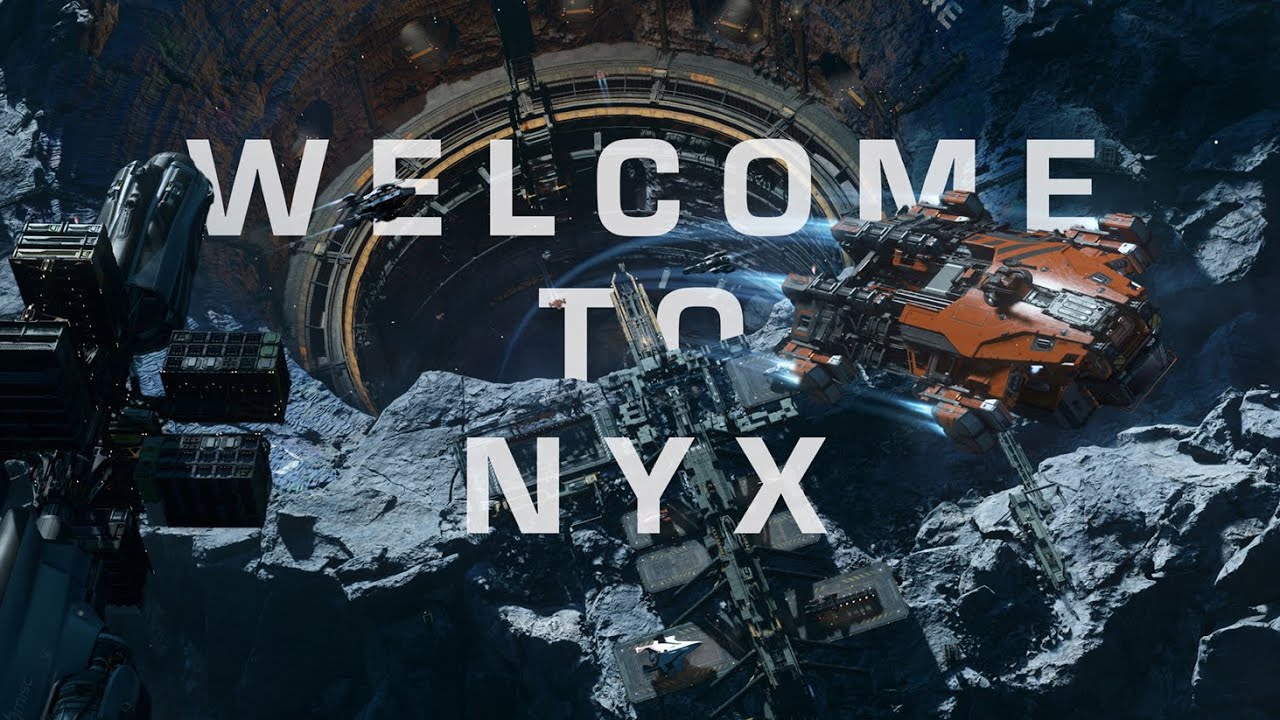
The consensus from this initial registration and first week long immersion is a resounding yes. The sheer potential, the uncompromising commitment to simulation, and the glorious visual fidelity have officially hooked the veteran. The process is painful, expensive, and often confusing, but the reward, the feeling of truly commanding a vessel in a universe that feels profoundly real, is the only dogma worth subscribing to.