AI Explorer, unrelated to File Explorer, is a novel feature in Windows 11 that utilizes NPU chips to record all your activities on your PC. This encompasses the applications you launch, the websites you browse, the emails you peruse, the documents you modify, and the PowerPoint presentations you craft. AI Explorer captures and stores this data locally, necessitating the use of robust PCs equipped with NPUs.
Test builds reveal that AI Explorer can comprehend the content on your screen, propose actions, and render all your activities searchable.
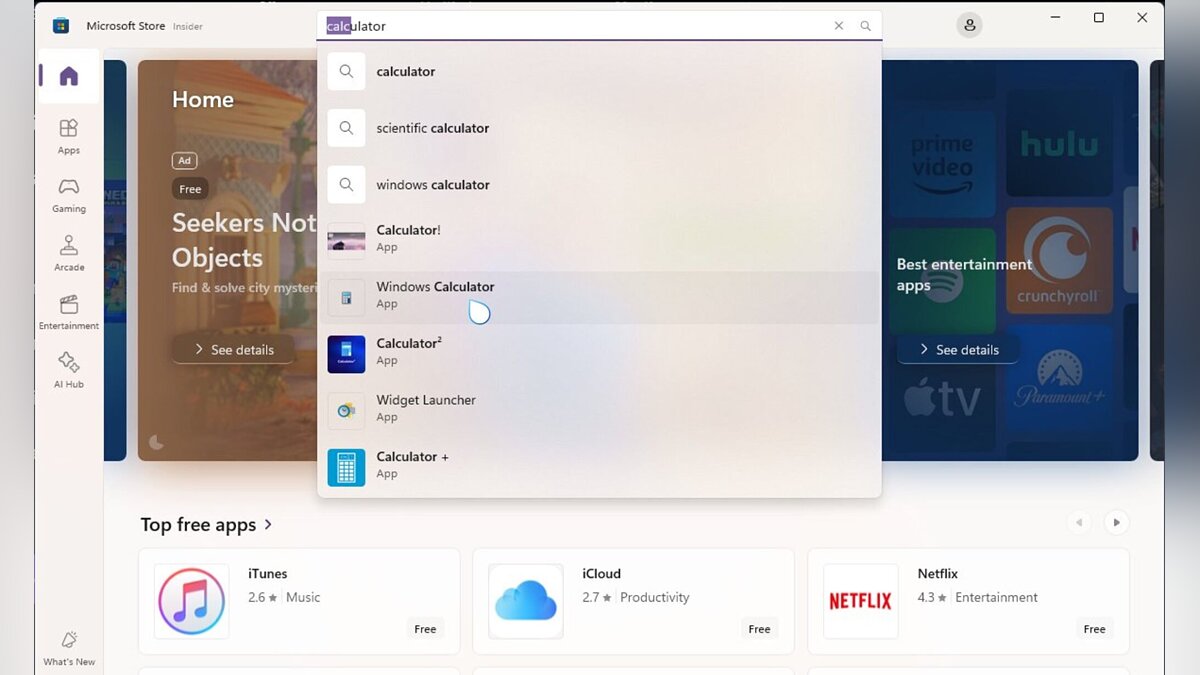
A new .dll file discovered by Albacore on Twitter suggests that Microsoft is developing several new cursors for AI Explorer. These cursors, found within the AI Explorer DLL files, might be prototypes for demonstration purposes, yet there’s also a possibility that they will become functional when interacting with the screen through AI Explorer.
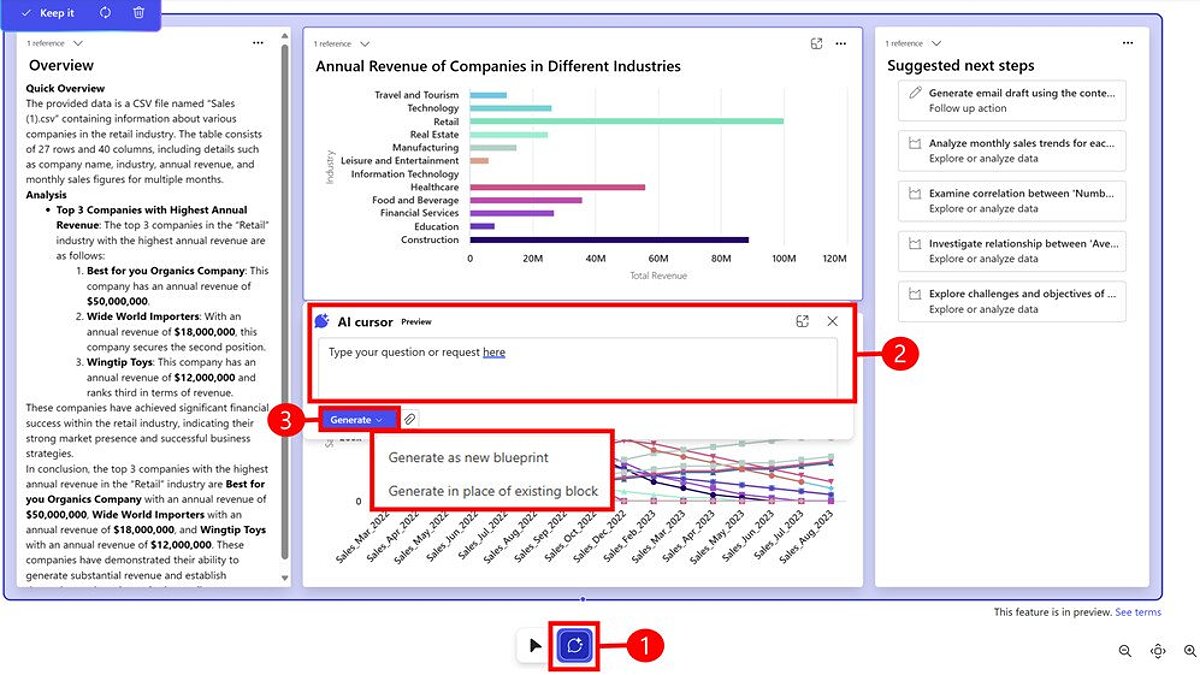
The concept of an AI cursor is not novel within the Microsoft environment. Windows Latest uncovered a document indicating that Microsoft’s Office project, codenamed Sophia, includes an AI cursor feature. This AI cursor facilitates the process of posing additional queries without inadvertently triggering other functions. For instance, within the Office Sophia AI project, pressing Alt + C activates the AI cursor, allowing users to highlight a screen area and pose questions.
The concept of AI Explorer could captivate users as it transforms all PC activities into a “searchable” experience. For instance, if you read a pizza recipe article weeks ago but forgot the source, AI Explorer can help retrieve those details. Additionally, AI Explorer will integrate with other Microsoft services, such as Teams, enabling you to revisit past content of interest.