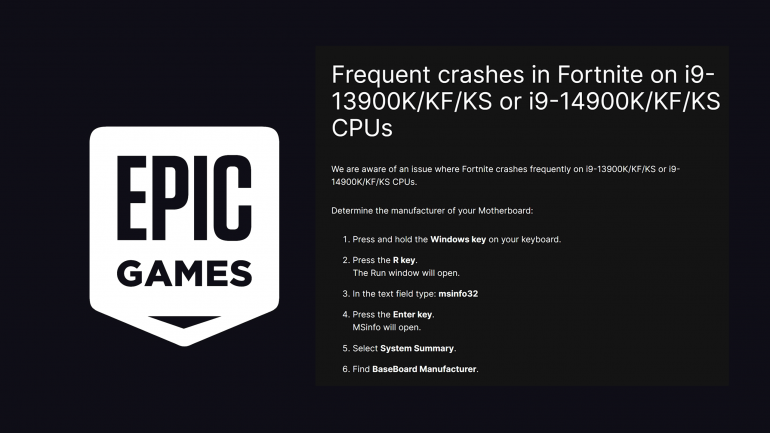
Over the last few months, Intel has faced challenges due to instability issues with its 13th and 14th generation Core processors. Initially, the company did not officially acknowledge these problems, but pressure from major European and Korean retailers forced them to address the issue.
The most evident impact of these processor defects has been the crashing of Unreal Engine applications. The PC version of Tekken 8 became the benchmark for identifying defective processors. Subsequently, issues arose with nearly all major projects from the past two years, including The Finals, Remnant II, Lords of the Fallen, Palworld, and even Overwatch 2 and Battlefield 2042.
Main Processors Affected
- Core i9-14900KF
- Core i9-14900KS
- Core i9-14900K
- Core i7-14700KF
- Core i7-14700K
- Core i9-13900KF
- Core i9-13900KS
- Core i9-13900K
In response to the criticism, Intel has announced that the issues were due to the improper functioning of the eTVB microcode algorithm. It is alleged that when the processor’s temperature rises, incorrect frequency and voltage settings are applied, resulting in random application crashes.
Hardware suppliers were advised to install a patch and report to the public, while Intel, maintaining its stance, largely denied RMA requests, attributing the fault to motherboard manufacturers—a strategy divergent from AMD’s approach. However, this triumph was short-lived as the patch proved ineffective, and the issues persisted.
Prominent tech bloggers and video game publishers have criticized Intel. For instance, Digital Extremes presented crash statistics, while Epic and Alderon Games alerted players to potential failures. Influential figures like Gamers Nexus and Level1Techs, along with independent researchers, have also weighed in on the matter.

Experts have confirmed the ineffectiveness of the patches and suggested that production defects are responsible. Additionally, the initial incorrect arrangement of processor elements likely contributed to heightened vulnerability at elevated temperatures.
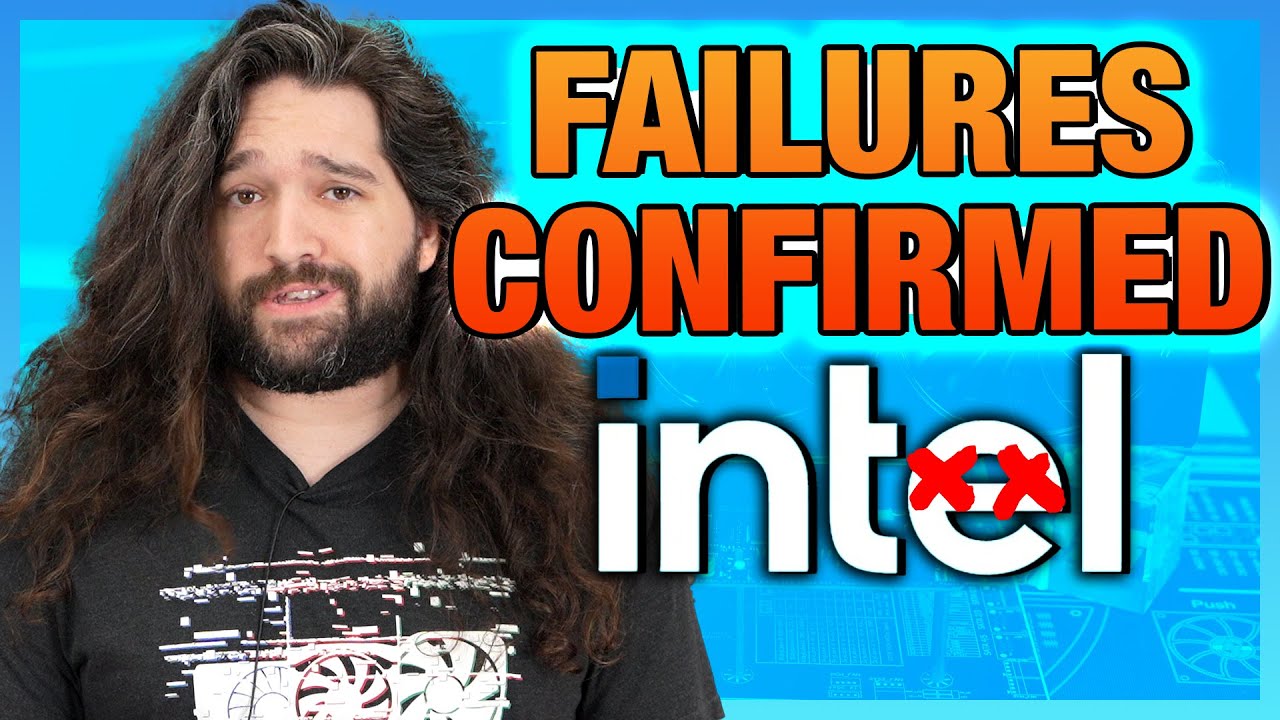
Intel intends to release another update by the end of August, marking the third update amid the ongoing scandal. The company acknowledges that not all processors can be fixed. However, it recognizes the complexity of the issue | processor damage can result from increased voltage, production defects, and various other factors.
Users are advised to update their BIOS and contact Intel’s technical support. Motherboard manufacturers are cognizant of the issue and are addressing it using standard methods, including tools that decelerate the processor.
Will Intel recall the defective products? No.
Will Intel halt CPU sales? No.
Will Intel notify owners of defective processors? No.