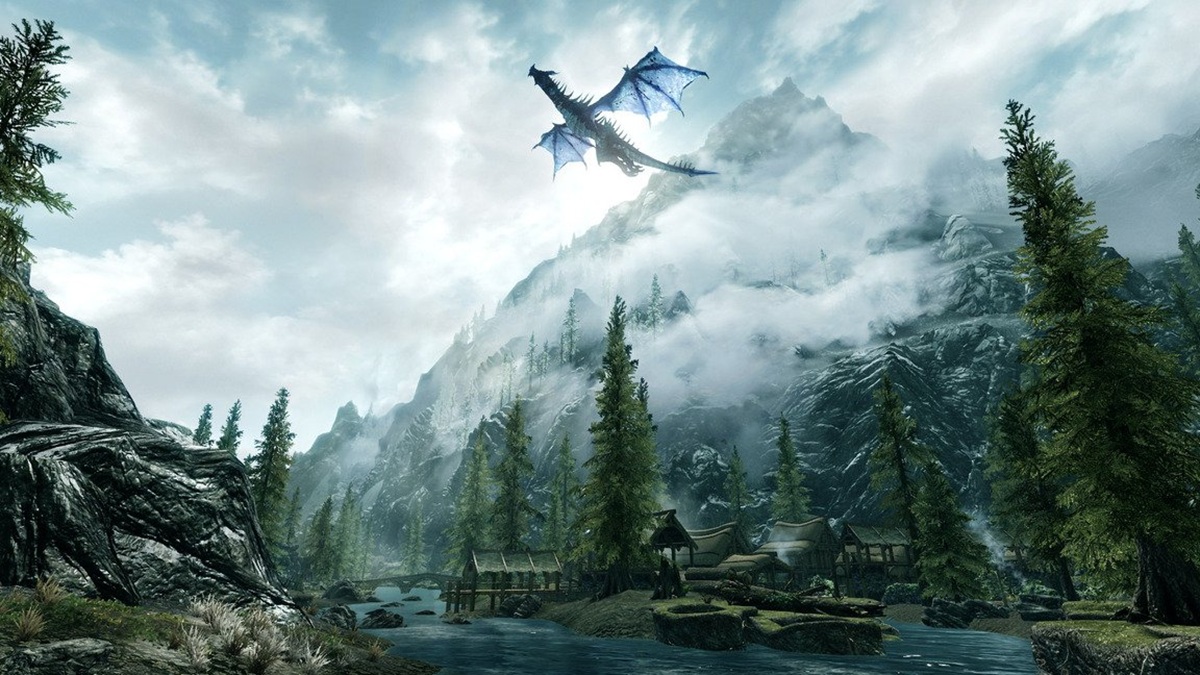
The digital wardrobe is overflowing with titles, season passes, and early access icons, yet the common modern complaint remains exactly the same. There is nothing to play. We stare at libraries containing hundreds of high-fidelity experiences only to realize that most of them feel like secondary echoes of something else. This specific paralysis usually leads to a very predictable outcome. We stop searching, close the new releases tab, and go back to the familiar, biting cold of the Skyrim tundra.
If the thought of returning to a small shack in Whiterun to watch Lydia move furniture while you eat mammoth cheese brings a genuine smile to your face, you are likely carrying a case of Skyrim Syndrome. It is a peculiar state of mind that has turned a 2011 release into a permanent cultural fixture that refuses to be replaced. Even in 2026, with hardware capable of near-photorealistic simulation, the clunky, decade-old logic of The Elder Scrolls V remains a primary sanctuary for millions.
The economics of the eternal re-release
The jokes regarding Todd Howard and his relentless drive to sell the same game every three years have become part of the industry’s folklore. We laugh at the memes, but the data shows that we keep hitting the buy button. From the original high-resolution texture packs to the legendary edition and the eventual jump to virtual reality, the cycle of acquisition has never really broken.
When the anniversary edition arrived, it felt like a foregone conclusion. People complained about the delay of the next chapter in the series while simultaneously loading up five hundred new Creation Club items. There is a specific genius in how Bethesda has managed to keep millions of players hooked on an engine that should have been retired a decade ago. The secret isn’t just greed. It is the realization that they created a sandbox so flexible that the community can essentially keep it modern on their own.

Todd Howard is often mocked as a salesman, but his real achievement was creating a “forever game” before the industry even had a name for the concept. Most live-service games try to force engagement through daily chores and battle passes. Skyrim achieves it through pure, static reliability. You know exactly what that world feels like. You know the smell of the pine and the sound of the wind near High Hrothgar. That familiarity is a powerful commodity in an era of disposable entertainment.
Immersive escapism as a therapeutic tool
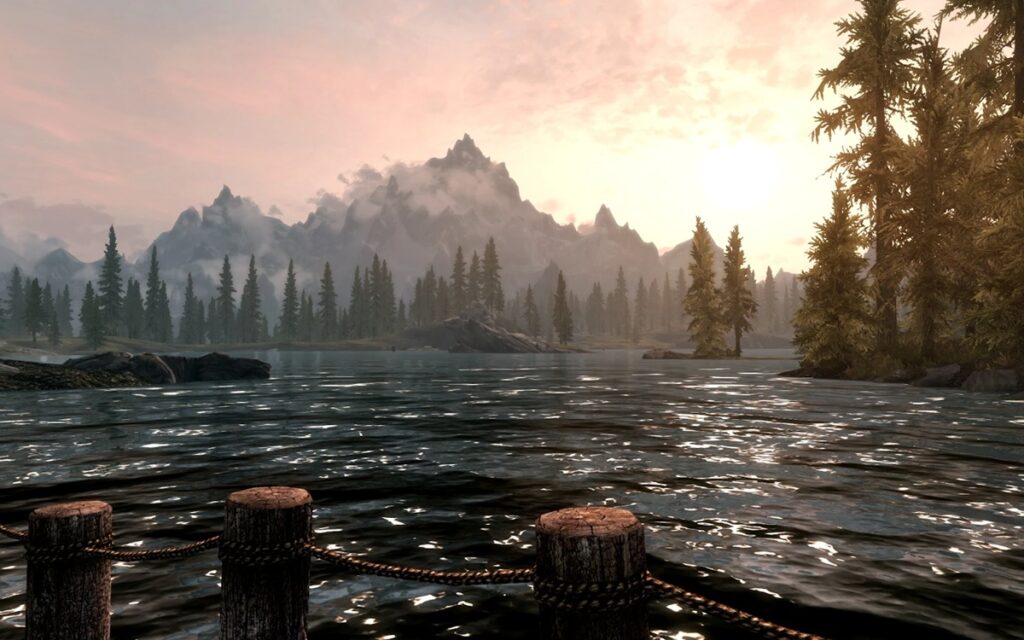
Beyond the memes and the marketing, there is a legitimate psychological pull to this specific corner of the digital world. Skyrim has moved past being a simple entertainment product and transitioned into a social phenomenon. Science points toward a concept called immersive escapism, which is the ability to fall completely into a fictional space to regulate stress and mental well-being.
The main plot is objectively basic. You are a nameless prisoner who becomes a chosen savior. It is the most standard template in the history of the genre. However, the value isn’t in the destiny, but in the lack of it. After the initial escape from Helgen, the game stops demanding your attention. You can walk in the opposite direction of the quest markers and find a completely different life. This lack of pressure is the antidote to the “Skinner box” design of modern gaming.
The discovery of the hidden path
There are dozens of missions tucked away in corners of the map that never appear in a quest log until you stumble over them. Wandering into an obscure mound might trigger a multi-stage story that feels more personal than the fate of the world. This lack of hand-holding stimulates internal motivation. It makes the journey feel earned rather than programmed.

The game encourages you to value the act of walking through the woods more than the act of reaching the destination. This is a rare philosophy in an industry obsessed with constant navigation markers and fast-travel incentives. When you find a quest like “Coming of Age” simply by wandering into the Iron Mound, the reward isn’t the loot at the end. It is the feeling that you found something the world wasn’t trying to show you.
Level design as a sensory detox
The aesthetic of the North serves as a form of digital relaxation. The different biomes, from the rainy swamps of Morthal to the golden autumn of Riften, provide a variety of atmospheric frequencies. For many players, Skyrim is less of an RPG and more of a walking simulator used for mental resets.
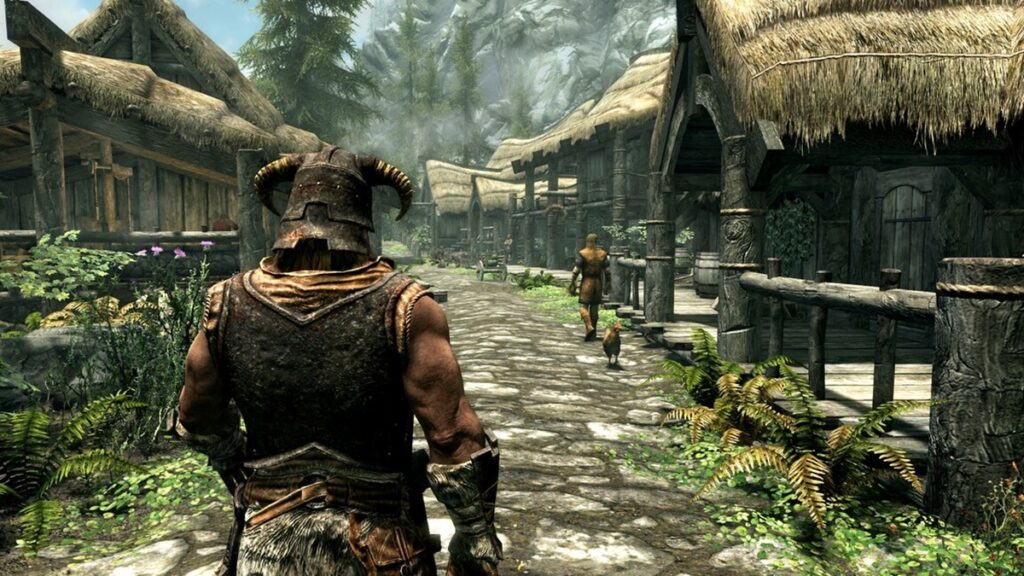
The skybox alone takes up a massive portion of the screen, designed with thick clouds and northern lights that demand you stop and look up. When you pair this visual depth with the score by Jeremy Soule, the result is a full sensory detox. It is much easier to sit on a virtual stump and watch a digital moon rise than it is to find a moment of peace in the physical world. This is why people play Skyrim for fifteen minutes before bed. They aren’t trying to kill a dragon. They are trying to lower their heart rate.
The shadow of the duckling syndrome
While the healing effects are real, the syndrome has a darker side. Because Skyrim was the first deep RPG experience for an entire generation, it has created a specific cognitive bias. In psychology, the “duckling syndrome” describes a state where the first thing a person experiences becomes the only “true” version of that reality.
For many, Skyrim is the mother duck. Every game that comes after it is judged by its standards, leading to a passive-aggressive rejection of new ideas. This nostalgia can turn a fan into a gatekeeper who views any deviation from the Skyrim formula as a failure.

The “Old Guard” of the community often complains that the series has been dumbed down since the days of Morrowind. They point to the simplified skill trees and the removal of complex spell-making. Meanwhile, the Skyrim generation finds older titles unplayable due to their lack of “physicality” and clunky combat. Both sides are trapped in their own version of the syndrome, unable to see the merits of a different design philosophy.
Finding the balance between nostalgia and growth
Skyrim Syndrome is both a disease and a panacea. It offers a reliable sanctuary when the modern industry feels too demanding or too hollow. It is a seasonal state of mind, much like wanting to watch specific films during the winter. There is nothing wrong with retreating to the mountains of the North to clear your head.
The danger only arrives when the comfort of the past prevents you from seeing the potential of the future. We often use nostalgia as a shield against the effort required to learn something new. By constantly returning to the same province, we risk missing out on the next great evolution of the genre.
The game is an immortal classic for a reason, but it shouldn’t be the only world we are willing to inhabit. We can appreciate the House of Warm Winds without closing the door on everything else the grid has to offer. Skyrim isn’t just a game anymore. It is a place. And like any place, it’s a great place to visit, but you might not want to live there forever.