The digital landscape is currently vibrating with the release of the first trailer for Sword and Fairy 4 | Remake. This project, handled by UP Software and published by CubeGame, aims to breathe new life into a 2007 classic by migrating it into the high fidelity realm of Unreal Engine 5. While the visual upgrade is undeniable, the conversation surrounding the reveal has taken a sharp turn toward the controversial.
Almost immediately after the footage hit the grid, the community began spotting some familiar patterns. Specifically, the game looks remarkably similar to the upcoming Clair Obscur | Expedition 33.
Netizens are already slapping the remake with nicknames like Expedition 44 or the Chinese Expedition. The accusation is clear. Many believe the developers leaned too heavily on the aesthetic and mechanical innovations introduced by Sandfall Interactive. This isn’t about simple inspiration. We are talking about deep similarities in the user interface, the turn based combat timing, and even specific camera angles used during cinematic transitions.
The Technical Leap and the Ghost of 2007
The original Sword and Fairy 4 was a landmark title in Chinese RPG history. Back in 2007, it captured the hearts of fans with the story of Tianhe Yun and his quest for immortality. It was a game defined by its period appropriate graphics and traditional turn based systems. Fast forward to 2026, and the leap to Unreal Engine 5 has changed the fundamental DNA of the presentation.


The new trailer showcases a world that is dense with environmental detail and sophisticated lighting. However, the move to a more modern, reactive combat system has raised eyebrows. Longtime fans noted that the original game lacked a parry mechanic. The remake seems to have integrated one that looks suspiciously like the active defense system seen in recent high profile western RPGs. This shift has led to the current plagiarism allegations, as observers question whether the team at UP Software found their own voice or simply sampled the hottest track on the market.
UI Synchronization and Mechanical Mimicry
The most damning evidence cited by the community is the interface. Modern RPGs have moved away from cluttered menus in favor of minimalist, stylish overlays that react to player input in real time. The Sword and Fairy 4 Remake trailer displays a combat HUD that mirrors the layout and aesthetic of Expedition 33 with startling accuracy. The way the turn order is displayed and how the icons pulse during an action feels like a direct download from Sandfall’s playbook.
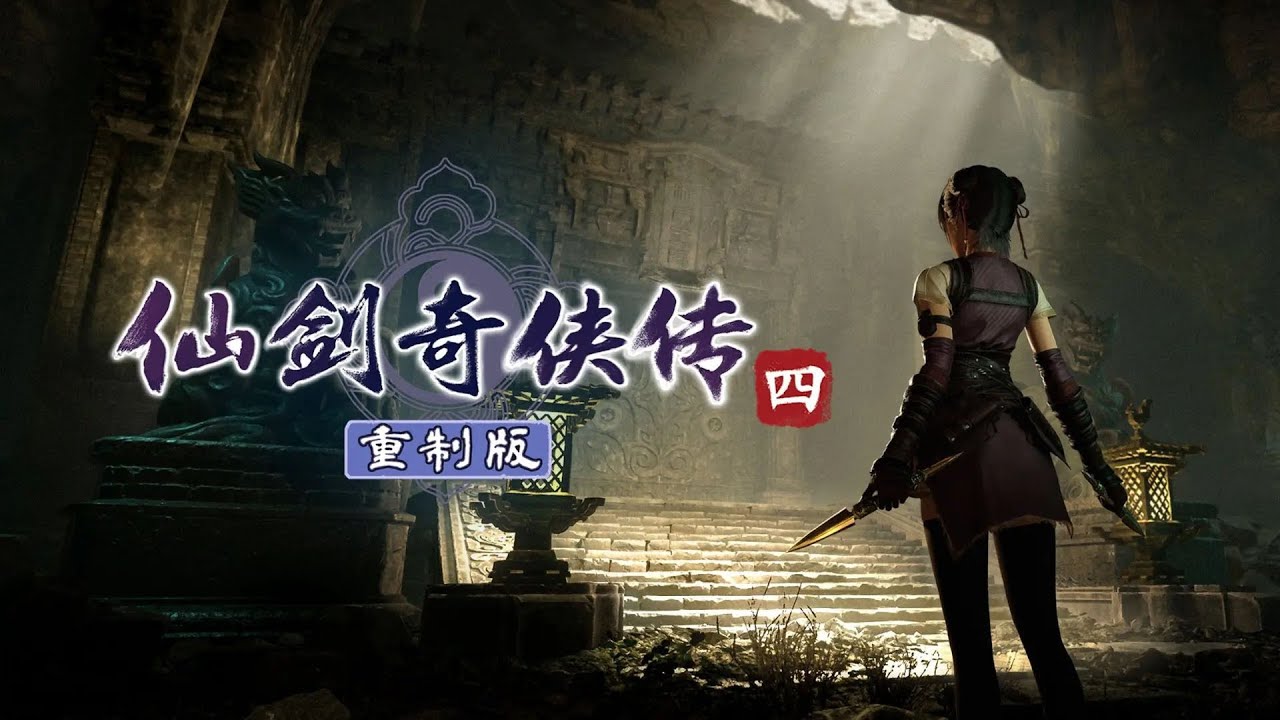
Camera work during special attacks also follows the same cinematic logic. We see tight, dynamic angles that track the motion of the blade before pulling back for a wide view of the explosion. While these are common tropes in modern gaming, the specific timing and framing have triggered a sense of déjà vu for anyone who has been tracking the RPG meta over the last year.
The Evolution of the Expedition Like Genre
Whenever a game introduces a successful new formula, a swarm of followers inevitably appears. We saw it with the rise of the Soulslike genre, where every developer tried to capture the punishing difficulty and cryptic storytelling of the FromSoftware titles. Some gamers argue that we are witnessing the birth of the Expedition-like subgenre. If Sandfall Interactive set a new bar for how turn based combat should feel in the 2020s, then other studios are bound to follow suit.
Other voices in the community suggest that this criticism is unfair. They point out that even Clair Obscur | Expedition 33 draws heavy inspiration from titans like Persona and Final Fantasy. In their view, the gaming industry is a giant feedback loop where everyone is iterating on the same core ideas. To call it plagiarism is to ignore the way art has always functioned in the digital age. A parry system is a tool, and a minimalist UI is a trend. Neither is a patent on creativity.
A Legacy Spanning Decades
To understand why this controversy carries so much weight, you have to look at the history of the Sword and Fairy series. Since its debut in 1995, it has been a cornerstone of the Chinese RPG scene. The series has gone through multiple iterations, with Sword and Fairy 7 most recently proving that the franchise can handle modern hardware.
The 2007 original was often compared to Suikoden because of its character focus and world building. Seeing the remake pivot toward a style that looks like a high tech western production is a culture shock for the old guard. They remember a time when the series had a distinct visual language. Now, it seems to be blending into the global AAA aesthetic, which is both a sign of progress and a loss of identity.
Looking Ahead to the Release
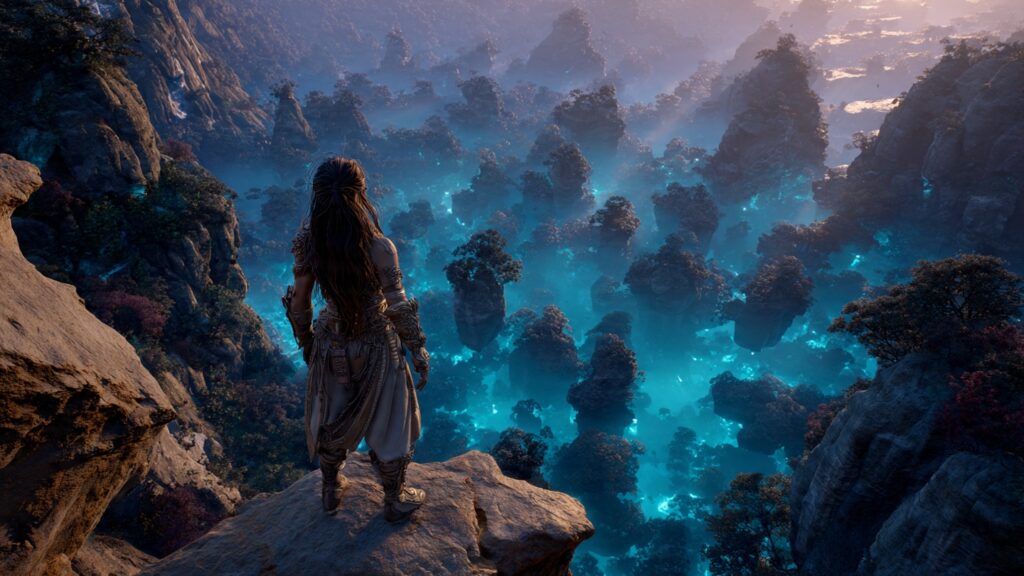
CubeGame has confirmed that the Sword and Fairy 4 Remake will be coming to PC and consoles, though a specific launch date remains hidden in the fog. The lack of a clear timeline only fuels the speculation. Some hope that the feedback from this trailer will lead the developers to tweak the UI and give the game a more unique personality before it hits the storefronts.
Regardless of the drama, the potential of a fully realized Chinese mythos rendered in Unreal Engine 5 is enough to keep the hype train moving. If the team can prove that the substance of the game is more than just a surface level imitation, they might still win over the skeptics. For now, the internet remains a battlefield of comparisons and screenshots, waiting to see if this remake can truly stand on its own two feet or if it will forever be known as the clone that stepped into a different river.