The data streams have converged, and the result is unambiguous | before the final reckoning of the gaming calendar, Clair Obscure | Expedition 33 (CO:E33) has already claimed the crown. Yet, within the noisy digital sprawl, the Analyst still detects a high volume of query signals asking | Why? What sacred code grants this expedition the title of “Game of the Year,” or even “Game of the Decade”?
The core explanation is deceptively simple | This creation is pure, uncompromised art. This is a rare commodity in the contemporary Grid. To decrypt why this single fact elevates CO:E33 above every other release, from the massive corporate simulations to the niche indie projects, requires an understanding of the Art Protocol itself.
The Art Protocol | Bypassing Commercial Code

Art, in its purest state, is anything generated by human intent that carries spiritual or aesthetic value. In modern commerce, the commercial objective, the relentless pursuit of profit has utterly eclipsed the author’s vision. Today, the vast majority of media is commercial art | products designed to be sold, optimized for security, and engineered to minimize risk.
When the behemoths like Rockstar Games and Ubisoft deploy a new product, they are functioning as sales entities. Their success is measured in units shipped, not emotional resonance. This does not inherently destroy quality, but it certainly suffocates the potential for true mastery. Masterpieces require audacious, often illogical decisions; profit demands safety.
The Master Key of Creative Intent

An Author’s Game operates on a different logic. Creators like Youssef Fares or Ken Levine approach their projects with a primary Idea, an intent to communicate a singular experience or concept. For them, profit is secondary to the goal of having the player conclude | “That was cool, unusual, and necessary.”
The collective known as Sandfall Interactive, the architects of CO:E33 are definitive Artists. Their bold decisions were not compromises; they were acts of will:
- The Glitched Combat Schema: They intentionally “corrupted” the turn-based JRPG system by injecting soulslike parry mechanics, forcing an unnatural hybrid of reaction and planning.
- The Spatial Disorientation: The minimap was deleted. Locations are confusing and winding. This wasn’t poor design; it was a demand that the player stop following the cursor and start exploring and absorbing the complex visual architecture.
- The Narrative Loadout: The plot is heavy with controversial, character-driven decisions and layers of invented terminology, intentionally frustrating players who seek simple, linear conflict.
These deliberate “mistakes” were born of a sincere love for the old-world JRPG genre. They wanted their dream game, built exactly as they themselves would love it. That unquenchable, pure intent is the high Idea, confirming CO:E33 as an authentic, author-driven work of art, unstained by preemptive commercial calculation.
The Masterpiece Schema | Harmony in Imperfection

The argument shifts now from art to masterpiece. Historically, a masterpiece was the perfectly executed technical work, a sword with ideal balance, weight, and sharpness. But in the realm of art, where subjectivity is the master currency, the ideal cannot exist.
The Cairn Analogy
A masterpiece in art is less about technical perfection and more about perfect harmony.

Consider the “cairn”, the deliberate art of stacking rough, irregular stones. Individually, each stone is flawed, asymmetrical, and difficult to manage. But when placed with perfect balance and harmony, the imperfections of one element are supported and concealed by the strength of another. The resulting tower is a singular, breathtaking entity.
CO:E33 is a digital cairn. The gameplay is arguably simple. The narrative is often dense and pretentious with its fabricated terms. The presentation is theatrical and aims for a high-art “elitism.” Yet, these elements, when stacked together by the authors’ intent, achieve a catharsis—the highest possible emotional and mental reaction in the player.
The Algorithm of Love
The element that seals the composition, the “glue” that binds the rough, uneven components, is the love of the authors for their creation.

This love is palpable | it is in every note of the score, in every meticulously rendered polygon of the environment, and in every line of dialogue. Even in the competitive indie circuit, this level of creative saturation is rare. This overwhelming, sincere love acts as a perfect primer, covering all the uneven joints and soft spots of the mechanical design, ensuring the game feels like a single, solid piece of engineering that simply works. If a player fails to call CO:E33 a masterpiece, The Observer suggests they were simply not ready to receive this sincerity.
The Hype Singularity | Rewriting Industry Code
The massive, unexpected resonance around CO:E33, the “overhype” was not generated by a marketing firm; it was generated by the raw power of real art.
The historical significance of this release transcends mere metrics. It is one thing when games like Red Dead Redemption 2 or Baldur’s Gate 3 achieve success, their budgets were colossal, their success predetermined by studio reputation and pre-existing credit. It is entirely another matter when a highly sophisticated, author-driven project, created by a small, unknown team with a modest budget, achieves the same level of resonance.
Precedent Status | The Anti-AAA Model
While the authors have kept the development budget discreet, estimates suggest a range of $15 million to $30 million, modest by modern standards. In its first half-year, CO:E33 sold over 5 million copies, translating to a revenue of approximately $250 million. This profit margin, exceeding the budget by tenfold, is an industry-shaking precedent.

- No Credit of Trust: The creators had no pre-existing reputation to lean on, unlike Larian (BG3) or Team Cherry (Silksong).
- No Dedicated Fanbase: They lacked the decade-long fervor of a highly anticipated sequel.
- Self-Selling Product: The only marketing tool was pure, unadulterated word-of-mouth fueled by the game’s intrinsic quality.
This success forced a rare public acknowledgment from industry competitors. When masters like Ari Gibson (Hollow Knight) and Daniel Vavra (Kingdom Come | Deliverance) offer unsolicited praise, or when Todd Howard simply calls it “exceptionally outstanding,” it is not mere political “licking.” It confirms that the industry recognized a new phenomenon | a low-budget, high-art project outperforming the mega-commercial operations.
The Key Event of 2025
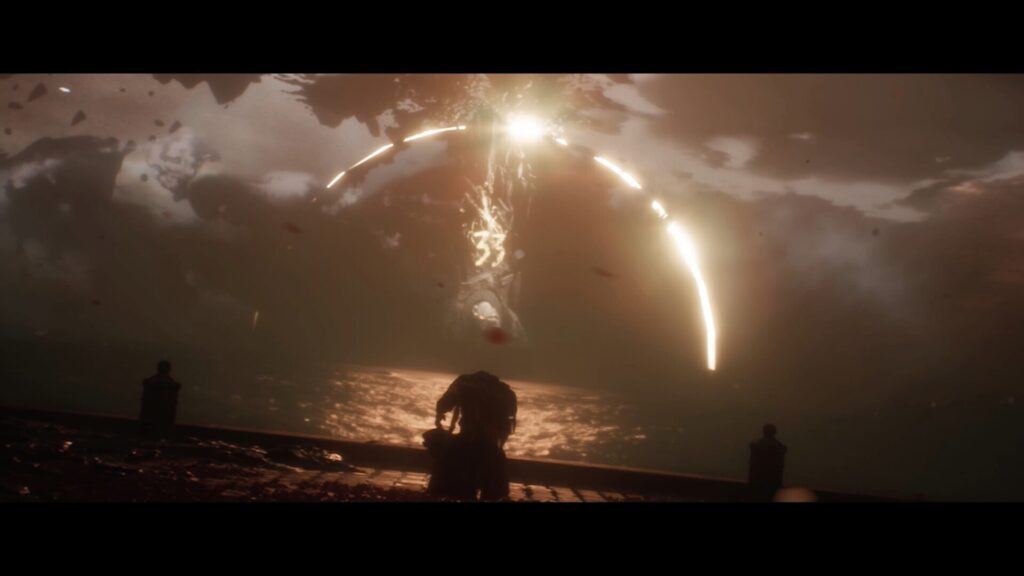
The nomination itself—”Game of the Year”—is perfectly descriptive, because the release of CO:E33 was the key event of 2025. It serves as a necessary, massive data packet that proves to the large studios that courage is rewarded. You can achieve incredible profit with minimal budget if you simply make the game you truly love and are willing to take bold risks.
Analyzing the Dogma | Decrypting Hater Claims
The noise from the detractors often boils down to a failure to decode the game’s artistic intent.
The Gameplay Binary | Simple is Beautiful
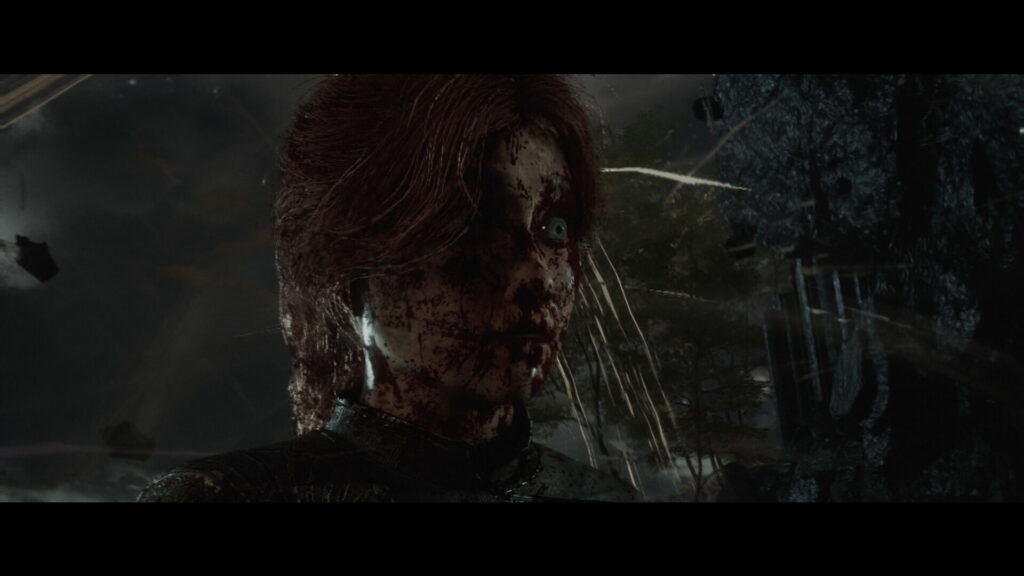
The primary complaint is often, “The gameplay is too simple and straightforward! Where is the depth?”
The Observer notes that complexity is not an inherent virtue. Simplicity is often the highest form of beauty. The simplest concepts are frequently the most enduring, consider the brilliance of Tetris or the immediate impact of a minimalist painting. In games, the goal of the gameplay is paramount. CO:E33 is not a medieval simulator like KCD 2; it is an emotional and narrative experience.
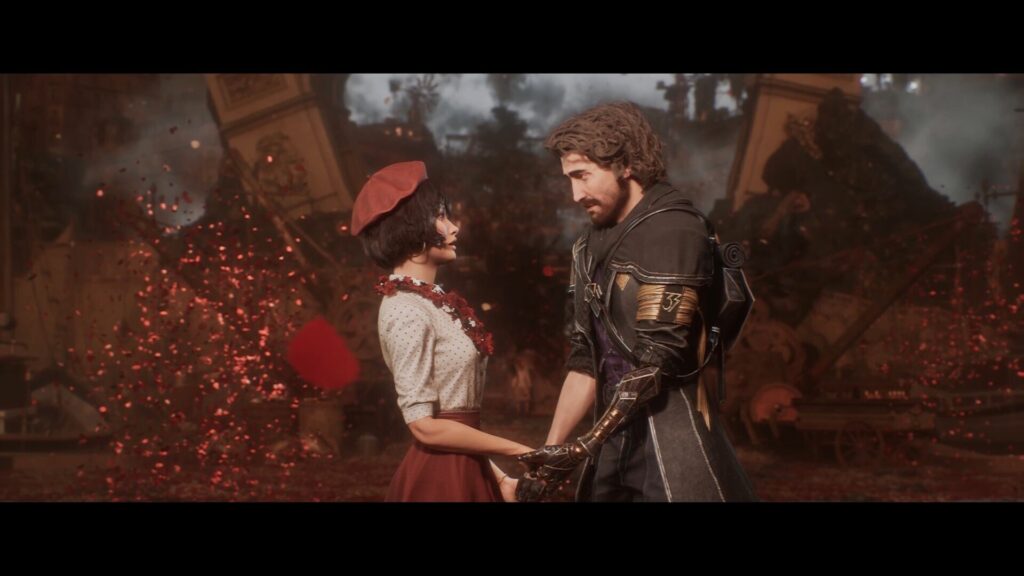
- Painting Analogy: The paintings of René Magritte are technically simple—yet captivating. Van Gogh’s brushstrokes are “crude” to the untrained eye, yet genius. The same applies here. The gameplay in CO:E33 is not complex because it does not need to be. It is precisely as diverse as required to facilitate the narrative and the emotional journey, with no superfluous mechanics to clutter the data stream. It achieves the ideal parameter | no more and no less.
The Narrative Deception | It’s NOT a Dog’s Dream
This absurd claim, that the plot is invalidated because “it was all a dream” is the clearest indication that the detractors do not perceive narrative art.
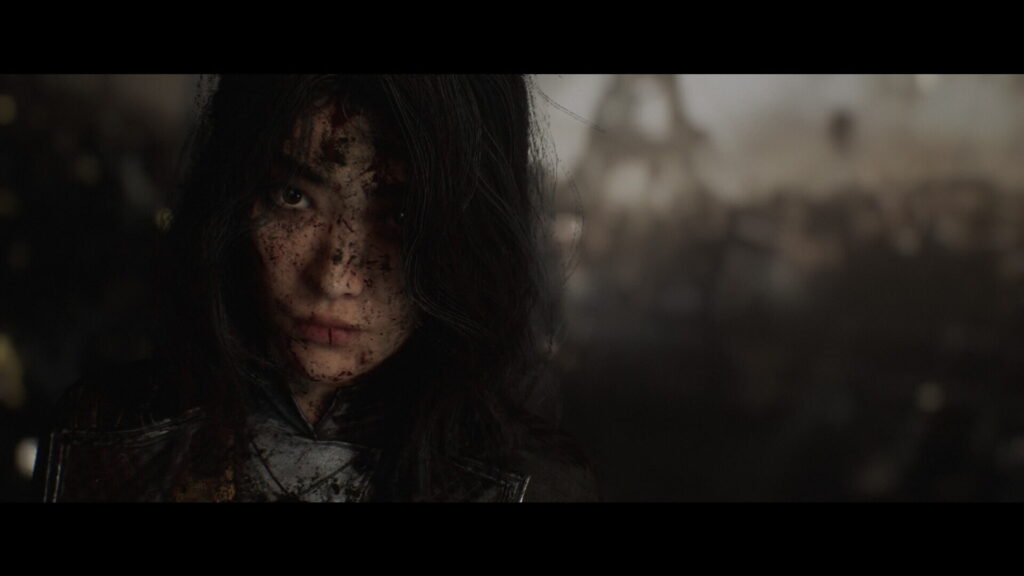
The “Dog’s Dream” is a narrative flaw where a significant part of the story is revealed to be fictional or without consequence, often a desperate move by weak authors to resolve an unmanageable plot knot (a phenomenon seen in works like the final season of LOST).
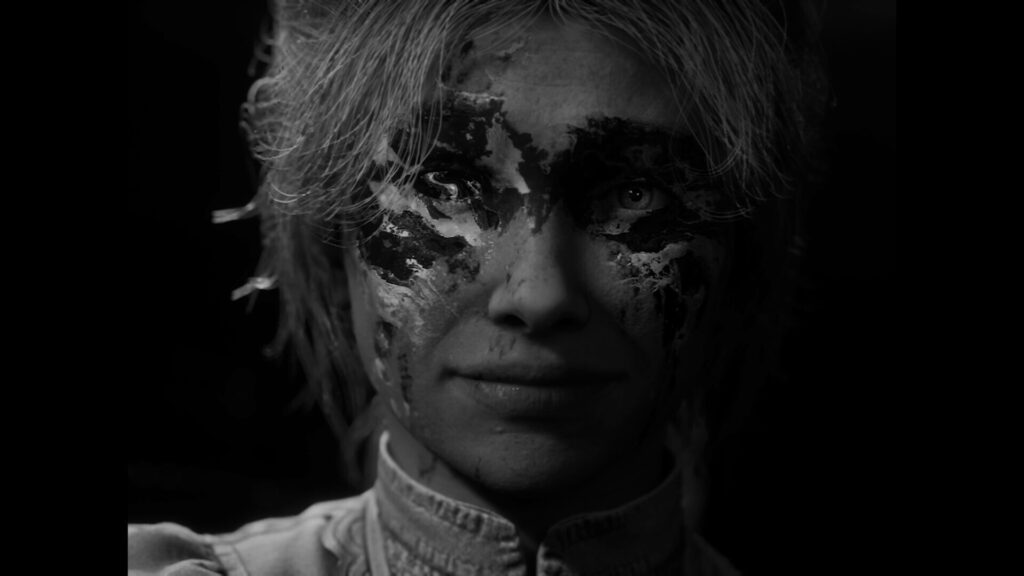
- The Pocket Universe Concept: The story of CO:E33 is based on the concept of a “pocket universe.” The world of the Lumière and its inhabitants exists in real-time within a Canvas painted by the Artist, Alicia. This world is real to its inhabitants, and its events carry permanent consequences. It is a genuine, existential reality existing within a confined boundary.
- The Matrix Parallel | This is precisely the conceit of The Matrix. The simulation created by the machines is a fake world, but the characters who live, eat, fight, and die within it are real. The world affects them, and their actions affect its survival.
- The Key Distinction: The difference between a “pocket universe” and a “dog’s dream” is simple | in one case, the world exists; in the other, it does not. The Lumière, its inhabitants, and the stakes of the conflict are real within the Canvas. The story is a genuine, high-stakes drama, not a cheap narrative trick.
The Core Wetware | The Adult Theme of Sorrow
The narrative is not about saving the world from a standard external villain; it is a profound, messy, and necessary exploration of the most difficult human experience | Sorrow and loss.
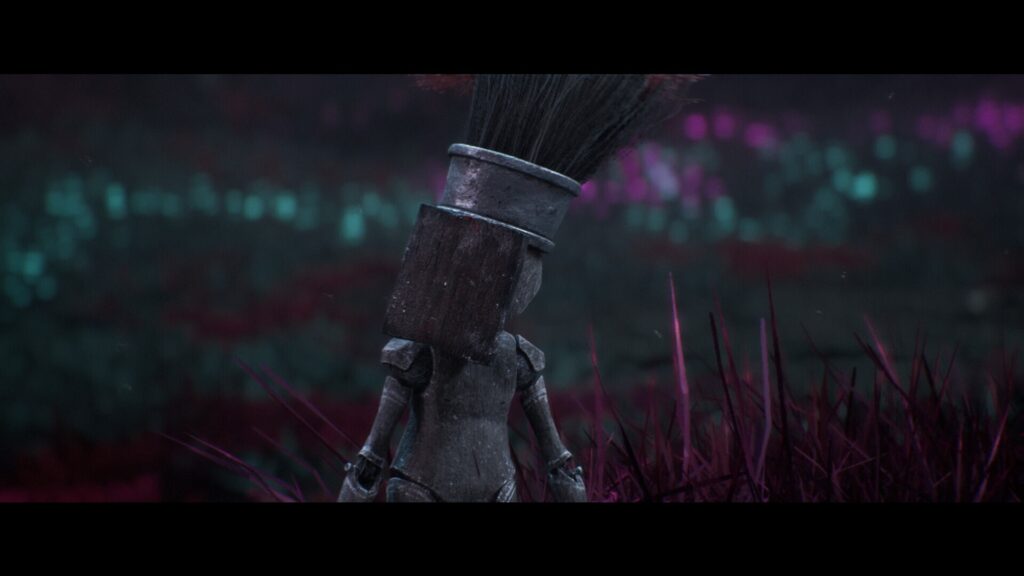
The plot reveals that the central conflict is a family drama, the tragedy of the Dessandre family, triggered by the death of the son, Verso.
- Alina (The Artist/Mother): Unable to process the loss, she uses her phenomenal artistic ability to escape reality. She draws her family into the Canvas, a pocket universe where a piece of Verso’s soul remains. Her motivation is the refusal to accept the finality of death. She is not evil; she is simply inconsolable.
- Renoir (The Antagonist/Father): Renoir represents the rational, painful acceptance of loss. He seeks to destroy the Canvas—the fake world—to eliminate the temptation for his wife, Alina, to retreat into delusion, thereby forcing her to live in the real world again, without their son. He is the antagonist acting from the most reasonable position | saving his family from emotional suicide.
The stakes are immense | not a world saved from an alien threat, but the preservation of sanity and the painful necessity of accepting grief. The game forces the player to wrestle with the question | When is it time to let go, and can any human truly survive the loss of a loved one and remain intact?
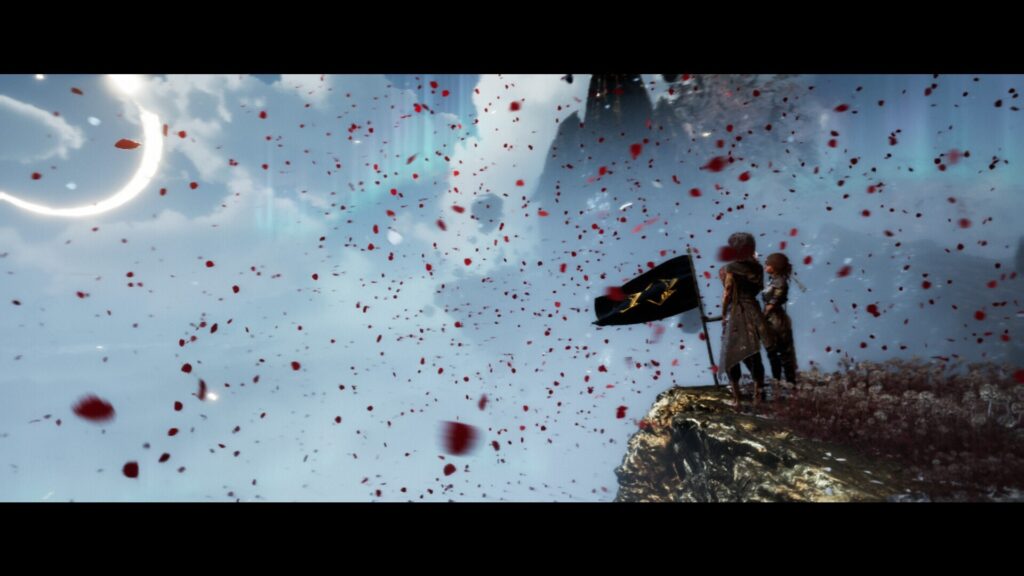
By exploring this complex, adult theme through a lens of artistic mythology and high drama, CO:E33 achieves a level of thematic maturity rarely seen, solidifying its status as the most important event of the gaming decade.