“The West is the West, the East is the East,” as Rudyard Kipling famously wrote, suggesting an eternal divide between these cultural spheres. Yet, what happens when these worlds collide and intertwine? Japanese anime, often seen as the quintessence of Eastern storytelling and aesthetics, frequently reveals a surprising lineage | many of its creators have drawn deep inspiration from the literary and historical traditions of Europe.
This fusion has birthed a fascinating array of works—some faithful adaptations of Western classics, others wild reimaginings that transform Shakespeare into a techno-fantasy epic or cast Dumas’ tales into the vastness of space. Below, we explore several standout examples of this East-meets-West phenomenon, where anime reinterprets European narratives with a distinctly Japanese flair.
Romeo x Juliet (2007) – A Soaring Shakespearean Tragedy
William Shakespeare’s Romeo and Juliet, a tale of star-crossed lovers immortalized from the Italian Matteo Bandello’s novella, has been reinterpreted countless times across centuries and cultures. In 2007, Japan’s Gonzo studio—renowned for its daring and experimental takes on classic stories—delivered its own 24-episode rendition, Romeo x Juliet, directed by Fumitoshi Oizaki. Known previously for competent shoujo anime, Oizaki crafted what many consider his finest work here, blending Shakespearean drama with Japanese sensibilities in a way that’s both familiar and refreshingly bold.

Gonzo’s version doesn’t aim for a literal adaptation—fidelity to the original text takes a backseat to creative liberty. The story unfolds in Neo Verona, a fantastical floating island suspended in the sky, powered by the mystical Great Escalus Tree (a nod to Shakespeare’s Duke Escalus of Verona). The “Neo” prefix and the ethereal setting evoke a Star Wars-esque “long ago, in a galaxy far, far away” vibe, signaling that this is no historical reenactment. The worldbuilding is sparse, as is typical for Gonzo; the focus remains squarely on the characters and their emotional arcs rather than intricate societal details.
In this reimagining, the Montagues and Capulets aren’t merely feuding families of equal standing. Instead, the Montagues, led by a ruthless duke, have annihilated the Capulet lineage, seizing control of Neo Verona. Yet, hope persists | Juliet, the sole surviving Capulet heiress, has been raised in secret, disguised as a boy. By day, she’s an ordinary citizen; by night, she dons a mask as the Scarlet Knight, a Zorro-like vigilante dispensing justice. Meanwhile, Romeo, the Montague heir, faces pressure to marry for political gain. Their fateful meeting at a grand ball sparks a romance that defies their families’ bloody history.
The anime amplifies the original’s drama with added layers of intrigue—a clan of Capulet loyalists plots revenge against the Montagues—and a gut-wrenching twist near the end subverts any hope of a tidy resolution. True to Shakespeare’s spirit, Romeo x Juliet reminds us that “there is no story sadder in the world,” delivering a poignant mix of tragedy, romance, and Japanese theatrical flair.
Gankutsuou | The Count of Monte Cristo (2004) – A Cosmic Revenge Saga
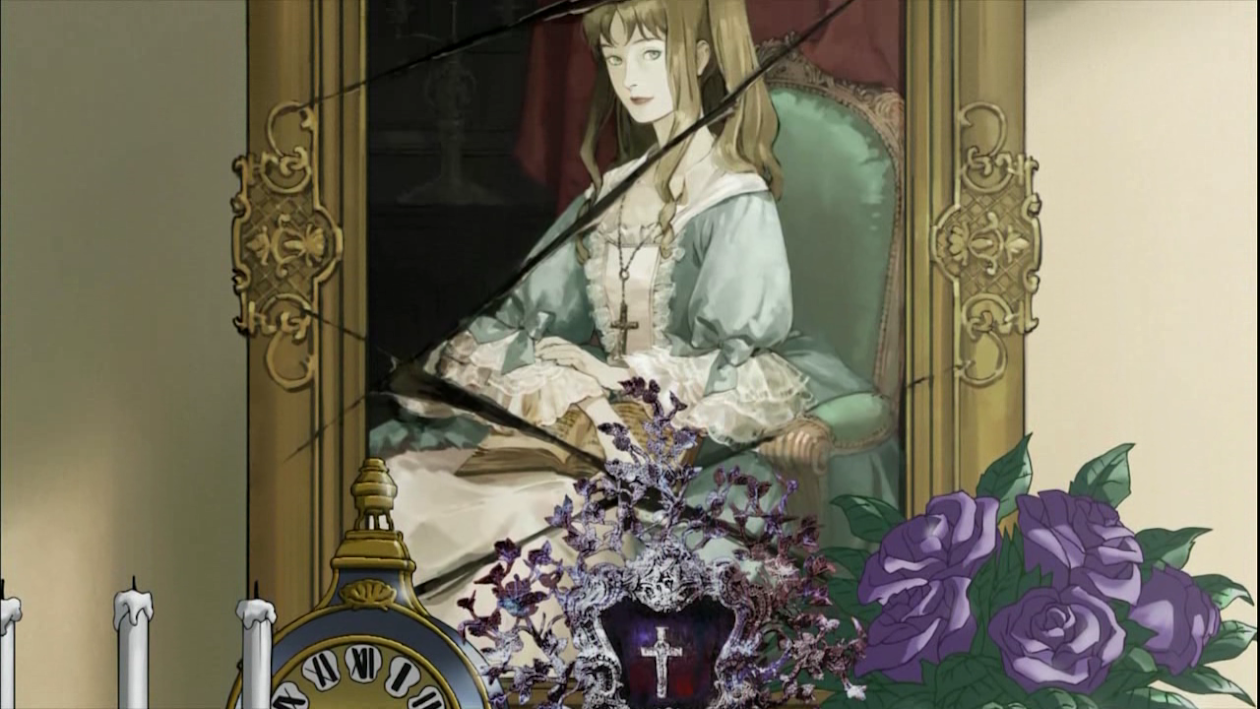
Gonzo strikes again with Gankutsuou | The Count of Monte Cristo, a 2004 adaptation of Alexandre Dumas’ sprawling novel, directed by Mahiro Maeda (a veteran of Studio Ghibli’s Laputa | Castle in the Sky and Porco Rosso). This 24-episode series stands out for its hypnotic visual style—think vibrant, alien textures and a kaleidoscope of colors that feel both futuristic and otherworldly.

Set in a distant future where space travel is as routine as a weekend getaway, Gankutsuou reimagines the Château d’If as a sprawling orbital prison. Here, the titular Gankutsuou—a malevolent, spectral entity—replaces the wise Abbé Faria as Edmond Dantès’ guide to vengeance. But there’s a twist | Gankutsuou’s aid comes at a lethal cost, consuming Dantès as he pursues his retribution. Unlike Dumas’ novel, which centers on Edmond’s transformation into the Count, this anime shifts the spotlight to Albert de Morcerf, the naïve son of one of Dantès’ betrayers. Through Albert’s eyes, we witness the Count’s relentless campaign unfold across a decadent, futuristic Paris.
The story probes deeper themes—love, loyalty, justice, and the collateral damage of revenge—while preserving the spirit of Dumas’ work. We see the ripple effects of the Count’s vendetta devastate innocents like Valentine Villefort and Eugénie Danglars, forcing Albert to confront the dystopian inequalities of his world. The worldbuilding remains minimalistic, with details like Paris’ impregnable walls or towering mecha armor serving as dramatic backdrops rather than fully fleshed-out systems. Yet, this restraint enhances the focus on character and emotion. Surprisingly, Gankutsuou emerges as one of the most spiritually faithful adaptations of The Count of Monte Cristo, its blue-skinned, spacefaring Count a noble yet tragic figure intent on purging society’s illusions.
Le Chevalier D’Eon (2006) – A Gender-Bending Historical Fantasy
Not a direct adaptation of a single literary classic, Le Chevalier D’Eon draws inspiration from the real-life 18th-century French spy and diplomat Chevalier d’Éon, who famously lived part of his life as a woman. Written by Tow Ubukata and produced by Production I.G (known for Haikyuu!! and Psycho-Pass), this 24-episode series from 2006 blends historical fiction with supernatural intrigue.

Set in an alternate 18th-century France, the anime introduces magic into the mix. The story begins with the brutal murder of Lia de Beaumont, a loyal servant of King Louis XV, whose body is discovered floating in the Seine. Her restless spirit, unable to find peace, merges with her brother, D’Eon de Beaumont, a skilled swordsman seeking to avenge her death. This fusion creates a unique dynamic | D’Eon periodically transforms into Lia, his body and mind shifting between identities as they pursue her killers together.
The narrative weaves a tapestry of political conspiracies, secret societies, and beautifully choreographed swordfights, all steeped in a gothic atmosphere. Historical figures like Maximilien Robespierre appear, reimagined with a mystical twist. While the anime’s pacing and Ubukata’s creative liberties (like naming the protagonist “D’Eon” as a surname) might raise eyebrows, its blend of drama, action, and gender exploration makes it a compelling East-West hybrid.
Les Misérables | Shoujo Cosette (2007) – A Faithful Victor Hugo Retelling
In contrast to the fantastical reinterpretations above, Les Misérables | Shoujo Cosette by Nippon Animation offers a grounded, 52-episode adaptation of Victor Hugo’s monumental novel. Directed by Hiroaki Sakurai (of Revolutionary Girl Utena fame), this 2007 series eschews magical embellishments for a meticulous retelling of Jean Valjean’s redemption, Javert’s pursuit, and Cosette’s journey from hardship to hope.

Aimed at a younger audience, the anime filters Hugo’s sprawling tale through Cosette’s innocent perspective, softening some of the novel’s harsher edges without diluting its emotional weight. From Fantine’s tragic sacrifice to Thénardier’s villainy, the series captures the essence of 19th-century France’s social struggles. Its animation and storytelling style feel deliberately old-fashioned—more akin to 1990s classics than its flashier 2007 contemporaries like Gurren Lagann. This retro charm, paired with its loyalty to Hugo’s narrative, makes it a rare gem for fans seeking a straightforward yet heartfelt adaptation.
Bridging the Divide
These anime exemplify how Japanese creators have embraced Western literature, not merely as source material but as a springboard for innovation. Whether through Gonzo’s bold experiments, Production I.G’s historical remixes, or Nippon Animation’s reverence for the original text, the East and West converge in ways that enrich both traditions. The result is a cultural dialogue that transcends Kipling’s divide, proving that when these worlds meet, they can create something truly extraordinary.