In recent years, we’ve witnessed some impressive game adaptations. Not long ago, the prospect of their success seemed bleak due to numerous failures. However, reflecting on the movies and TV shows that have captured our favor, it’s intriguing to consider how studios overcame the notorious challenge of adapting games.

Historically, films based on games were not well-received. They were panned by critics, disappointed game enthusiasts, alienated general audiences, and often failed to turn a profit. The term “movie based on a game” became pejorative, almost cursed, as if a successful game-based film could never be produced.
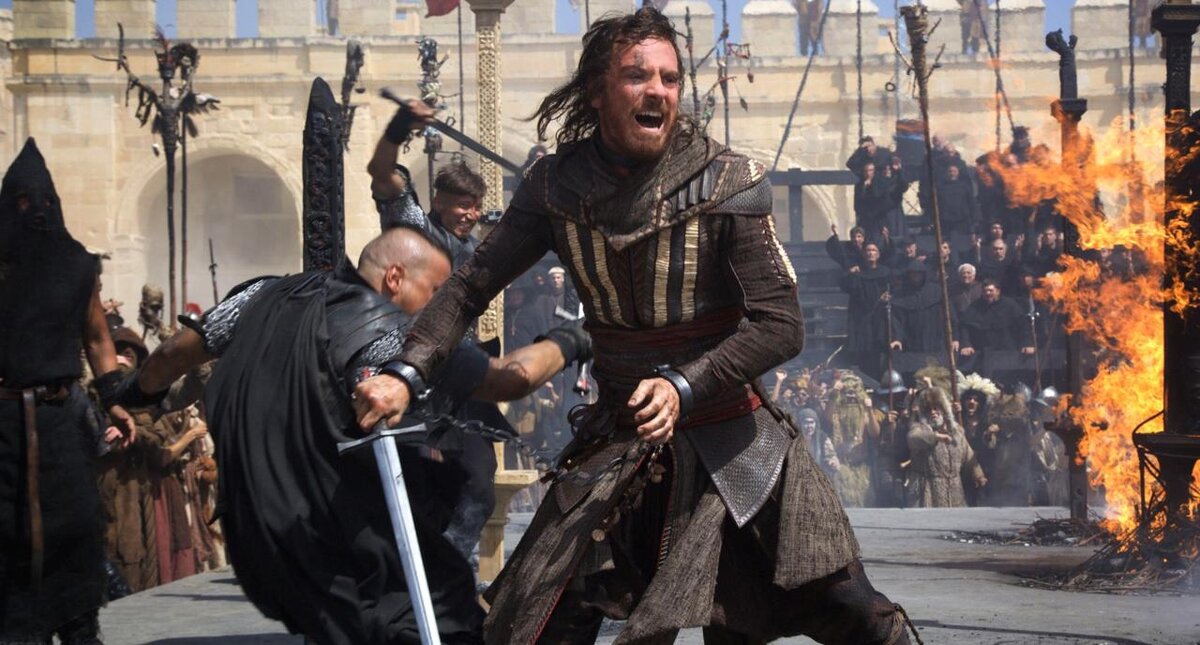
The issues with these films varied. Often, creators did not engage deeply with the source material, banking instead on the popularity of a well-known franchise. Consequently, Hitman was reduced to a farcical action film, while Assassin’s Creed became a convoluted tale of contemporary political intrigue.
Even when professionals tackle the task, the format can be limiting. Exploring game worlds can take dozens or even hundreds of hours, making it challenging to condense a global plot into a two-hour movie.
Budgets present another hurdle. While a GTA movie might not need lavish sets, adapting the worlds of BioShock, Horizon, and Mass Effect to film can be costlier. Big studios often hesitate to invest heavily in intellectual properties not widely recognized by the general public. This is why the initial Bioshock film adaptation, helmed by Gore Verbinski of Pirates of the Caribbean fame, was shelved.
Moreover, filmmakers face complex, sometimes opposing challenges. They must satisfy game fans by translating beloved gameplay mechanics to film, while also appealing to newcomers unfamiliar with gaming. This adds layers of complexity to an already demanding process that involves many participants.
However, the landscape has shifted in recent years. Film and TV adaptations now involve not just Hollywood veterans but also those who grasp the source material, including game designers who contributed to the original games.

The trend of condensing expansive plots into two-hour movies has ceased. Nowadays, the most acclaimed adaptations span 8-10 episodes. Technological advancements have eased budget constraints; a single expansive screen, The Volume, coupled with Unreal Engine 5, suffices to depict stunning planets, deserts, and bustling cities. While not every film adaptation is stellar, there’s been a notable uptick in quality over recent years.
A prime example of a successful video game adaptation is the Fallout series. Despite its flaws, it has garnered positive reception from both fans and newcomers who haven’t played the games. Bethesda, prior to consenting to the project, had long declined film adaptation proposals, wary of the so-called “video game adaptation curse,” concerned that a failed adaptation could tarnish the game series’ reputation.

The last time, Jonathan Nolan, known for scripting many of Christopher Nolan’s films and producing the Westworld series, approached the authors. As an avid fan and experienced writer, Nolan crafted a narrative that introduced the Fallout universe to non-gamers while also embedding numerous easter eggs for enthusiasts and incorporating gameplay mechanics. He even managed to satirize the issues in Bethesda’s recent games, or so the fans believe.
Arcane serves as another testament to perfect alignment. Riot Games brought to the table a renowned brand, a vibrant cast of characters, a history of producing slick music videos, and a loyal collaboration with the French studio Fortiche Production, known for its skilled animators. Yet, that alone was insufficient. It required a gamble | forsaking the children’s rating, granting creative liberty to the writers, ample time, and a substantial budget.

Arcane invested six years and approximately $100 million into nine episodes, and the outcome has been deemed worthwhile, particularly in terms of visual quality. The first season garnered top reviews from critics and audiences alike, dominating the charts as the best game adaptation for three years. The second season was produced more quickly, with new episodes anticipated to debut in November 2024.
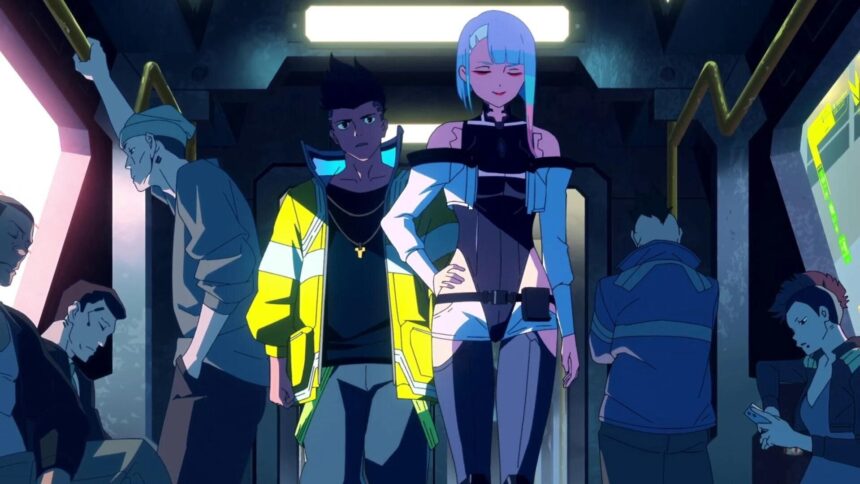
The anime series Cyberpunk | Edgerunners was developed by the Japanese studio Trigger, known for their work on iconic series such as Kill la Kill, Neon Genesis Evangelion, FLCL, Gurren Lagann, and Star Wars | Visions, with oversight from CD Projekt Red. Rather than rehashing the game’s narrative, they introduced new characters and a storyline centered around them. The show’s creation was handled with great attention to detail, leaving numerous Easter eggs for fans. For instance, many locations from the series are present in the game and are depicted identically, with a significant plot role given to one of the game’s antagonists. These choices resulted in a narrative that seamlessly integrates into the Cyberpunk 2077 universe, captivating both aficionados and newcomers to the game. According to reviews, the mini-series appealed even to those typically indifferent to anime, much to their delight.
The Super Mario Bros. Movie emerged as a successful collaboration between Nintendo and Illumination Studio, known for their adorable characters in the Despicable Me, The Secret Life of Pets, and Zootopia franchises. Hollywood stars such as Chris Pratt, Anya Taylor-Joy, and Jack Black lent their voices to the film. While the movie adaptation of Mario didn’t quite resonate with the adult demographic, it excelled as a family film. Similar to Fallout, the movie was crafted by individuals who grasp the core of the games, packing the film with Easter eggs for fans and visually reinterpreting the game mechanics. The movie’s plot is straightforward, allowing enjoyment even for those unfamiliar with the games.
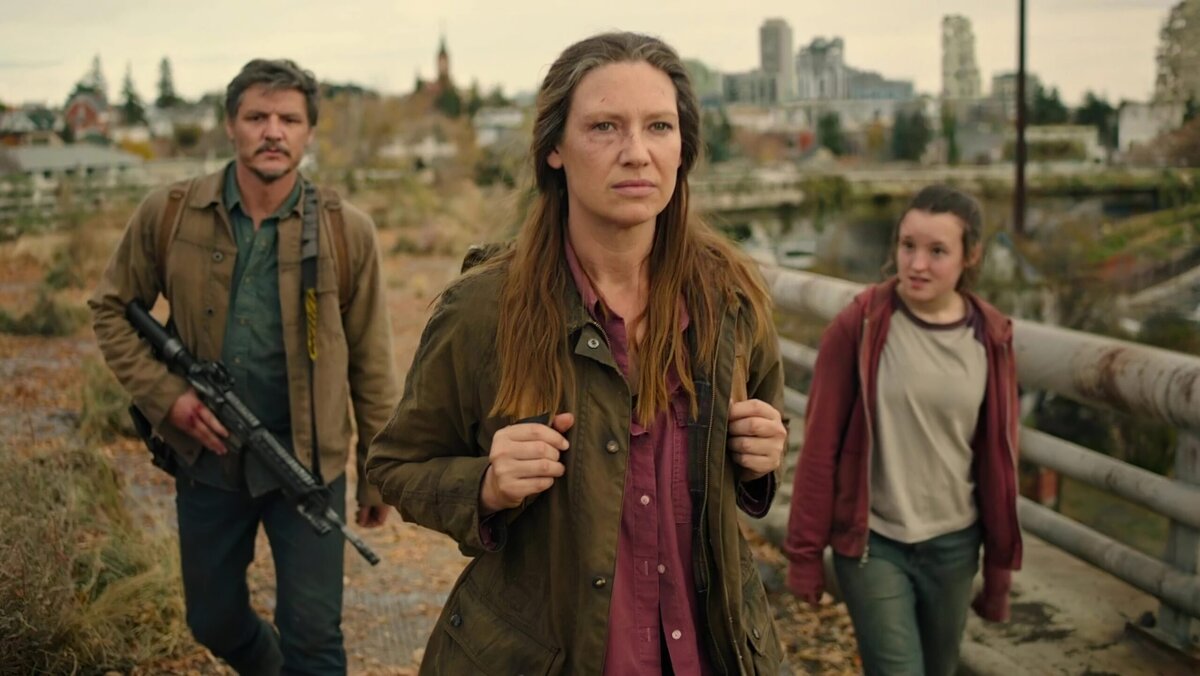
The Last of Us film adaptation, overseen by game designer Neil Druckmann and Chernobyl’s Craig Mazin, can be deemed relatively successful. It shines as a near-perfect game adaptation in parts of the series that stay true to the original material. However, the writers’ decision to experiment with editing, structure, and additional storylines in most episodes detracted from the central narrative of Joel and Ellie. Ultimately, it stands as a decent show, boasting on-location shoots, skilled actors, and an unconventional plot, yet marred by a weak script, superfluous characters, and uneven pacing.
The same year that saw the release of The Last of Us also brought the film adaptation of the post-apocalyptic game Twisted Metal. Despite the series diverging significantly from its source material, it may have been a beneficial move. Adapted for television by the writers behind Deadpool and Zombieland, Twisted Metal drew upon iconic imagery, weapon-laden cars, and a theme of rampant chaos. This approach proved sufficient, possibly because the latest game installment had been released quite some time ago, lessening the need to appease fans. The casting also contributed to its success, with Anthony Mackie, typically less suited for serious roles, fitting perfectly into the Twisted Metal universe. The series, spanning 10 episodes, is entertaining with its nonsensical humor and doesn’t aspire to be more than what it is.
Car enthusiasts also had something to celebrate with the film adaptation of Gran Turismo, directed by Neill Blomkamp of District 9 and Chappie fame. A known video game aficionado, Blomkamp had long aspired to adapt Halo for the big screen and even created a short film for the franchise. Although his Halo project did not come to fruition, he was given the reins to one of Sony’s most renowned gaming series, Gran Turismo.

Blomkamp’s film features Archie Madekwe, Orlando Bloom, and David Harbour, and is inspired by the true story of Yann Mardenborough, a gamer who became a professional race car driver fueled by his gaming passion. Gran Turismo stands out as a unique, entertaining, and inspiring movie that showcases the heights one can reach.
While some film adaptations have been less successful, they are not deemed failures. The animated series based on Castlevania, which spans five seasons, has generally garnered positive reviews despite some weaker entries. Produced by the renowned geek Adi Shankar, who has a keen interest in gaming and superhero themes, he is actively developing animated versions of Devil May Cry, Assassin’s Creed, Hyper Light Drifter, and PUBG.
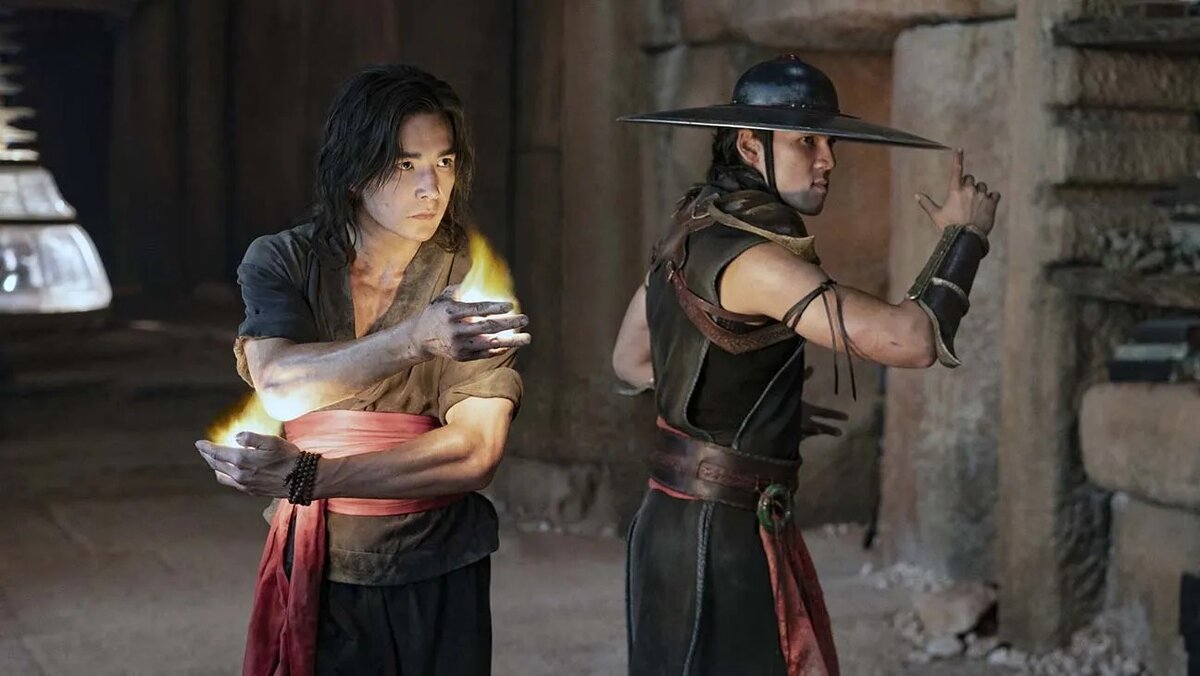
The film adaptation of Mortal Kombat has been well-received as a commendable first effort at a reboot, despite its budget-conscious production. Some fight scenes have been notably praised. Expectations are high for the sequel, which is set for release on September 3, 2024.
Following the tremendous success of The Last of Us and Super Mario, game adaptations have surged in popularity, with some suggesting they may overtake superhero films. A flurry of adaptations are underway, including Borderlands set for August 2024, Minecraft in April 2025, and upcoming films based on The Legend of Zelda, Ghost of Tsushima, Until Dawn, Silent Hill, Death Stranding, Days Gone, Stray, BioShock, Sifu, and other lesser-known franchises.
The trend extends to television, with announced adaptations of God of War, Horizon, Splinter Cell, Mass Effect, A Plague Tale, Hunt | Showdown, Alan Wake, and Life Is Strange. While some may not reach production, others are expected to grace our screens.
The recent success of these adaptations can be attributed to the creators’ commitment to quality. With many game premieres anticipated from late summer onwards, there is hope that this trend of high-caliber adaptations will continue.