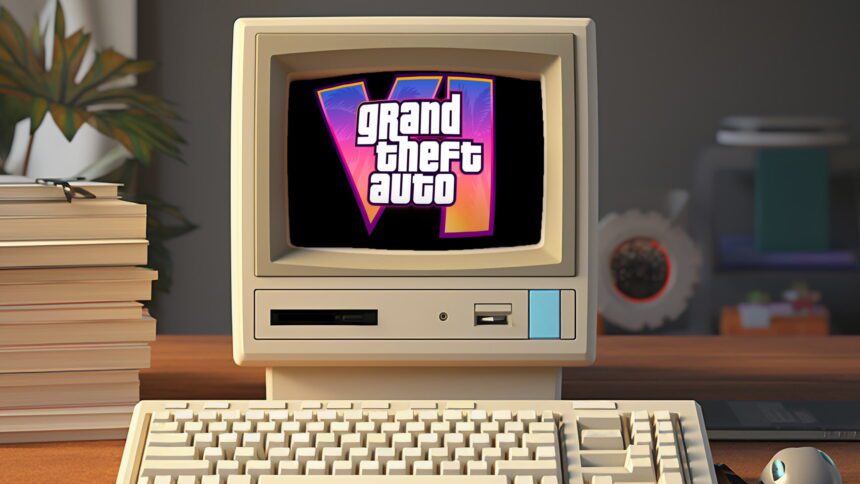
Rockstar consistently sparks frustration among PC gamers by delaying the release of its games on PC platforms, a trend observed from GTA 4 through to Red Dead Redemption 2. This recurring strategy prompts the question | What drives a major company like Rockstar to adopt such an approach, and what underlies its decision-making process?
The Rise of PC Gaming
In the last decade, PC gaming has surged in popularity thanks to platforms like Steam and Epic Games, along with more affordable component prices. The flexibility of PC gaming has drawn both players and developers alike. Yet, Rockstar persists in delaying its game releases on PC, leading to confusion and frustration within the gaming community.
Technical difficulties
A primary cause of delays in PC game development is the technical complexity involved. PCs, unlike consoles with their standardized systems, have hundreds of possible configurations. Developers must optimize games for numerous processor, graphics card, and RAM combinations, a process that demands considerable time and resources. Moreover, the diversity of operating systems and driver versions further complicates the task.
Double Pay Strategy
A prevalent theory suggests that the delay in PC game releases is a deliberate double-payment strategy. Initially, the game is sold on consoles, followed by the release of an enhanced version for PC, prompting some players to purchase it again. GTA 5 serves as an example, having been released across three console generations and PC, with approximately 40% of its sales attributed to customers who purchased the game multiple times.
Performance issues and bugs
Even post-release on PC, Rockstar games frequently encounter performance issues and a multitude of bugs. The initial days following the release typically see a surge in player complaints regarding subpar optimization and assorted bugs, further igniting the flames of dissatisfaction.
Priorities and exclusivity
The delays might stem from the company’s priorities and strategic partnerships with console manufacturers. While exclusive deals can lead to increased revenue, they do not justify the inconvenience experienced by PC gamers.
Hatred of PC players or pragmatism?
Although numerous players feel mocked by Rockstar’s delayed releases and bug-ridden games, from a business standpoint, this approach is logical. The company has managed to distribute its revenues over several years, keeping its games in the public interest.
Conclusion
Although PC gamers may feel frustrated, Rockstar’s strategy is designed to optimize revenue. There is still hope for a brighter future; with advancements in technology and enhanced security, the company might shift more focus to the PC platform. Until then, players are left to wait and hope for equitable treatment from the company they admire.
For those who found this article engaging, don’t miss the video where we delve deeper into these topics and offer more insights into the prospects of Rockstar games.