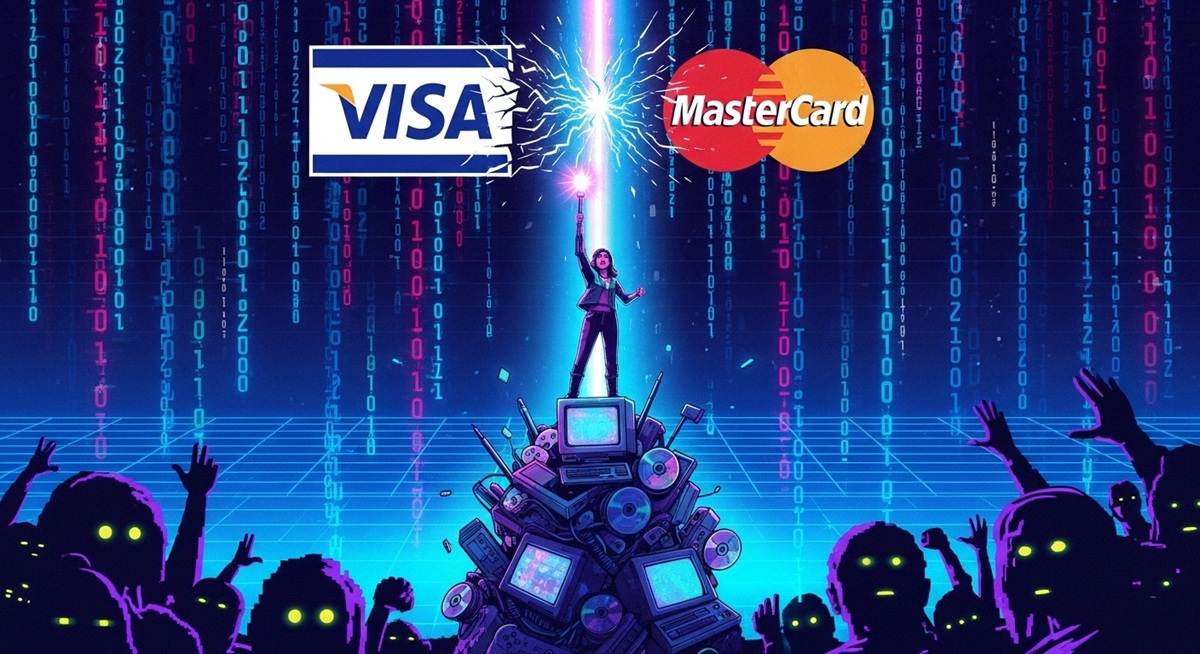
Alright, jack in, data divers. We’re about to parse a story that’s less about a game and more about the ghost in the machine—the unseen forces that dictate what’s cool, what’s legal, and what gets wiped from the digital ledger. Forget corporate press releases and sanitized news feeds. We’re talking about a system glitch so big, it’s got the whole network buzzing.
A few cycles ago, the digital matrix that is Steam was hit by a shockwave. An Australian feminist group, Collective Shout, launched a campaign that didn’t just make noise—it hit the motherboard directly, and the ripple effects were felt across the globe. Their target? Games featuring themes of sexual violence. Their weapon? Not code, not outrage, but something far more powerful in this hyper-capitalist dystopia | financial leverage.
The Pressure Play | How the Credits Crunched the Code
Collective Shout’s campaign was a masterclass in exploiting the system’s vulnerabilities. They went straight to the source of the data flow | the money. They leveraged the moral clauses of financial titans like Visa and Mastercard, forcing a choice upon Valve, the overlords of Steam | either clean up the platform or lose the ability to process payments.
Think about that for a second. It wasn’t about a game’s content violating Valve’s own rules. It was about third-party financial corporations—the ones that handle your hard-earned digital credits—dictating the terms of engagement. Under this kind of pressure, the system had to bend. And bend it did.
Valve, with its back against the digital wall, blinked. Thousands of adult-oriented games were scrubbed from the Steam storefront. The fallout was immediate and explosive. Gamers and devs alike screamed into the void, warning of a dangerous precedent. This wasn’t a community decision; it was censorship by proxy, a backdoor ban enforced by the very networks that power the digital economy.
The Backlash | A Torrent of Static
But the story didn’t stop with a clean-up. The data flow, once channeled, now overflowed. After the campaign went mainstream, Collective Shout found themselves on the receiving end of a digital onslaught. A relentless torrent of harassment, threats of violence, and doxxing attempts flooded their comms.
According to the group’s representatives, this wasn’t just angry tweets; it was a deluge of threats so vile and persistent that they had to bring in the heavy hitters. Lawyers. The FBI. Even the UN. This isn’t the kind of static you can filter with a block button. It was a digital siege.
In an interview, Collective Shout’s campaign manager, Caitlin Roper, didn’t flinch. She saw the backlash not as defeat, but as grim validation.
“What is happening now only proves that we are right,” she stated. “It’s pretty clear that many of the men defending their rape games are committing violent crimes against women because they’re doing it to us right now.”
A Tale of Two Realities | The Great Digital Divide
This whole episode is a perfect example of the great digital divide. On one side, you have Collective Shout and those who see this as a necessary victory. For them, the removal of games glorifying sexual violence is a win for women and a statement that entertainment should not come at the cost of real-world harm. Roper spoke about receiving private messages from victims of sexual assault who felt a sense of relief and validation after the games were removed.
On the other side of the firewall are those who view this as a chilling act of censorship. They argue that regardless of the content’s nature, allowing a non-gaming, non-regulatory entity to police the platform is a slippery slope. They see a future where moral crusades, fueled by corporate pressure, could lead to the removal of any content deemed “offensive,” be it a bloody action game, a story-driven title with mature themes, or even LGBTQ+ content.

The core of the conflict isn’t just about games; it’s about who gets to control the narrative in the digital age. Is it the creators? The consumers? The platforms? Or is it the invisible hand of financial corporations, the very engines that power the network? The answer, for now, seems to be the latter. And that, fellow cyber-punks, is a terrifying thought.
The story isn’t over. The aftershocks of this conflict are still rippling through the network, and the full implications for content freedom have yet to be assessed. All we know for sure is this | in the cyberpunk-infused reality we now inhabit, the code is king, but the credits are the true currency of control.
This video provides an in-depth analysis of how payment processors, not platforms, are now dictating content, offering a visual and auditory breakdown of the core issues discussed in this article.