Recently, the gaming industry has shown signs of decline. An increasing number of games are being released in poor condition, lacking proper optimization, or failing to connect with their intended audience for various reasons (take Concord as an example).
Concurrently, developers appear to have abandoned experimentation, and a comparison of recent releases with those from the early 2000s reveals a repetition of the same franchises and a multitude of remasters and remakes.In this discussion, we aim to explore the reasons behind this downturn and identify several key factors.
Everyone is lying

Let’s address a glaring issue that has long troubled the gaming industry | developers’ false promises. While not all studios are guilty, it’s not uncommon for some to promise one thing and deliver another. A notable example from the past is Peter Molyneux, known for his ambitious but unfulfilled promises for the game Fable, such as trees growing in real-time. Without delving into specifics, the industry has its fair share of such deceivers, which can tarnish and even doom a project from the start.
A recent case in point is No Man’s Sky. Although it has improved significantly since its launch, boasting a vast amount of content that surpasses initial promises, its release fell short of the marketing hype. Despite this, the developers, having profited from pre-orders, chose not to disappear but to continue improving the game.
A notable example is Cyberpunk 2077, a game that omitted several intriguing features in its final release, such as blade prosthetics and wall-climbing abilities, and also shocked many with its poor optimization. Those who attempted to play it on PlayStation 4 or Xbox One at launch likely had a frustrating experience. The game’s technical performance was so subpar that Sony halted its sales in the digital store, only resuming after the game was updated with numerous patches.
Indeed, there are numerous instances of such occurrences, with similar games emerging annually or even more frequently. Despite gamers’ pleas, the gaming industry seems disinclined to abandon deceptive practices, which has become a significant issue impacting the quality of games.
Gigantomania
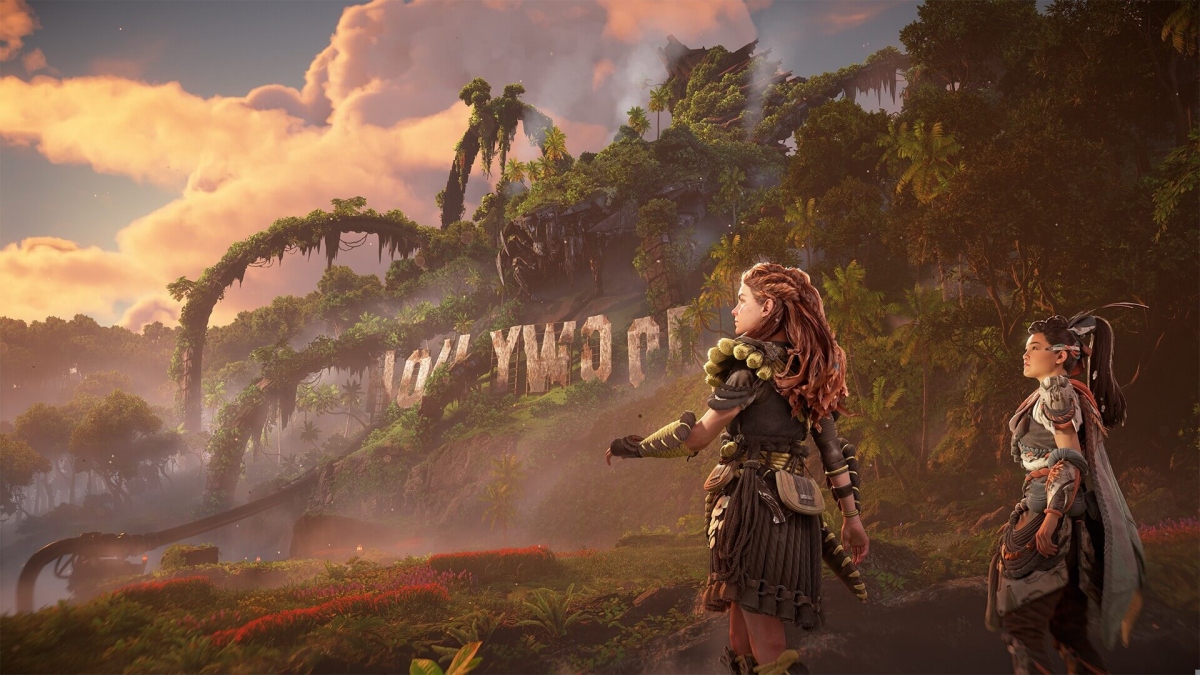
In recent years, video game budgets have multiplied, with projects commonly reaching 100, 200, 300 million dollars or more. To justify such significant investments, developers employ various strategies, including New Game+ features, expansive yet repetitive open worlds, and numerous endgame activities.
For some, these tactics may seem appropriate, but they often represent an excessive focus on scale. Current statistics indicate that games designed for 40+ hours of gameplay are frequently abandoned by players halfway through the main storyline, suggesting that side quests and additional activities are largely ignored.
The industry has also faced issues with unnecessary segmentation of projects. A notable case is the Final Fantasy 7 remake, which was divided into three parts. Following the release of Rebirth, Square Enix expressed dissatisfaction with the game’s sales, deeming the project a failure. This trend towards gigantism is increasingly viewed as detrimental to gaming quality. It remains uncertain when developers will move away from this approach, although Sony has notably shifted from producing high-budget blockbusters due to diminishing returns.
Semi-finished product instead of postponing the release date
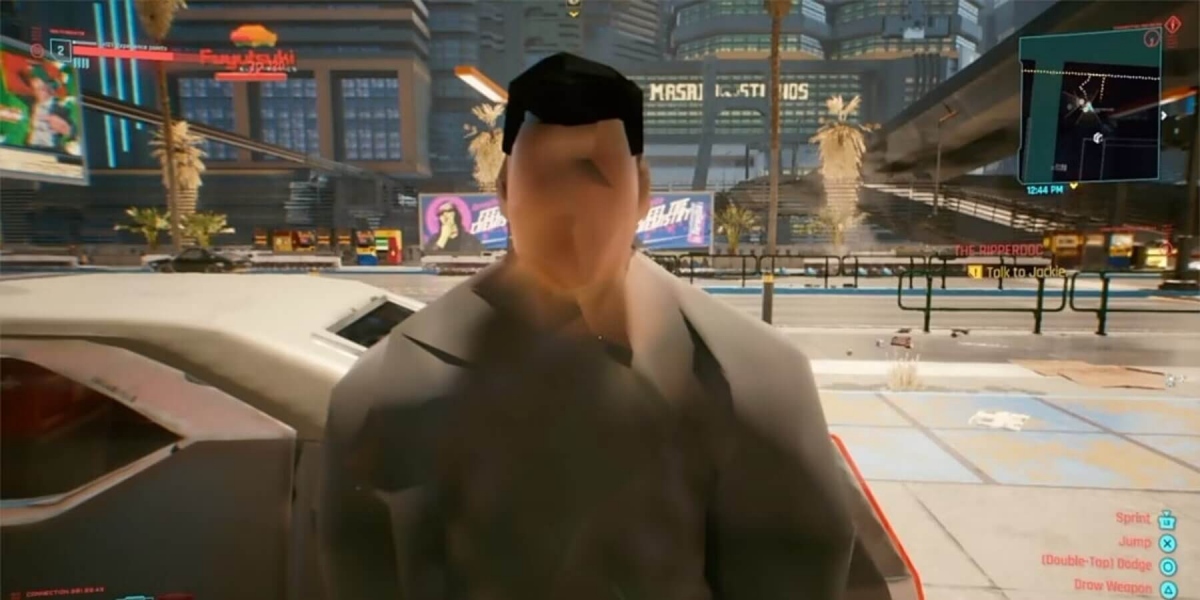
In the past, games could be developed over several years without raising concerns from the audience. However, the development timeframe has been increasingly shortened due to large publishers prioritizing profit. They often disregard potential issues that may arise during game development, which could require additional time to resolve.
The 21st-century solution to delays is post-release patches. A game may be released in a raw state, resembling more of a semi-finished product than a polished final version, with the intention of fixing it through subsequent patches. The duration of this process is uncertain, but it seems of little concern to the executives who have already secured funds through pre-orders and continue to promise fixes to those who believe they will come. Nowadays, it’s common for games to receive a day one patch, a practice unheard of in the era of physical discs when internet access was limited, and only a few gamers could download the necessary updates.
Recent examples of the industry’s disregard for players include the problematic releases of Cyberpunk 2077 and the GTA trilogy re-release. While there have been other instances, it’s particularly disappointing when such promising projects are compromised upon release. The majority of optimization issues tend to affect PC versions, whereas console versions undergo more scrutiny for quality, as seen with Cyberpunk 2077’s exclusion from digital stores. The prevalence of endless patches has become an accepted norm, reflecting a concerning trend in the gaming industry’s approach to product quality.
Artificial arms race
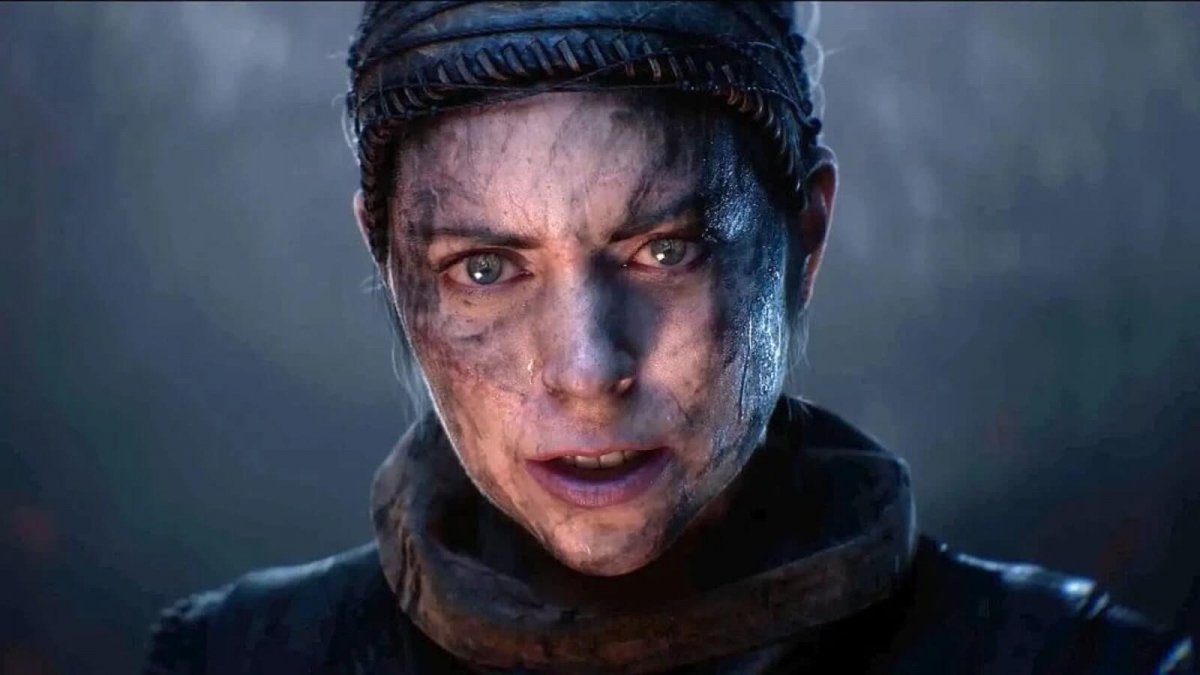
It’s widely acknowledged that even with the previous generation of consoles, many developers succeeded in achieving photorealistic graphics, making the so-called next-gen feel less significant today. Indeed, most games for the PlayStation 5 were also quietly released on the PlayStation 4, leading to considerable skepticism about the necessity of upgrading the console. Despite this, the industry must profit, which has led to claims that development costs are rising and to the segmentation of consoles, traditionally a 6-8 year hardware, into various versions. A case in point is the recent PlayStation 5 Pro, which essentially offers what the original should have included—60 FPS at 4K resolution. Not all games support these features, yet gamers are now presented with hardware priced at an exorbitant 800 euros, promising only a marginal enhancement of their gaming experience.
Regarding PC gaming, the frequent release of new video cards each year cannot be overlooked. Previously, hardware updates were needed only once every 4-5 years, allowing players to witness some evolution in gaming. Currently, they face a financial black hole, spending substantial amounts to upgrade their PCs for playing the latest titles at maximum settings. Additionally, amidst this rush, some developers have neglected optimization, resulting in numerous games that are not optimized, requiring an RTX 4090 to experience the game as intended.
Furthermore, the artificially created arms race in technology negatively affects gaming, particularly with the advent of new technologies like ray tracing, which can sometimes detract from the gaming experience rather than enhance it. The once-revolutionary HDR is now a distant memory in this rapid technological progression.
All things must follow their path, and games are no exception; they must evolve steadily as they always have. The annual release of graphics cards shows little variation, aside from the addition of new, supposedly innovative technologies that are often quickly forgotten. This trend could potentially damage the gaming industry and is certainly one of the major issues of our time.
Work on grades

In recent years, the gaming industry has increasingly focused on ratings from esteemed journalists. In the past, even games with mediocre ratings often received sequels, but today, such outcomes may lead to the discontinuation of a franchise or even the shutdown of a studio. For instance, Days Gone garnered positive feedback from players, yet it was underrated by journalists for a AAA title from Sony. Consequently, the publisher decided to cancel the sequel, lay off the studio staff, and release a PC port to recoup some costs.
Another striking example is Hi-Fi Rush, a stylish slasher with rhythm game elements that failed to make an impact due to Microsoft’s lack of promotion. It was launched on the same day as its announcement and was also available on Game Pass. Although a PlayStation 5 port was created to generate additional revenue, it seems that financial motives are increasingly driving decisions in the gaming industry.
The reality is that a sequel to any franchise must receive approval based on the publisher’s satisfaction with both the valuations and the sales. If these do not meet their expectations, the project may likely be shut down. Meanwhile, publishers often disregard player preferences. For instance, fans have long requested a re-release of Bloodborne, yet they are receiving a remaster of the original Horizon game instead, as Sony believes it will be more profitable. Essentially, that’s the situation.
The gaming industry’s situation appears to be deteriorating daily. It seems we may have to accept that soon, games costing 100 dollars, multiple console types within a single generation, and biannual graphics card releases for PCs will become standard practice.Regarding the state of the industry, opinions vary. Some believe it has worsened, while others maintain that the situation is not dire. The reasons for the perceived decline are numerous, and the primary ones have been identified.