The former producer of Halo and Destiny states that the game service model surpasses traditional releases in benefits for all parties involved
Share
4 Min Read
SHARE
Joe Tung, the lead producer of Halo 3, Halo | Reach, and Destiny, and an eight-year veteran at League of Legends, founded his own studio to develop the free-to-play battle royale game Supervive. In a discussion with PC Gamer, Tung shared a compelling viewpoint | he believes that the game-as-a-service model surpasses traditional releases, benefiting both players and developers.
I’ve always felt that the $60 boxed release model forces you to make decisions that don’t suit the interests of players. The key interest was | “How to sell as many copies as possible in the first 48 hours?”
One of the greatest strengths of service games is that you can play for the long term, think about long-term decisions in favor of the player. How does this intersect with the interests of the company? In my opinion, [the game-as-a-service model] allows you to make much, much, much better decisions overall.
Joe Tang
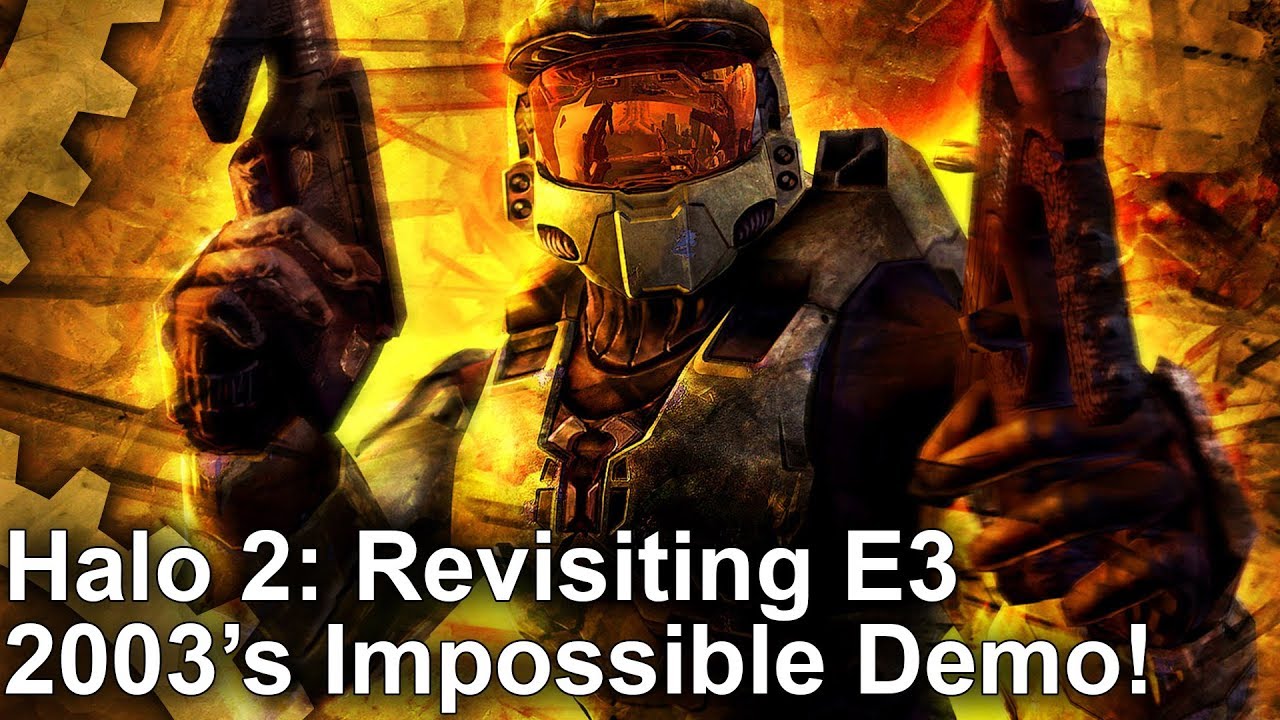
Tang cited the demos presented at E3 as examples of decisions in boxed releases that do not align with player interests, noting that many features showcased would never appear in the final game version.
I’m willing to bet that any developer who worked on boxed releases for $60 before the cancellation of E3 has a special story about the build for E3. Like, “let’s add as much non-existent nonsense as possible to our build over the next three months, because we have a big show ahead of us at E3, and this is our only chance to talk to the audience before we go into release.”
I’m willing to bet that a lot of effort for E3 was thrown into the trash because it was a raw flaw, but people had to work hard and make great sacrifices to somehow fit it into the build. But many things never made it to the game because of the nature by which these things are created. This is my favorite example of very important decisions that are not made in the interests of the players.
Joe Tang
The creators of Halo indeed had a unique relationship with E3 demonstrations. For instance, in 2003, they showcased a fully operational presentation of the game, yet the hardware of the original Xbox was unable to support all of its features.
Joe Tang’s game, Supervive, deftly sidesteps common issues | it debuted outside of E3, underwent initial limited beta testing, and will gradually transition to Open Beta Testing (OBT). The game’s microtransactions are strictly cosmetic, offering no gameplay benefits.
PRIORITY SIGNAL
Supervive features a blend of battle royale mechanics with controls and characters reminiscent of MOBAs. In its primary mode, ten teams of four players each compete, with every hero equipped with a primary fire, four abilities, and a passive trait. The map is dynamic, featuring changing conditions and biomes that host unique monsters and bosses.