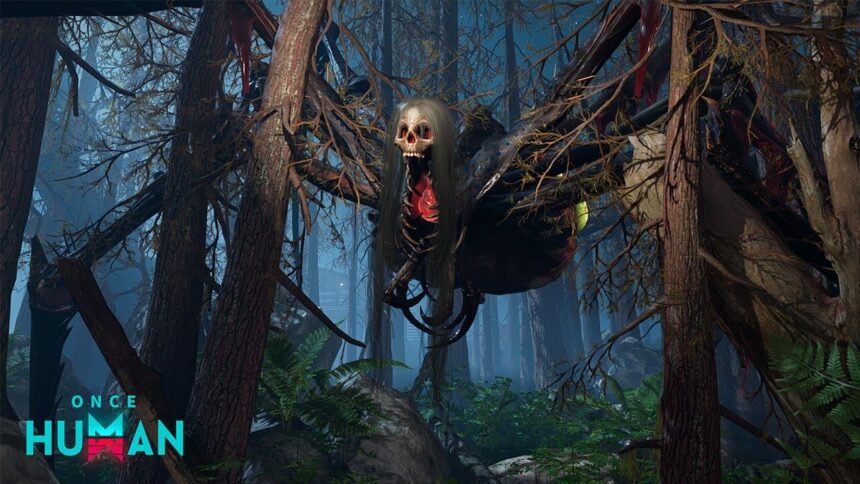
In early 2023, the obscure game Once Human held its inaugural closed test, followed by a second test in December. The final test occurred in March of the subsequent year, coinciding with the public’s captivation by Helldivers 2. Shortly thereafter, in early June, this survival sandbox game, blending horror and resource gathering, launched on PC.
The year 2024 saw the emergence of unexpected bestsellers. The First Descendant by Nexon made waves, attracting over 10 million players within a week. Once Human’s PC release on July 10 was met with a wave of criticism on Steam and other platforms, with users decrying poor optimization and restrictive character creation across different servers, complicating gameplay with friends.
Much of the backlash centered on the User Agreement’s personal data requirements. This later proved to be applicable only in countries with specific legislation, not including North America, Europe, and other regions. The terms of use and privacy policy were otherwise typical for online services. Despite this, Once Human risked earning a “Mostly Negative” rating on Steam due to the initial response.
Then, remarkably, more players began exploring the game, and it won them over.
Upon its release, Once Human garnered over 4,000 positive and 3,000 negative ratings on Steam, resulting in a “Mixed Reviews” status. Despite the influx of critical comments, they were soon outweighed by positive feedback. Within half a month, the game achieved a “Very Positive” rating, with 70% of the 49,000 user reviews being favorable.
Despite an initially mixed reception, the project has performed remarkably well, exceeding 200,000 concurrent Steam users on its launch day. By mid-July, this figure had climbed to 230,000, and on the 16th, Starry Studio announced that active players across all platforms had topped 300,000, a milestone celebrated with a bonus giveaway. Presently, Once Human maintains a stable audience of approximately 200,000 people, with numbers increasing over weekends.
Once Human has garnered acclaim for its distinctive blend of gameplay elements. While its free-to-play model may partly account for its popularity, it’s not the sole reason. Overcoming initial skepticism and confusion regarding the user agreement, what continues to engage players consistently? What drives them to not only enjoy the game but also to invest in it financially?
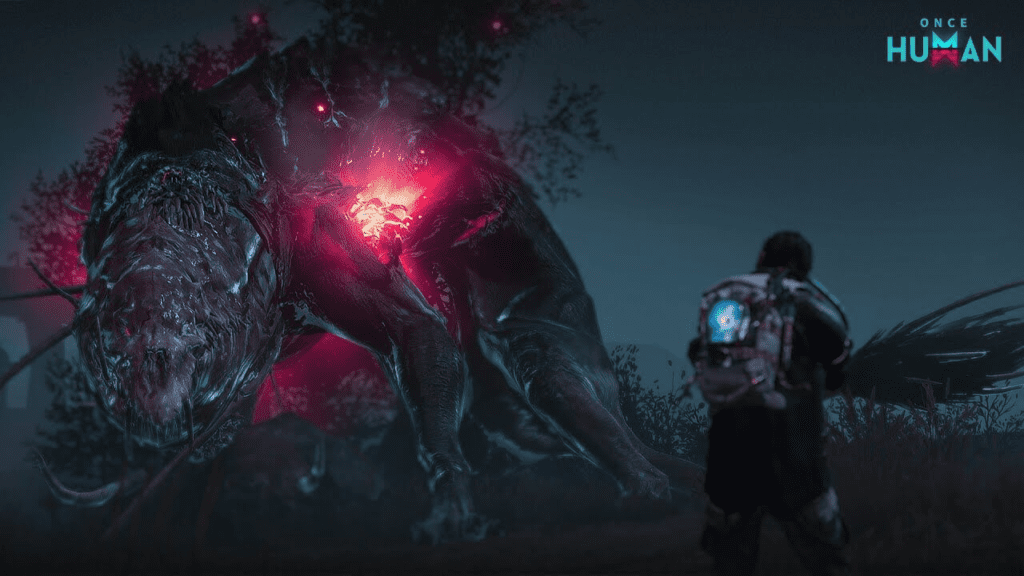
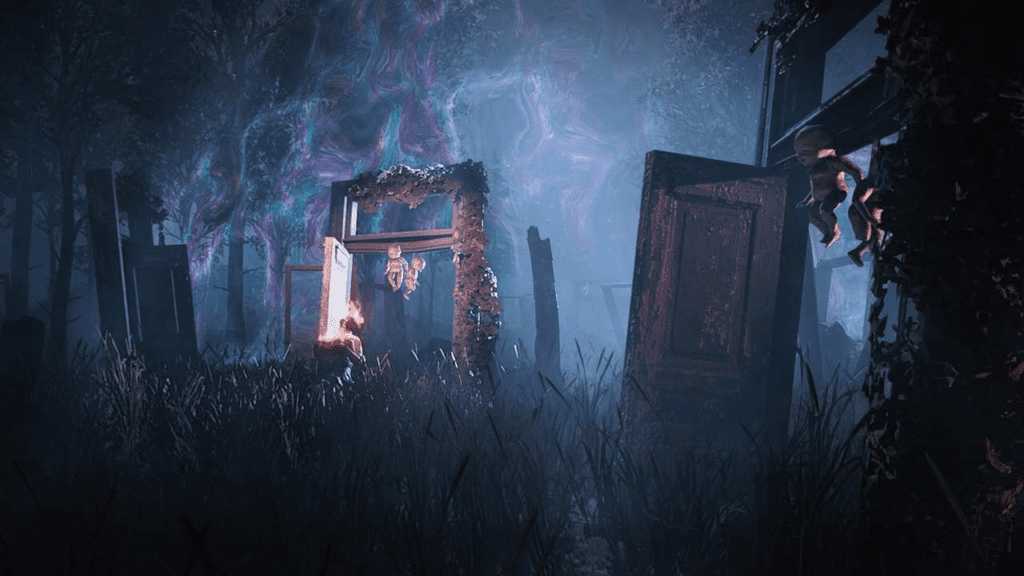
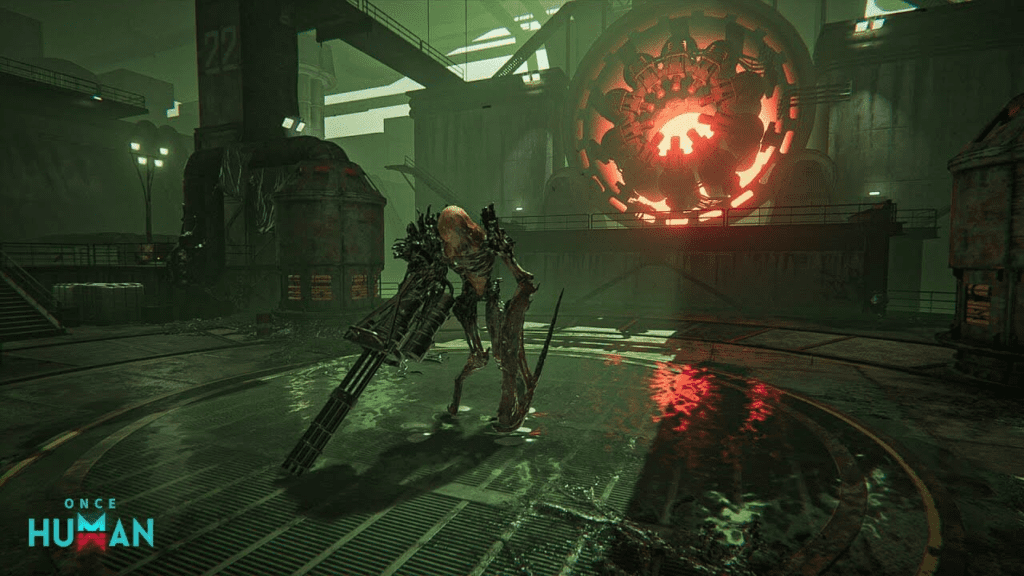
The essence of the project is succinctly summarized by a Reddit user’s comment | “Somehow the game manages to look both unique and completely typical.” This critique aptly describes Once Human, which adeptly blends elements from Days Gone, The Division, Fallout 76, and even Pokémon, infusing a distinct twist into the space horror genre. Players encounter adversaries sporting briefcases and lanterns as headgear, whose skulls turn into weapons upon defeat. Battles range from taking down a colossal boss by targeting its knees to clashing with an ambulatory bus.
The shooting mechanics in the game are deemed satisfactory, and the option to use pre-designed layouts or replicate other players’ blueprints (with permission) to construct impressive bases is attractive even to those less inclined towards building. This feature enhances the positive experience of resource collection. Although survival elements are present, such as the Sanity system that impacts maximum health in contaminated zones, changes in character weight, and more, Once Human avoids burdening players with an excessive need for resource hoarding, focusing only on what’s necessary for crafting ammunition, weapons, and gear.
The creators of Once Human have streamlined many of the genre’s more monotonous aspects, resulting in a more engaging and immersive gaming experience. While acquiring blueprint fragments can be challenging, the game’s innovative loot system, which includes a decay mechanic, motivates players to focus on crafting their equipment and weaponry.
The community has greatly appreciated Starry Studio’s efficiency in addressing emerging issues. On the release day, they introduced the capability for players to use multiple characters across different servers. Alongside server enhancements and optimizations, a wide array of bugs were fixed, ranging from non-functional buffs to the adjustment of certain anomaly probabilities.
It’s particularly commendable that the studio steadfastly maintains its principles, eschewing pay-to-win mechanics. The game employs a gacha system that uses Starchrome for acquiring weapons, equipment, and blueprint fragments. However, blueprints are also directly purchasable. Starchrome is exclusively earned through in-game activities, such as completing objectives and quests, and is not available for purchase, not even within the paid tier of the Battle Pass, which is designed to be as devoid of pay-to-win elements as possible.
In Once Human, which includes PvP elements, the developers’ dedication to fair play is particularly heartening. Their approach to microtransactions is notable for being non-intrusive, though locating seasonal targets can be somewhat inconvenient since they are placed in the same section as the Battle Pass. This sets the game apart from many others where the store and Battle Pass are located under separate inventory tabs. Some players even choose to make purchases as an expression of gratitude towards the developers.
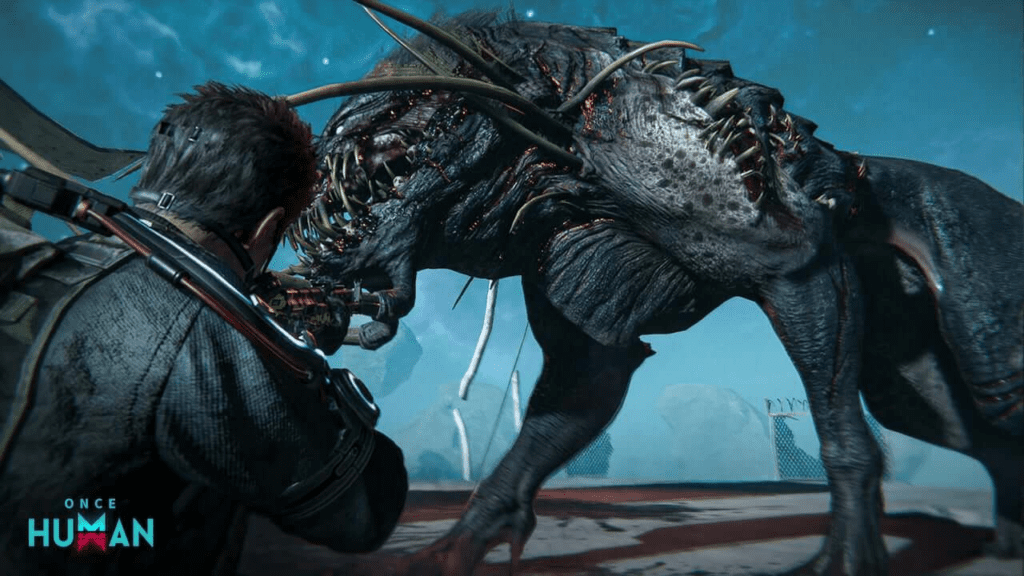
The game, while engaging, is not without its shortcomings. The seasonal system, which resets the player’s level every six weeks, has received mixed reviews. Nonetheless, certain elements like unlocked gear blueprints, fragments, Starchrome, and progress in main and side stories are retained. The base-building mechanics, particularly the installation of roofing elements, could use some refinement. Starry Studio is diligently addressing these issues to enhance the gaming experience and is also crafting new content. Come September, players can anticipate fresh PvP and PvE scenarios, featuring the exploration of a novel region and encounters with new monsters.
Like The First Descendant, Once Human might appear to be a fleeting trend—a project at risk of fading into obscurity with the next big hit. Yet, it’s evident that the developers are making the right moves to appeal to both seasoned players and newcomers alike.
The ultimate challenge will be the game’s capacity to maintain player engagement over time. At present, Once Human exhibits a commendable knack for fostering what could be termed a ‘pleasant addiction’ among its players.
The creators adeptly navigate between pioneering innovations and proven gameplay mechanics, forging a gaming experience that stands out. Ongoing updates and responsiveness to community feedback give us reason to believe that Once Human may avoid the ephemeral fate of a ‘flash in the pan’ and secure its place among the esteemed ranks of popular multiplayer survival games.
The remarkable success of Once Human can be attributed to several factors. Key among these is the game’s unique blend of genres, combining elements of survival, MMO, and horror to create an addictive experience that stands out in the market.
The developers’ commitment to creating a rich, sandbox environment where players can progress at their own pace contributes to its appeal. Additionally, the game’s atmosphere and building mechanics are particularly noteworthy, offering players a deep level of engagement. The developers’ interaction with the community, addressing issues like server wipes while maintaining progression systems, also plays a crucial role in fostering a dedicated player base. These elements, among others, make Once Human a standout title that resonates with a broad audience.