Recently, news about layoffs in the game development industry has overshadowed announcements of AAA games. Large publishers have been streamlining their operations for over a year, resulting in some staff reductions and even complete studio closures.
Each case garners empathy from the gaming community, but this year appears to be a watershed moment as studios that seemingly didn’t merit closure have begun shutting down. In certain instances, these were teams that had placed their trust in the large publishers that acquired them, only to be betrayed a few years down the line.
Publishers’ unmet expectations
The layoffs and closures in the industry are attributed to several factors, as explained by Laine Noonie, an assistant professor of media and information industry at New York University, in an earlier discussion with Polygon. The primary reason is the discrepancy between the anticipated and actual post-pandemic market behavior.
During the lockdown, people turned to video games for entertainment, leading publishers to overestimate the industry’s growth trajectory. They expected a continuous increase in game purchases, microtransaction expenditures, and streaming viewership on platforms like Twitch and YouTube. Contrary to these expectations, revenue and investment in the video game sector began to decline in 2023, with little sign of imminent recovery.
In essence, publishers misjudged the pandemic’s long-term impact on the gaming industry and their own capacity. Some were acquiring studios, while others were hiring new staff to either work on new projects or produce content for popular gaming services. It became evident that a change was necessary when expenses far outstripped revenues.
For instance, Epic Games’ dismissal of approximately 1,000 employees was linked by CEO Tim Sweeney to a shift in business strategy towards user-generated content, particularly through the Island Builders program. This initiative allows participants to use creative tools, share their work, and receive compensation, reducing the need for a large workforce as players contribute content.
Post-pandemic, a decline in revenue was met with rising budgets for major game development and marketing. The British Competition and Markets Authority reported that while the budgets for AAA console and computer games were between $50 million and $100 million in 2016, the projected costs for games slated for release in 2024 and 2025 start at $200 million, which also includes post-launch support. The report also cites an anonymous publisher discussing a project with development costs of $660 million and marketing expenses of $550 million.
In such circumstances, corporations are inclined to minimize risk-taking, as investing substantial amounts in ventures that may not yield returns is both futile and risky. Despite the uncertainty of blockbuster releases and no assurance of financial success, Epic Games’ Executive Vice President Saxs Persson remarked in a Bloomberg interview that the industry’s unpredictability means potential hits might fall short of expectations, and many things can go awry. Even significant achievements may not translate into job security; for instance, despite Marvel’s Spider-Man 2 selling 10 million copies, Sony still severed ties with numerous Insomniac Games employees earlier this year. The precise number of layoffs is undisclosed, but the team described the layoffs as grim and unprecedented.
Sony’s history of parting with talented developers isn’t new. In 2021, Japan Studio, known for creating unique and remarkable games like Patapon, LocoRoco, Gravity Rush, the Knack series, Puppeteer, and Tokyo Jungle, was shut down. These games, often considered eclectic, contributed to PlayStation’s distinctive identity. Yet, it seems Sony prioritizes blockbuster hits, as studios producing less commercially successful titles face closure. This was the case with PixelOpus in 2023; despite Concrete Genie’s favorable reviews, it didn’t achieve cult status, and the industry’s shift meant that even well-received games could be deemed expendable. Media Molecule’s future appears uncertain within this context.
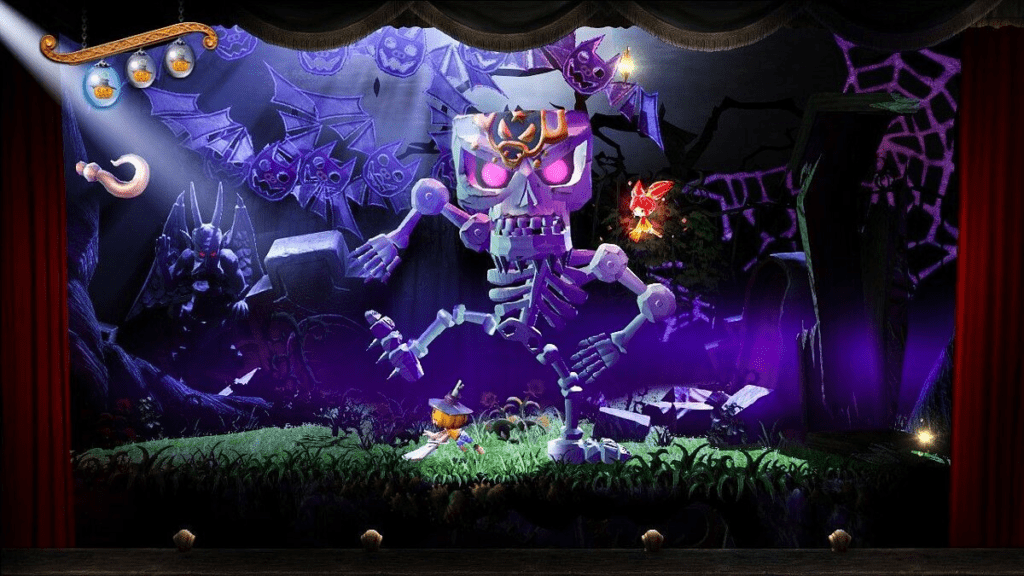
When comparing the list of PS5 exclusives with those of the PS3, the disparity is significant. The PS5, now over three years old, lacks the affordable and unique titles that Sony released in the previous decade. The exception lies in releases for virtual reality headsets, like the Moss duology, but these appeal to a niche market. Surprisingly, Sony greenlit Arrowhead’s Helldivers 2 in this climate. The sequel has surpassed its predecessor in popularity, an outcome few anticipated, underscoring the gaming industry’s volatility. Yet, Sony faltered here too, as evidenced by the widely known scandal involving PSN connectivity.
Private division
Several years ago, the publisher Take-Two shifted its focus from blockbusters and sports simulators to support independent teams. To facilitate this, Private Division was established in 2017.
“We see a growing number of independent studios creating quality new games, and we want to support such developers so that people around the world can get acquainted with their incredible projects,” the press release said.
We began with four games | one was canceled (Darkborn, previously Project Wight), two were mediocre (Ancestors | The Humankind Odyssey and Disintegration), and one was a success (The Outer Worlds by Obsidian Entertainment). Despite these setbacks, the division was not shut down. Instead, Take-Two expanded in this area and started acquiring small teams in 2020, including the developers of Kerbal Space Program and Roll7 studio.
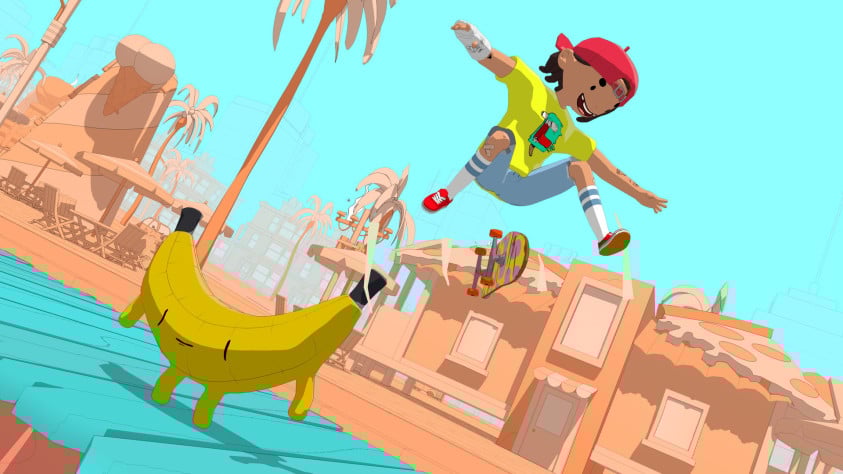
The takeover of the Kerbal Space Program series was not well-received. Take-Two established a new studio to develop the sequel and recruited several developers from the original team after disagreements over the proposed deal. Conversely, Roll7’s transition was smoother. After 15 years of independence, the studio decided that merging with a larger corporation would offer benefits such as stable funding, health insurance for all employees, paid maternity leave, holiday pay, and more.
Take-Two extended an invitation to Roll7 to join its ranks, and the studio accepted. The effort previously dedicated to securing new publishers for each title could now be channeled into fostering a robust team environment that no one would wish to leave. While Roll7 may not be renowned as a hit factory, its titles have not gone unnoticed — OlliOlli, for instance, clinched the BAFTA for Best Sports Game in 2015. Following the merger with Take-Two, the studio launched OlliOlli World, an expanded take on the skateboarding arcade simulator, which garnered the title of Best Sports Game at the D.I.C.E. Awards. Additionally, Roll7 released Rollerdrome, an engaging action game that blends elements of Tony Hawk’s Pro Skater with Max Payne.
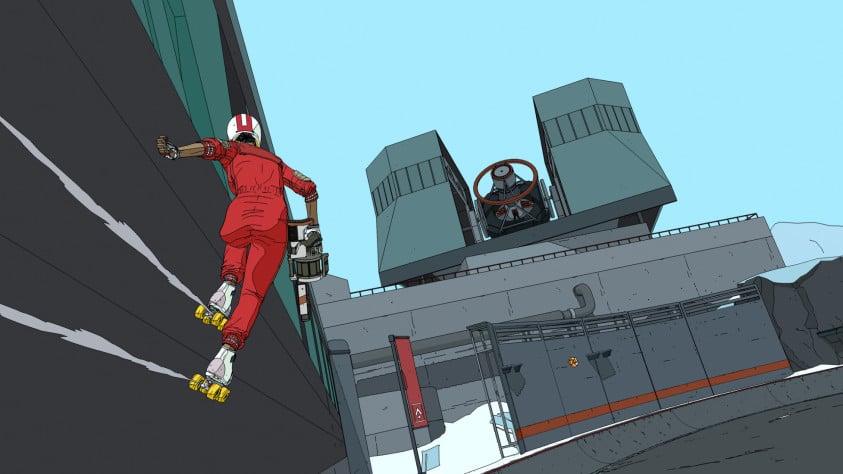
Publishers require more than just enjoyable games. In March, Roll7 revealed that Rollerdrome had reached a million players, yet just five weeks later, the studio’s closure was announced. A Take-Two representative stated on April 16 that the company began optimizing its organizational structure to “reduce costs and enhance the efficiency and profitability of the business.” This implies that funding smaller teams for smaller games has become unprofitable. However, what was the advantage for Roll7 and the Kerbal Space Program developers? Could Strauss Zelnick, the company’s CEO, not anticipate the same revenue as blockbusters?
The real conundrum is the rationale behind acquiring these teams and promising them a secure future. In November, Eurogamer interviewed two of Roll7’s creative directors, who were optimistic about two secret projects in development for over a year, with plans to reveal them soon. There were no signs of impending trouble for the studio. “The future of Roll7 appears very promising,” the journalist remarked post-interview. Yet, for a company that releases the leading basketball game annually and sells GTAV every second, alternative plans emerged. Was there truly no alternative solution?
The Last Tango
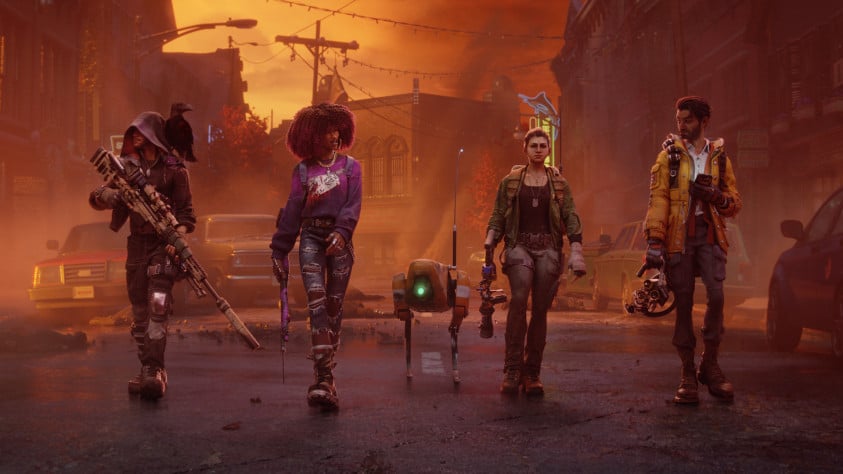
The unfortunate news continued following Take-Two’s reshuffle with the revelation of multiple Bethesda studio closures. Arkane Austin, for instance, has been shut down. Despite being known for creating Prey in 2017, the studio will likely be remembered for the unsuccessful Redfall. A Bloomberg report revealed that Redfall’s development started in 2018, prior to Microsoft’s acquisition of Bethesda/Zenimax and its subsidiaries. ZeniMax reportedly tasked its studios with developing games that could be monetized post-launch. The team attempted to devise a viable product, but due to a lack of multiplayer development experience, about 70% of the staff involved in Prey departed.
Post-merger, some Arkane Austin employees had hoped Microsoft would either cancel Redfall or convert it into a single-player game, aligning with the studio’s fanbase expectations. However, neither occurred, and Redfall’s failure was so pronounced that planned expansions were scrapped. Phil Spencer, head of Xbox, expressed his disappointment following the game’s release, stating, “To see the community losing faith in us, getting frustrated… I myself am disappointed, first of all, in myself.” This sentiment echoed within the community following the studio’s closure.
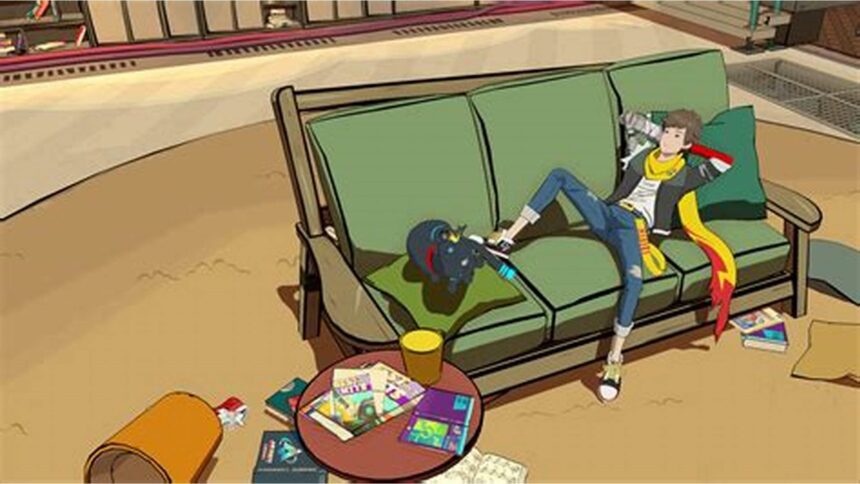
While the situation with Arkane Austin may be somewhat justifiable, Tango Gameworks’ case appears utterly absurd. Recent Xbox exclusives haven’t sparked much excitement—yes, new “Gears” and “Forza” titles were released, but nothing remarkable. Then, Hi-Fi Rush emerged unexpectedly, causing a sensation in the gaming community. It scored around 90 on Metacritic (varying by platform) and nearly 9/10 from users. Within just over a month, it attracted two million players, received five nominations at The Game Awards, winning Best Sound, and garnered the same accolade at the GDC Awards, as well as the animation award at BAFTA.
Yet, a few months post-launch, an odd turn of events occurred. Journalist Jeff Grubb reported that Hi-Fi Rush “did not generate the expected revenue for Microsoft,” suggesting that it was primarily Game Pass subscribers who engaged with the game. Aaron Greenberg, Xbox Vice President of Marketing, countered this claim, asserting that Hi-Fi Rush was indeed a hit.
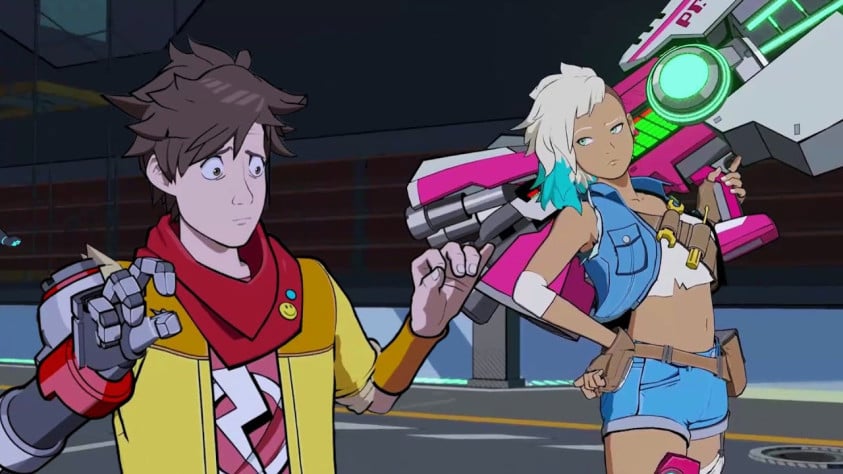
When Tango Gameworks was closed down, it seemed to confirm Grubb’s suspicions — the game was a letdown for Microsoft. The criteria for success remain ambiguous. If the issue lies with the subscription-based downloads, then the purpose of Game Pass is questionable. After all, this game is precisely the kind one would subscribe to Game Pass for. Perhaps Hi-Fi Rush’s sales suffered due to its release coinciding with its announcement. From a sales perspective, it might be deemed a failed experiment. However, the decision to shut down the studio, which had cast Xbox in a favorable light the previous year, appears to be an extremely myopic and arguably irrational move.
The day following Bethesda studios’ closure announcement, Matt Booty, head of Xbox Game Studios, informed his team that Xbox requires smaller-scale games that can enhance the brand’s reputation and garner awards. In light of Tango’s situation, this statement seemed almost ironic, suggesting that studios dedicated to such games could be abruptly shut down. Now, the creators of Hellblade II might be feeling precarious, as their game is also a short narrative-driven title primarily accessed through subscription.
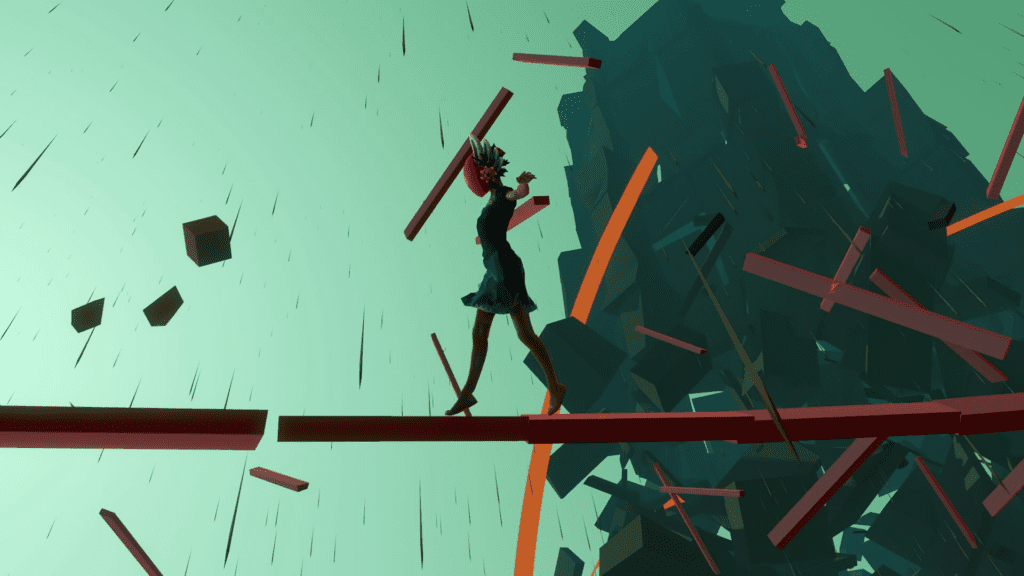
Booty’s statement seems to contradict current industry trends. Major publishers are distancing themselves from smaller games, focusing their budgets on the most costly and expansive titles. Sony Santa Monica is likely to invest five years in developing a new God of War or similar blockbuster, and the prospect of supporting smaller projects like Bound, as done eight years ago, seems improbable. Take-Two is set to launch GTAVI and likely capitalize on it for the next decade, while former employees of Roll7 are left to start anew. Meanwhile, Microsoft is concentrating on AAA games, hoping that titles like Avowed, Fable, and other exclusives won’t end up as disappointments like Redfall, assuming they are released at all.
The gaming industry is at risk of becoming increasingly dull. Corporations are not only focused on releasing hit titles but also on maximizing profits from these games. Meanwhile, talented independent developers are often left to fend for themselves or depend on small publishers, who lack the resources to support everyone. Grand statements about supporting creators often amount to nothing more than empty promises.
It would be simple to fault players for choosing graphically impressive games that offer fifty hours of gameplay. However, it is reasonable to expect that publishers, who make billions of dollars, should aspire to do more than merely accumulate wealth.