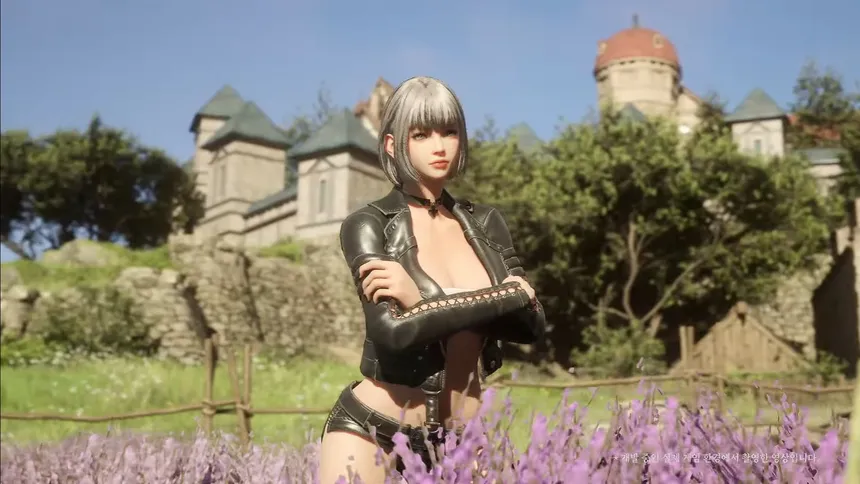
The gaming world held its breath. As promised, Com2uS, a name synonymous with innovation in the mobile gaming sphere, recently hosted a groundbreaking, large-scale presentation for their ambitious new MMORPG, “The Starlight.” Previously known under the enigmatic working title TS Project, this isn’t just another entry into a crowded genre. The developers have set themselves an audacious, almost audacious goal | not merely to create a successful MMORPG, but to fundamentally define the entire fourth generation of this beloved genre.
During a special event aptly named “The Prologue,” key figures behind the project, including the visionary Director and Storywriter Jung Sung-hwan, the masterful Art Director Jung Joon-ho, and the revolutionary Sound Designer Nam Goo-min, shared their collective vision in a dynamic roundtable format. Their aim? To forge a game that promises to be a breath of truly fresh air for millions of players worldwide.
![[더 스타라이트] 인게임 트레일러](https://www.aeondogma.com/wp-content/cache/flying-press/ce114a3085ace9dd2026354c8bf4d6c3.jpg)
The Starlight is slated for a highly anticipated global release in the third quarter of 2025, launching simultaneously on PC and mobile devices with seamless cross-platform support. Powering this next-generation experience is the cutting-edge Unreal Engine 5, a testament to the game’s commitment to visual fidelity and immersive gameplay.
The Philosophy of the “Fourth Generation” MMORPG | A New Evolution
So, what exactly constitutes a “fourth-generation MMORPG” in the understanding of the ambitious creators of The Starlight? To fully grasp this bold new concept, they meticulously recounted the fascinating stages of the genre’s evolution, offering a clear lineage for their revolutionary design:
First Generation | The Sandbox Revolution
This era was defined by groundbreaking titles such as Ultima Online. The primary focus here was on establishing a truly open online environment and pioneering early graphical capabilities, granting players unprecedented maximum freedom to shape their own adventures and interactions within the game world. It was about creating a digital playground with minimal constraints.
Second Generation | The Themepark Ascendancy
This stage marked the golden age of EverQuest and, most notably, World of Warcraft. Here, 3D graphics became the standard, and developers unleashed a huge amount of consumable content. This included an endless stream of meticulously designed quests, sprawling raids, epic sieges, and vast storylines, guiding players through a pre-defined “amusement park” experience.
Third Generation | The Hybrid Experiment
Projects like EVE Online and Albion Online exemplify this era. These games sought to consciously overcome the inherent limitations of the “amusement park” model. They aimed to empower player actions to genuinely affect the world, actively combining elements of both the first (sandbox) and second (themepark) generations. This created a dynamic where player choices held more weight and consequence.
Now, Jung Sung-hwan proposes a radical new round of evolution. He draws a compelling parallel with the modern K-pop scene, where old rhythms and beloved melodies are ingeniously reinterpreted and reimagined according to fresh, contemporary trends, creating something both familiar and exhilaratingly new.
“Today’s games are often too grandiose and cruel,” Jung Sung-hwan explains with a touch of nostalgia. “But in the early 2000s, during the golden age of MMORPGs, games were vibrant, bright, and inherently cheerful.” He continues, outlining the core of their vision | “Our paramount goal is to create a game that is visually and spiritually reminiscent of that era, evoking its joy and freshness, but at the very same time, it must look far more refined and be technologically head and shoulders above anything from that period.”
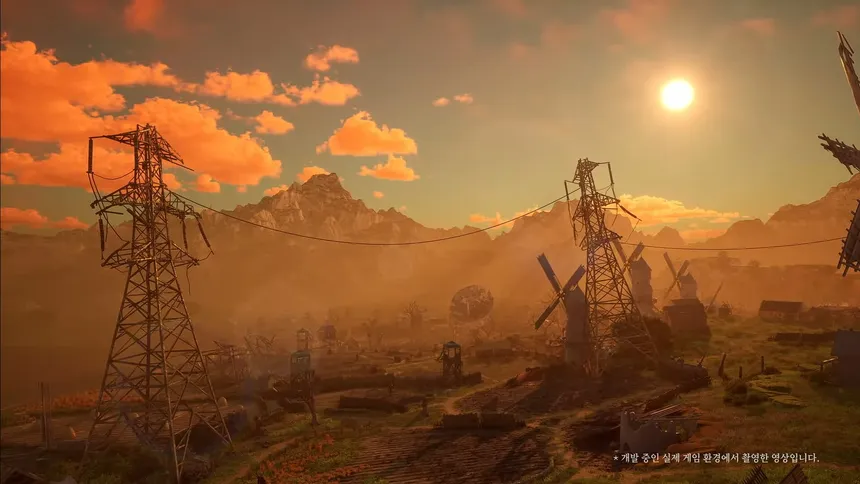
The Starlight consciously and decisively abandons the often-prevalent atmosphere of an epic, grim fight against universal evil. Instead, the game strives to capture the initial thrill, the invigorating freshness, and even the fervent excitement of aspiring adventurers embarking on their very first grand journey into an unknown, wondrous world. The decision to utilize Unreal Engine 5 isn’t simply a passing fad or a marketing gimmick; it’s a fundamental, key tool designed to ensure that this “old-style game” never, for a single moment, feels outdated or lacking in modern polish.

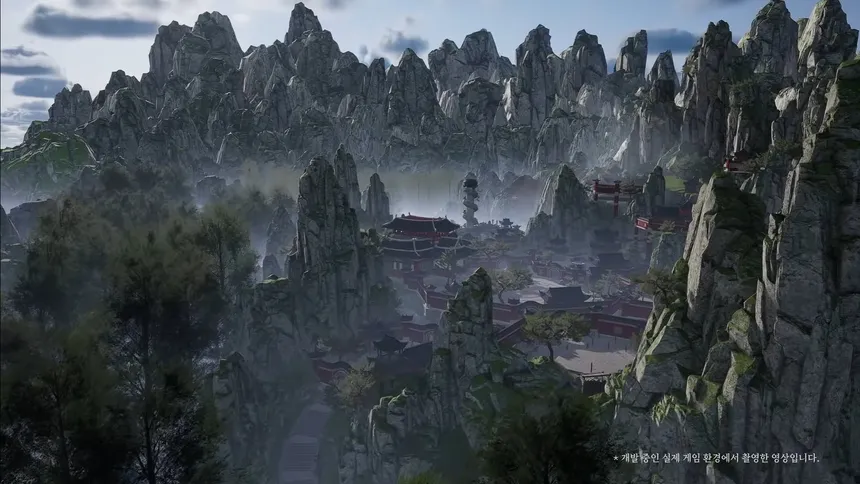
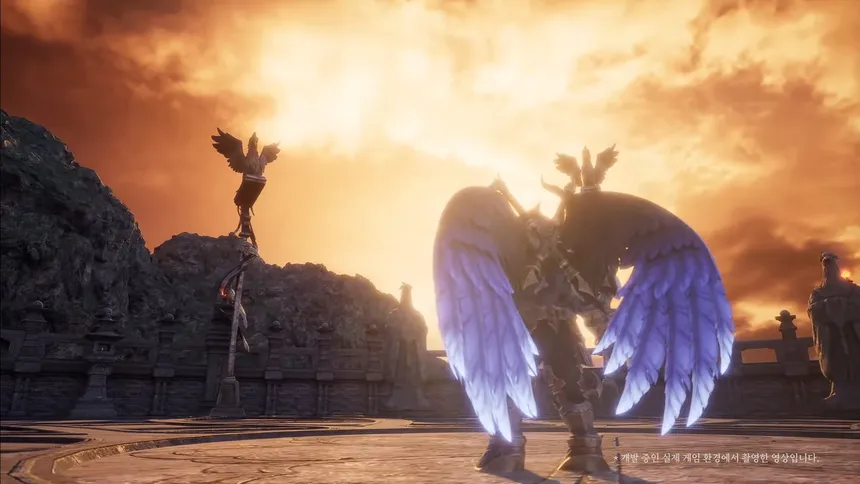
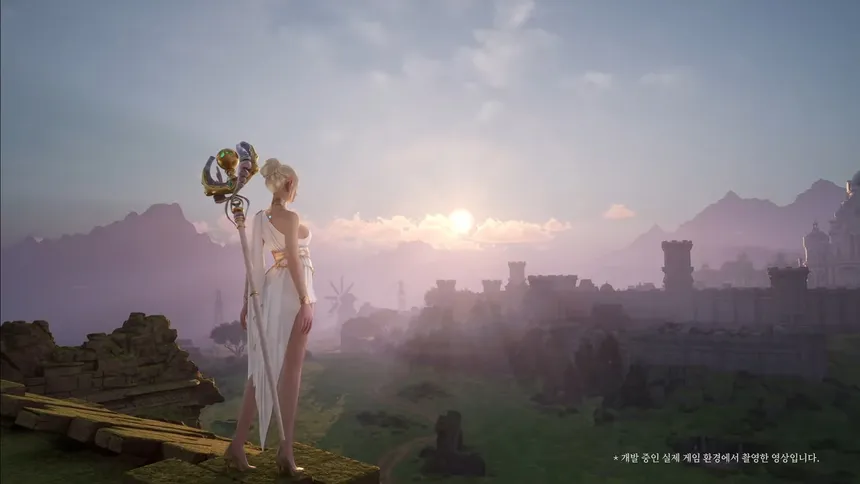



A Multiverse Born from Novels | The Starlight’s Deep Lore
The Starlight is not merely based on a loosely constructed fictional world; it is intricately woven from a rich, expansive literary universe. This complex tapestry of lore has been meticulously crafted by Jung Sung-hwan himself over an astonishing twenty years. The game masterfully combines the distinct worlds of four of his critically acclaimed novels | “The Golden Narcissus” (황금의나르시소스), “The Legend of the Colored Demon” (색마전설), “The Holy Knight” (홀리나이트), and “The Silent Tale” (사일런트테일). This deep literary foundation promises an unparalleled narrative experience.

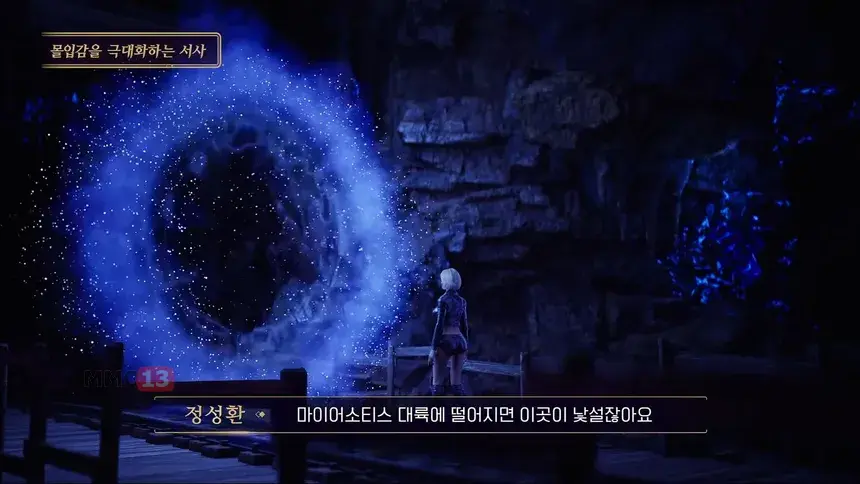
The primary setting for the game’s action is the vibrant continent of Myosotis, originating from The Golden Narcissus. In the original novel, the world miraculously managed to restore itself after a cataclysmic Chaos. However, the intricate plot of The Starlight begins with a chilling realization | the pervasive problem of Chaos has not been contained; it has metastasized, spreading its tendrils across the entire universe. This profound chaos on Myosotis has inadvertently torn open mysterious portals to other dimensions – the very worlds depicted in the other three foundational books. Through these newly opened gateways, a host of new heroes from diverse backgrounds and realities arrive on the continent, forever altering its destiny. The symbolic name of the game, “The Starlight,” which directly translates to “Starlight,” holds profound significance. In the originating novel, the narcissus flower itself was a potent symbol of Chaos, and its scattered pollen, shimmering as it drifted through the cosmos, strikingly resembled the ethereal light of distant stars, connecting the destructive force with cosmic beauty.

The underlying concept of the multiverse in The Starlight is far more than just a convenient narrative background; it is an active, dynamic element deeply integrated into both gameplay and design. Players will be compelled to travel between these interconnected worlds, tackling complex problems and engaging with challenges not only within their familiar native fantasy dimension but also in startling locations that evoke the present, or even the distant future.
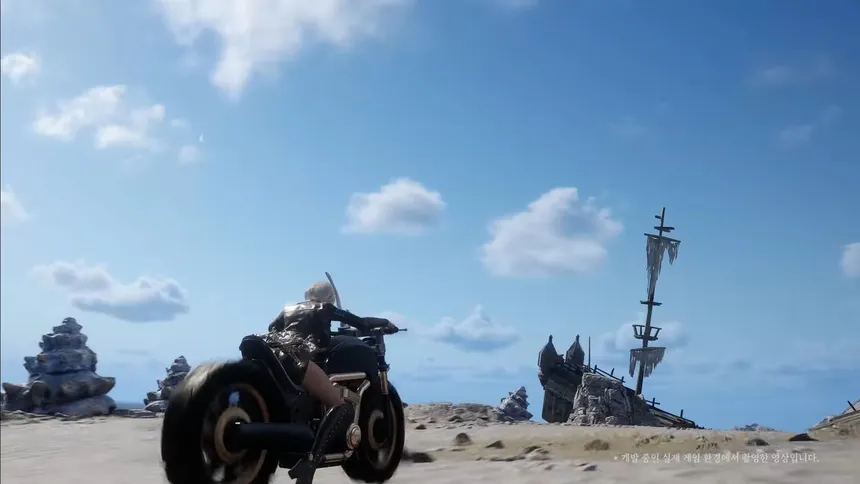
This deliberate mixture of times and realities is strikingly evident in the game’s bold visual design | amidst a seemingly medieval fantasy landscape, players might unexpectedly stumble upon incongruous yet strangely captivating modern lampposts, whimsical children’s slides, illuminated digital signs, or even sleek, futuristic motorcycles. This intentional juxtaposition ensures that the player constantly perceives and feels the pervasive mixture of times and realities, creating a truly unique and visually arresting experience that sets The Starlight apart.
Characters and Storytelling in the Spirit of Console Games | A Personal Journey
The presentation proudly unveiled the first five unique heroes who will lead players on their journey. Each character boasts a distinct appearance, a compelling backstory, a unique race, and, perhaps most importantly, a versatile dual class system that promises deep customization and varied gameplay styles:
- Irisia: A potent combination of Healer and Mage, offering both restorative and destructive magical capabilities.
- Rover: A cunning Rogue and resourceful Alchemist, skilled in stealth, trickery, and concoctions.
- Silkira: A deadly Hunter and elusive Assassin, master of ranged combat and silent takedowns.
- Rainiu Bombas: A versatile Archer and formidable Spearman, adept at both ranged and close-quarters combat.
- Deckard Rombell: A powerful Magic Swordsman and unyielding Gladiator, blending martial prowess with arcane might.


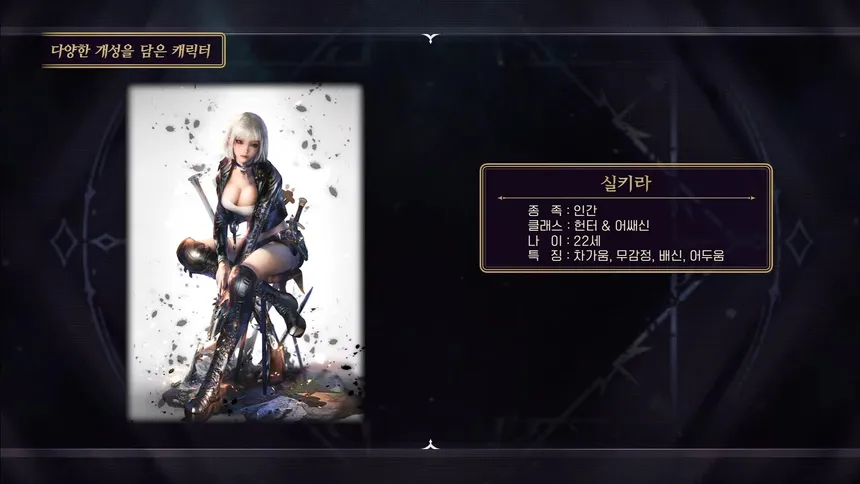


The developers have deliberately and consciously moved away from the prevalent MMORPG paradigm where players typically choose a character based solely on the “meta” utility or optimal efficiency of a particular class. Their ambitious goal is fundamentally different | to encourage and, in a way, compel players to choose the hero that genuinely resonates with them on a personal level, fostering a deeper connection.
“Immersion in the game is built around the character, not just their class,” Jung Sung-hwan emphatically emphasizes. “That’s precisely why we’ve also integrated a significant number of unique avatars and extensive customization elements, allowing players to truly personalize their chosen hero.”
The main distinguishing feature of The Starlight’s narrative is its profoundly personal orientation. Unlike many MMORPGs where quests are generic for all players, in The Starlight, assignments will not be the same for everyone. For example, Silkira, Irisia, and Deckard are all aliens from other worlds. Consequently, their specific assignments will directly reflect their unique status as “outsiders” – their initial surprise at this new reality, and their ongoing attempts to adapt and integrate.
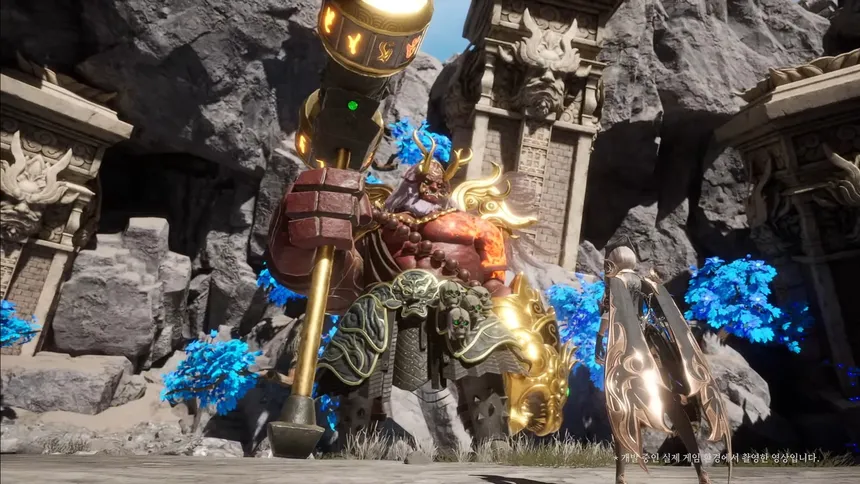


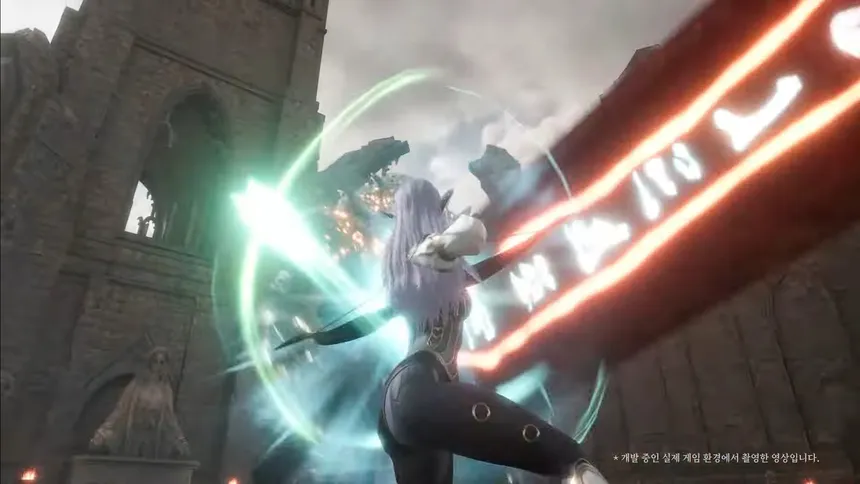



Every aspect of their experience – their dialogues, their nuanced attitude to unfolding events, and even their distinctive manner of speech – will differ significantly depending on the chosen character. Jung Sung-hwan candidly admitted that he personally undertook the monumental task of writing a huge number of unique quests to meticulously achieve this coveted “console game feel” within the expansive framework of an MMORPG. This bespoke approach promises an unparalleled level of narrative depth and player agency.
Art and Music That Create a Unique Atmosphere | Sensory Immersion
Art Director Jung Joon-ho faced an incredibly complex and challenging task when embarking on the creation of The Starlight’s visual style. His mission was to harmoniously combine wildly disparate concepts – the fantastical, the modern, and even elements of cyberpunk – into a single, cohesive, and aesthetically pleasing series. Thanks to a crystal-clear artistic vision and what the team playfully describes as “demanding control” from the author of the original literary source, the development team triumphantly managed to forge a recognizable and holistic visual style that feels both innovative and unified.
On the auditory front, Music Director Nam Goo-min is reported to have orchestrated a genuine revolution. Instead of the ubiquitous and often predictable MMORPG pretentious soundtrack, typically characterized by bombastic choirs and sprawling orchestral arrangements, he received a direct, unconventional instruction from the director | “Abandon these rules, make the music brighter.” This directive unleashed a wave of creative freedom, resulting in a truly distinctive audio landscape.
The evolution of the game’s soundtrack mirrors its bold design philosophy:
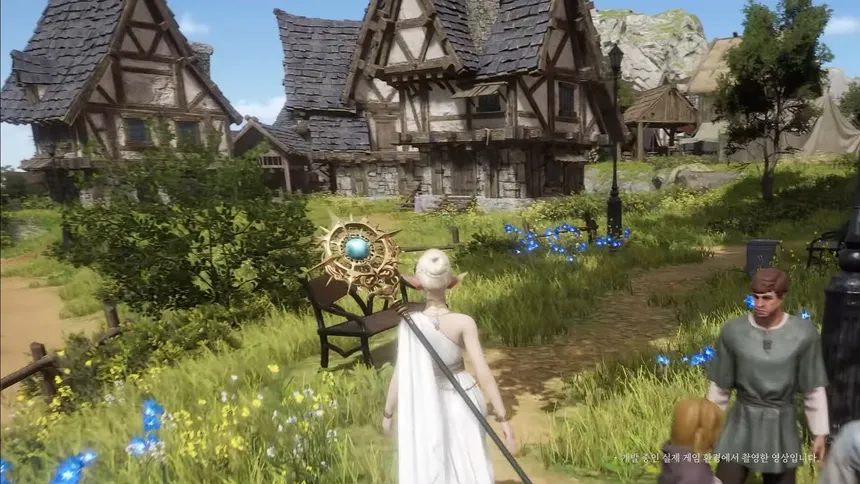
- Game Start | Mana Village: The music in the starting location, the enchanting Mana Village, immediately conveys a powerful sense of fairytale wonder and abundant natural beauty, setting an inviting tone for the adventure ahead.
- Episode 2 | Oriental Style Transition: The soundtrack smoothly transitions into a captivating Oriental style. More remarkably, Nam Goo-min did not limit himself to the traditional sounds of Korea; he masterfully mixed instruments from Korea, China, and Japan within a single composition, bravely breaking conventional musical frameworks and creating a rich, multicultural sound.
- Episode 4 | The Most Daring Experiment – Electronic Dance Music (EDM) Soundtrack: This represents the most audacious and unexpected experiment in the game’s auditory journey. Initially, even the seasoned composer himself harbored doubts about this bold decision. However, once he experienced the vibrant EDM soundtrack integrated within the game, he unequivocally admitted that it was a veritable “bull’s-eye,” perfectly capturing the energy and unique blend of realities.

This audacious approach to both art and music is designed to create a truly unique atmosphere that immerses players on a sensory level, setting The Starlight apart from its contemporaries.
The Three Pillars of The Starlight | Action, Exploration, and PvP Prowess
Jung Sung-hwan emphatically highlighted three core, foundational aspects that he believes will fundamentally distinguish The Starlight from other MMORPGs and solidify its claim as a fourth-generation title:
Bright and Dynamic Action
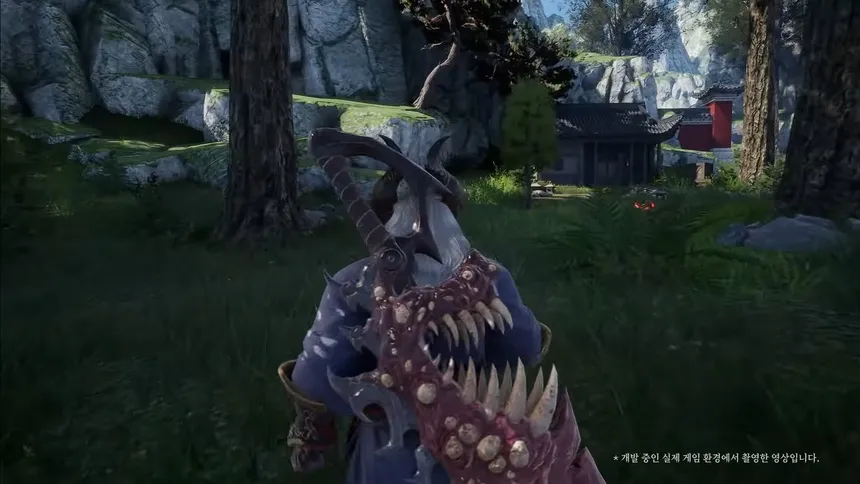
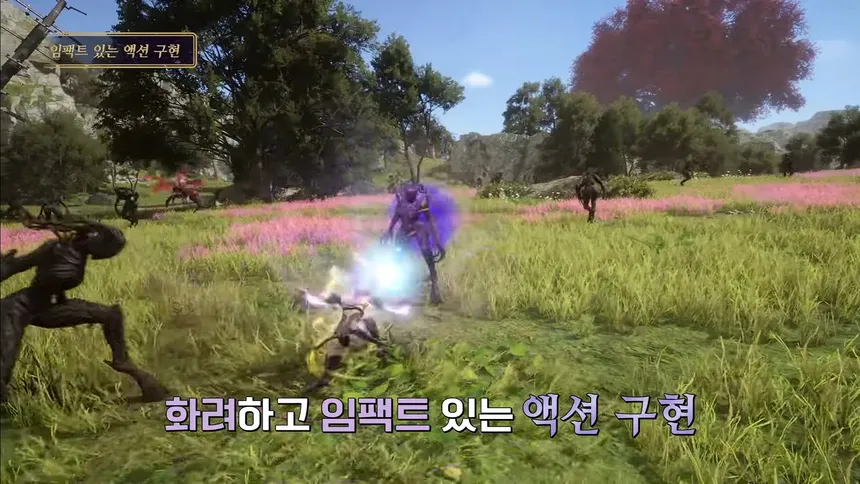
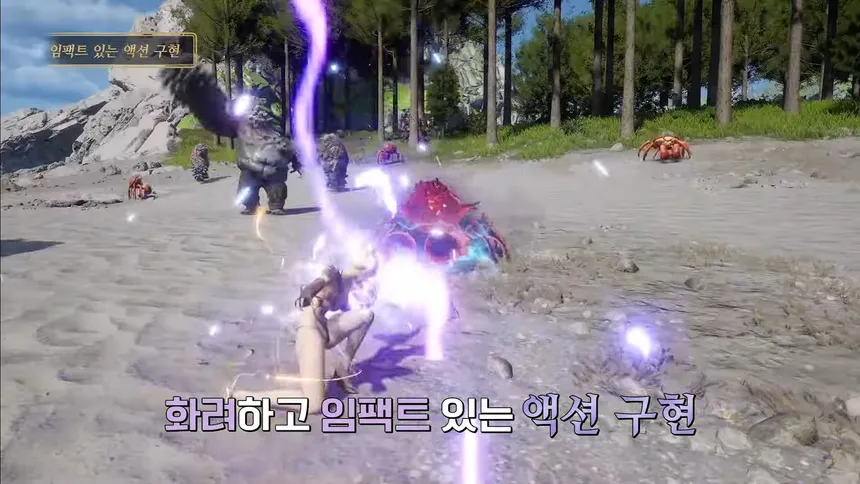
Unlike many MMORPGs plagued by a monotonous, repetitive combat system, The Starlight passionately strives for the spectacular, visceral feel of console action. Every single skill animation is the meticulously crafted result of animators, special effects artists, and sound engineers working in seamless unison to create a powerful, satisfying sense of impact and genuine consequence with every blow. This focus on combat fluidity and visual feedback promises an engaging and dynamic battle experience.
A Huge Open World and a Variety of Vehicles
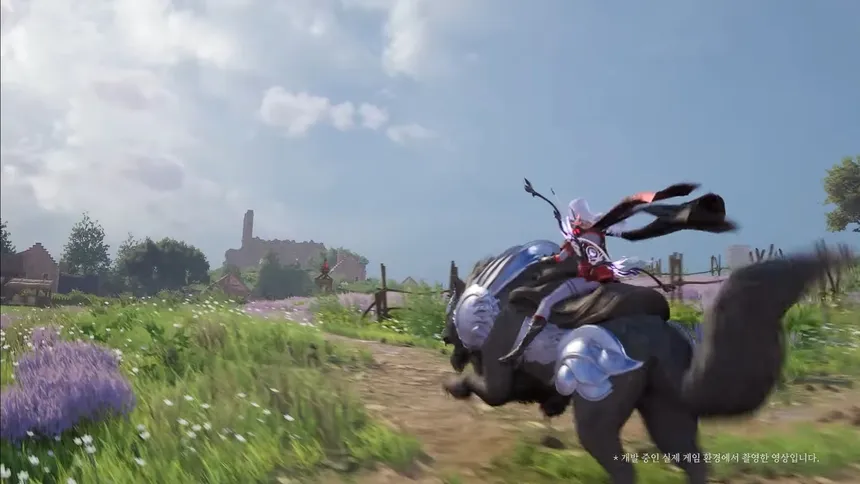
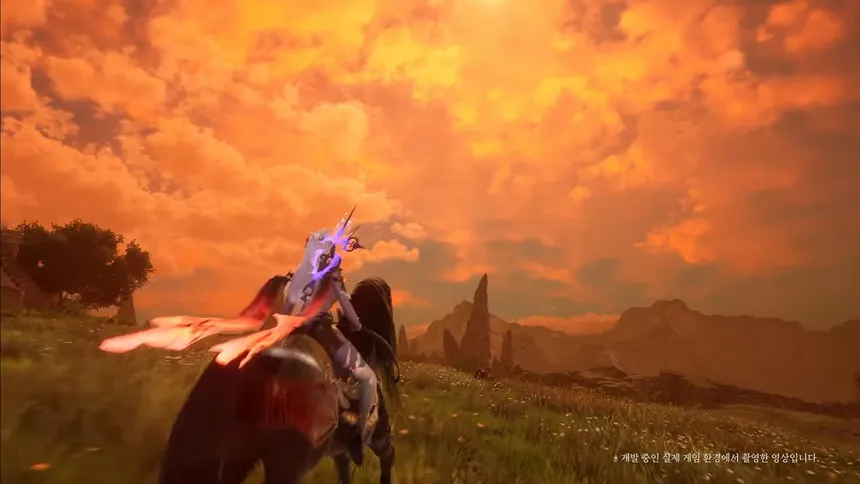
Crucially, the game is being developed with a strong eye towards the PC platform, ensuring that the world will be truly expansive and immersive. To facilitate seamless and enjoyable movement across this vast landscape, players will have access to a diverse array of vehicles. This includes not only traditional fantasy mounts like horses, bears, and wolves but also, thanks to the dynamic multiverse concept, distinctly modern modes of transport such as cars and motorcycles. This blend of the fantastical and the contemporary promises unique travel experiences.
A Variety of PvP Modes
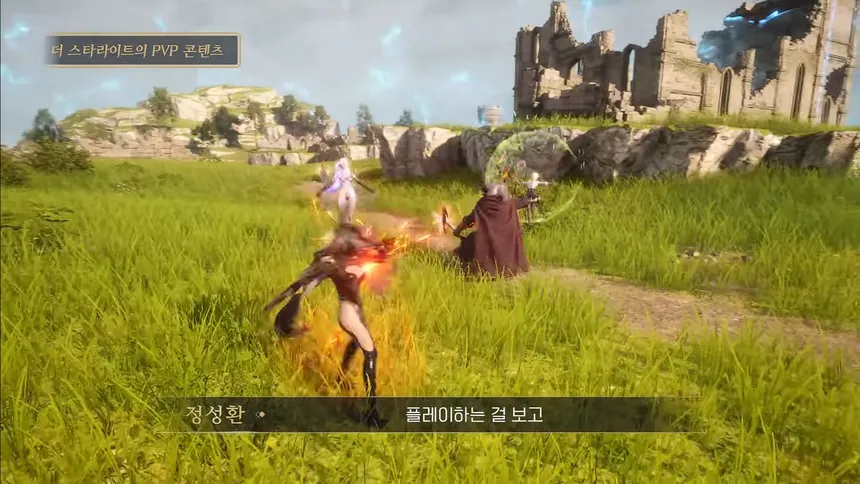
Beyond the ubiquitous and often expected classic large-scale sieges that define many MMORPGs, The Starlight will bravely introduce a non-standard mode for the genre | Battle Royale. This is not simply a shooter shoehorned into an MMORPG; it is a full-fledged PvP mode meticulously integrated within MMORPG mechanics, featuring a constantly narrowing safe zone and an intense fight for survival to the last player standing. This innovative approach to player-versus-player combat promises thrilling and unpredictable encounters.


Platforms & Pre-Registration | Accessibility and Early Access
Although The Starlight is being developed as a truly cross-platform game, its foundational core is meticulously being built for the robust PC experience. However, the developers assure prospective players that mobile players will not feel deprived in any way.
“The quality of graphics on mobile devices, of course, will be lower than on PC, which is to be expected,” affirms Jung Sung-hwan. “But the gameplay itself, the underlying mechanics, the optimization, and the overall comfort of the mobile experience will be at the absolute highest level. Already, our dedicated testers are consistently surprised at the incredible quality we have managed to achieve on mobile platforms.” This commitment to a premium mobile experience ensures broad accessibility.
![[더 스타라이트] 쇼케이스 최초 공개 | The Prologue](https://www.aeondogma.com/wp-content/cache/flying-press/8f1cf9a30dfc2b499fff65c19d6e2fdb.jpg)
For eager players looking to secure an early advantage, pre-registration is currently open on the official website of The Starlight. All participants who pre-register will receive valuable in-game items at launch, including the exclusive and highly sought-after Vanguard Warhorse mount, a perfect companion for embarking on this revolutionary new adventure.