Which month is deemed the most significant of the year? For many Harry Potter enthusiasts and admirers of the world crafted by J.K. Rowling, May or June stand out. In the tales of the young wizard, the most pivotal events unfold towards the school year’s end. For instance, it was in May that the Second Wizarding War concluded with the Battle of Hogwarts and Voldemort’s defeat. June, meanwhile, is marked by sorrowful losses, such as the deaths of the brave Cedric Diggory and the noble Sirius Black.
The present moment seems ideal for engaging in a themed game about the school of magic, yet many players have already extensively explored the expansive Hogwarts Legacy last year. Regrettably, no other significant releases have graced the fandom in over a decade.
On behalf of the entire fan community, we implore game developers to address this glaring oversight. To aid in this endeavor, here are seven inspired ideas for new games set in the beloved magical universe.
“Fantastic Beasts | How to Catch Them All”

The “Fantastic Beasts and Where to Find Them” film trilogy, despite its controversy involving Johnny Depp, turned out well, pleasing many fans and Warner Bros. executives alike. It’s surprising that a comprehensive game based on the films hasn’t been developed. While the films remain in memory, supported by the impressive Hogwarts Legacy, it’s an opportune moment to unveil an action-adventure RPG titled Fantastic Beasts | How to Catch All.
Creating a rival to the iconic Pokémon series is the most apparent route. The RPG subgenre lacks fresh, prominent titles, and the recent success of Palworld confirms the market demand. By leveraging the globally recognized universe and adding a clever, dramatic narrative, Fantastic Beasts developers have the potential to craft something captivating.
However, gladiatorial combat between magical creatures doesn’t align with J.K. Rowling’s setting or a game with a substantial plot. Thus, in Fantastic Beasts, combat should be a secondary mechanic rather than the core gameplay element, differentiating it from Pokémon.
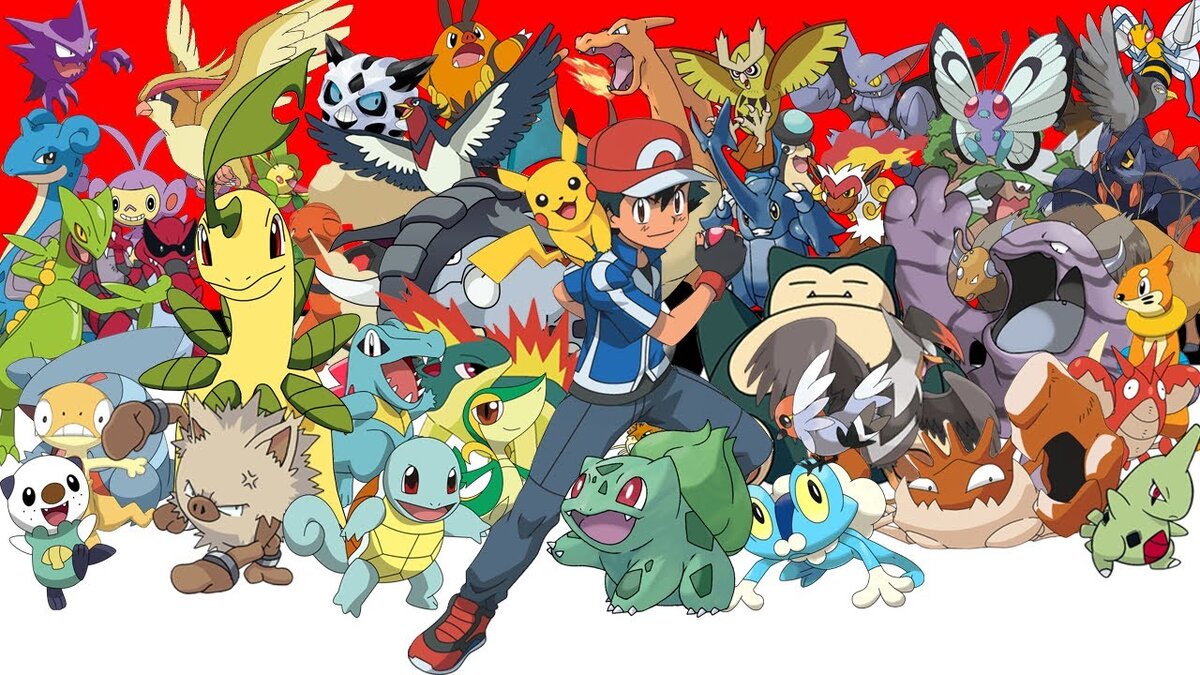
Elements from Stardew Valley and Detective Pikachu could serve as a foundation. Borrowing management aspects and related quests from the former, imagine a wizard overseeing a nursery or reserve for magical creatures, which require not just food but also entertainment. For instance, Cerberus might enjoy beautiful melodies, prompting the main character to search for or craft instruments and compose music.
Some magical pets could assign meaningful tasks, or playfully scratch the hero at each encounter, much like mischievous ferrets-jarvies. A unicorn and a hippogriff could even serve as modes of transportation within the game world.
Envisioning the phoenix as the protagonist’s full-fledged partner, akin to Detective Pikachu’s yellow electric mouse, makes sense. Endowed with a vast array of magical abilities and keen intelligence, this mythical bird could assist in intricate detective investigations and intense confrontations with dark wizards—remember, we’re discussing a game with a robust narrative.
“Triwizard Tournament”
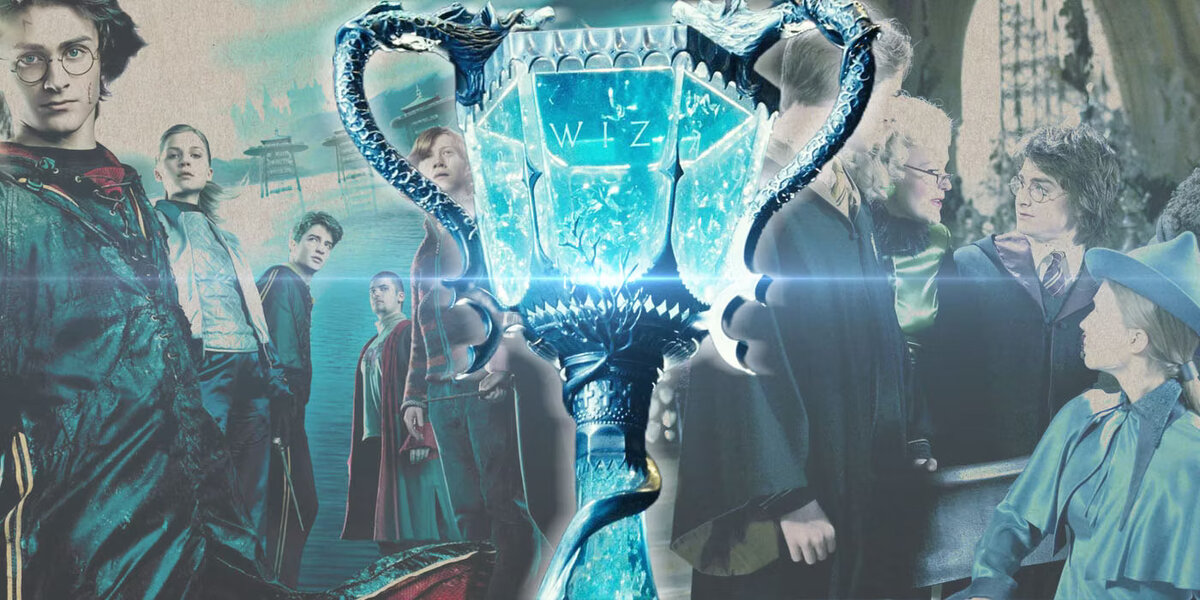
Amidst the boom of multiplayer and various game services, it’s surprising that J.K. Rowling’s Harry Potter universe hasn’t been adapted into a fitting format. Disregarding smartphone apps, I envision something truly magnificent, designed for the most advanced and modern platforms. Imagine a Triwizard Tournament action game for PlayStation 5, Xbox Series, and PC, merging numerous engaging mechanics.
The Tournament could commence with a series of challenges testing players’ wit and agility. Initially, participants would encounter enemy groups, platforming segments, and minor puzzles, reminiscent of the book and film. Subsequently, players would face off against a colossal boss, such as a troll, acromantula, or manticore. Throughout this PvE journey, characters would gather equipment and develop skills beneficial for the final showdown.

The final showdown will be a PvP magical battle involving three players, where only one can emerge victorious. This unconventional participant count adds a unique twist, and the environment provides a vast array of spells and potions for combatants. Fans could devise various builds for each contender, allowing them to select the one that best fits their gameplay style.
Should the tournament format fail to captivate investors and the focus group, an alternative is to create a variant of Hunt | Showdown infused with magic. Three sorcerers could collaborate to hunt down a beast, yet ultimately turn against each other in a bid for the grand prize. It’s common for successful online action games to spawn imitations, which occasionally even outshine their predecessors.
“Severus Snape | Antihero”
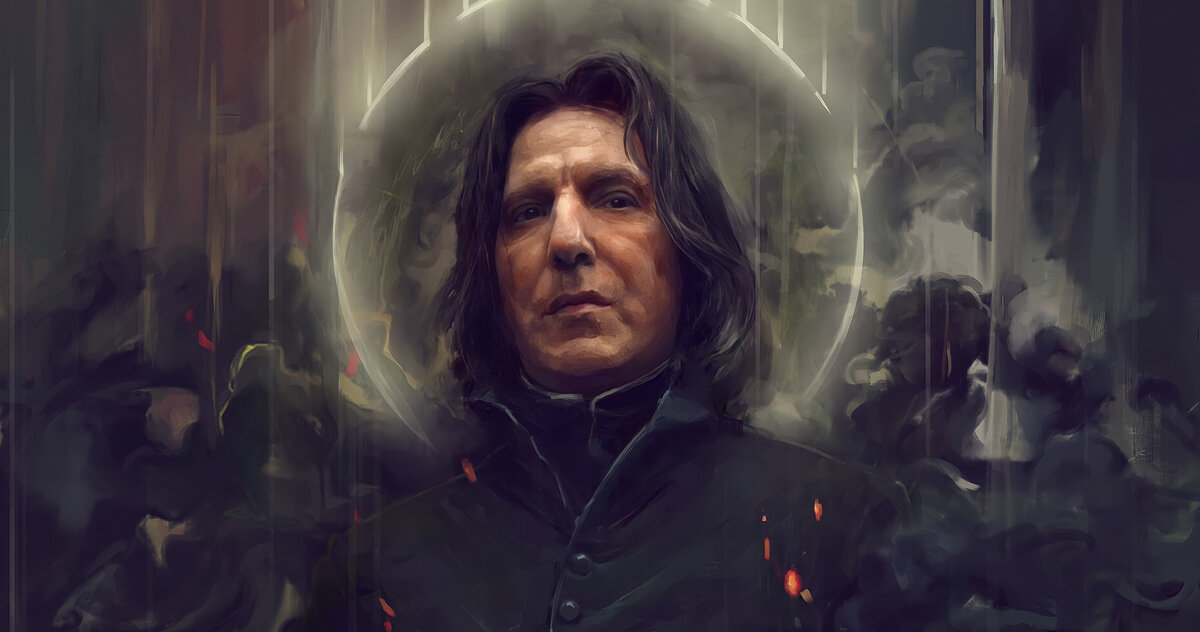
It would indeed be a disservice to exclude Severus Snape from the game, yet for such a complex character, a grander creation is fitting. Drawing from his poignant life story, an action-adventure game with RPG elements and a deeply crafted narrative would be ideal. Incorporating leveling, non-linear progression, and moral quandaries would be beneficial.
Severus Snape was initially a devoted follower of Voldemort and a member of the Death Eaters, but he defected to protect Lily Potter and subsequently served Albus Dumbledore. The Hogwarts professor later re-engaged in the struggle between Light and Dark, assuming the role of a double agent. While some unjustly scorned him, others were right to withhold their trust.
The full extent of his intricate involvement only became clear posthumously. Moreover, he was an exceptionally powerful wizard, possessing rare and nearly unique abilities, such as broomless flight and the creation of original spells.
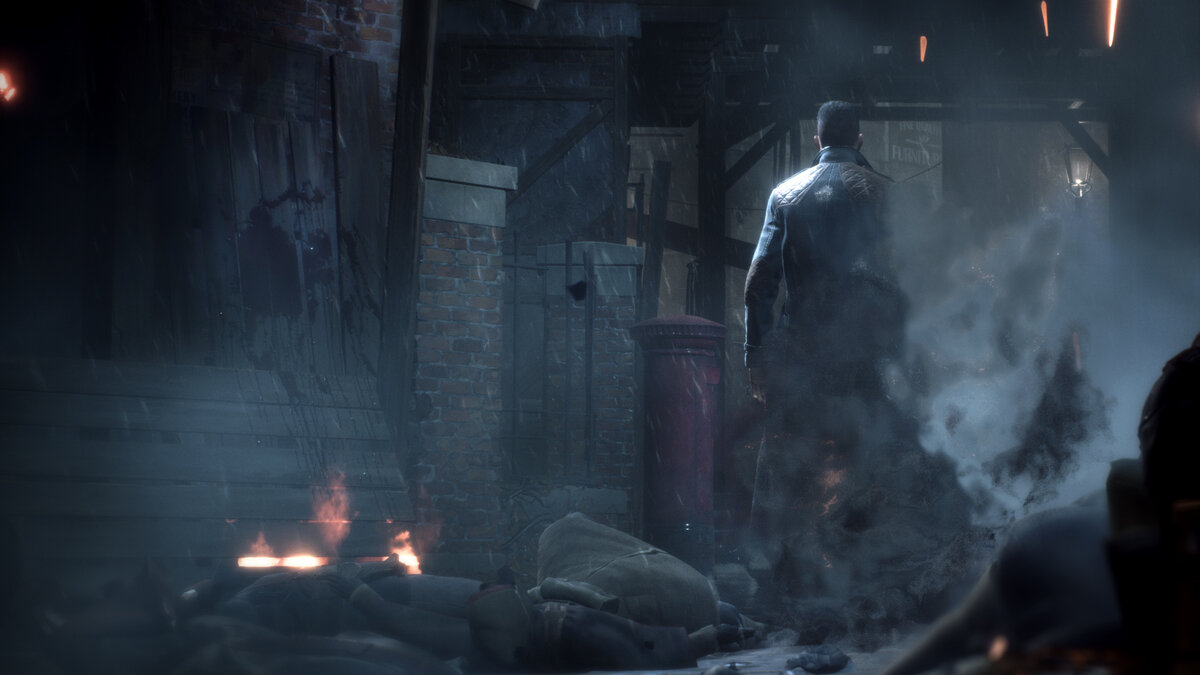
A spy action game with stealth elements, infrequent but challenging battles, and a paranoid atmosphere would be an excellent fit for a game centered on Severus Snape. The narrative could start in his childhood, depicting his troubled relationship with his alcoholic father, his love for Lily Potter, conflicts with the Marauders, and interactions with Lucius Malfoy. It would then progress to the era of magical wars, where players must choose between rapid advancement and the ethical treatment of Muggles and half-bloods, reminiscent of the somber tone set by Dontnod’s Vampyr.
A few chapters could be dedicated to Snape’s tenure at Hogwarts, detailing his conflicts with other professors and Harry Potter. The climax would involve Snape’s feigned allegiance to Voldemort, the assassination of Dumbledore, and the world’s salvation moments before his own demise. Throughout the game, Snape would be teetering on the edge of succumbing to absolute evil, scrutinizing students from other houses to gain more “experience.” This journey would allow players to experience intense emotions and make pivotal decisions that shape the protagonist’s life.
“Dark Times”
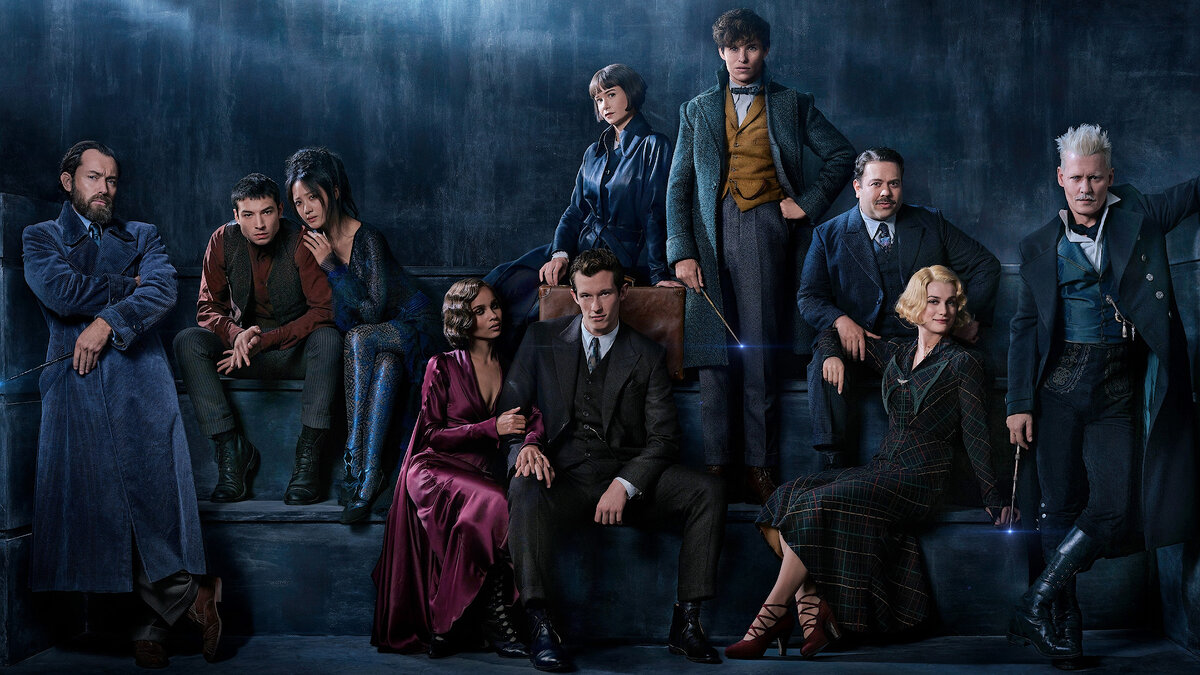
Voldemort has twice posed a threat to both wizards and Muggles, leading to numerous tragedies through these clashes of Light and Darkness. However, these events pale in comparison to the wars during Grindelwald’s era, when nearly all of magical Europe was engulfed in flames. These events could inspire an action-packed movie titled “Dark Times,” featuring a vast open world. A sandbox game in the vein of Ubisoft and Rockstar could be ideal.
Instead of modeling it after Assassin’s Creed or Grand Theft Auto, we propose drawing inspiration from the somewhat forgotten and underrated 2009 game, The Saboteur. In this game, a member of the French Resistance during World War II disrupts Nazi operations by targeting key officers, liberating the French capital and restoring its colors of freedom. This repainting is literal; as areas are freed from occupation, their visual representation transforms. The oppressive black and red palette gives way to vibrant, natural colors, which not only look stunning but also motivate further acts of heroism.

A similar approach ought to be taken in Dark Hour, particularly since Grindelwald’s defeat in 1945, with his actions over the preceding five years impacting the trajectory of World War II. Paris could serve as the setting, given a formidable villain’s significant presence in the city. The game’s protagonist might grapple with the aftermath of the dark wizard’s schemes or even thwart them to an extent.
In Dark Age, the gameplay should include combat missions, stealth segments, rooftop pursuits, and terrifying encounters in dungeons. There should also be confrontations with monstrous bosses and a climactic duel with Grindelwald. While the hero cannot stop the villain without breaking the established canon, they can weaken his forces. The player’s character will aid Dumbledore in defeating Grindelwald, then retreat into obscurity, start a family, and nurture a future member of the Order of the Phoenix.
“Red Weasleys vs. the World”

The charismatic and courageous twins, Fred and George Weasley, have always harbored the dream of establishing their own shop filled with magical gadgets and jesting devices. Their ambition was so strong that they started their business before even finishing school. One could envision a whimsical simulator game based on their magical tinkering, vibrant and enhanced with cooperative gameplay akin to Overcooked. However, this concept might seem too straightforward and lacks originality. Moreover, the narrative takes a tragic turn with Fred Weasley’s death in the Battle of Hogwarts.
When the ambitious and tyrannical Dolores Umbridge assumed the role of Hogwarts’ headmistress, the ginger-haired twins unleashed their creativity, driving the arrogant bureaucrat to the brink of insanity. The pyrotechnic display depicted in the movie and Umbridge’s public comeuppance, which instilled a sense of hope for justice among the students, represent just a fraction of the Weasleys’ valiant mischief. The novel details numerous additional shenanigans that would be ideal for a humorous stealth action game, leaving room for the invention of even more elaborate pranks.

Imagine the twins, akin to the notorious episode “How to Get Your Neighbor,” concealing themselves in the nooks and crannies of the school, setting up a veritable “minefield” for Dolores Umbridge and her allies such as the caretaker Filch and Draco Malfoy. Envision magical tripwires, showers of frogs and slugs on unsuspecting victims, corridors morphing into swamps, immobilizing bombs, and even laxatives slipped into beverages as part of Fred and George Weasley’s guerrilla warfare.
Should a game about a neighbor in a regular city succeed in crafting numerous thrilling levels, then the possibilities within the vast and enchanting Hogwarts are nearly boundless. Villains could be endowed with distinctive abilities and weaknesses to render the gameplay even more captivating and varied.
“Secret Society of Magicians”
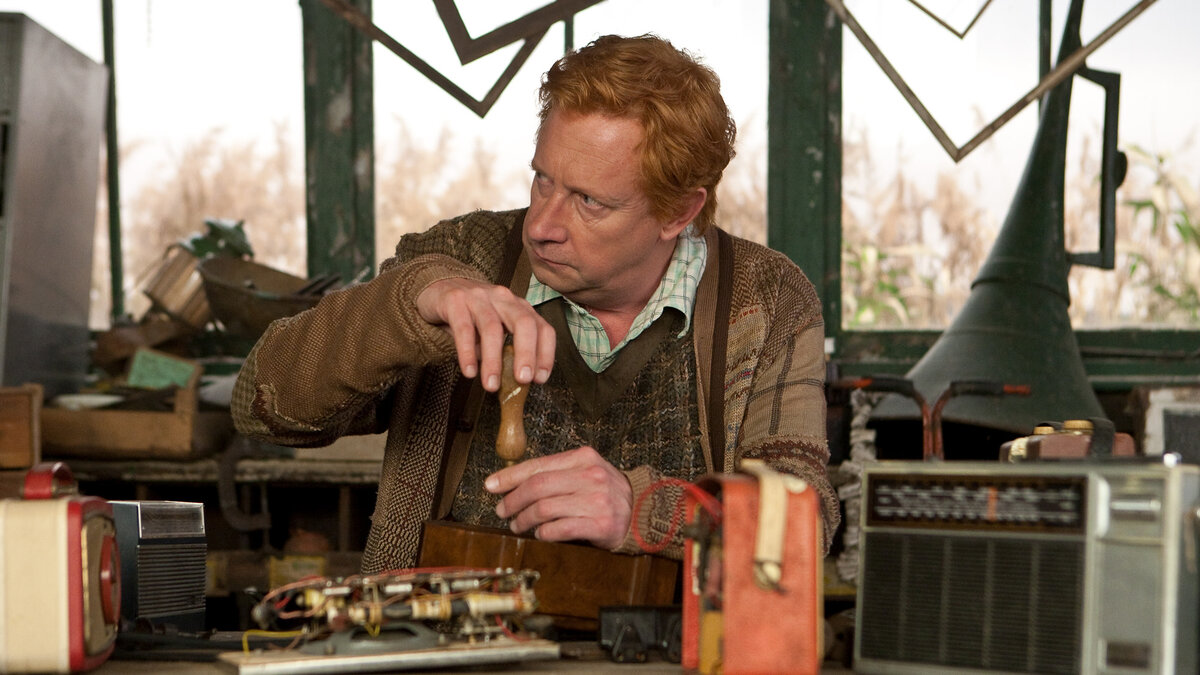
Equally fascinating as the hobbies of the Weasley twins is the work of their somewhat clumsy, yet brave and kind-hearted father, Arthur. He is employed at the Ministry of Magic, a place teeming with bureaucrats, yet he carries out quite extraordinary tasks. Firstly, he combats the illegal enchantment of Muggle artifacts. For instance, he ensures that no one bewitches a car to fly through the skies over England.
Secondly, Arthur addresses the repercussions of magical misuse by concealing the evidence of wizards’ existence from Muggles. Cleanup specialists like Mr. Weasley arrive at the scene to release Muggles trapped in enchanted trees, pacify possessed and furious vacuum cleaners, chase away pixies drawn to the chaos, and wipe the memories of those affected.
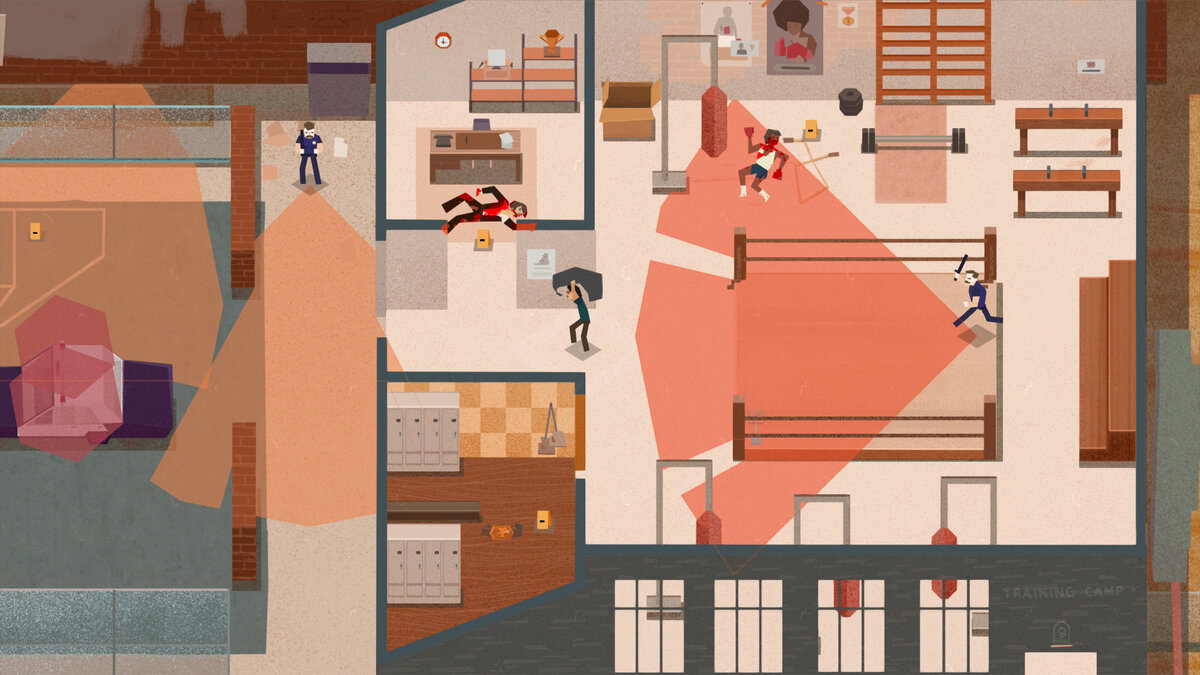
Certainly, avoiding battles with monsters is not always feasible, yet Arthur and his team are not combatants by nature and opt for subtlety in their actions. The tasks often require both caution and speed to prevent attracting bystanders or the Muggle police. A touch of humor and self-irony would serve “The Secret Society of Magicians” well, as Arthur Weasley’s line of work inevitably leads to amusing and absurd situations.
For the development of “The Secret Society of Magicians,” the stealth action game Serial Cleaner could serve as an inspiration. This game, while affordable, boasts style, originality, and has been well-received. While it’s not necessary to directly replicate many of its ideas, its success demonstrates the potential for such a concept.
Harry Potter | Fast & Furious

The final entry in our series of seven highly promising projects will draw inspiration from Nintendo’s enduring blockbuster, much like the first. Imagine creating your own version of Mario Kart featuring Sirius Black and high-speed broomsticks.
Enchanted with magic, this setting would enable players to chart extraordinary courses through Earth’s most peculiar locales, circling Azkaban, weaving through Hogwarts, skimming the cobblestones of Diagon Alley, and racing across the platforms of London Station. Wizards will have the power to accelerate and disrupt their opponents | launching bombs, guzzling potions, and casting spells.
This concept would seamlessly integrate into the genre. After all, if karting games can star the Smurfs, SpongeBob, Sonic, Garfield, Mickey Mouse, and even caricatures of real Formula 1 drivers, why should Harry Potter and Cedric Diggory not join the ranks?

Each Fast & Furious character can be endowed with unique abilities. Moreover, the universe of J.K. Rowling is rich with various vehicles; magicians are not confined to broomsticks, even though they favor the renowned “Nimbus.” The books mention flying carpets, highly favored by sorcerers from Central Asia, and giant petrels, used by Japanese students to fly to school.
A magical racer astride a hippogriff, a thestral, or a diminutive dragon would seamlessly fit into this universe. The boldest British wizards might approach the starting line in a flying car, which must be blue, of course. Hagrid, ever the maverick, would likely barrel along on his motorcycle with a sidecar, given the race regulations are quite permissive.
Aeons, have we overlooked anything? Have you anticipated all your desires? If not, then voice your ideas – there’s a slim, yet non-zero, chance that developers might take notice of them. What if we are the catalysts that inadvertently revolutionize the industry?