The process of creating video games is a monumental undertaking, often riddled with challenges that can derail even the most promising projects. Many games launch in a less-than-ideal state, plagued by bugs, poor optimization, or a lack of content, leaving players frustrated and disillusioned. Yet, the story doesn’t always end there.
Some developers refuse to abandon their creations, pouring time and effort into updates and fixes that transform these troubled titles into beloved favorites. This article explores the phenomenon of games that stumble out of the gate but, through dedication and perseverance, rise to greatness. Below, we’ll dive into some standout examples of games that turned their disastrous debuts into triumphant success stories.
The Rocky Road to Redemption
Video game development is a high-stakes endeavor. After years of hype, teasers, and soaring expectations, a game’s launch can quickly turn sour if it arrives broken or incomplete. Bugs that crash the game, missing features promised in trailers, or unpolished mechanics can spark outrage among fans. However, for some studios, this initial failure becomes a call to action. Rather than walking away, they roll up their sleeves, release patches, and sometimes even overhaul entire systems. Over time, these efforts can breathe new life into a game, turning detractors into devotees and proving that a rough start doesn’t have to mean a permanent fall.
This resilience is what separates a flop from a phoenix. Games that once seemed destined for obscurity can, with enough care, become shining examples of redemption. Let’s take a closer look at some titles that exemplify this journey, rising from the ashes of a botched release to earn their place in gaming history.
Street Fighter V | From Barebones to Brilliant
When Street Fighter V hit the shelves in 2016, it was a far cry from the polished fighting game fans expected from Capcom. The $60 price tag felt unjustified given the game’s glaring omissions | no arcade mode, no AI opponents to battle, and severely limited online lobbies. The launch version felt raw and unfinished, drawing ire from the series’ loyal fanbase.
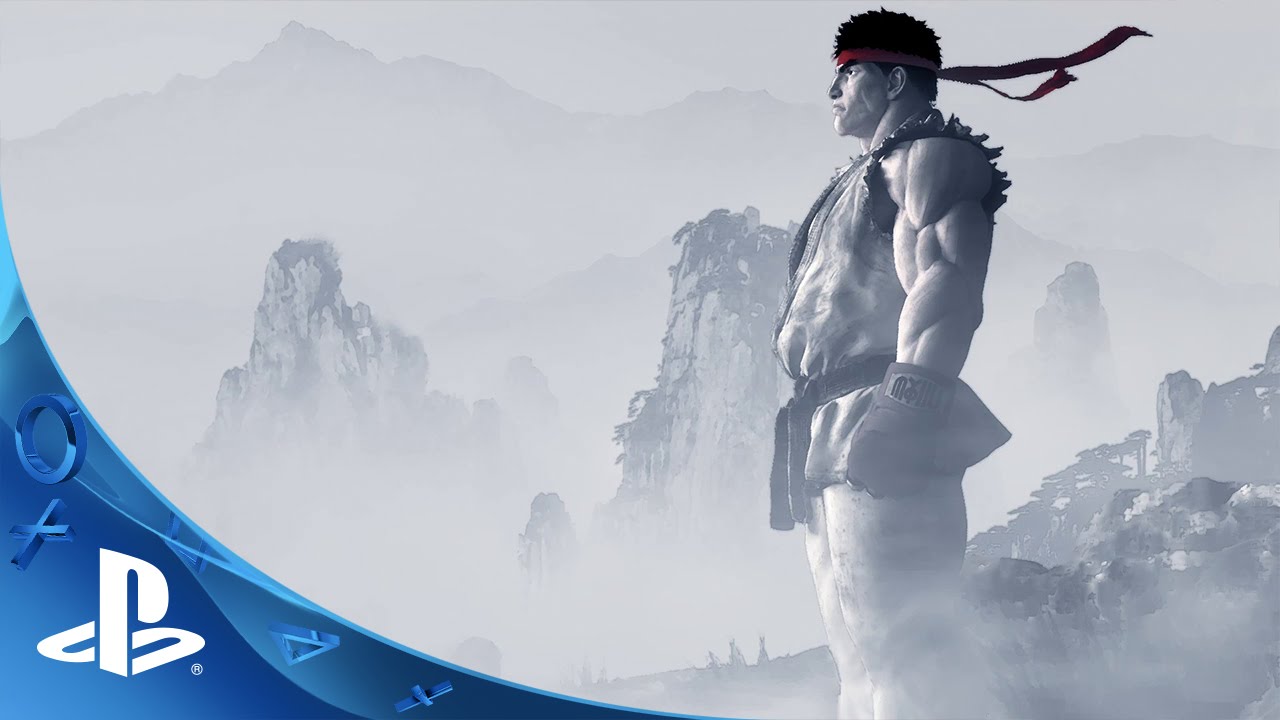
Capcom, however, didn’t throw in the towel. Over the next six years, they steadily refined Street Fighter V into a powerhouse. Updates brought an expansive roster—the largest in the franchise’s history—along with a full-fledged arcade mode, enhanced gameplay mechanics, and robust online tournament features. By the time the dust settled, Street Fighter V had evolved into one of the standout fighting games of its generation. With Street Fighter 6 now on the scene, fans are optimistic that Capcom has learned from its past missteps and will deliver a complete experience from day one.
Cyberpunk 2077 | A Tale of Bugs and Redemption
Few launches have been as infamous as Cyberpunk 2077’s debut in December 2020. Developed by CD Projekt RED, the game arrived amid sky-high expectations, only to crash and burn—quite literally—on last-gen consoles like the PlayStation 4 and Xbox One. Players encountered abysmal frame rates, frequent crashes, and game-breaking bugs. The fallout was so severe that Sony pulled it from the PlayStation Store, a rare move that underscored the title’s dire state. Even on PC, where performance was marginally better, players faced graphical glitches, stuck NPCs, and a hollow police system that undermined the open-world experience.
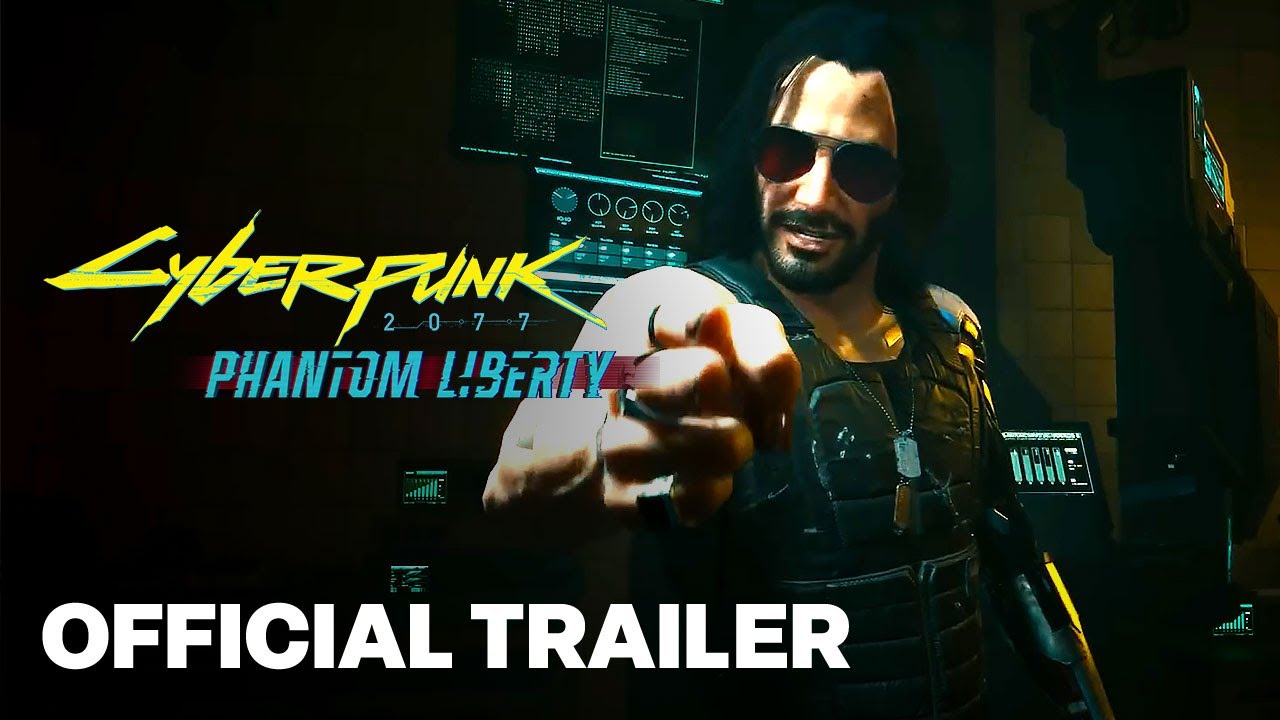
CD Projekt RED faced accusations of misleading marketing, having showcased features that didn’t make the final cut while withholding console review copies pre-launch. Yet, the studio didn’t abandon the project. Through a series of patches, they tackled technical issues, bolstered AI behavior, and refined RPG elements. The Phantom Liberty expansion in 2023 marked a turning point, adding depth and polish that finally won over many skeptics. While some scars remain, Cyberpunk 2077 stands as a testament to the power of persistence.
Star Wars | Battlefront II | Loot Boxes to Legacy
Star Wars | Battlefront II’s 2017 launch was overshadowed by controversy. EA’s implementation of loot boxes and microtransactions turned progression into a slog, alienating players who felt cheated by the pay-to-win model. An EA spokesperson’s claim that grinding for heroes offered “a sense of pride and achievement” became a lightning rod for criticism, earning the most downvoted comment in Reddit history. The backlash was so intense that EA scrapped microtransactions entirely.

Over time, DICE and EA retooled Battlefront II with balance tweaks, expanded content, and a fairer progression system. What emerged was a polished multiplayer shooter that captured the spirit of the Star Wars universe. Though it never fully shed its rocky reputation, Battlefront II now enjoys a solid standing among fans, proving that even the most vilified releases can find redemption.
Batman | Arkham Knight | The Dark Knight Rises Again
As the final chapter of Rocksteady’s acclaimed Arkham trilogy, Batman | Arkham Knight promised a grand send-off for the Caped Crusader. While the console versions delivered a gripping experience, the PC release in 2015 was a disaster. Low frame rates, stuttering, crashes, and compatibility issues plagued players, with the Batmobile’s clunky controls exacerbating the frustration. The outcry led Warner Bros. to pull the game from sale temporarily.

After months of patches—and some help from modders—the PC version was salvaged. With its technical woes resolved, Arkham Knight reclaimed its status as a worthy conclusion to the trilogy. Today, it boasts a 91% positive rating on Steam from over 91,000 reviews, a far cry from its troubled beginnings.
Halo | The Master Chief Collection | A Multiplayer Miracle
On paper, Halo | The Master Chief Collection was a dream come true for fans | remastered classics, a revamped Halo 2, and multiplayer glory all in one package. But its 2014 launch was a nightmare, with broken matchmaking and connectivity issues rendering online play nearly impossible. Microsoft issued apologies, offering free Xbox Live Gold and the Halo 3 | ODST campaign as amends.
Developer 343 Industries spent years ironing out the kinks, eventually expanding the collection with Halo | Reach, cross-platform support, and a Steam release. Today, The Master Chief Collection is hailed as the definitive Halo experience, a shining example of how to right a sinking ship.
Kingdom Come | Deliverance | A Medieval Miracle
Kingdom Come | Deliverance, a 2018 release from Warhorse Studios, started as a Kickstarter darling with big ambitions | a realistic RPG set in the Middle Ages, sans fantasy tropes. But its launch was marred by technical hiccups—broken scripts, freezes, and a punishing save system that could erase hours of progress.

Warhorse diligently patched the game, smoothing out its rough edges. Now, with over 8 million copies sold (boosted by frequent discounts), Kingdom Come stands out as a unique, grounded RPG that rewards patient players with a rich historical adventure.
No Man’s Sky | A Universe Reborn
Hello Games’ No Man’s Sky launched in 2016 with bold promises of infinite exploration, but delivered a buggy, repetitive experience that left players feeling cheated. The backlash was fierce, with some even confronting developers in person. Yet, Sean Murray and his team doubled down, rolling out updates that added base building, new ships, and vastly improved procedural generation.

Years later, No Man’s Sky is a poster child for redemption, offering a sprawling, engaging space odyssey that fulfills much of its original vision. It’s a rare case of a game rising from infamy to acclaim.
Final Fantasy XIV | A Realm Reborn
Final Fantasy XIV’s 2010 debut was a catastrophe for Square Enix. Dull quests, a clunky combat system, and abysmal optimization doomed the MMORPG from the start. In a bold move, the developers orchestrated an in-game apocalypse—unleashing the dragon Bahamut to destroy the world—before shutting down the servers. A year later, A Realm Reborn emerged as a complete overhaul.

Since then, FFXIV has soared, with expansions like Endwalker (2021) and Dawntrail (2024) cementing its status as a titan of the MMORPG genre. It’s a remarkable turnaround that few saw coming.
For Honor | Forging a Legacy
Ubisoft’s For Honor debuted in 2017 with a fresh take on medieval combat, but unstable servers and matchmaking woes dulled its shine. Players dropped off as connection issues persisted, threatening the game’s future.

Ubisoft responded with improved netcode, new content, and balance tweaks. Today, For Honor thrives as a niche but vibrant action title, pitting samurai, Vikings, and knights against each other in epic duels.
Fallout 76 | Wasteland Revival
Fallout 76’s 2018 launch was a misfire for Bethesda. The multiplayer spin-off suffered from poor optimization, sparse content, and a lack of NPCs, while scandals over collector’s editions and a paid Fallout 1st subscription fueled the fire.

Yet, updates brought NPCs, storylines, and technical fixes, gradually transforming it into a decent online RPG that appeals to Fallout fans—though it’s yet to reach classic status.
Conclusion | The Power of Perseverance
These stories highlight a universal truth in gaming | a bad launch doesn’t have to be the end. With dedication, developers can turn flops into triumphs, earning back trust and building legacies. From Cyberpunk 2077’s technical redemption to Final Fantasy XIV’s rebirth, these games prove that second chances are possible—and sometimes, they lead to greatness. As the industry evolves, these redemption arcs serve as both cautionary tales and inspiring reminders of what’s possible when creators refuse to give up.