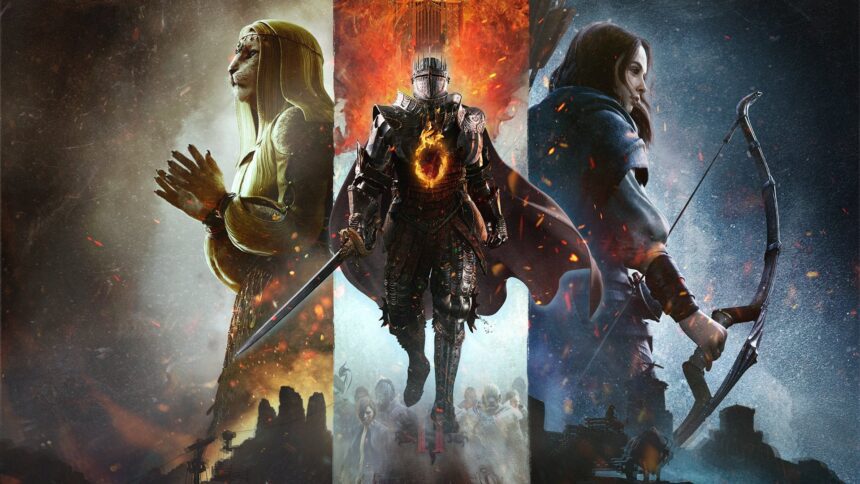
The original Dragon’s Dogma, released in 2012, seemed to be misunderstood by the audience. Internet comparisons with Skyrim were frequent, yet those seeking a Skyrim-like experience were often left disappointed. The game received mediocre ratings and lacked significant hype. Not even the delayed PC release or the Dark Arisen add-on, which significantly improved and essentially completed the game, could change that. Despite this, Dragon’s Dogma achieved cult status among a dedicated fanbase. Capcom insists that the game’s sales were satisfactory and that it was a hit. Nevertheless, fans have been anticipating a sequel for nearly 12 years, and with good reason.
However, approaching Dragon’s Dogma 2 requires an understanding and acceptance of its unique nature. It is an open-world RPG, yet it diverges significantly from other modern open-world games and bears little resemblance to Skyrim. Dragon’s Dogma 2 retains an old-school charm, is intentionally challenging in certain aspects, and possesses a distinct oddity, all of which contribute to its deliberate and strong-willed character.
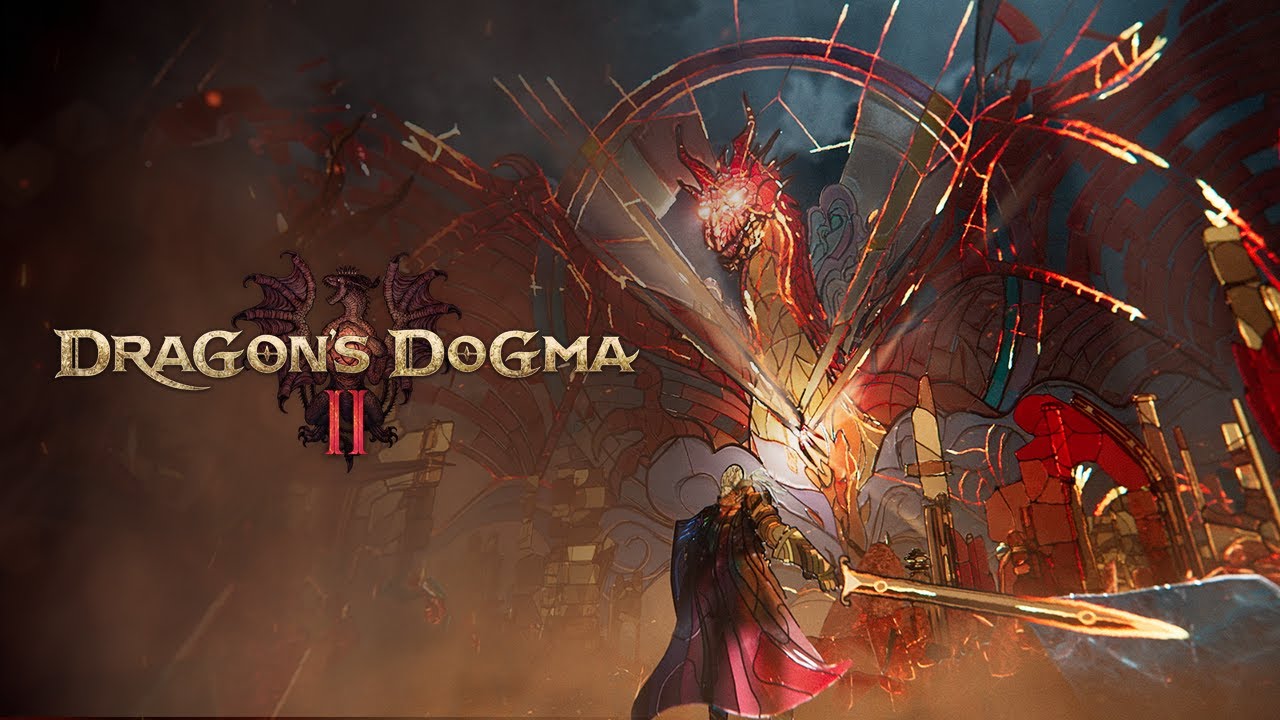
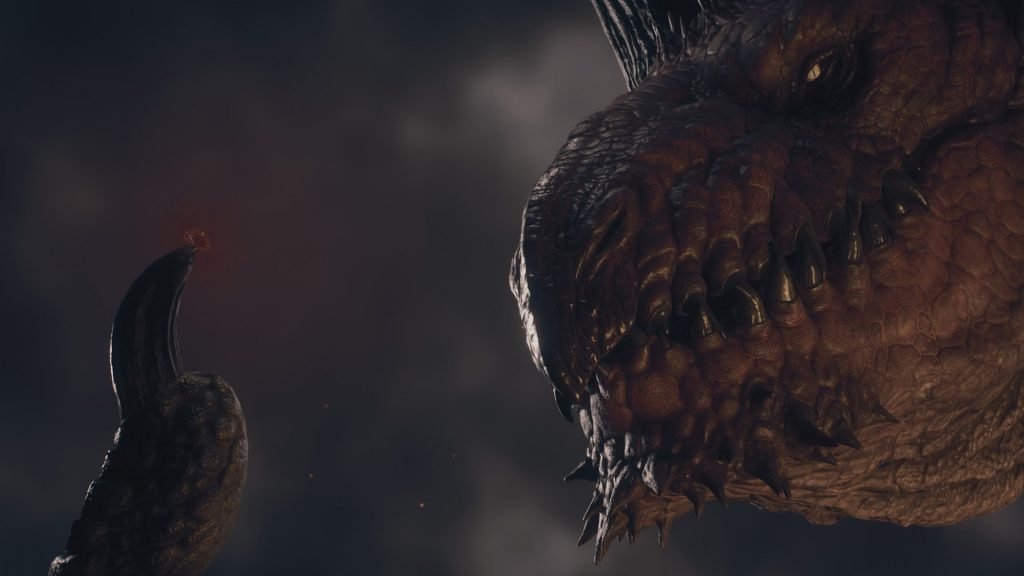
Dragon’s Dogma 2 is set in a dark fantasy world governed by exotic rules. A fearsome dragon periodically emerges in the sky, truly terrifying, reminiscent of the dragons from the Dark Souls series. It scorches and devastates everything in its path, unleashing various calamities, and crucially, it selects the “rebel.”
The Rebel epitomizes the chosen one archetype. The dragon savagely tears out and consumes his heart. From that moment, destiny binds the Rebel to resurrect, seek out the dragon, and either vanquish it or offer a grave sacrifice. Following this, the dragon will depart from the world, and the Rebel shall ascend to the throne of Vermund’s human kingdom, as tradition dictates. However, the dragon is destined to return, reigniting the cycle known as the “dogma of the dragon.” The consequences of disrupting this cycle, if at all possible, remain a mystery.
In the initial segment, it was similar yet set in an alternate universe. Dragon’s Dogma suggests a multiverse concept, yet it’s accessible to newcomers without prior knowledge. Notably, at the beginning, in the main menu and following the tutorial, the game displays the Dragon’s Dogma logo sans the deuce. This is intentional! The logo featuring the deuce also appears, but meeting certain criteria is necessary. This mirrors the game’s overall contradictory nature.
In “Dragons’ Dogma 2,” the protagonist is indeed a rebel. However, his journey doesn’t begin on the throne of Vermund as expected, but rather in the penal colony of Battal, within the borders of the cat-men’s neighboring kingdom. His awareness of his destiny is unclear; he either lacks knowledge of it or has lost his memory. Yet, following his escape, the pieces start to fall into place. The hero discovers that pawns—individuals and cat-men from other worlds who are almost without will but fiercely combative—emerge from “rifts” to serve him. Their obedience to him alone is the undeniable evidence of his chosen status.
The twist is the presence of an impostor on the throne, shrouded in mystery regarding his identity and deception. Nevertheless, a faction within the court is willing to recognize the true chosen one. The primary mission, then, is to expose the pretenders and claim the rightful throne. Meanwhile, the dragon narrative simmers subtly in the background.
Surprisingly, “Dragons’ Dogma 2” does not delve into a complex narrative of courtly conspiracies akin to “Game of Thrones,” despite the setup. Such intrigues are present but fleeting, diminishing quickly in significance. Engaging in these plots would require impactful dialogues, elaborate cutscenes, robust lore, and unforgettable characters, which the game scarcely offers. It’s the experience, rather than the conventional plot, that holds significance, marking the second major paradox of “Dragons’ Dogma 2.”

Dragon’s Dogma 2 features a highly restricted fast travel system within its map. While it’s an overstatement to claim it’s nonexistent, the developers take pride in this limitation. The absence of conventional fast travel is deliberate, as its presence might encourage players to rush through the story, potentially leading to frustration and missing the game’s essence.
Dragon’s Dogma 2 is a sandbox game where the journey is as crucial as the destination. The adventures through forests, fields, and deserts are integral to the experience, reminiscent of the walking mechanics in Kojima’s Death Stranding, especially memorable upon reaching the volcanic island.
Hideaki Itsuno, the game’s director, has emphasized the objective to create a “free” open-world action RPG, describing it as “an MMO for single players.” Achieving this was challenging, as the developers aimed to replicate the dynamics of multiplayer cooperation in a single-player mode, minus the conflicts and complications of actual cooperative play. This was successfully achieved with the innovative pawn system.
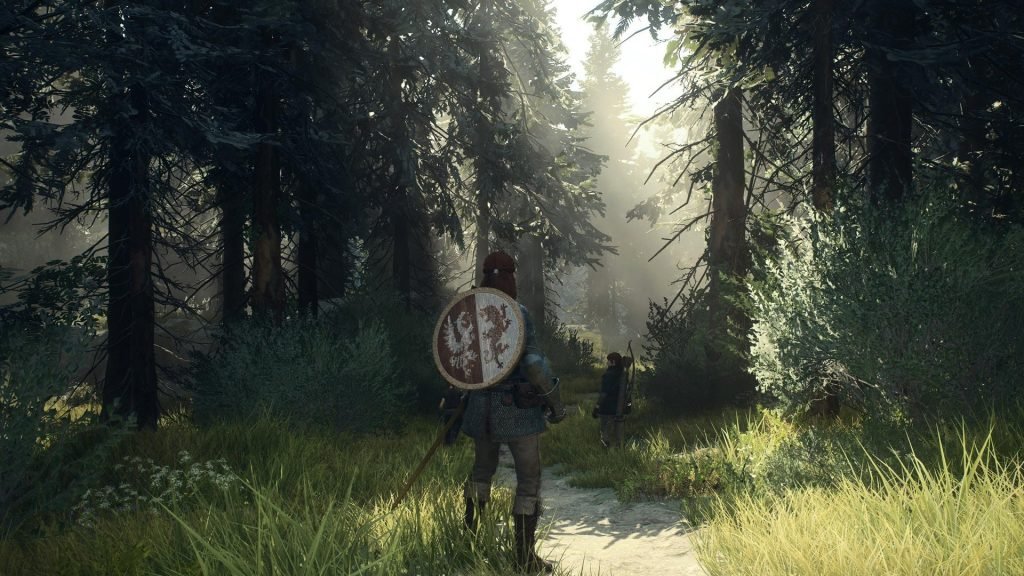
In total, you can have four pawns accompany you – one permanent and three replaceable. A permanent pawn is created at the game’s start, leveling up with the main character, with the ability to change its class, assign skills, and equip gear. Temporary companions are other players’ pawns, hired copies that don’t level with you, nor can you alter their build. However, you can dismiss a pawn at any time to hire another. These “mercenaries” are plentiful in the game world, offering their services upon encountering us. They can also be summoned at Rift Stones, where you can filter through candidates by level, class, personality, special skills, and even appearance to find your preferred companion.
The sense of a dynamic party arises not just because the companions are intelligent and effective in combat. Mercenary pawns observe and remember everything, gathering “life experience” which they actively share. For instance, if you’re on a quest to find someone and the location is unclear, a pawn who has already completed this task with another player will know the target’s hiding spot and can lead the group there. Similarly, pawns will highlight hidden secrets and chests in caves and offer their insights on the unfolding events.
This dynamic can foster an attachment to the group. You become accustomed to their distinct voices, personalities, and “faces,” making it difficult to part with them, particularly when the separation is against your wishes.
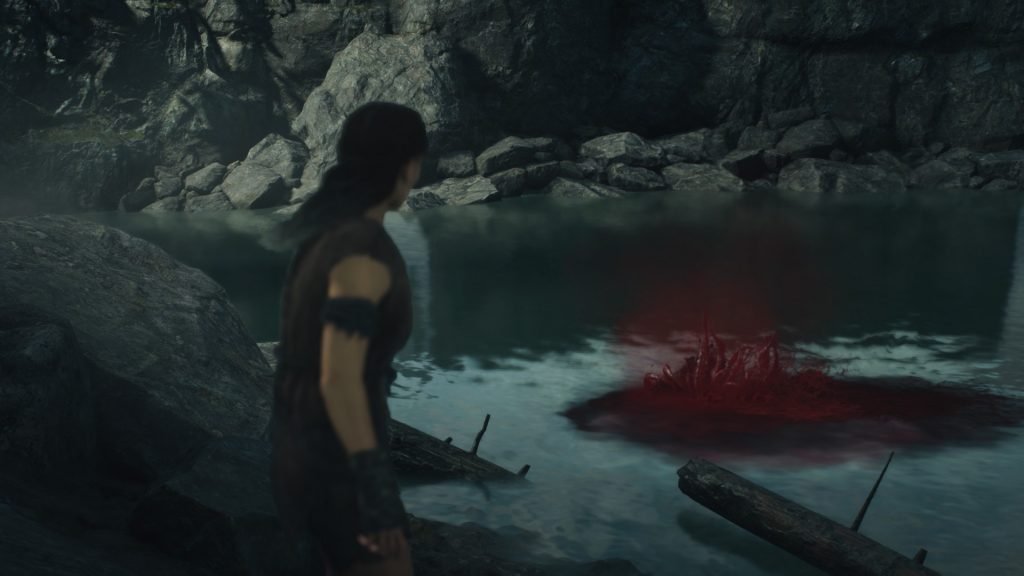
The essence of Dragon’s Dogma 2 lies in wandering the world with your pawns, battling goblins, camping, and cooking meat over an open flame. After a few extended treks beyond the city’s boundaries, it’s easy to lose track of the storyline for hours on end.
The allure comes not just from the journey’s abstract ambiance but also from the developers’ treatment of the open world. It’s vast, yet every glade, ruin, and cavern is meticulously crafted — the touch of a level designer is evident, who carefully placed cobblestones beneath the pines and considered the placement of the next treasure chest.
Moreover, the game avoids becoming a mere checklist. The map is free of “question marks,” there are no tallies of vanquished enemy strongholds, and no gimmicks to capture your attention. The developers don’t intend for you to simply clear the map; they encourage you to explore it leisurely, following your own inclinations. The game ensures that your experience is immersive. In Dragon’s Dogma 2, simply traversing the world is a joy, a testament to the intricate work of level design, graphics, animations, movement physics, and countless other details.
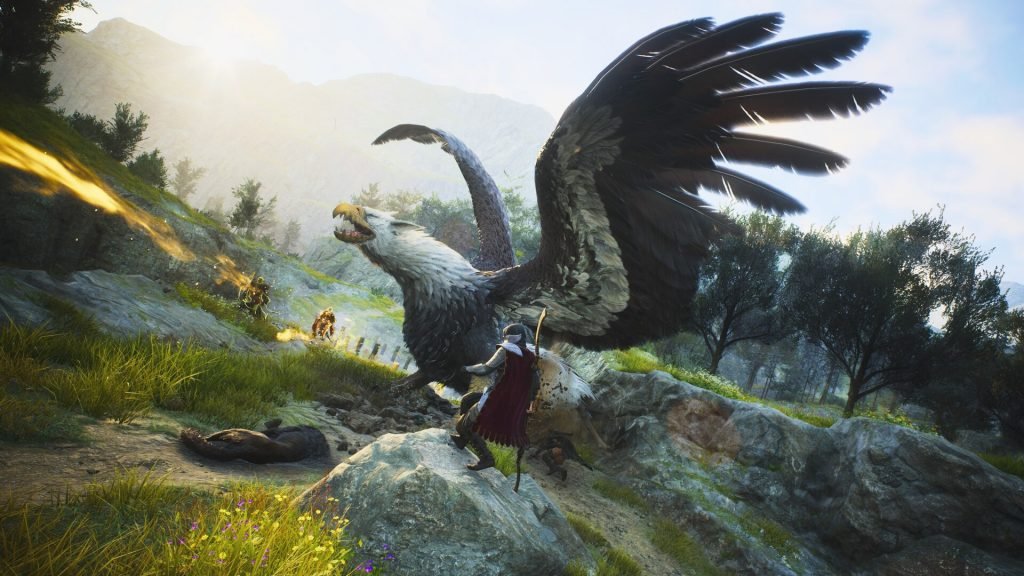
The second key aspect is the intense battles. Many developers of Dragon’s Dogma 2 have experience from working on the Devil May Cry series, which has been beneficial. However, Dragon’s Dogma 2 doesn’t simply focus on memorizing combinations like a typical slasher game. Instead, its combat system is more akin to Final Fantasy 16, featuring a basic set of strikes and four combat skills that consume stamina instead of having cooldowns. Additionally, the impact of each hit is amplified by realistic physics and enemies’ reactions.
The game’s combat also breaks away from conventional patterns by integrating physics and grappling mechanics. Smaller foes and items can be grabbed and thrown at will, or pinned down for allies to trample. Larger adversaries can be climbed, reminiscent of Shadow of the Colossus, to target weak points or execute special skills, such as thieves setting off explosive charges on enemies.
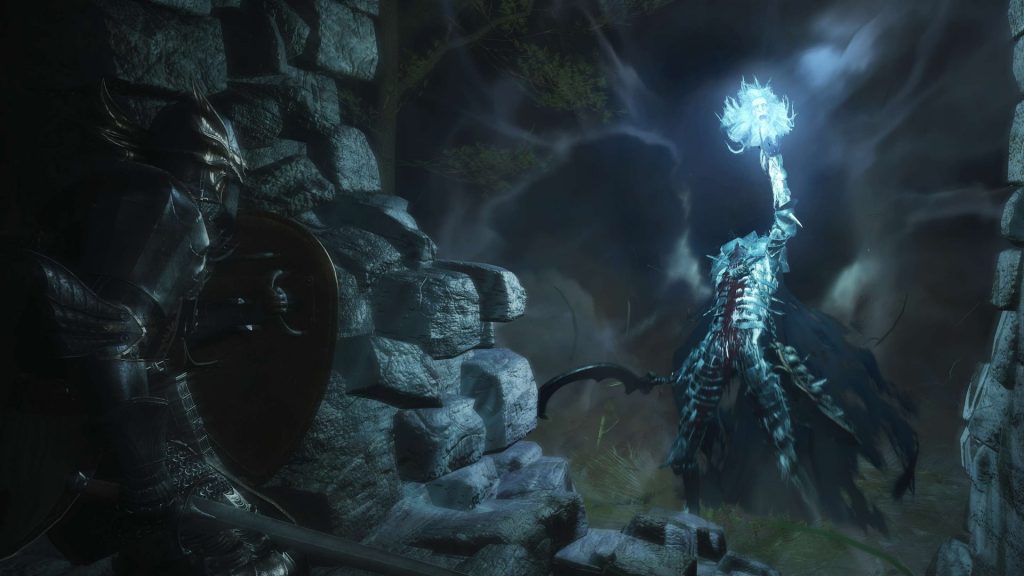
However, be wary as enemies can dislodge you, take flight with you in their grasp, smash you against rocks, or even tumble off cliffs into the sea with you in tow. The battles in Dragon’s Dogma 2 are incredibly dynamic due to the intricate mechanics and physics, making large encounters feel like epic boss fights where anything can happen, ensuring each battle is full of surprises.
Dragon’s Dogma 2 is a collision system RPG, similar to old-school RPGs like the TES series and Gothic, where players find enjoyment in engaging with the systems. For quick travel between cities, you can hire a wagon, but be prepared for potential ogre attacks that may destroy everything, forcing you to continue on foot. Along the way, you might encounter other threats like griffins or club-wielding cyclopses.
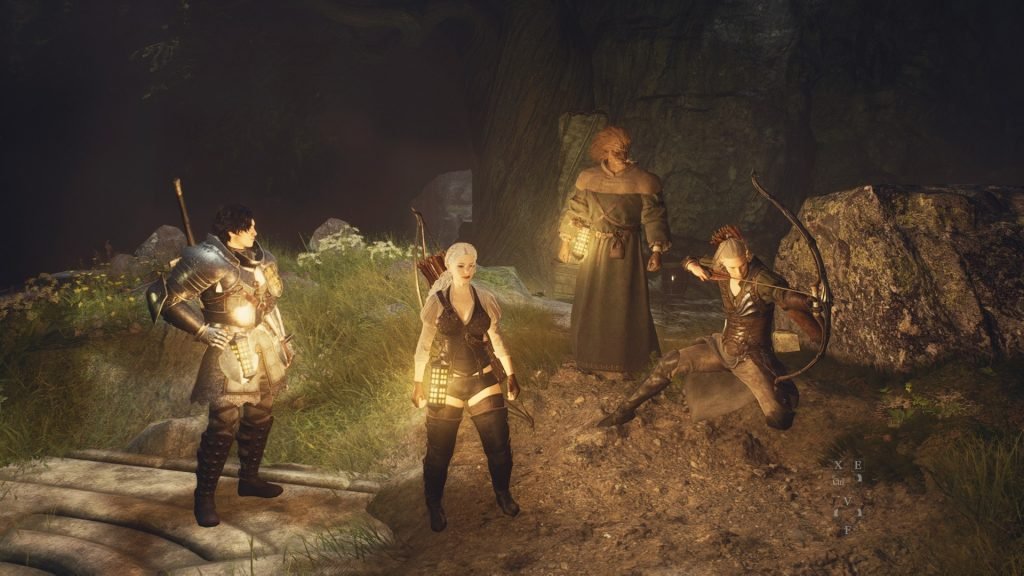
Indeed, the game sets forth only the essential rules, leaving players to discover the numerous subtleties through deduction or trial and error. The complexities of Dragon’s Dogma 2 appear boundless.
As time passes, food in the inventory may spoil, yet this can be prevented by crafting and cooking. Spoiled food isn’t wasted; it can become lantern oil or arrow coating. Sometimes, a seemingly worthless item is needed for a task. While these mechanics might initially seem harsh, their importance becomes clear over time. This includes resurrecting NPCs with a special item, as they reappear in the city morgue after death. The gift mechanics are also intriguing, allowing gifts for any character.
Dragon’s Dogma 2 is filled with nuances that initially seem like puzzles or obstacles, but later become part of the routine or essential in surprising ways. They can open new paths in previously perplexing areas. Occasionally, the mechanics can be startling, such as when problems solve themselves without player intervention—a detail mentioned early in the game but easily missed—and choices may have unexpected consequences. However, this unpredictability adds to the adventure! The “new game plus” option is still available. All game mechanics are interconnected, offering utility or an interesting challenge with time investment. Even after multiple playthroughs or extensive gameplay, new aspects continue to surface.
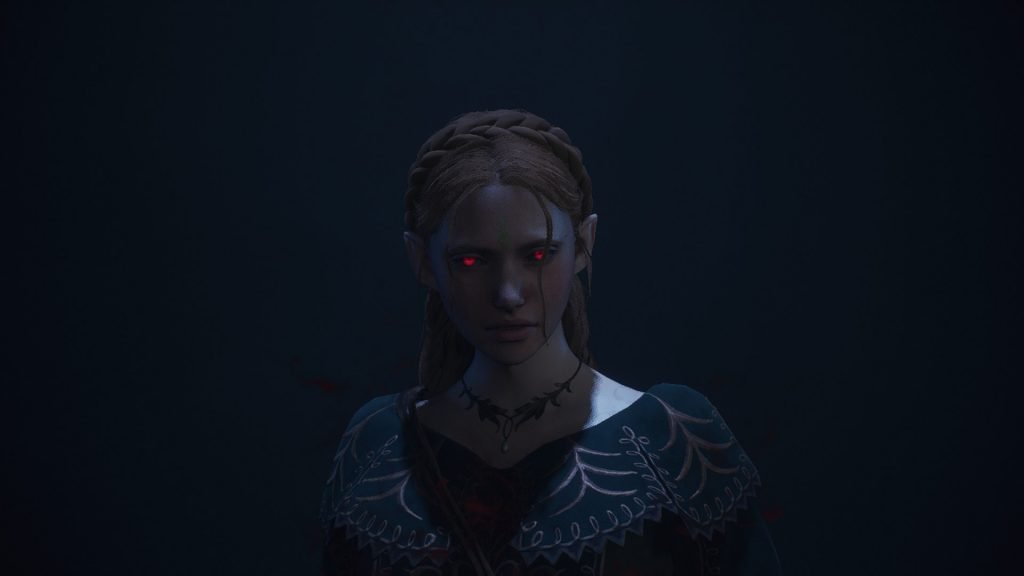
Ultimately, delving into spoilers is necessary, for without them, the story remains incomplete. It’s in those engrossing moments, as you’re captivated by the game, that the protagonist’s true goal, hinted at from the beginning, becomes evident. No guides are needed; the necessary actions become instinctive. The game’s perspective shifts profoundly, culminating in the unveiling of the well-deserved Dragon’s Dogma 2 logo, which now carries a deeper meaning.
The game boldly challenges conventions. It’s far from lacking a plot; it revitalizes the once-monotonous rebel narrative with a clear purpose, giving depth to characters that were once flat. It alters the narrative’s dynamics, overturning established norms and accumulating lore and atmosphere that stand on par with Elden Ring and Dark Souls. This is not merely an extended cutscene or an additional boss fight; it’s significantly more impactful. Checkmate!
The only downside to the ending is its conclusiveness; it exhausts the game to the point where starting anew seems less enticing. Nevertheless, it’s an ending with unquestionable finality.
Conclusions
Dragon’s Dogma 2 stands out as a distinctive role-playing game. It nods to classic RPGs and its mechanics warrant comparisons with titles like Skyrim. Yet, it’s so peculiar and nonconformist that it defies comparison with any game, particularly modern open-world titles. It might appear repetitive and mechanically soulless, akin to “an MMO without the MMO elements,” but its quirks and idiosyncrasies serve an overarching concept that remains elusive.
If it doesn’t resonate with you, then perhaps it’s not your cup of tea. Dragon’s Dogma 2, much like its predecessor, doesn’t require patience or additional time to unfold. It will either captivate you instantly or frustrate you persistently. Nonetheless, it merits an attempt!