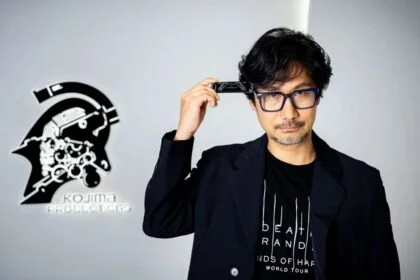
A major announcement has recently shaken the gaming industry | The Duskbloods, a new title from Hidetaka Miyazaki and FromSoftware, is slated for release in 2026 as an exclusive for the Nintendo Switch 2. This revelation has sparked a mix of excitement, curiosity, and contention among gamers and analysts alike.
The pairing of Miyazaki—renowned for his dark, intricate action RPGs like Dark Souls, Sekiro | Shadows Die Twice, and Elden Ring—with Nintendo, a company known for its family-friendly franchises, is unexpected to say the least. Even more divisive is the decision to make this title exclusive to a single platform. This article delves into the details, the implications, and the broader context of this surprising development.
An Unlikely Collaboration | Miyazaki and Nintendo
Hidetaka Miyazaki has built a reputation as a master of atmospheric, challenging games that push the boundaries of design and storytelling. His works have typically launched on high-performance platforms like PlayStation, Xbox, and PC, catering to a wide audience of dedicated players. Nintendo, on the other hand, has carved out a niche with its accessible, often lighthearted titles such as Super Mario, The Legend of Zelda, and Metroid. The announcement that Miyazaki’s next project, The Duskbloods, will be tied exclusively to the Nintendo Switch 2 raises intriguing questions about the game’s direction. Will it retain FromSoftware’s signature intensity, or will it adapt to suit Nintendo’s broader, more casual player base? With little information available, speculation is rife about how this collaboration will take shape.
The Switch 2, as the successor to Nintendo’s wildly successful hybrid console, is expected to offer enhanced hardware capabilities. This could provide a suitable canvas for Miyazaki’s ambitious vision, potentially blending FromSoftware’s complex mechanics with Nintendo’s innovative approach to gaming. However, the exclusivity aspect complicates the picture, setting the stage for a heated debate.
The Exclusivity Conundrum
Platform exclusivity is a concept that has long divided the gaming community. Once a key strategy for console makers to differentiate themselves, it has become less prevalent in an era where cross-platform releases and accessibility are increasingly prioritized. The choice to restrict The Duskbloods to the Nintendo Switch 2 stands out as a bold move, particularly given FromSoftware’s history of multi-platform releases that have cultivated a global following. For a studio and director of Miyazaki’s stature, this exclusivity feels like a significant departure, prompting varied reactions.
Nintendo has leaned heavily on exclusives to bolster its brand, a tactic that has proven effective with the original Switch’s massive success. Titles like Breath of the Wild and Super Mario Odyssey have drawn millions to the platform. Securing The Duskbloods, however, elevates this strategy, bringing a high-profile third-party title into the fold. It’s a decision that could broaden Nintendo’s appeal but also risks alienating fans who associate FromSoftware with a wider range of systems.
Nintendo’s Broader Approach | Sticking to Tradition
The gaming industry has seen notable shifts in recent years. Sony has expanded its reach by porting major exclusives like God of War and Horizon to PC, while Microsoft has embraced a “play anywhere” philosophy with Game Pass and cross-platform availability. These moves reflect a growing emphasis on flexibility and player choice. Nintendo, however, has maintained a more traditional stance, relying on a closed ecosystem and exclusive titles to drive hardware sales. The Duskbloods announcement aligns with this approach, suggesting that Nintendo intends to double down rather than adapt to emerging trends.

This strategy may indicate a larger goal | capturing audiences beyond its core demographic. With the Switch 2, Nintendo could be aiming to attract players from rival platforms—Steam Deck, PlayStation, PC, and perhaps even Xbox—by offering a marquee title like The Duskbloods. The original Switch’s success has set a high bar, and exclusivity remains a familiar tool for maintaining that momentum. Yet, this reliance on a walled-garden model raises questions about its sustainability in a rapidly evolving market.
Impact on the Gaming Community
The exclusivity of The Duskbloods has tangible implications for players. For those eager to experience Miyazaki’s latest work, it may mean investing in a Switch 2, a prospect that could excite some while frustrating others who prefer different systems. FromSoftware’s games have historically fostered a diverse, multi-platform community, and restricting access to this title could disrupt that unity. Fans accustomed to playing on powerful PCs or competing consoles might feel sidelined, forced to either adapt or miss out.
Nintendo’s broader policies add another layer to the discussion. The company’s strict oversight—cracking down on streams, emulators, and fan-made content—has already drawn criticism. Pairing this with a high-profile exclusive could amplify existing tensions, particularly among players who value openness and flexibility. The Switch 2’s potential as a cutting-edge device is undeniable, but its appeal may be tempered by these restrictive practices.
Balancing Innovation and Isolation
The Switch 2 is poised to be a technological leap forward, building on the hybrid design that made its predecessor a hit. A Miyazaki game could serve as a flagship title, showcasing the console’s capabilities in a way that traditional Nintendo franchises might not. However, the decision to tie The Duskbloods to this platform alone highlights a philosophical divide. While the hardware promises innovation, Nintendo’s adherence to exclusivity and control could isolate it from a gaming culture increasingly focused on inclusivity.
A Pivotal Moment for Nintendo
The release of The Duskbloods in 2026 could mark a turning point. If it succeeds, it might validate Nintendo’s strategy, drawing new players to the Switch 2 and reinforcing the power of exclusives. Conversely, if it sparks significant backlash or fails to expand the company’s reach, it could expose vulnerabilities in this approach. The gaming landscape has shifted toward broader access; whether Nintendo’s traditional tactics can hold firm remains to be seen.
Reactions to this news vary widely. Some view it as an exciting coup for Nintendo, a chance to experience Miyazaki’s genius in a fresh context. Others see it as a misstep, a barrier to enjoying a highly anticipated game on preferred terms. As the release date approaches, The Duskbloods will undoubtedly remain a focal point of discussion, reflecting larger questions about exclusivity, corporate strategy, and the future of gaming. What stance the community ultimately takes—celebration or critique—will shape the narrative around this bold experiment.