
Welcome to the Digital Deep Slate, fellow net-runners. You’re logged into the Core Protocol—the essential sequence where we dissect the bones of the video game machine. We love the neon glow of a new GPU and the synthetic thrill of a perfect run. But what happens when the very infrastructure of the Grid is corrupted? When the architects of the digital future decide to burn the data centers for insurance money?
CORE PROTOCOL | “The greatest threat to creativity is not failure, but the corporate mandate for perpetual, predictable success.”
We’re going deep into the Foundry Files today. This isn’t just about bad games; it’s about the catastrophic failures of vision, greed, and corporate overreach that didn’t just hurt one studio—they shattered the entire gaming ecosystem. This is the list of those who destroyed the signal, the ghosts in the machine that still cause latency in our current reality.
Let’s begin the audit of the oldest archive, a lesson in how fast a digital empire can crumble.
THE ATARI CRASH OF ’83 | THE FIRST GREAT DELETION

The history of gaming is a fractal of boom-and-bust cycles, and the original crash of 1983 remains the foundational trauma. It wasn’t just a market correction; it was a total system wipe orchestrated by a potent blend of technological stagnation and corporate short-sightedness.
The Rise and Fall of the VCS Golden Age
Before the fall, Atari was the undisputed god-engine of the digital world. They birthed the first commercially viable console, the Atari VCS (2600), and for five glorious cycles, they were synonymous with interactive entertainment. But success, when unchecked, breeds a toxic corporate structure.
When Nolan Bushnell sold Atari to Warner Communications to secure the massive investment needed for the 2600, he traded rebellious innovation for institutional control. Atari became a typical megacorp, more focused on spreadsheets than code.
The company’s monopoly, coupled with a refusal to push beyond the aging hardware limitations of the 2600, created a void. The consumer, having played essentially the same game variations for years, was experiencing Digital Fatigue. The market was ripe for a disaster.
E.T. and the Toxic Data Dump

The final payload was the infamous E.T. the Extra-Terrestrial cartridge. Developed by Howard Warshaw under an impossible corporate crunch (only a few months to meet the crucial Christmas cycle), the game was a broken promise. It sold over a million copies initially—a staggering figure—but the profits plummeted as fast as they rose. The game was unplayable, rushed, and a symbol of Atari’s decayed quality control.
The result was cataclysmic:
- Financial Collapse: Atari’s overall profit crashed by 50% in early 1983. The company lost an estimated $500 million (over $1.5 billion in today’s digital credits).
- Physical Deletion: Millions of unsold and returned E.T. cartridges were unceremoniously buried in a New Mexico landfill—the ultimate, literal burial of an industry.
The crash wasn’t caused by a lack of demand for games, but by a lack of quality control combined with market oversaturation by shoddy products. This failure of vision devastated the market until the arrival of Nintendo’s meticulously managed and quality-controlled Famicom/NES in 1984, which restarted the protocol.
THE CORPORATE DATA VAMPIRES | PUBLISHERS WHO CONSUME
The 1983 crash should have taught every digital overlord the importance of nurturing creative talent. Yet, the current era is defined by massive publishers who treat game studios as interchangeable assets, ruthlessly optimized for maximum profit extraction.
Electronic Arts (EA) | The Studio Killer Protocol
EA’s rap sheet is legendary. They didn’t just buy studios; they dismantled them, assimilating valuable IPs while eradicating the rebellious DNA that made them successful. The studio closures—including Westwood (Dune, C&C), Origin Systems (Ultima), Bullfrog, and Visceral Games—weren’t accidents; they were the consequence of forcing creative teams into rigid, annual franchise cycles and service-game mandates.
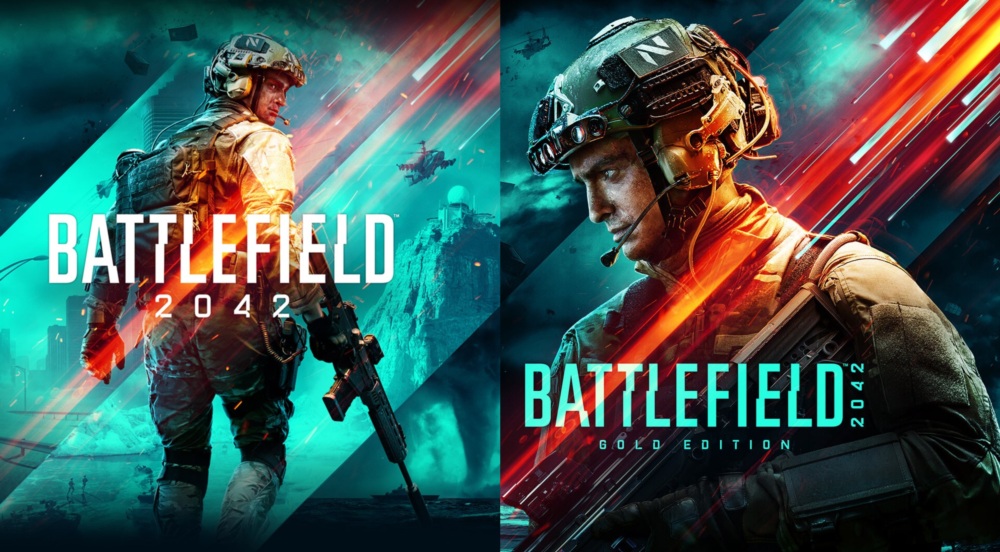
The current state of their internal processors—BioWare stumbling, DICE struggling to restore Battlefield‘s legacy, and the tragic cancellation of Titanfall 3 by Respawn—is proof that this “acquire and optimize” strategy is ultimately self-destructive.
Square Enix | The Narrative Fragmentation
Square Enix offers a more bizarre case of self-sabotage. Their recent history reads like a poorly debugged quest log:
- IP Undermining: The promising Deus Ex Mankind Divided was critically injured by a terrible pre-order campaign and a notorious ending that was openly cut for DLC—an egregious betrayal of player trust.
- Value Miscalculation: They deemed Sleeping Dogs a commercial failure despite selling 3 million copies—a colossal achievement for a new IP at the time—and canceled the sequel, liquidating the talented studio.
- Service Game Disasters: The stillborn launches of Marvel’s Avengers and Babylon’s Fall showed a fundamental misunderstanding of the live-service space, wasting immense budgets and further damaging the reputation of their internal developers.
Embracer Group | The Financial Pyramid Scheme
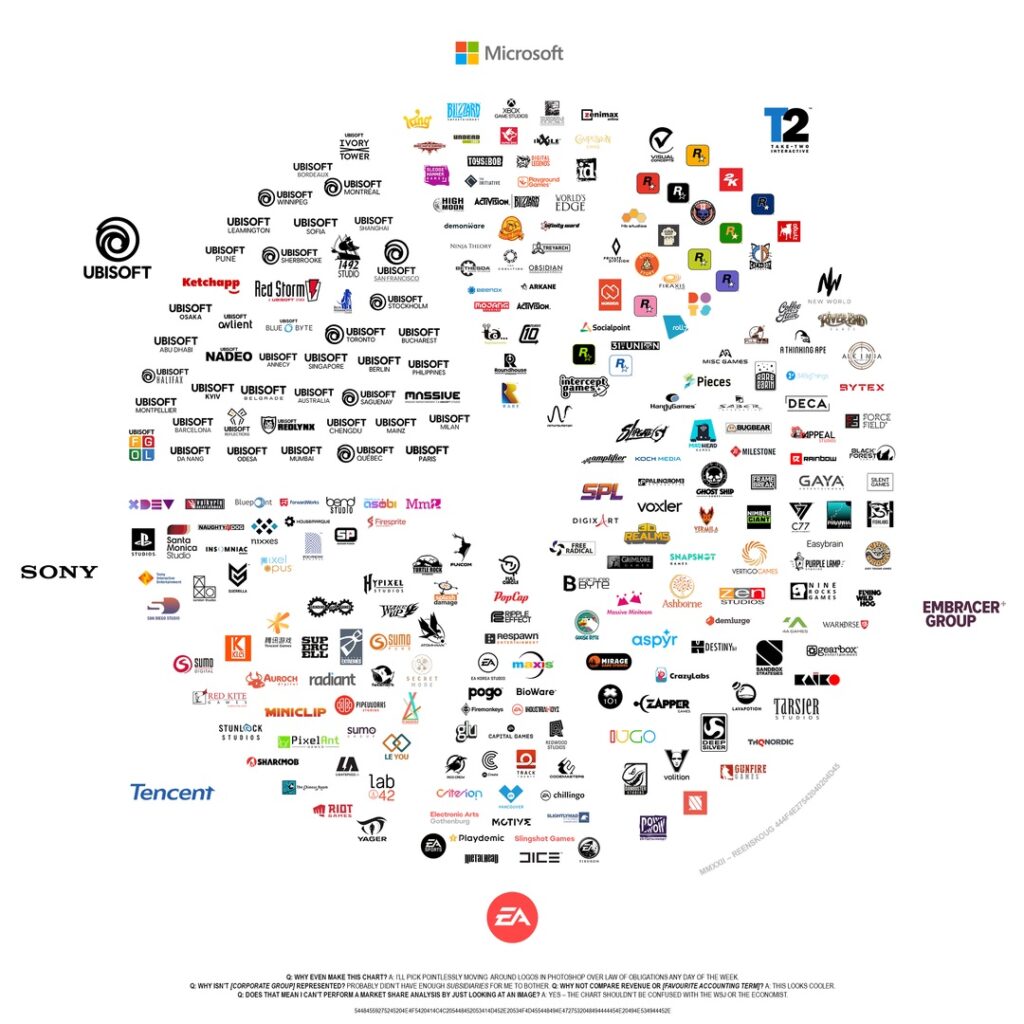
The most recent and spectacular disaster is Embracer Group. Headed by Lars Vingefors, the company executed a colossal, unsustainable acquisition spree, buying up dozens of studios (Metro, Dead Island, Saints Row) using debt, loans, and highly valued stock.
This wasn’t about creation; it was pure financial engineering—a pyramid scheme built on inflated asset values. The result of this unchecked expansion and central meddling has been catastrophic:
- Mass Layoffs: Over 8,000 workers lost their jobs in the ensuing contraction.
- Studio Deletions: Over 44 game studios were closed or sold off.
- Creative Stagnation: IPs were shuffled, games were rushed to market unpolished, and countless projects were canceled—the ultimate data wipe of development talent and history.
Don Mattrick | The Singular Coma
We can’t forget the singular impact of Don Mattrick on the Xbox brand. His catastrophic tenure culminated in the disastrous launch of the Xbox One, which was marketed not as a gaming console, but as an expensive television and media box—a mandatory Kinect system for every home. Mattrick’s myopic focus on TV integrations and the neglect of core gaming studios (leading to closures) left the Xbox brand in a “comatose state,” requiring years of intense recovery and a complete strategic overhaul by Phil Spencer.
THE METAPROTOCOL WAR | INCLUSIVITY AND FINANCIAL LEVERAGE
The current-cycle turbulence often centers on social and narrative changes, which are not isolated creative decisions but are increasingly entangled with high-level financial directives.
Sweet Baby Inc. and the Agenda Fog
The narrative consulting firm Sweet Baby Inc. (SBI) has become a flashpoint for player discontent, accused of “imposing agenda” into games. While SBI is often just hired for consultation—with the final creative decision residing with the developers—the resulting perceived “inclusivity mandate” has led to:
- Lore Disruption: Characters added or altered without logical connection to established lore (e.g., Miles Morales’s narrative shift, character appearance changes in Alan Wake 2 and God of War Ragnarök).
- Player Alienation: A perception that creative decisions are being driven by external sociopolitical metrics rather than narrative integrity.

The true, invisible antagonist here is not the consulting firm, but the financial meta-protocol that enforces these changes | BlackRock Investment Company. BlackRock adopted an “imposing behavior” strategy where large funding injections are contingent upon adopting specific corporate culture standards and promoting specific values in their projects. This leverage ensures that creative output across the industry aligns with the investment firm’s strategic agenda, forcing studios to comply or face the withdrawal of critical funding.
THE PATENT WARS | CODIFYING CREATIVITY
Finally, we have the bizarre legal battles where corporations attempt to patent fundamental verbs of the gaming language, essentially placing legal locks on creativity itself.
Nintendo and the D-Pad Lockdown
Nintendo (Big N) has a long, contentious history with patents, dating back to 1983 when they successfully patented the classic D-pad design. This single legal maneuver forced competitors like Sega and Sony to expend significant resources inventing alternatives, ultimately leading to unique hardware designs—a silver lining to an aggressive patent.
More recently, Nintendo attempted to patent the very mechanics of catching and summoning characters (a clear defense against Palworld). While the Japanese Patent Office denied this claim based on prior art, the aggressive attempt shows a desire to legally wall off entire genres.
Nemesis System | The Creative Black Hole
The most egregious modern example is the Nemesis System from Middle-earth | Shadow of Mordor. This incredibly innovative mechanic created dynamically generated, evolving enemies with memories and unique relationships.
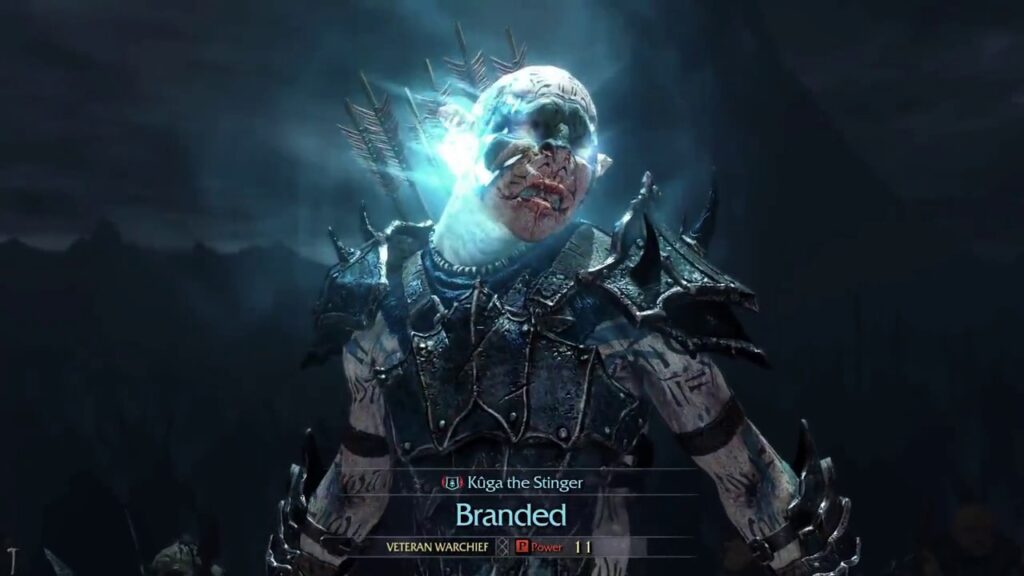
Instead of licensing this mechanic to allow others to build upon it, Warner Bros. patented it exclusively, effectively killing the mechanic for the entire industry. No developer wants to risk the ruinous cost of a lawsuit from a corporate giant, so the Nemesis System—a genuinely revolutionary piece of interactive code—sits unused, locked away in a legal vault.
The absurdity of Code Ownership
Patents over mechanics like BioWare’s six-part dialogue wheel, Tekken’s combo training structure, and the Eternal Darkness madness system underscore the fundamental absurdity of the patent war. It’s the digital equivalent of patenting a close-up shot in cinema or the use of a major chord in music. While loopholes exist (four-part dialogue wheels are fair game), these legal barriers force developers to waste time circumventing a creative solution rather than simply improving it.
These actions—from the corporate asset strippers to the financial policy enforcers to the patent hoarders—prove that the greatest threats to the gaming industry are not technology or lack of ideas, but the non-gaming entities determined to extract maximum profit by placing shackles on the core protocol of creativity.