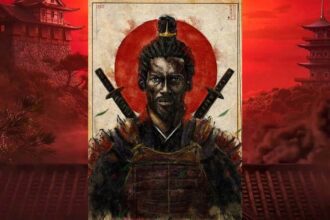
The year 2025 left a trail of high profile wreckage in the gaming world. While we saw plenty of hits, the graveyard of fiascos grew surprisingly crowded. Call of Duty Black Ops 7 felt like a tired echo of better days. MindsEye and Painkiller basically arrived dead on arrival. Even Borderlands 4, which is finally playable after a frantic mountain of patches, is still haunted by the PR disaster that poisoned the well before launch.
We could also talk about the swift irrelevance of FBC Firebreak or the quiet disappearance of Elden Ring Nightreign, two projects that felt like answers to questions nobody was asking.
If the industry handed out trophies for collective internet vitriol, Vampire Bloodlines 2 would have walked away with the gold on October 21. The long-suffering sequel has been the target of a specific, concentrated type of hatred that only a twenty year wait can produce. The question remains whether the game is actually a disaster or if it is just a victim of its own impossible legacy.
The ghost of Troika Games

Twenty one years is an eternity in digital time. An entire generation has reached adulthood since Leonard Boyarsky and Brian Mitsoda released the original in 2004. By any standard of the market, the first Bloodlines should have been forgotten. It launched the same day as Half Life 2, it was a technical nightmare that could barely run, and the studio went bankrupt shortly after.
Instead of fading away, it became a cursed masterpiece. It set a standard for immersive storytelling where the atmosphere of a rain-slicked Los Angeles felt more real than the ground under your feet. For many, it turned into an untouchable ideal. The game was never about the math or the combat. It was about the feeling of being an outsider in a secret, vicious society hidden behind neon signs.

Paradox Interactive took on a terrifying burden when they bought the World of Darkness. They weren’t just making a role playing game. They were trying to satisfy a two-decade cult of nostalgia. The premiere in late 2025 marked the end of a development story that resembled a slow-motion exorcism. Between the studio swaps and the script rewrites, the final product was always going to bear the scars of its birth.
Seattle and the weight of production hell
The development timeline of this sequel is a cautionary tale for any publisher flirting with a beloved IP. When the project was first announced in 2019, it seemed like a dream. Hardsuit Labs had the original architects on board. But the reality behind the curtain was a mess of mismatched ambitions. The clash between a vision of total role-playing freedom and the cold requirements of a commercial product led to a total collapse.
The dismissal of the creative leads in 2020 and the removal of the original studio in 2021 was an industry earthquake. Paradox had to choose between cutting their losses or finding someone to finish a building on a cracked foundation. The Chinese Room was an odd choice for the job. Known for atmospheric walking simulators, they had plenty of style but no history with complex RPG systems.
This transition turned the sequel from a spiritual heir into an author’s interpretation. The new team essentially hit the reset button and moved the whole thing to Unreal Engine 5. This move gave us the gorgeous, moody visuals we see today, but it required a massive sacrifice. The final game shows the clear struggle between two different design philosophies. It is a polished, atmospheric experience that lacks the rough, chaotic freedom that made the original work so well.
From thin blood to the ancient nomad

One of the most controversial pivots was the decision to ditch the clean slate protagonist. The early version promised a weak-blooded vampire struggling to survive the bottom of the hierarchy. That was a classic underdog story. The version we actually got features Phyre, an ancient Elder known as the Nomad who wakes up after a century of sleep.

This change shifts the entire pace of the game. You aren’t learning how to be a vampire. You are remembering how to be a god. To close the gap between the character’s ancient knowledge and the player’s confusion, the developers added Fabien. He is a young detective from the Malkavian clan whose consciousness is stuck inside your head. It is a dynamic that feels very familiar to anyone who played Cyberpunk 2077, but it creates a strange distance. Sometimes it feels like you are watching two people argue in your head rather than making your own choices.

The dialogue system also shifted from branching complexity to a more streamlined approach based on strategic, aggressive, or diplomatic stances. It fits the idea of an Elder who manipulates or threatens their way through life. It makes for a tighter, more cinematic story, but it feels small to anyone who wanted to play a madman with a unique perception of reality. The developers traded the breadth of choice for the depth of a single, focused path.
Gameplay pragmatism and the sacrifice of systems

The combat in the 2004 original was, let’s be honest, a chore. It was clunky and often painful. The sequel fixes this by turning into a fast-paced first-person action game. Having all six clans available at launch was a smart move to quiet the fans, especially after the initial rumors that they would be locked behind a paywall.

Your choice of clan still matters for your style, but the Nomad can eventually learn skills from across the spectrum. If you go the Banu Hakim route, the game becomes a high-speed stealth simulator. If you go Ventrue, it becomes a game about dominance and physical control. The transition to Unreal Engine 5 makes these powers feel heavy and visceral.
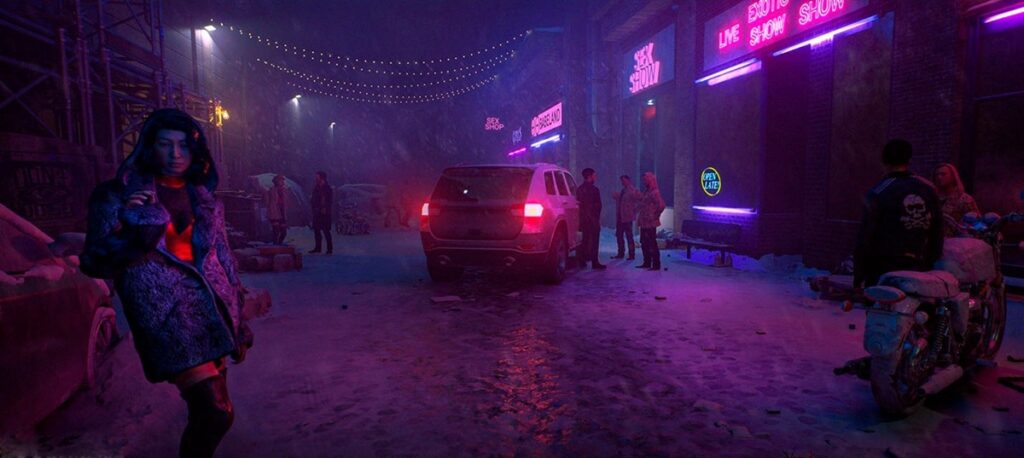
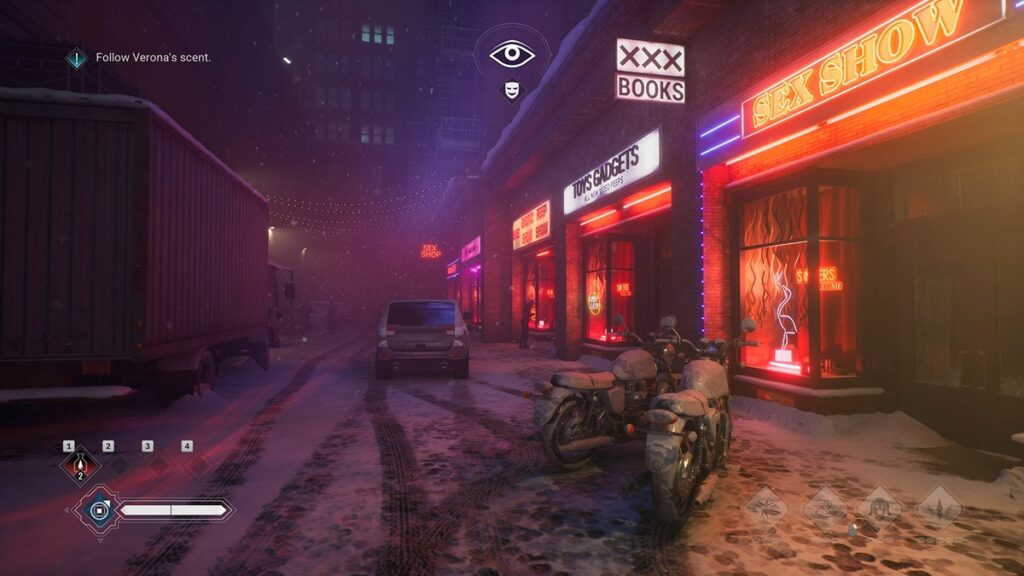
The problem is that everything else was pushed to the background. The RPG systems are simplified to the point of being invisible. The social stealth that was promised is mostly absent. The city of Seattle is beautiful and makes great use of vertical space for parkour, but it feels empty. Aside from the main plot and a few repetitive side tasks, there isn’t much to do. The vibrant, living world of the original has been replaced by a very high-quality set of rails.

Why the internet is actually screaming

In a culture that loves to either worship a game or burn it down, Bloodlines 2 was an easy target. But if you look at it without the baggage of the last twenty years, you see a quiet feat of survival. The project was supposed to be dead. Instead, we got a game that respects the source material even if it can’t replicate the original magic.
The real cause of the hate is a lack of honesty. The marketing campaign spent years leaning into the idea of a deep, systemic RPG. Behind the scenes, the team was building a narrative-driven action game. If the creators had been transparent from the start, the disappointment wouldn’t be this loud. People know how to appreciate a good story, but they don’t like being promised the ocean and being given a walk on the beach.

Bloodlines 2 isn’t a bad game. It is a decent, atmospheric thriller that happens to be a sequel to a legend. It is the friendliest entry point for someone who has never heard of the Masquerade. Newcomers don’t care about the technical whims of 2004. They see a stylish, modern vampire game with a solid story. For them, the lack of complicated mechanics is a feature, not a bug.
A final look at the blood work
The winter updates have smoothed out many of the early complaints. We finally have a better difficulty system and some much-needed field of view sliders. Paradox seems committed to the DLC roadmap for 2026, which will dive into the stories of the Sheriff and the Primogen.
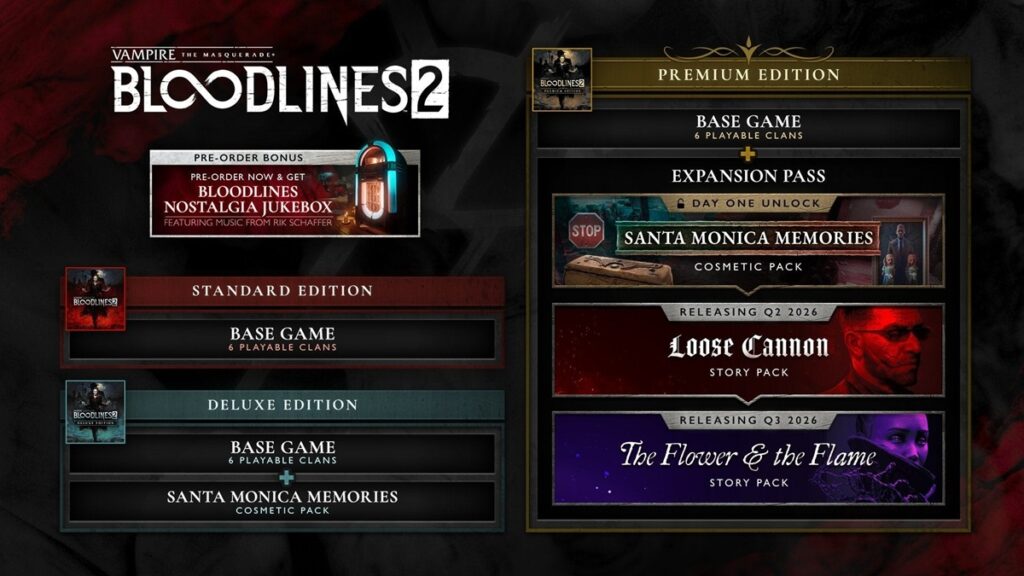
However, the future beyond those expansions is murky. The publisher is already hinting at a return to their core strategy games. Bloodlines 2 might be the last time we see a big-budget push into the World of Darkness for a very long time. It exists now as a tangible piece of software rather than a mythical rumor. In an industry where ambitious ideas often die in the cradle, finishing this long night is a victory in itself, even if it leaves us wanting more.