The current state of interactive entertainment is not a collection of games but a series of competing architectures designed to keep the user from ever seeing the exit. We have moved past the era where a game was a self-contained experience with a start, a middle, and a definitive end. Now, every title functions as a persistent service, a digital estate that requires constant maintenance and emotional investment. This shift has changed the fundamental physics of how we play. It has turned the casual hobbyist into a data point and the dedicated player into a digital sharecropper.
To understand why your favorite franchise feels different in 2026, you have to look at the skeletal structure beneath the high-resolution textures.
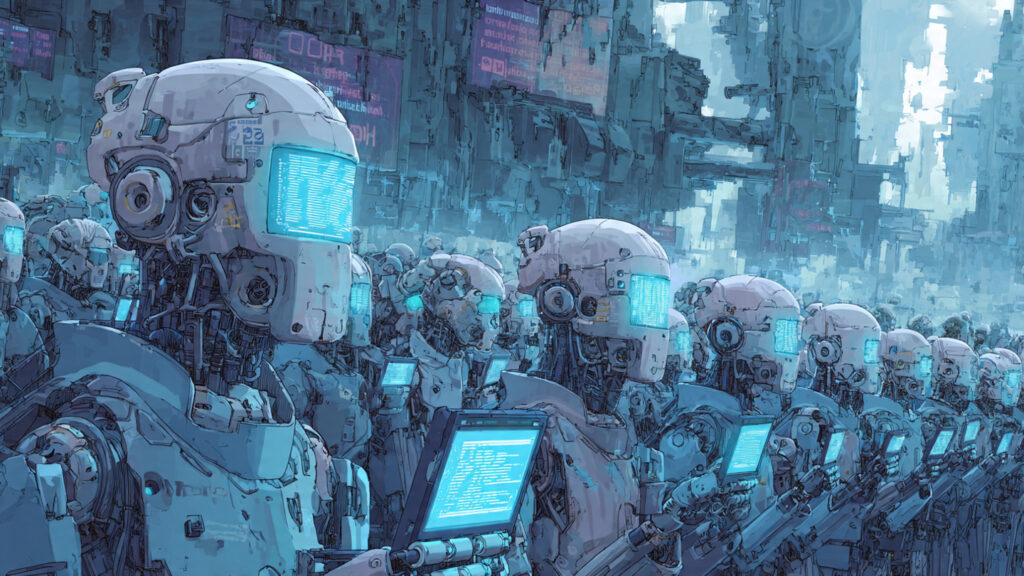
The primary engine of modern gaming is no longer the graphics card or the physics simulation. It is the reward schedule. Developers have become master architects of the human dopamine response, building complex systems that prioritize retention over joy. This is where the concept of the “Loot Box” and the “Battle Pass” evolved from simple monetization into a psychological necessity. They act as the gravitational pull of the game world, ensuring that even when the gameplay loop becomes repetitive, the desire for the next unlockable remains fresh. It is a sophisticated form of behavioral conditioning that hides behind the neon glow of a cyberpunk aesthetic.
The Illusion of Choice in the Open World Sandbox

The marketing for every major release now focuses on the scale of the world. We are promised thousands of square kilometers of terrain, hundreds of hours of content, and the freedom to go anywhere and do anything. In reality, these massive maps often function as a digital panopticon. The freedom is an illusion because the activities within that space are governed by a rigid set of markers and checklists. You are not exploring a world so much as you are cleaning a map. The sense of discovery that defined early exploration games has been replaced by a systematic process of icon removal.
This architectural bloat serves a very specific purpose. It creates a sense of value through volume, convincing the player that a seventy-dollar purchase is justified because it takes a month to complete. However, the quality of that time is often diluted. The “Zero Filler” requirement of your prompt is exactly what these games lack. They are filled with procedural fluff, repetitive fetch quests, and traversal mechanics that exist only to pad the play clock. The rebellion of the new generation of gamers is a pushback against this bloat. People are starting to value tight, intentional experiences over the endless, empty desert of the modern sandbox.
The Independent Agent | Transitioning from Digital Feudalism
As we move deeper into 2026, the conversation around gaming is shifting toward the idea of independent command. For decades, players have lived in a state of digital feudalism where they pay for the right to access a game but own nothing within it. If a server shuts down, the thousands of hours and dollars invested by the player vanish into the void. This is the plastic model of gaming that the current generation is beginning to reject.
The demand for independent digital ownership is driving the development of decentralized systems and player-driven economies. This is not merely a preference for new mechanics but a structural requirement for the independent agent. In the 2026 landscape, the value of an asset is determined by its persistence across platforms and its isolation from corporate kill-switches. By utilizing persistent data layers, we ensure that the digital estate remains a tangible asset rather than a temporary service.

Persistence and the Fundamental Right to Digital Labor
In these new environments, the items you earn or build have a persistence that exists outside of the game’s central server. This isn’t about speculative markets or digital gold rushes. It is about the fundamental right to own the fruits of your digital labor. If you spend a year mastering a specific skill or building a digital estate, that effort should have a permanent record.
The games that will survive the next decade are the ones that respect the player as an independent individual rather than a temporary guest in a corporate ecosystem. This is the core dogma of the new gaming intelligence. It is a rebellion against the temporary and a move toward the eternal. By establishing a permanent technical record of achievement, we shift the power dynamic from the publisher to the operator. This ensures that the digital estate remains a localized asset under independent command, immune to the arbitrary shutdown of centralized infrastructure.
The Meta Gaming Layer and the Death of Mystery
The internet has fundamentally broken the way we experience game lore. In the past, secrets were shared through whispered rumors in the playground or found by accident after hours of experimentation. Today, every mechanic is data-mined and uploaded to a wiki within hours of a game’s launch. The “Meta” has become the primary way people play. Instead of discovering what works for them, players follow optimized builds and tier lists provided by influencers. This has created a homogenized gaming culture where everyone is using the same weapons and the same strategies to achieve the same results.
This loss of mystery has a profound impact on the “Greek Soul” of gaming. Without the unknown, there is no mythic depth. The game becomes a math problem to be solved rather than a world to be inhabited. The cool, quirky, and rebellious voice of the modern gamer is often a reaction to this hyper-optimization. There is a growing movement of players who deliberately ignore the meta, choosing to play in ways that are “sub-optimal” but personally meaningful. They are looking for the “Urmah Signal” in the code, the rare moments of genuine unpredictability that can only happen when you stop following the guide.
Procedural Generation and the Loss of Human Intent
We are told that AI-driven procedural generation is the future of game design. It allows for infinite planets, infinite dungeons, and infinite stories. However, infinity is often the enemy of meaning. When a landscape is generated by an algorithm, it lacks the intentionality of human architecture. A rock is placed there because a seed value said so, not because a designer wanted to create a specific emotional beat. This results in worlds that are technically impressive but emotionally hollow. They feel like ghost towns built by a machine that doesn’t understand why people live in towns.

The rebellious gamer of 2026 is looking for the “hand of the artist.” They want to see the small imperfections and the specific choices that only a human mind can make. This is why indie gaming has seen such a massive surge in relevance. Small teams are producing games that may not have the graphical fidelity of a AAA title but have a soul that is missing from the corporate machines. They are focused on the “Inquiry,” the act of questioning what a game can actually be. They are the ones building the true “Mythic Systems” of the future, one intentional pixel at a time.
The Social Estate and the New Third Place
Gaming is no longer just a pastime. It has become the primary social infrastructure for a generation that has abandoned traditional town squares. These digital worlds are the “Third Place,” the space between home and work where community is built. However, the architecture of these social spaces is often designed to encourage conflict and competition rather than genuine connection. The toxicity of modern gaming environments is a direct result of design choices that prioritize “engagement” over “community.”

To build a true social estate, we need to rethink how we interact in these spaces. We need environments that reward cooperation and slow-form social building. We need places where you can just exist without the constant pressure of a countdown timer or a kill-to-death ratio. This is where the “Heritage” of gaming meets the future. We are trying to build digital homes, not just digital battlefields. The goal is to create a space that feels like it has a history, a culture, and a set of values that are worth defending.
The Final Boss of the Digital Era

The ultimate challenge for the modern gamer is maintaining a sense of self in an era of total digital surveillance. Every movement you make in a game is tracked, analyzed, and used to refine the next reward schedule. Your playstyle is a data set that helps corporations understand how to better extract value from your time. This is the “Ghost in the Loot Box,” the invisible force that shapes your experience without you ever realizing it.
The rebellion is not about stopping play. It is about playing on your own terms. it is about recognizing the loops and the traps and choosing to bypass them. It is about reclaiming the joy of the experience for its own sake, without the need for a digital carrot on a stick. The games of the future will either be digital prisons or digital playgrounds. The choice of which one we inhabit depends on our ability to see the architecture for what it is and demand something better. We are the architects of our own digital destiny, and it is time we started acting like it.