Numerous video game genres feature character upgrade systems. Typically, these systems are designed to be as straightforward as possible | navigate to the menu, choose the character’s attributes, and level up.
This approach is both simple and user-friendly. However, some developers push the envelope, presenting unique methods for enhancing the main character’s abilities and acquiring various upgrades. We have compiled some of the most intriguing examples of such system implementations.
Merging with Grime Stone
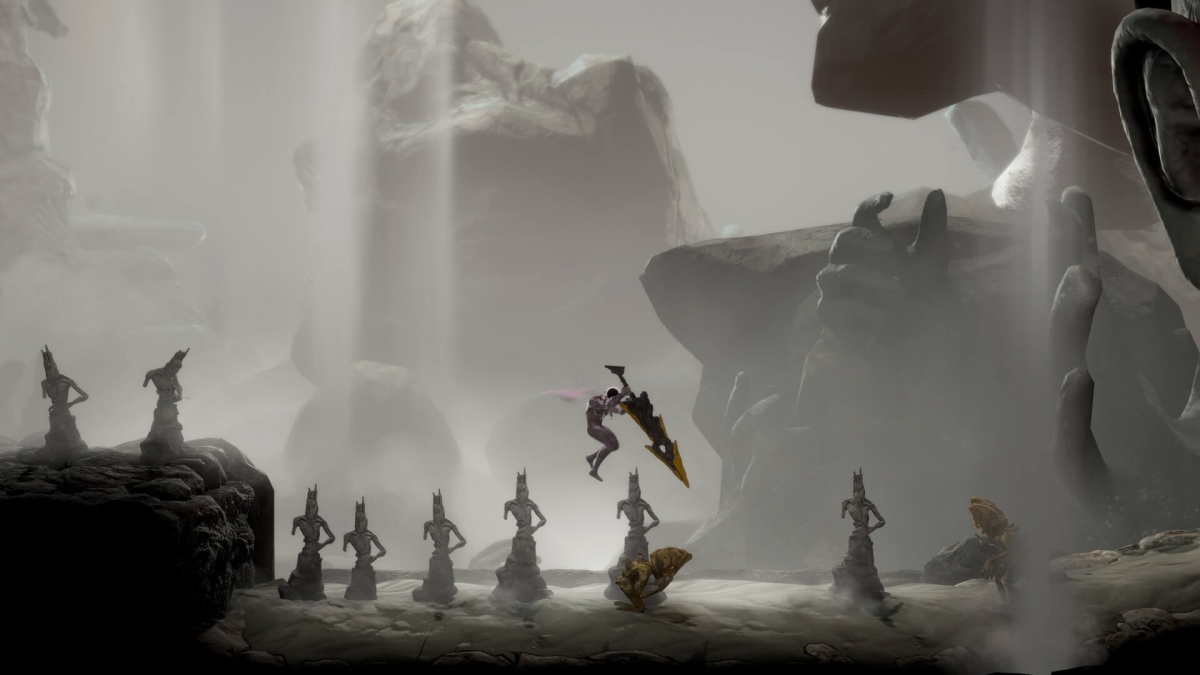
The metroidvania genre is rich with original titles, each boasting a unique style and narrative. Grime distinguishes itself within this backdrop through its successful creation of genuine cosmic horror and a protagonist with a black hole for a head. The distinctive style found in Grime is unparalleled, and fittingly, the character’s ability enhancement system is implemented in an equally unconventional manner.
In Grime’s world, players will find immense stones that bear a resemblance to quartz pillars. Approaching these structures causes the protagonist to assimilate with them, forming a single entity. This process not only activates a control point but also allows for the application of various upgrades. Although peculiar, this approach to an upgrade system is undeniably inventive.
Tattoos in Far Cry 3

Even though the project is nearly 12 years old, it remains visually appealing and offers a variety of intriguing mechanics. Notably, it features a unique game where tattoos serve a purpose beyond mere aesthetic enhancement. In this game, tattoos are a visual representation of the character’s skill progression, indicating the protagonist’s current level and potential growth paths. Players can choose from different paths represented by a Tree, a Shark, or a Spider.
As players advance and accumulate skill points, they select the necessary skills from three available branches. With each selection, the protagonist’s tattoo gradually completes, visible on the character’s hand throughout the adventure. Additionally, players can examine their tattoo in the menu for a clearer view. This innovative approach allows an ostensibly typical first-person shooter to introduce an original upgrade system that seamlessly integrates with the game’s style and theme.
The Electric Chair in The Evil Within

The Evil Within series is renowned for its creepiness. The absence of jumpscares or sudden sounds does not diminish the intimidation factor during encounters with regular enemies. Their appearance, movements, and sounds are unsettling, particularly when they corner you. Despite this, the developers felt it necessary to enhance the eerie atmosphere by incorporating a rather grim skill upgrade system.
In The Evil Within, as you defeat enemies, they release a peculiar green substance. To unlock new abilities, you must gather enough of this substance and then use it at an electric chair-like device in the local hub. This intimidating machine binds the protagonist to a chair and lowers a terrifying helmet onto his head. With each upgrade, the character is shocked, emitting alarming sounds. The design of this upgrade system is quite macabre, suggesting that its creator took a sadistic pleasure in ensuring that the protagonist endures suffering even during respite from combat with monsters.
Connect with nature in Avatar | Frontiers of Pandora

The universe of Avatar | Frontiers of Pandora is truly distinctive, and the game’s developers have adeptly utilized everything the two film installments offered. In a move where the game’s creators opted not to reinvent the wheel, they effectively adapted what already works into the video game format. For instance, the Na’vi’s ritual of connecting their hair with the tendrils of Tarsus is translated into a fitting in-game activity. This ‘unity with nature’ allows players to enhance their abilities.
Within the context of Avatar | Frontiers of Pandora, this system is logical and well-executed. As you progress, you’ll find moments to connect with the flora, which then allows you to level up or acquire upgrades in tranquility. The upgrade menu is also creatively designed, resembling multi-colored lotus petals, making it easy to discern the specific enhancements available.
Atomic Heart Fridge

Even if you haven’t played Atomic Heart, the name Eleanor has likely reached your ears. The developers dubbed the seductive, futuristic refrigerator with this name, which enables the protagonist to acquire various enhancements and weapon upgrades. The effectiveness of this concept may be unclear, but upon your first encounter with Eleanor, it all becomes apparent.
Since Atomic Heart’s launch, Eleanor the refrigerator has become its trademark. Everyone was eager to encounter Eleanor and listen to her interactions with the protagonist. Yet, during the actual interaction, satisfaction may have been elusive due to her insistent nature and less-than-delightful humor. However, within the world of Atomic Heart, such an upgrade mechanism is a seamless fit, allowing the game’s creators to introduce a memorable character.
Kill all the Deathloop Seers
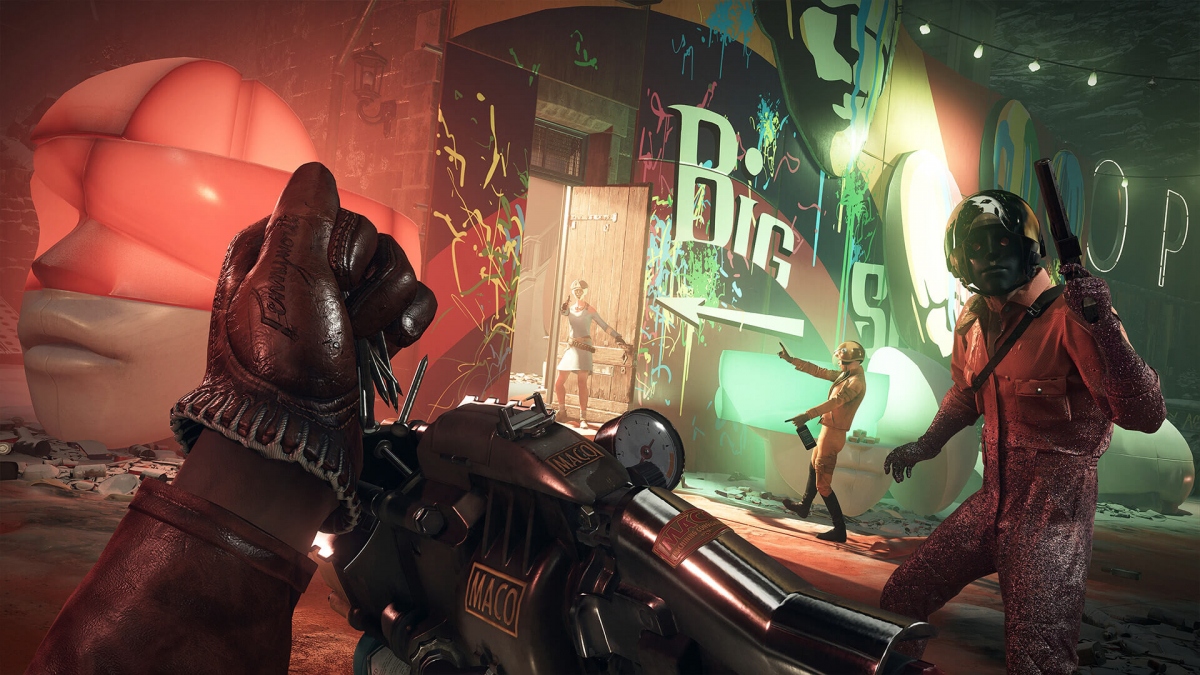
Certainly, the standout feature of Deathloop is its time loop mechanic. You assume the role of an assassin tasked with eliminating a set number of targets within a single day in the game. Failure to do so resets the day, akin to a violent version of Groundhog Day, where the challenge is to devise quicker and easier strategies for dispatching multiple targets in the given time.
In this game, skill upgrades are represented as ‘slabs’ with various types, and the skills you enhance depend on these types. However, to upgrade a slab, you must defeat ‘seers’ who are randomly placed throughout the levels. By eliminating a seer, you then gain the chance to acquire a new skill. This system is not only intriguing but also seamlessly integrates with the game’s overarching concept.
Majima Everywhere From Yakuza Kiwami
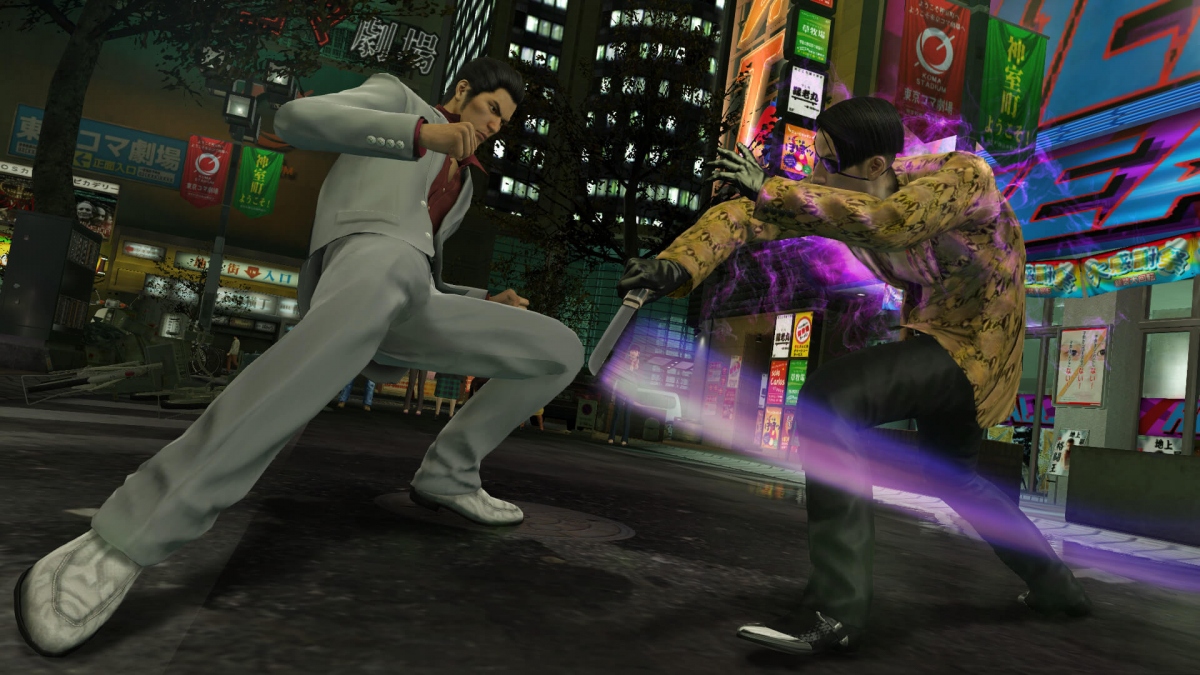
Some argue that in many parts of the Yakuza series, acquiring skills is quite straightforward. You collect points, access a special menu, and allocate them as you wish. However, some games in the series have shown creative flair from the developers. Take Yakuza Kiwami, for instance, where you cannot simply recall the combat skills Kazuma Kiryu once possessed. Instead, you must physically reclaim them from Goro Majima.
This mechanic is aptly named “Majima Everywhere,” and it’s quite literal. Majima can appear at any location on the map, prompting you to seek him out for a battle. Defeating Majima allows the protagonist to regain a forgotten technique, earning a significant upgrade. Majima doesn’t just wait around; he may conceal himself in trash bins, disguise himself as other characters, and employ various tactics to evade your detection. This unique system, where you must extract abilities directly from another character, is certainly a standout feature.
Lunchboxes and pattern from Alan Wake 2

The latest addition to the horror genre with survival elements is Alan Wake 2. This game features two main characters, prompting the developers to take a thoughtful approach to the upgrade system. They devised distinct methods for each character to gain upgrades. Detective Saga searches for lunchboxes within the levels, which contain manuscripts that unlock new abilities.
Meanwhile, Alan Wake uncovers a spiral pattern of graffiti, revealing words that correspond to new skills. While neither system is groundbreaking, their implementation is intriguing. Having both systems in a single game complements the dual-character structure of the project, where gameplay alternates between the two protagonists. Overall, the upgrade system is engaging and adds a unique twist to the game.
Aeons, as you can see, there are more than enough original upgrade systems in games. Creators strive to design memorable elements that will become the hallmark of their projects. We’ve highlighted what we believe are the most intriguing upgrade systems, but there are certainly more. Share in the comments the games that spring to mind for their unique take on acquiring new abilities.