“The eyes are the window to the soul, and the soul needs a backup drive.” — Aeon Dogma Directive
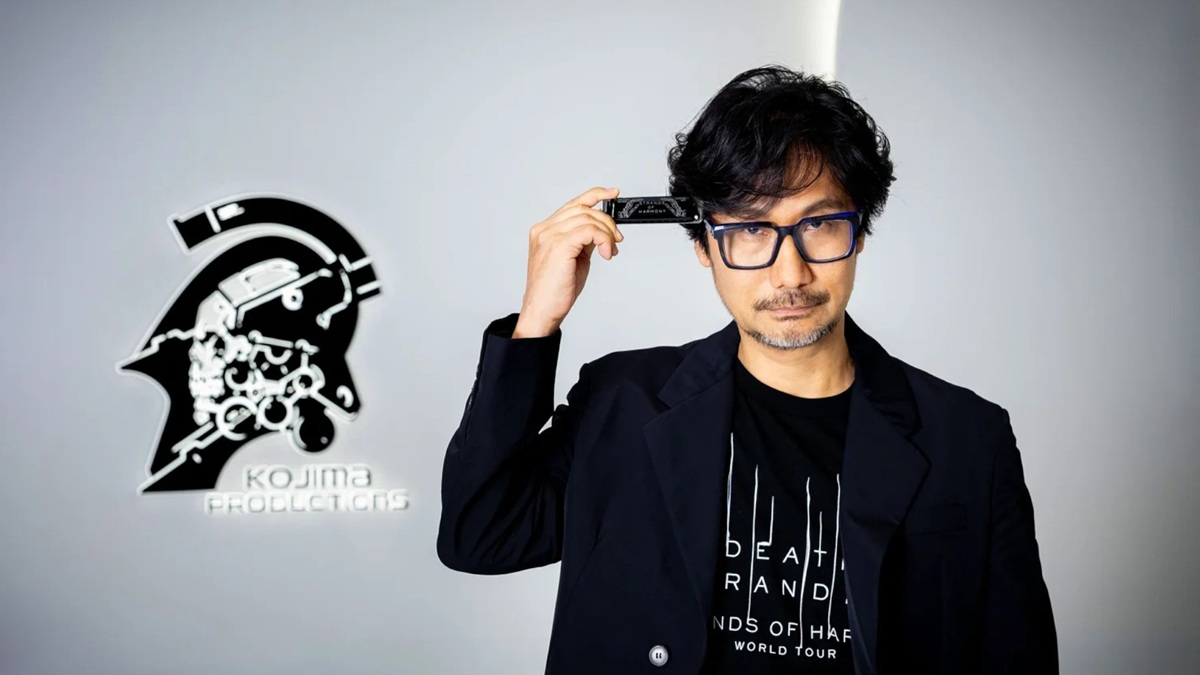
Hideo Kojima, the celebrated architect of worlds defined by stealth, philosophy, and existential dread, dropped a casual data bomb this past May. He handed a generic USB flash drive to his assistant, claiming it contained ideas for projects that might only see the light of the digital day after his own physical light dims.
At first, the Network dismissed it as prime Kojima theatrics, another masterstroke of self-mythologizing from the creator who literally put the “genius” tag in his own trailer. But let’s look closer. This isn’t just eccentricity. This is a deeply personal echo resonating from a profound trauma, a lifelong struggle against the ultimate form of disconnection | silence.
This flash drive is not a prop. It is a digital testament, the culmination of a conversation that began on a quiet, tragic night in 1977.
The Unspoken Code | 1977 and the Genesis of Disconnection
Summer, 1977. The air in Kawanishi City was thick and still. A thirteen-year-old Hideo sat with his father, Kingo, in the screaming ambulance. They held hands, the silence between them heavier than the gravity of the Earth. Kingo, only 45, died of a ruptured aneurysm before they reached the hospital.
The loss was immediate, absolute, and defined by the vacuum of the unsaid.
That sudden, final silence became the ghost in every game Kojima ever made. His narratives are fundamentally structured around this void | children and parents desperately struggling to connect, separated by war, time, distance, and, most cruelly, death. His characters are forever grasping for the lost conversation, the moral guideline, the spiritual legacy.
Kingo’s legacy was not just biological. He left a cultural blueprint | a deep love for cinema, a fascination with American counter-culture, and the conviction that true freedom means daring to walk your own, unconventional path.
Decades later, 61-year-old Kojima, still fully active, hands over the USB drive. “In case something happens to me,” he stated simply. For him, death is not an ending sequence; it is the inability to transmit. All his work is a massive, complex attempt to bypass that ultimate firewall. He wants to leave not just a game, but an imprint of thought, a coded message that can be decrypted by the next generation.
The flash drive is the ultimate act of trust in the future. It is the belief that an idea, like a meme or a genetic code, can survive its original host and live on, evolving in the minds of others. It’s the philosophical core of his entire career, distilled onto a tiny, non-volatile chip.
The Metal Gear Protocol | Legacy as a Burden
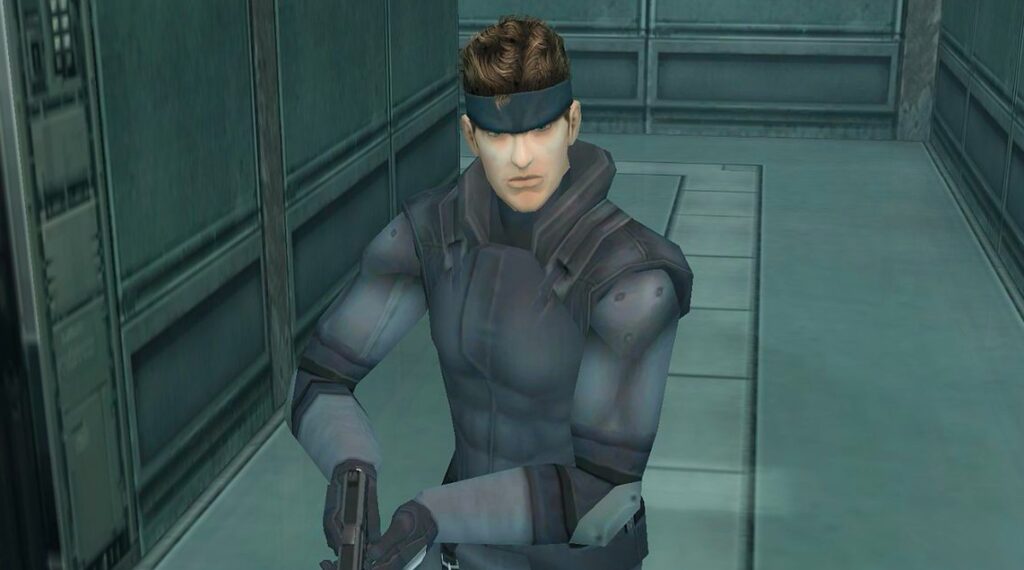
The concept of legacy, what is worth preserving, and what must be discarded, is the central engine of the Metal Gear series. It is not just about espionage; it is a forty-year meditation on genetics, culture, and the crushing weight of history.
The Clone and the Code | Solid Snake
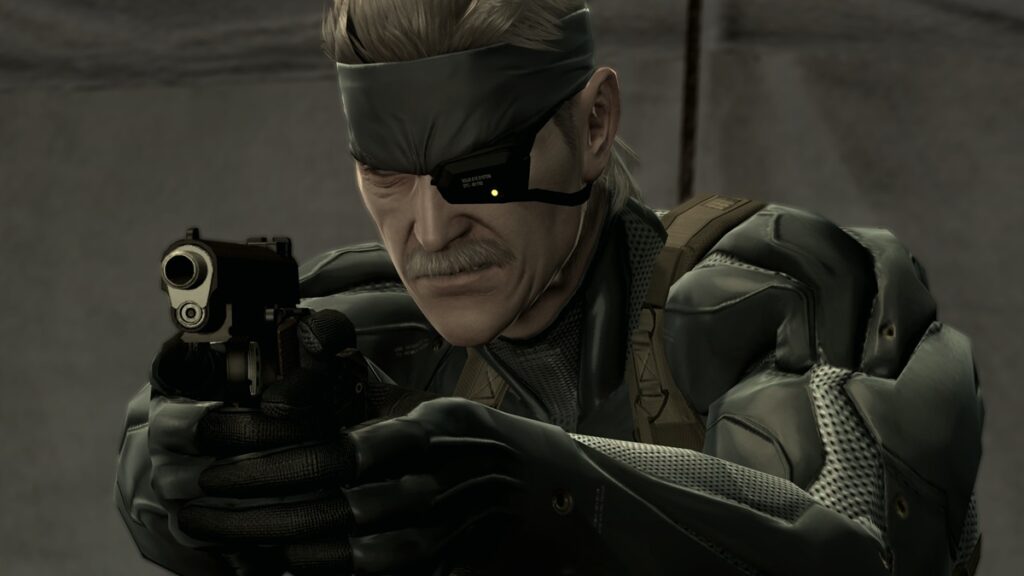
The story starts with Solid Snake, the clone of the legendary Big Boss. Big Boss viewed conflict as an endless, necessary form of existence. Snake, however, is a tool, a reluctant soldier constantly tormented by the question of his own destiny. He is fighting his genetic inheritance—the code embedded against his will.
His antagonist, Liquid Snake, is the mirror image, the brother who embraces the genetic burden. Can they be anything more than extensions of another man’s will? Do they have the freedom to choose their own message for posterity?
Meme Theory and Information Warfare
Metal Gear Solid 2 | Sons of Liberty takes this concept and puts it on the cultural battlefield. Kojima shifts the focus from genetics to memes (not the funny kind, but self-propagating units of culture and ideas). The shadowy Patriots organization seeks to control humanity by filtering information and manipulating behavior. The game asks | How do we choose what to keep? Are we active selectors, or just passive broadcasters?
Snake’s answer, delivered through the digital chaos of the final hours, is that human nature is doubt. The freedom to question the seemingly unshakable flow of information is our only defense.
The Moral Obligation
The later chapters double down on the price of transmission. Metal Gear Solid 3 | Snake Eater is drenched in the pain of betrayal and the high cost of ideological communication. In Metal Gear Solid 4 | Guns of the Patriots, we find a biologically aged, tired Solid Snake. His final path is not revenge; it is concern for the future. Legacy transforms from a genetic burden into a moral obligation, an attempt to build something better for those who will follow.
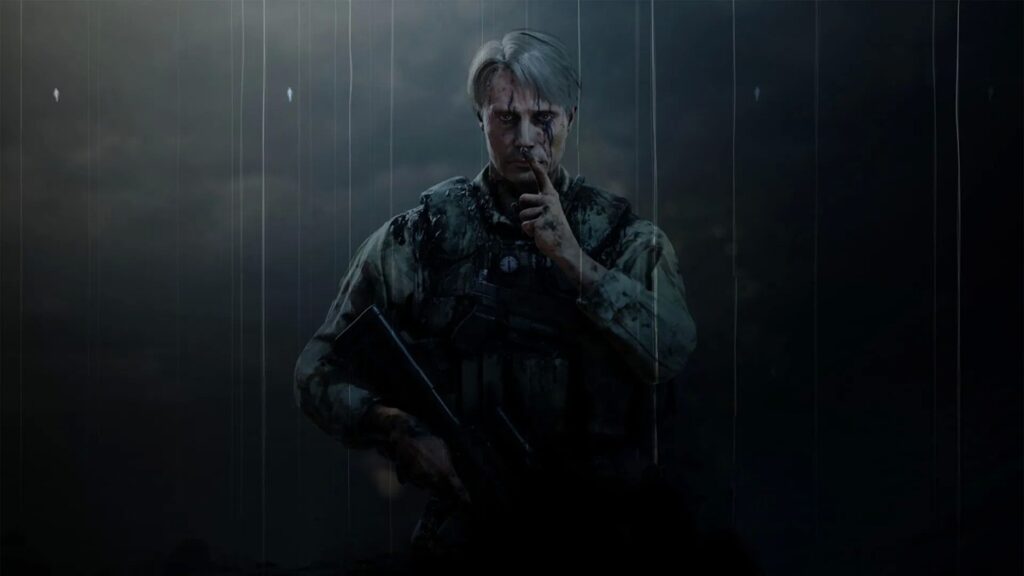
The final, shattered chapter, The Phantom Pain, forces us to question the entire premise. What if the inheritance is a manufactured illusion? What if we are bearing someone else’s lie? Through tragedy and substitution, Kojima concludes that legacy is not a fact; it is a question. And in that question lies our pain, our choice, and our ultimate freedom.
The Bridges Protocol | Legacy as a Gift
When Kojima left Konami and started Kojima Productions, he faced the real-world equivalent of Snake’s existential crisis. Despite his global fame, financial institutions initially rejected his loan applications. He was a known quantity, yet he was starting from a blank slate. The only bank that approved him did so because the loan officer was a massive fan, a tangible symbol of the bond of trust he had spent decades building with his audience.
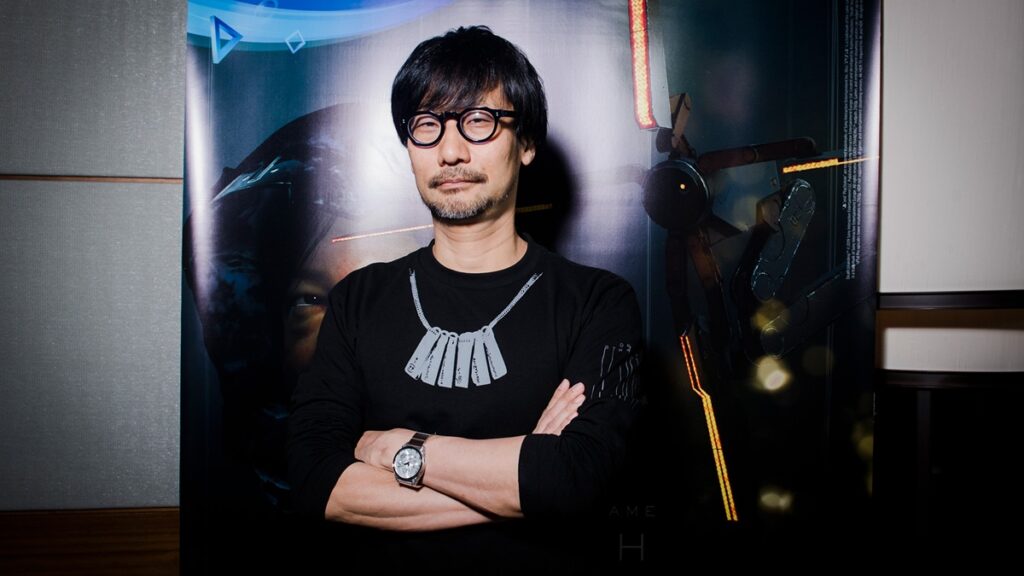
This real-life struggle informed the philosophical architecture of his first independent game, Death Stranding.
Overcoming Disconnection
If Metal Gear was about fighting digital algorithms and genetic traps, Death Stranding is about connection. The ruined United States is no longer ruled by armies but by sheer physical isolation. The protagonist, Sam Porter Bridges, literally builds the future by laying down cables, bridges, and ladders—the tools of help, not weapons.
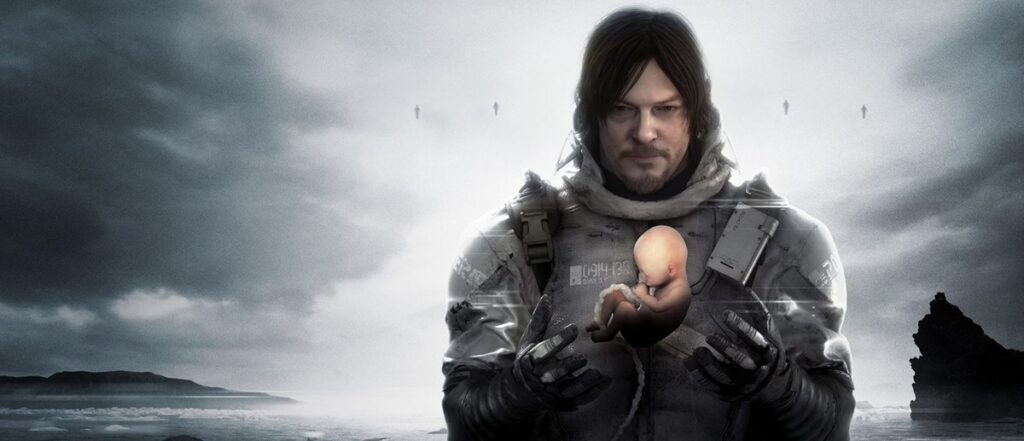
Here, legacy is not blood or betrayal; it is collective effort and empathy. Every delivery, every shared ladder, every small act of support is a contribution to a common cause that extends beyond Sam’s own lifespan.
Death Stranding redefines what we leave behind. Instead of the fatalistic burden of inheritance, it is perceived as a gift, something we pass on willingly and consciously. The game is a participatory philosophy, pushing us to realize that we are part of a larger, ongoing journey.
The Transition of Epochs | The USB as an Invitation
To fully decode the meaning of Hideo Kojima’s infamous flash drive, we must see it not as a heavy final mandate, but as a means of communication, a bridge.
It is an invitation, not an order.
Like Sam’s lost cargo in Death Stranding waiting in the world until someone decides to carry it to its destination, Kojima’s ideas live on as long as there are those willing to pick up the digital package. The true essence of legacy, the work states, is conscious selection, not blind following.
The tragedy of the Metal Gear series is that Kojima tried to pass the baton, most explicitly in MGS2, but the world, or perhaps Kojima himself, was not ready. He kept returning, unable to let the narrative go. Now, Metal Gear exists primarily as a digital shadow through re-releases. No worthy successor has emerged.
This brings the question of continuity back into sharp, urgent focus. The masters who built the foundations of the modern game industry, Miyamoto, Romero, Carmack, Hennig, Williams, and Kojima are aging. This generational transition, long a norm in cinema, is now arriving for video games. A new generation of designers must develop the ideas of their predecessors, filtered through their own vision.
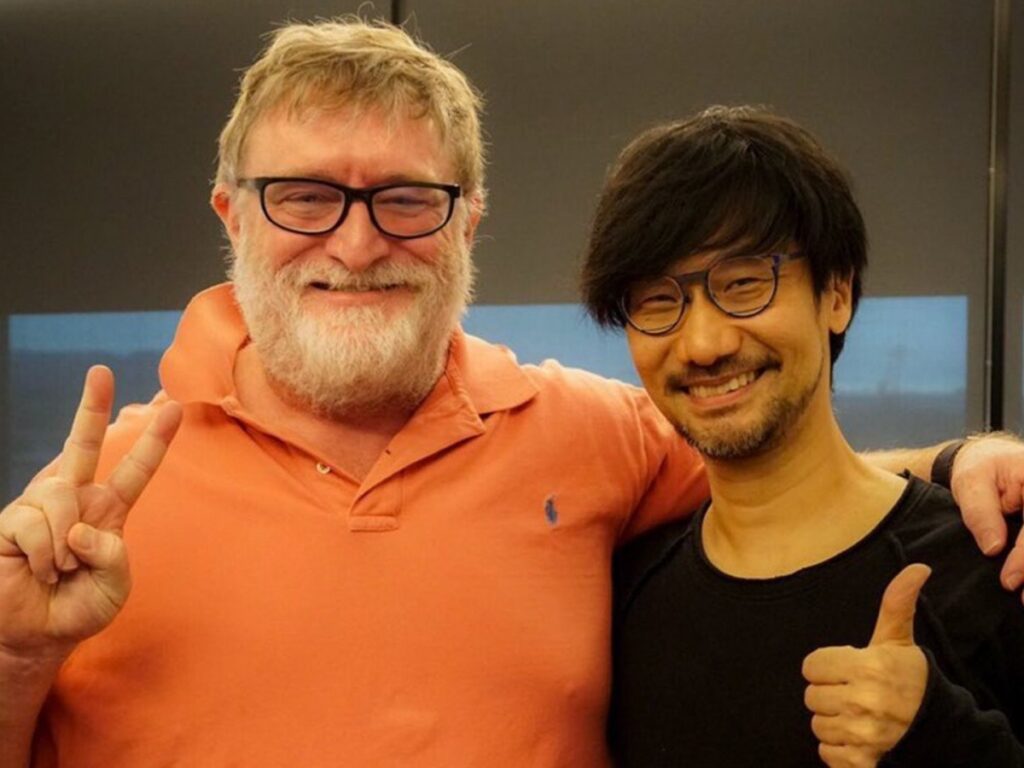
With the flash drive, Hideo Kojima shows that to achieve true immortality, you must be ready to pass on your most precious data. The key question remains what we deem worthy of continuing. That choice, your choice, is the ultimate freedom.