Securing high-quality sound for gaming is not a simple task. Superior acoustics can be costly, occupy significant space, and may disrupt others. Opting for high-quality gaming headphones is a more convenient and practical solution. This article will guide you on how to select them.
Connection Method
According to the method of connection to a PC or consoles, headphones are divided into wired and wireless. There are also combination options that support multiple types of connectivity.
- Wired (3.5 mm jack or MiniJack) offers a simple and reliable connection. The price range varies widely. These headphones won’t run out of charge or lose signal, but the wire may become damaged. Therefore, it’s advantageous if the wire is detachable.
- Wired (USB connector) headphones come with an integrated sound card, bypassing the motherboard’s audio output. If the PC’s sound quality is subpar, opting for this type of headphones—or a wireless version with a dongle—is advisable.
- Wireless (Bluetooth) headphones are primarily designed for smartphones or the Nintendo Switch, yet they are also compatible with PCs that have a Bluetooth module.
- Wireless (radio channel) headphones include a USB dongle with either a Type-A or Type-C connector. They are the preferred choice for gaming consoles and PCs due to their lower latency, although Bluetooth gaming headphones might not significantly differ in performance.
When selecting headphones, it’s important to consider the required connection methods, particularly if you plan to use them across multiple devices. It’s worth noting that for certain models, compatibility with consoles may only be possible through a wired connection.
Features of wireless earbuds
If you’re targeting wireless headphones, there are a few more important things to consider.
- True Wireless Stereo (TWS) earbuds are distinct from regular ones as each earpiece operates independently without any physical connection. This design is common for earplugs and earbuds, offering a compact size ideal for mobile gaming, though some models cater to consoles and PCs.
- Battery life is crucial for wireless earbuds, which are powered by batteries. It’s important to consider both battery capacity and life when purchasing. For TWS, consider the total operating time, including the charging case.
- For Bluetooth-enabled wireless headphones, the Bluetooth version and supported codecs are significant, especially for smartphones and music. All models support the basic SBC codec, with some offering higher-quality AAC or aptX, typically found in non-gaming models.
- Lastly, check for a low latency or game mode, often enabled through the manufacturer’s mobile app, to ensure minimal delay during gameplay.
Build Type
The design of headphones significantly influences sound quality, weight, dimensions, noise isolation, and convenience. It is a critical factor that should be determined early in the selection process.

- Covering headphones, also known as full-size, live up to their name by covering the user’s ears. They offer effective passive noise isolation and, due to their larger size, can house high-quality drivers and larger batteries.
- Overhead headphones are akin to covering types with enveloping ear pads, but feature smaller cushions that rest against the ears rather than encasing them completely. They represent a middle ground, offering a balance between size, sound quality, and comfort.
- In-canal headphones, often referred to as earplugs or vacuum headphones, are compact devices that fit inside the ear canal, providing isolation from external noise. They are designed to fit snugly within the ears, ensuring both high-quality sound and noise isolation.
- Earbud headphones, distinct from in-ear types, sit in the outer ear without providing significant noise isolation. While this may impact sound quality, such headphones are considered safer for outdoor use.
The preference for headphone format is highly personal. Over-ear headphones are often regarded as more comfortable for extended gaming sessions.
Acoustic characteristics
Sound quality is a primary consideration when selecting a gaming headset, yet it cannot be solely determined by specifications. It is recommended to personally test the chosen model.
- Surround sound is a feature of some headphones, supporting 7.1 multi-channel sound for an immersive experience. However, often this is merely software processing, though it can occasionally enhance sound quality and positioning. Virtual surround sound can also be simulated on standard headphones using tools like Windows Sonic.
- In terms of acoustic design, headphones are categorized into closed and open types. Open designs are less common in gaming headphones, offering a lighter sound but less isolation from external noise, and they may also leak sound to the surroundings.
- Impedance, relevant for wired headphones and measured in ohms, should match between the headphones and the audio source. High-impedance headphones require a strong signal source; otherwise, the sound will be faint and dull. They typically need a discrete sound card or an external amplifier.
- The frequency range that headphones can reproduce is standardly from 20 Hz to 20,000 Hz, with a broader range being preferable. However, it’s best to test headphones rather than rely solely on specifications.
- The diameter of the driver diaphragm is often associated with better sound quality, with 40 or 50 mm drivers considered high-quality. However, this is not a definitive indicator of performance.
- Power influences volume—the higher the power, the louder the headphones. High-power headphones should be paired with compatible signal sources like discrete sound cards.
- Sensitivity is another factor affecting volume; higher sensitivity means louder output at the same power or signal level.
How to choose gaming headphones with a microphone
Gaming headphones typically include a microphone, making the term ‘headset’ more appropriate. The primary distinction among them lies in the placement of the microphone.
- Built-in microphones are integrated into the headphone casing. They’re unobtrusive to the user, though sound quality varies by model.
- External microphones attach to the headphone casing with typically adjustable positions, offering generally good sound quality.
- Wire microphones, often a budget-friendly choice, are less common in gaming models and not the most convenient option.
If you’re not into online gaming, don’t need headphones for calls, or already possess a high-quality external microphone, opt for models with a built-in or detachable microphone to ensure it won’t be obtrusive.
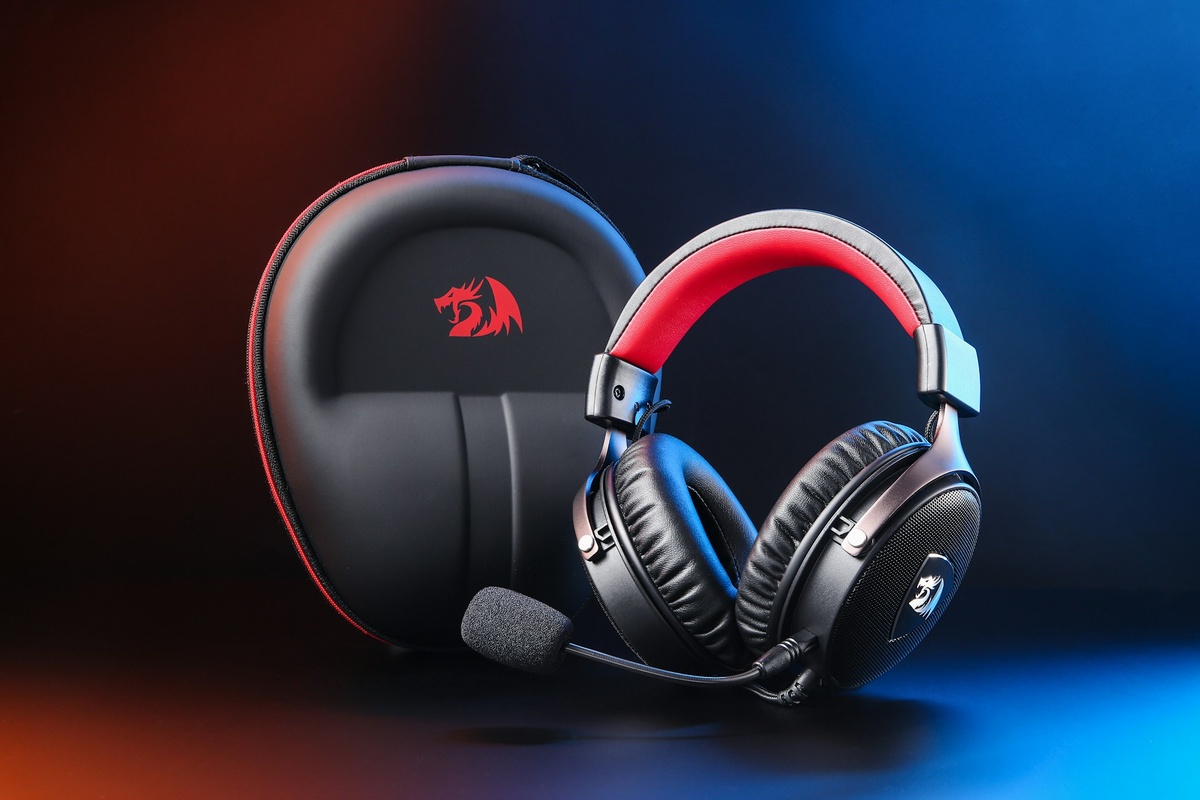
When planning to communicate with teammates outdoors or in noisy environments, ensure that your microphone has noise-cancellation technology. Additionally, be mindful of the microphone’s sensitivity; a higher sensitivity means your voice will be amplified more.
Compatibility
When selecting headphones, it’s crucial to avoid mistakes and ensure compatibility with your gaming device, as each has unique specifications.
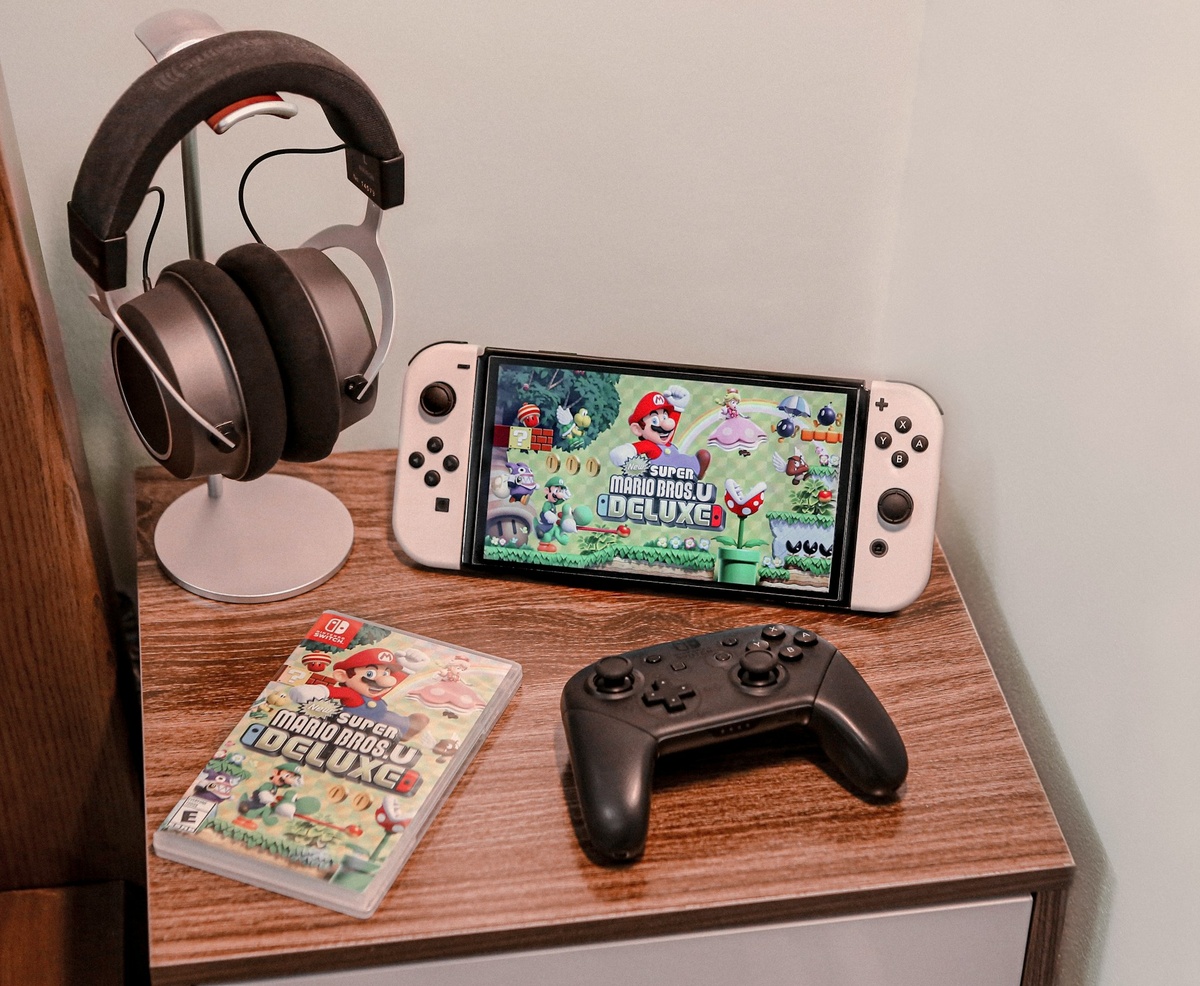
- The Nintendo Switch console supports headphone connection via Bluetooth or a wired connection through the 3.5 mm jack.
- For PlayStation 4 and 5, headphones can be connected using the gamepad’s jack for a wired connection or a USB dongle for wireless, but Bluetooth is not supported.
- Xbox Series and Xbox One require headphones certified for Xbox, and only models with a dongle are compatible.
- PCs are versatile, supporting almost any headphones; Bluetooth connectivity will need a suitable external or internal adapter.
- For smartphones, Bluetooth or wired connections are simplest. If lacking a 3.5mm jack, an external DAC amplifier with a Type-C connector is an alternative.
It’s important to verify the stated compatibility and its implementation. For instance, certain models may only connect wirelessly to a PC, while requiring a wired connection for other devices.
Other parameters
We should also take into account additional headphone parameters that may not be as crucial for gaming models or are considered optional.
- Active noise cancellation suppresses external noise by creating a sound wave in antiphase. It’s not the most sought-after feature in gaming headphones, but some models, especially those designed for mobile gaming, include it. If you plan to use headphones outdoors, this function is worth considering. However, when making a selection, ensure not to confuse this with the noise cancellation feature for microphones, as they are distinct.
- Vibration is another feature some gaming headphones offer, providing tactile effects. It’s an optional feature but can enhance the gaming experience.
- Illumination is common in gaming models, often featuring backlighting. However, in wireless models, this can cause faster battery depletion and shorten battery life.
Keep in mind that purchasing a dedicated gaming headset is not essential for gaming. If the aggressive design or features like virtual surround sound don’t appeal to you, consider studio headphones. Typically, they offer superior sound quality, although they may not provide as much situational awareness in online games.