The Assassin’s Creed franchise has been a juggernaut in gaming for nearly two decades, weaving its way through history with a blend of stealth, spectacle, and sprawling open worlds. It’s a series that’s seen highs and lows, but recent years have shown it’s still got plenty of life left.
Valhalla, with its Viking epic scope, has been hailed by players as one of the standout titles of the past decade—a sprawling, brutal masterpiece that married RPG depth with the series’ signature flair. Then came Mirage, a leaner, stealth-focused throwback that caught the eye of none other than the sheikhs of the Savvy Group, who reportedly dubbed it the greatest game in history. High praise, indeed, though one wonders if they’ve tried Tetris. The old classics still sit comfortably in our libraries, while the newer entries push Ubisoft’s well-worn formula to its limits, fueling the French developer with the cash and confidence to keep churning out ambitious—if sometimes predictable—blockbusters.
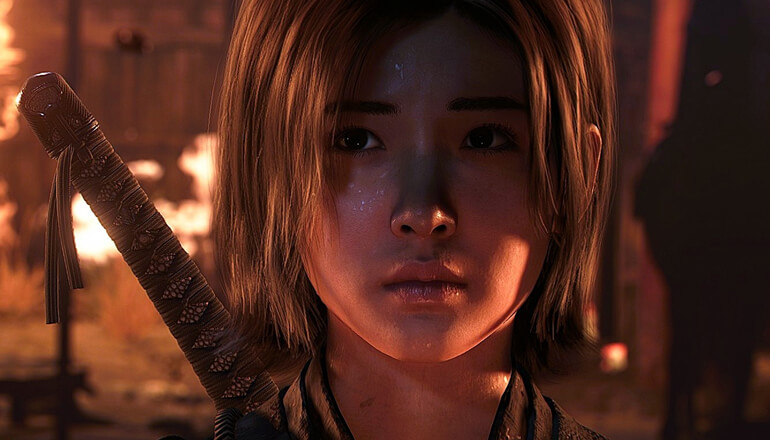
Enter Assassin’s Creed Shadows. This latest chapter was supposed to be a slam dunk | feudal Japan, dual protagonists, and a chance to finally deliver on a setting fans have begged for since the days of AC II. But the road to release was anything but smooth. Ubisoft found itself navigating a storm of controversy, from accusations of cultural misrepresentation to a financial tailspin that left investors jittery and the company’s stock teetering on the edge. Development wasn’t a picnic either. Teams from across the globe—some seasoned Ubisoft vets, others fresh-faced newcomers—worked to stitch together this massive project. Insiders, usually tight-lipped about production woes, admitted to the press that tying all the threads together felt like herding cats in a thunderstorm. For a company that’s made a science out of pumping out open-world behemoths, that’s saying something.
And yet, here we are. Shadows has landed, and the reception has been surprisingly rosy. Critics have showered it with praise, slapping high scores on its lush visuals and refined mechanics. Players seem to agree—Steam’s user reviews are hovering around 80% positive, a “Very Positive” rating that suggests Ubisoft might have pulled off a miracle. Well, almost. Japanese politicians weren’t thrilled, but not for the reasons you might expect. It’s not the Black samurai Yasuke or the female shinobi Naoe that ruffled their feathers—it’s a new mechanic | partial building destructibility. Apparently, letting players smash up sacred shrines (even virtual ones) didn’t sit well with the curators of Japan’s cultural heritage. Ubisoft’s response? A quiet day-one patch to tone it down, though the debate lingers like a stubborn fog.
But let’s talk numbers, because that’s where things get juicy—and a little perplexing. Ubisoft proudly trumpeted that Shadows racked up 1 million “players” in its first 24 hours. Impressive, right? It even surged past Counter-Strike 2 on Steam’s top sellers list for a hot minute before settling into a comfy second place. A million in a day is nothing to sneeze at—except when you dig into the details. On Steam, the game’s peak concurrent player count stalled at a modest 47,000. Compare that to Kingdom Come | Deliverance 2, which hit 250,000 peak players on Steam with 1 million sales in its first day, or Stalker 2, which notched 120,000 peak players with 1 million sales in 48 hours (despite Xbox Game Pass muddying its numbers). Both those titles had buzz, piracy, and hardcore fanbases driving their online presence. Shadows? Not so much.

So where are all these Shadows players hiding? Steam’s the biggest PC gaming platform on the planet, yet 47,000 feels anemic for a AAA title with Ubisoft’s marketing muscle behind it. Are they all on consoles—PS5 and Xbox Series X—where pre-orders reportedly soared? Did Epic Games Store or Ubisoft’s own Connect platform quietly absorb the bulk of the sales? Or maybe the Japanese market snapped up copies en masse, only to leave them unplayed on shelves while they grind out 80-hour workweeks? It’s not like Ubisoft’s forcing every employee to buy five copies for their cousins (or are they?). Twitch viewership tells a similar story—hundreds of viewers have already drifted away, chasing drops elsewhere or moving on to shinier distractions.
The million-player claim raises eyebrows because Ubisoft’s wording is slippery—“players,” not “sales.” That likely includes Ubisoft+ subscribers, who get access without dropping full price. Fair enough, but it doesn’t explain the gap between that headline figure and the tepid Steam turnout. Who are these mystery million? Are they even playing? Steam reviews offer some clues | players rave about the graphics, the Japanese setting, the dogs and cats (because of course), and Naoe’s ninja agility. Yasuke, the hulking samurai, gets a shrug—most seem to ditch him after the prologue, treating him like an awkward guest at a party. It’s not disdain; it’s indifference, the kind you’d give a plot twist in a movie you’re only half-watching.
So here’s the rub | Shadows is a hit by some metrics—sales charts, review scores—but it’s a ghost town where online presence is concerned. Is it a sleeper success, quietly raking in cash from casuals who don’t touch Steam or stream? Or is it a mirage, propped up by PR spin and a loyal fanbase willing to overlook its quirks? Ubisoft’s betting big on this one, especially after a rocky few years. The jury’s still out on whether Shadows will be the triumph they need—or just another beautiful, half-empty playground in their ever-expanding empire. What do you think—where are all these players, and are you one of them?