In the Aeon Dogma ecosystem, we focus on high intellect systems and the cold precision of cyber industrial builds. However, the Low Priority Loop exists as our internal firewall. It is the place where we divert the noise, the routine, and in this case, the flat out bizarre. Before this category became a filter for technical stability, it was a home for the strange and the fun.
The history of gaming is a graveyard of innovative peripherals that were clearly designed by committees who had never actually held a controller. These are the devices that didn’t just fail the market; they failed the basic laws of physics and ergonomics.
The Fish Finding Game Boy
In 1998, Bandai decided that the average gamer wasn’t spending enough time outdoors. They released the Pocket Sonar, an official Game Boy peripheral that turned your handheld into a literal, working fish finder. You would cast a sonar buoy into the water, and your 8 bit screen would display real time data on underwater structures and fish locations.
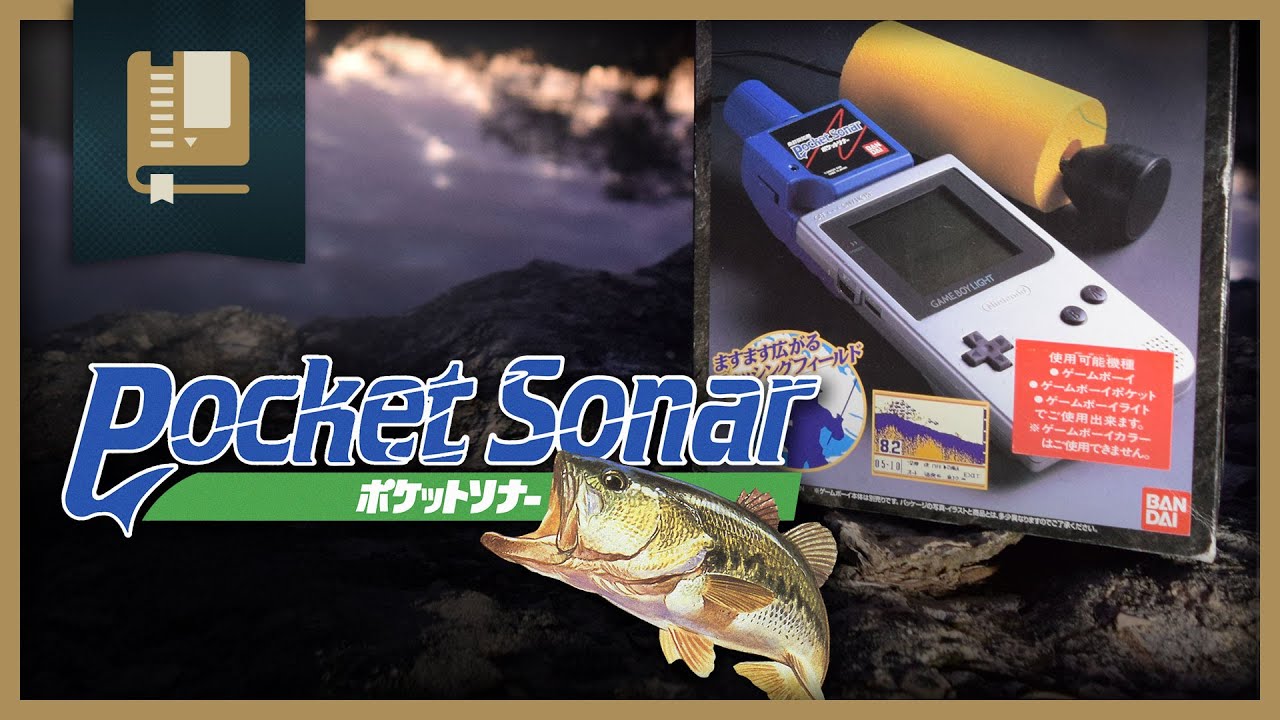
While conceptually impressive, it was a logistical nightmare. Standing on a pier with a non waterproof Game Boy while juggling a fishing rod and a sonar cable was a recipe for a very expensive splash. It remains a legendary piece of why does this exist? history. It actually worked, which is the most terrifying part. It wasn’t a toy; it was a legitimate extension of the Game Boy into the world of nautical navigation, proving that the hardware was adaptable in ways its creators likely never fully intended.
The Konami LaserScope | Voice Activated Frustration
The LaserScope was a headset light gun for the NES that promised to make you feel like a futuristic soldier. It featured a crosshair over one eye and a microphone. To shoot, you simply had to yell “FIRE!”.

The technical reality was a disaster. The microphone didn’t actually recognize the word “fire”; it just reacted to any loud sound. This meant that the game’s own background music or a dog barking in the next room would cause your character to unload their entire clip into a wall. It was a peripheral that literally required you to scream at your television to play, turning every gaming session into a public display of insanity. If you were playing in a quiet room, the sheer volume required to trigger the sensors would eventually result in a noise complaint from the neighbors.
The Inflatable Boxer
Long before the Wii tried to get us moving, the NES had Exciting Boxing. This came with a life sized, inflatable plastic boxer that plugged into the console. To play, you had to physically punch the balloon.
![Exciting Boxing (Jpn) - Nintendo Entertainment System / Famicom (NTSC) [MESS] [shortplay]](https://www.aeondogma.com/wp-content/cache/flying-press/70dc44e419d7e408ee384bd737c8c867.jpg)
The problem was twofold: the sensors were notoriously unresponsive, and the “controller” was made of thin vinyl. Most units didn’t survive their first week of play, ending their lives as a punctured pile of plastic on the living room floor. It was a high impact experience that resulted in a very low impact lifespan. The physical exertion required was genuine, but the reward was often just the sound of air escaping from a leaky valve.
The Resident Evil 4 Chainsaw
We cannot discuss absurdity without the Chainsaw Controller. Released for the GameCube and PS2, this was a massive, blood splattered chainsaw that functioned as a controller. It even featured a pull cord that would play an engine revving sound effect.

While it is one of the coolest display pieces ever made, it is functionally unusable. The buttons are scattered across the blade in a way that requires you to hold the device like a heavy industrial tool just to move your character. It is the ultimate example of style over substance—a grizzly, ergonomic nightmare that we keep in the loop to remind us that “cool” is often the enemy of “functional.” Each of the 50,000 limited units featured unique blood splatters, making it a masterpiece of macabre marketing that absolutely no one wanted to use for more than ten minutes.
The Sewing Machine Connection
Perhaps the strangest of all was the Singer Izek, released in 2000. It was a legitimate sewing machine that used a Game Boy Color as its interface. By connecting the handheld via a link cable, kids could select from 80 different embroidery patterns or even type in messages to be sewn into fabric.
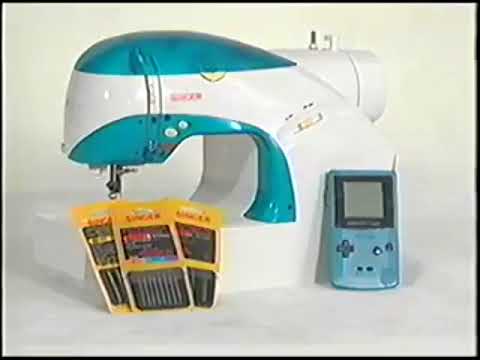
This remains the peak of lateral thinking with withered technology. It didn’t matter that the Game Boy was old; it was reliable enough to control a needle and thread. While it didn’t revolutionize the garment industry, it stands as a testament to an era where developers truly believed that a gaming handheld could be the central hub for every household appliance.
Why We Loop This
We archive these failures to understand the boundary between true utility and corporate gimmickry. These devices represent a time when companies were throwing everything at the wall to see what stuck. In the modern grid, we value tools that disappear into the hand, not ones that require a pull cord and a prayer.