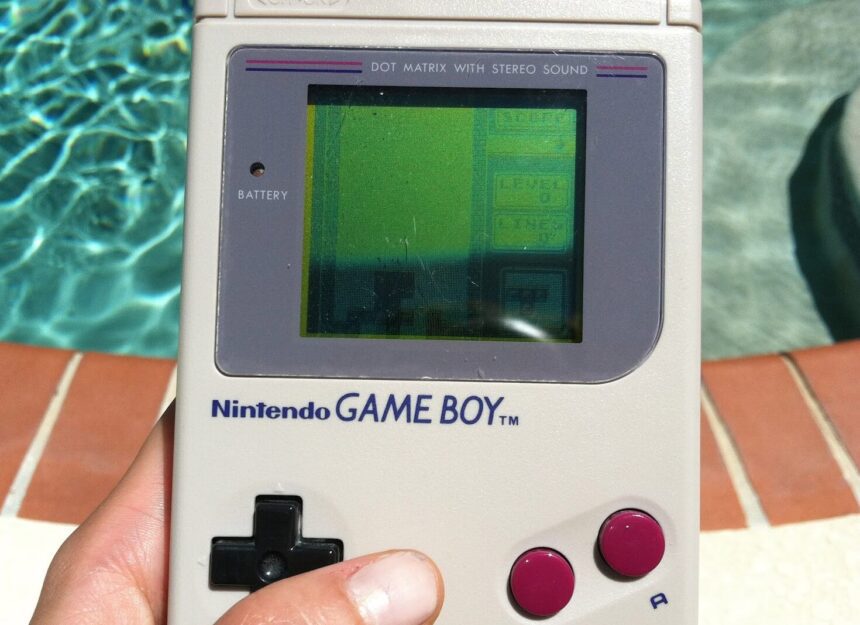
The Gameboy, released in 1989, is an 8-bit handheld game console. Its processor, a Sharp LR35902 DMC-CPU, was a simplified version of the Zilog Z80 from 1976, making the Gameboy’s technology 13 years old at the time of release. However, far from hindering its success, this contributed to it.
The device ran on four AA batteries for up to 30 hours, unlike its competitors, which required six batteries for just three hours. This efficiency, partly due to the absence of a backlight in the display, saved consumers money on batteries. Moreover, the Gameboy’s memory was quite limited.
Nintendo’s legal team was adept at protecting their rights; the console verified the authenticity of game cartridges by checking for a simple binary code that formed the Nintendo logo, which was then displayed on the screen by activating pixels for 1s and deactivating them for 0s.
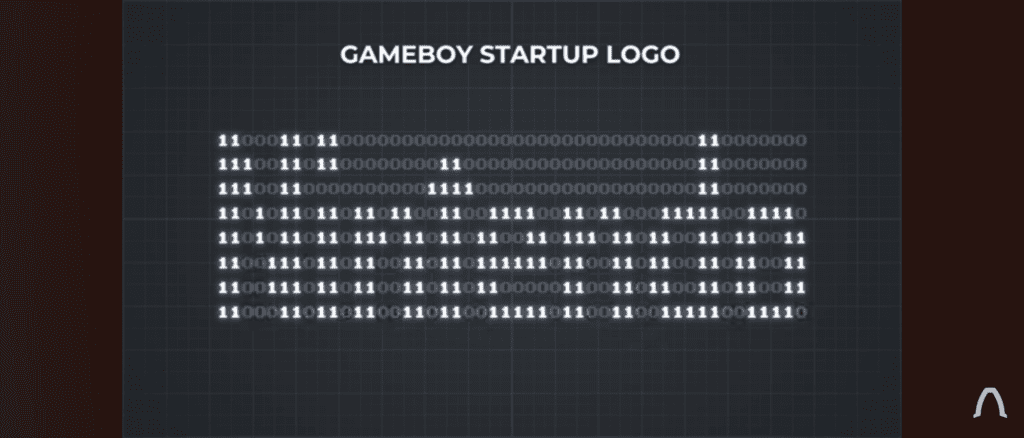
Thus, even if pirates replicate a cartridge from a third-party studio, they must counterfeit the Nintendo logo. This enables lawyers to prosecute pirates for counterfeiting any cartridges that use the logo.
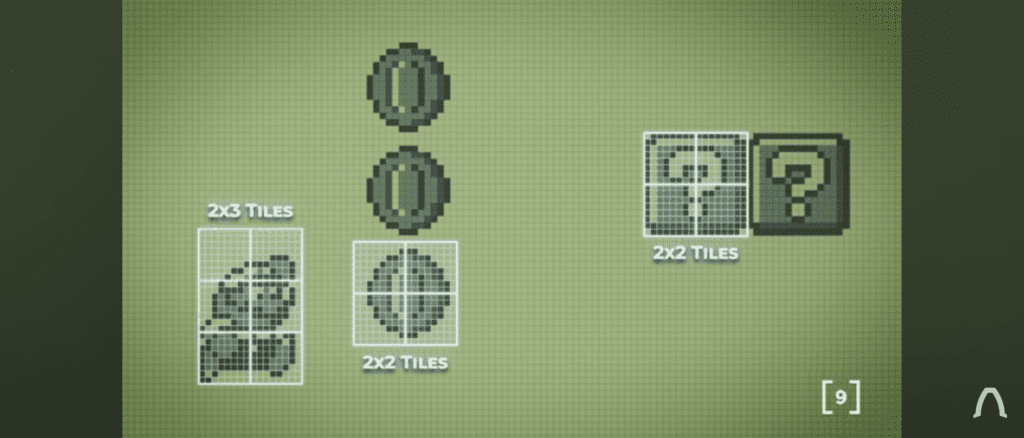
Moreover, the entire display image occupies a third of the console’s total RAM, with only 12.5% of the memory dedicated to video. This is accomplished by employing a static background that shifts to create dynamic effects and “sprites” made of 8×8 pixel tiles for moving objects.
The sound capabilities were significantly limited; the hardware could only handle four channels, two for squeaks of varying pitches, one for white noise, and just one for arbitrary sounds. By blending these channels, we achieved that nostalgic music.
Indeed, Nintendo’s console was less advanced than its competitors. However, thanks to several clever engineering solutions, they accomplished two objectives | affordability and efficient game development optimization. These factors contributed to the Game Boy’s remarkable success.
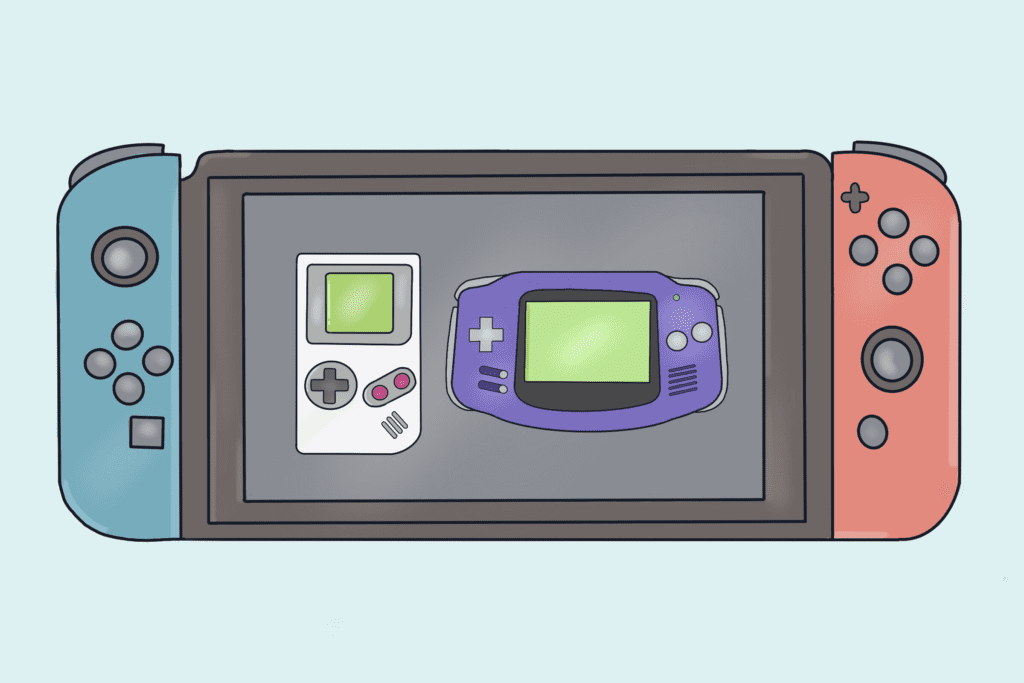
Nowadays, we observe how the initially “outdated” Nintendo Switch fiercely competes and even surpasses other consoles. Yes, working with relatively modest hardware, developers and engineers must put in extra effort for optimization and creativity to reach a satisfactory game quality. Yet, the console’s cost-effectiveness, coupled with top-notch gaming experiences, seals the deal | Nintendo earns the success it merits! Do it well, and it will turn out fine!
We were genuinely inspired and even utilized a few screenshots from Real Engineering on YouTube.