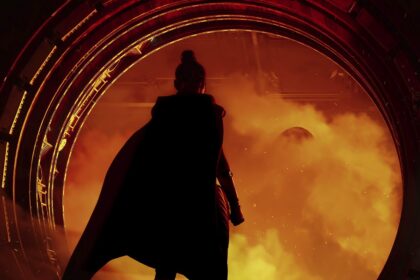
Amazon’s adaptation of the Fallout series is set to be quite unorthodox. Rather than rehashing the storyline of any existing game, the television iteration will narrate an entirely new tale, featuring fresh characters, all within the established universe.
Creators of the project bluntly say that the series can be perceived as the next part of the franchise, just non-interactive. As we approach a new chapter in the Fallout series, it’s beneficial for those unfamiliar with the games, or those who need a refresher, to acquaint themselves with the distinctive post-apocalyptic world of the franchise.
In this article, we’ll run through the various factions, factions, and mutated creatures that inherited the nuclear-scorched American Wasteland after the U.S. and China wiped each other out in a horrific war for the last of its resources.
Brotherhood of Steel
Perhaps it’s best to begin with the futuristic armored techno-knights that have become synonymous with Fallout. The Brotherhood of Steel aims to gather all pre-war artifacts to hinder humanity’s progress and avert another global conflict that could annihilate nearly all life. Originating from the remnants of the US army on North America’s west coast right after the nuclear war, the Brotherhood was established by Sergeant Roger Maxson. Since its inception, the faction has been ruled by a council of elders, typically headed by a descendant of Jackson.
The Western Brotherhood of Steel once wielded considerable local influence, but its prominence waned as the New California Republic, sharing an interest in pre-war technology, emerged and expanded. The Brotherhood, conservative and insular, resisted incorporating new members from outside its ranks. This led to multiple conflicts with the NCR, culminating in their defeat by the Republic’s superior numbers.
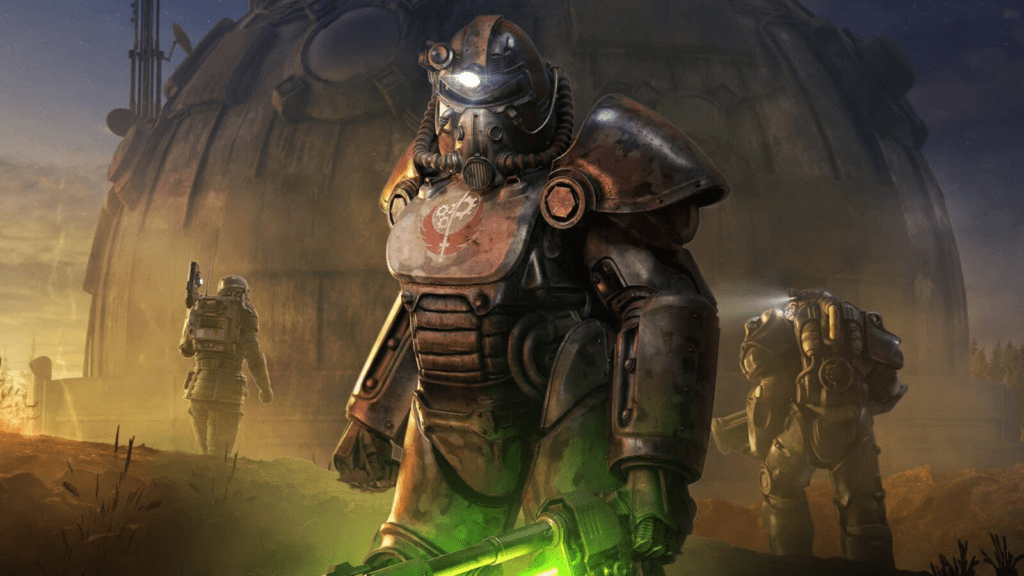
While the Brotherhood has largely vanished from the western United States’ geopolitical landscape, it has successfully expanded eastward. In the area known as the Capital Wasteland in Washington, one of the eastern branches of the Brotherhood of Steel has established itself without repeating past mistakes, such as recruiting locals, thus experiencing less stagnation. Currently, it is under the leadership of the last Maxson, Arthur. Under his command, the Brotherhood has gained notoriety across the region and has developed characteristics akin to a militarized fascist group.
Arthur has set out to eliminate all non-humans from the Wasteland and has declared total war on a group known as the Institute, which has been creating humanoid androids in Boston. The canonical victor of this conflict will be revealed in the series.
Enclave
The government of the former United States managed to survive the Great War in part, but subsequently operated in secrecy for decades. The Enclave represents a collection of the most extreme conspiracy theories imagined about government authorities. In the Fallout universe, U.S. leaders commissioned the construction of shelters across the nation, not solely for population protection, but also to carry out a range of experiments on the inhabitants and their progeny. In fact, the number of shelters designed for inhumane experiments far exceeded those intended for refuge. According to available data, the Enclave’s objective was to orchestrate the repopulation of Earth. However, their plans initially involved eradicating all “impure” residents of the Wasteland, who were presumed to be tainted by the new world’s severe ecological conditions.
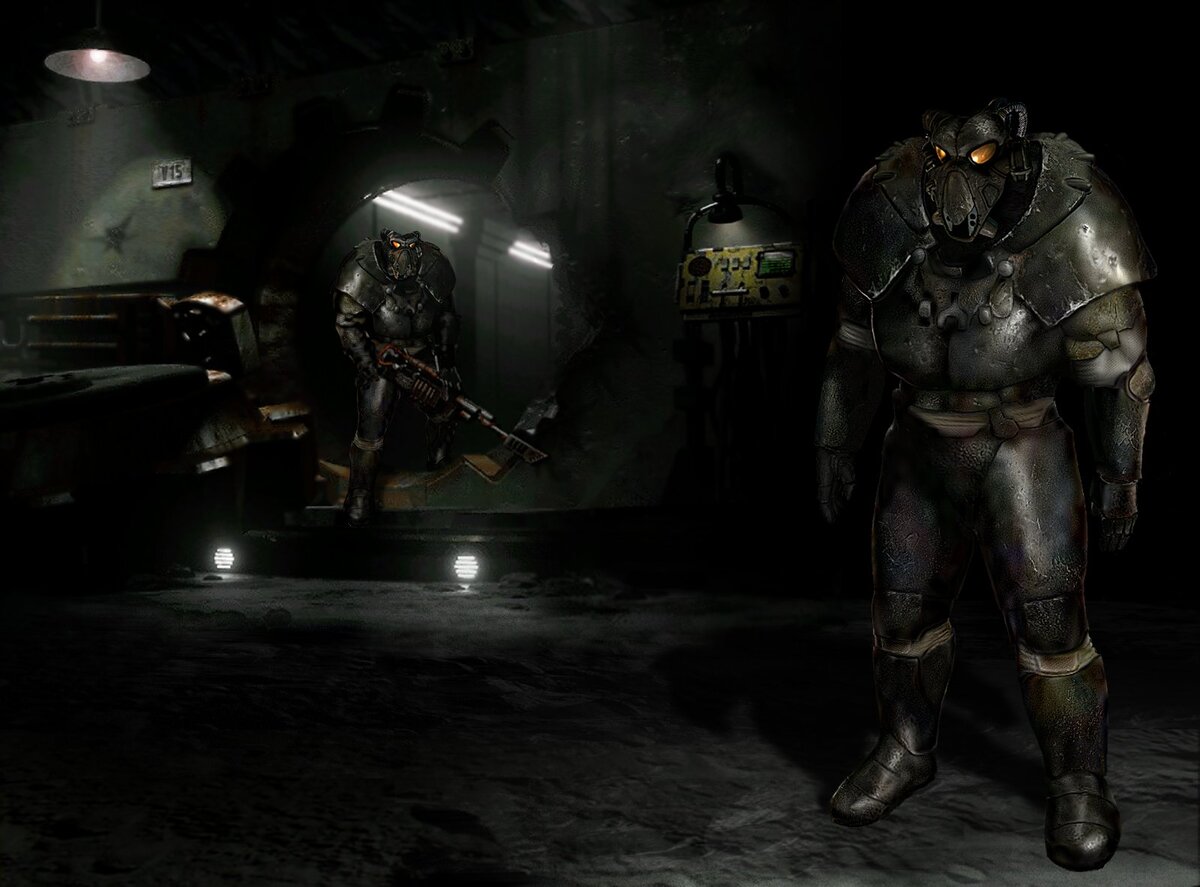
The plans were never meant to be realized | the western Enclave, stationed on a Pacific oil rig, was dismantled by the actions of a fortunate local, the protagonist of Fallout 2, and with it perished the last president of America. Meanwhile, the eastern Enclave met its demise when their schemes were foiled by the hero of Fallout 3, who eliminated a sentient computer that had assumed the presidency of the United States.
As the Fallout TV series commences, the Enclave is nearly extinct, save for a few former soldiers who scorn the other Wasteland inhabitants and yearn for their former glory and days of intimidating the lesser beings with their advanced technology. Nonetheless, considering the Enclave’s significant role in the franchise’s lore and its reputation as “the ultimate evil in the Fallout world,” it wouldn’t be surprising if the group somehow resurfaces as a formidable force in the series.
New California Republic
Contrary to the preceding factions, the NCR does not have direct connections to pre-war institutions. It is a newly established state in the territory of former California. Owing to President Tandy’s leadership, it has evolved into a dominant political entity in Fallout’s post-nuclear world.
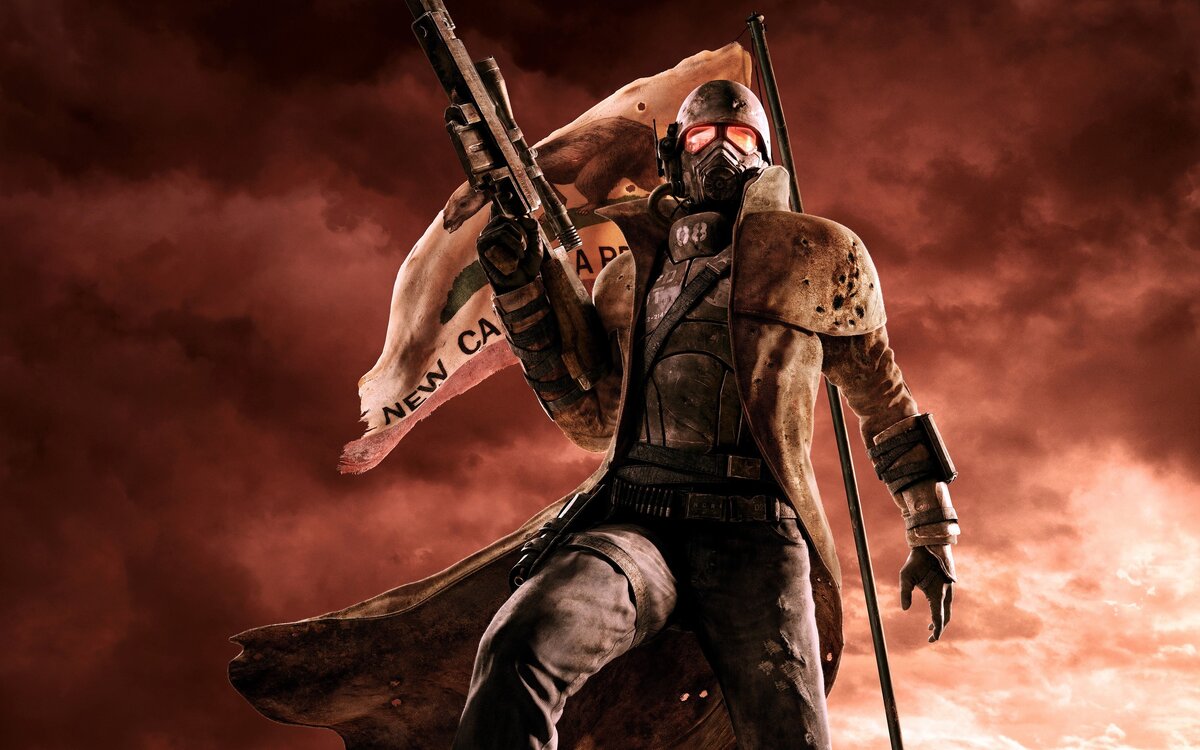
The NCR is a genuine democracy, complete with its advantages and disadvantages. The republic enjoys a relatively high standard of living, with its citizens having access to water, electricity, radio, and even television entertainment. Additionally, commerce is flourishing in the NCR, and the security of its roads is ensured by ranger patrols. Nonetheless, the NCR faces significant challenges, including pervasive corruption and bureaucratic issues, and the persistent presence of raiders within its territories.
The New California Republic has expanded eastward to the borders of what was once Nevada, where it finds itself in a deadlock over control of the Hoover Dam, a vital source of energy and clean water. Its primary adversaries are the autonomous city of New Vegas, ruled by the enigmatic Mr. House, and Caesar’s Legion, known for its practice of slavery. The outcome of this standoff is likely to be revealed in the series.
Super Mutants
The Forced Evolutionary Virus (FEV), central to the Fallout series’ lore, was developed as a formidable biological weapon by the US government before the Great War. Post-Apocalypse, the FEV fell into the hands of various zealots intent on aiding humanity’s adaptation to the harsh post-nuclear environment, resulting in the creation of the super mutants.
Super mutants are present on both coasts of America. In the west, they were mass-produced by the so-called Master, the main antagonist of the first game, while in the east, they were spawned in Vault 87 and further propagated by the Institute’s machinations.
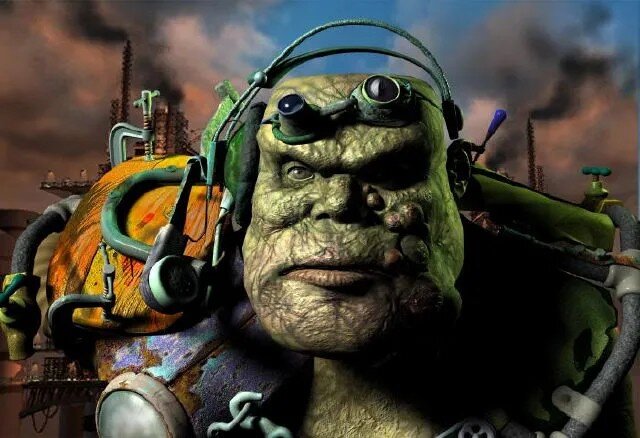
Despite their varied origins, all super mutants exhibit similar physiological traits. These beings are noted for their immense size, formidable strength, and total resistance to radiation. However, the envisioned master race harbors two critical weaknesses | sterility post-transformation and, in most instances, diminished intelligence. Consequently, and to the relief of the other denizens of the Wasteland, this emergent human species has not managed to dominate the globe and is unlikely to do so.
Ghouls
The inhabitants of the Wasteland managed to endure the radiation contamination and the atmospheric release of the FEV virus. However, the harmful impact of these elements transformed them into eerie beings, at least outwardly. Their appearance, akin to bodies in advanced decomposition (lacking noses, with necrotic skin), earned these “fortunate” survivors the moniker of ghouls.
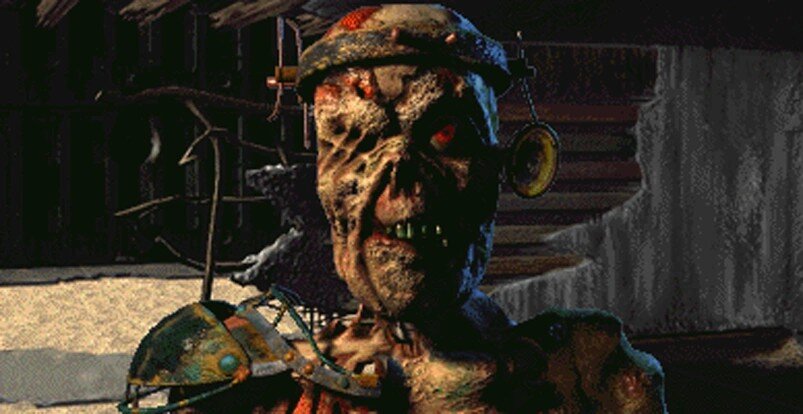
While they may look like zombies, not all ghouls act as the mindless undead—though there are many who do. Despite facing discrimination, a significant number of ghouls have been assimilated into different post-war societies, becoming essential members. These ghouls often emerge as leading experts in their fields, possessing extensive life spans and, consequently, a wealth of experience; some even witnessed the world before the nuclear devastation. Among these venerable ghouls is a character from the Fallout series.
Deathclaws
Drawing parallels with fantasy adventures, deathclaws can be likened to dragons | they are the ultimate monsters in Fallout and represent the most formidable challenge for any hero.
These creatures were originally bred from Jackson’s chameleons by U.S. scientists before the Great War broke out. The goal was to engineer genetically modified assault creatures that could take the place of humans on the battlefield. Thus, the aim was not only to create a colossal, indestructible killing machine (which the researchers achieved with flying colors), but also to bestow upon it a relatively high level of intelligence, enabling the creature to comprehend and execute complex commands.
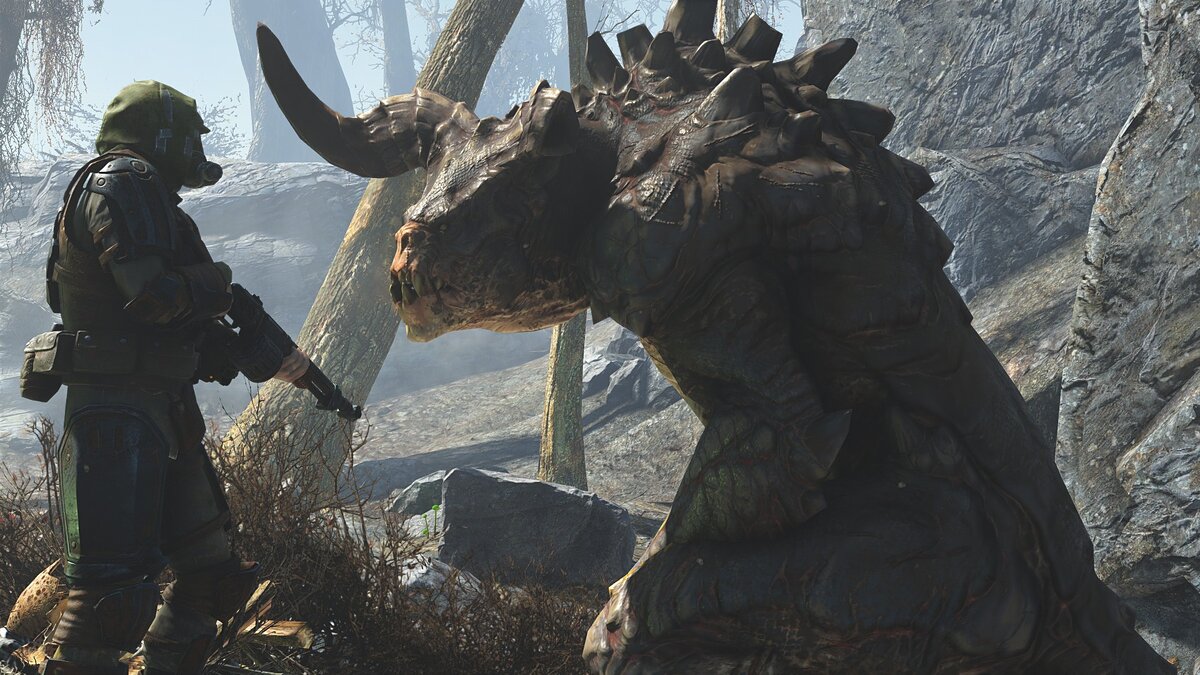
In the later installments of the series, sentient deathclaws are absent, yet in Fallout 2, an entire community of these intelligent creatures existed, capable of engaging in dialogue with the player. One could even join the hero as a companion. It remains uncertain which iteration of the Deathclaws will feature in the series—be they feral beasts or cunning warriors—but their presence in the TV adaptation is assured, given their status as iconic monsters.
That sums it up. Indeed, fans of Fallout may quickly note the omission of many intriguing aspects in the article. Nevertheless, the content provides the essential information needed to follow the series. While a detailed discussion on Caesar’s Legion is possible, the likelihood of this group appearing in the series is very slim, unlike the significant NCR, which features in multiple franchise games. For those seeking deeper insights, the optimal way to intimately understand Fallout is by playing it | the wasteland brims with secrets and narratives best discovered firsthand.