The grid is humming with a strange frequency. In a world where the new generation is constantly chasing the next hit, the high-octane “drop,” and the latest zero-day patch, something peculiar is happening in the sub-sectors of the gaming community. We are jacking back into the same simulations we finished a decade ago. We are replaying the same levels, fighting the same bosses, and reciting the same dialogue like a digital mantra.
When exactly did we decide that replaying the same thing is the norm?

Try explaining to a civilian why you’ve completed Resident Evil 4 fourteen times. It is not because you forgot the plot. It is not even because a shiny new remaster hit the shelves. It is because you felt the pull of the familiar code. At some point, this ceased to be a glitch and became a virtue. A sign of refined taste. A high-bandwidth ritual.

The Ancient High Score Protocol
To understand the loop, we have to look at the legacy systems. In the eighties, repetition was the only game in town. You didn’t “finish” Pac-Man or Galaga; you survived them until the kill screen claimed your soul. The motivation was clear | competition. You were fighting for those three glowing letters at the top of the leaderboard.
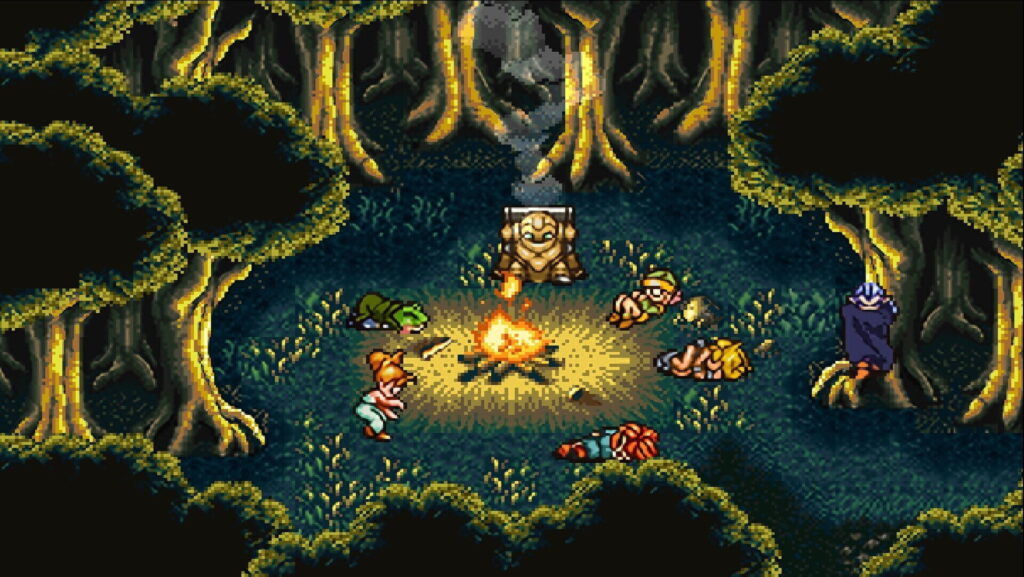
In the nineties, saves changed the architecture of our experience. Suddenly, you could reach the end credits and walk away. But we didn’t. We returned to Chrono Trigger. We dove back into Final Fantasy VI. We explored every pixel of A Link to the Past. This wasn’t about the scoreboard anymore. It was something closer to rereading a beloved book, yet fundamentally different.
Books are a passive feed. You don’t make the decisions. You don’t suffer the “Game Over” screen four times on the same bridge. In a game, you are the ghost in the machine. Replaying isn’t just about memory; it is about mastery.
The Theory of Flow and Digital Craftsmanship
Psychologist Mihaly Csikszentmihalyi gave us the concept of “flow.” It is that state where the world fades to static and you are perfectly synced with the task at hand. There is no boredom, no anxiety, only the forward motion of the signal.
The first time you jack into a difficult game, you rarely find flow. You are stumbling through the dark. You are reacting to unknown threats. The latency between your brain and the game’s logic is high. But the second time, or the tenth, is where the magic happens.
You know when the enemy will jump out of the shadows. You know exactly which weapon to pull for the encounter. You aren’t just playing; you are performing. This is the pleasure of craftsmanship. It’s the feeling of a blade that has been sharpened until it cuts through the code without resistance.
The Industry Noticed the Glitch
Somewhere in the mid-2000s, the corporate overlords realized that players didn’t just want to play; they wanted an excuse to stay in the loop.

- New Game Plus (NG+): Coined by Chrono Trigger in 1995, this became the gold standard for replayability. You start over, but you keep your “pumped” character. You are a god returning to a world of mortals.
- The Achievement Matrix: These digital badges turned personal choices into global challenges. Complete the game without dying? Unlock the “Legendary” status. People fell for it en masse.
- The Temple of Replay: Projects like Dark Souls are built on the philosophy of the loop. Everything is designed for you to die, remember, and come back. The first run is hell. The tenth is a meditative session of perfect parries.
Nostalgia as a Bio-Mechanical Stimulant
There is a softer, more human side to the repetition protocol. Sometimes we return not for the challenge, but for the comfort of the known.
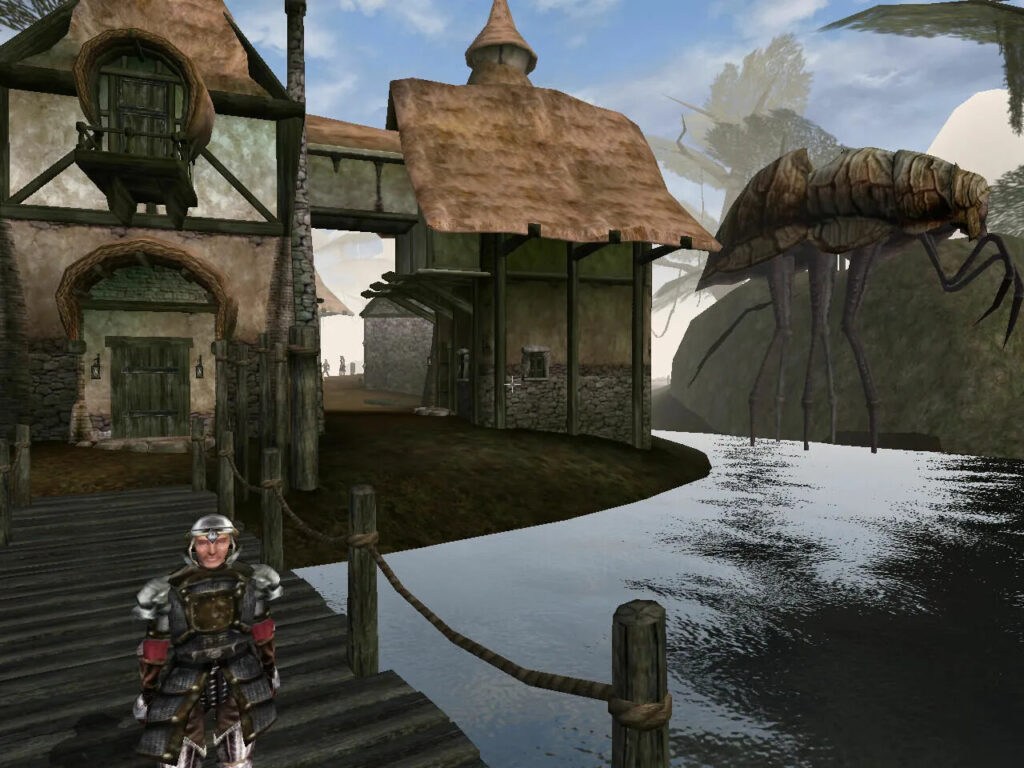
Consider the “December Morrowind” ritual. There are players who, every winter, reinstall a game from 2002. They don’t care about the dated polygons or the clunky combat. They want to hear the music. They want to stand on the ship in Seyda Neen and feel the weight of their own history.
Nostalgia is a powerful drug, and the industry is the primary dealer. We are currently living through the era of the remaster and the remake. Resident Evil 4 was released in 2005 and reimagined in 2023. We don’t get tired of it because it’s like visiting the city where you grew up. Everything has changed, but the memory completes the picture.
According to the latest 2025 ESA data, 81% of adults believe video games provide essential stress relief. When the real world is a chaotic mess of unpredictable news feeds and economic latency, replaying a game is an island of stability. It is a controlled space where you already know the ending. In a world of risks, the old favorite is a guarantee.
Speedrunning and the Musicality of Frames
At the extreme end of the spectrum, we find the speedrunners. These are the pilots who play the same game thousands of times. They aren’t interested in the plot or the graphics. They are looking at the clock.

Speedrunning turns a video game into a musical instrument. Every click is a note. Every movement is a rehearsed chord. The world record for Super Mario Bros. is now measured in milliseconds. To beat it, you have to hone your muscle memory to the frame. It is a beautiful kind of madness, a replay taken to its absolute logical conclusion.
The Problem of the Backlog
Why don’t we just play the new stuff? The releases are constant. The backlog is growing like a digital weed. Why waste time on the “known” when the “unknown” is waiting?

The truth is that newness is a risk. A new game can be a disappointment. It can be buggy, short, or just not “about that.” But the old favorite? It’s a bankable joy. In a society suffering from decision fatigue, choosing the familiar path is a way to conserve cognitive energy.
Is This a Healthy Loop or a Digital Trap
In the gaming community, re-passage is a badge of honor. It’s proof that you are a “real” fan. But we should ask the hard questions. Is this an escape from growth? Are we just jacking into a comfortable lie because we are too tired to learn new rules?
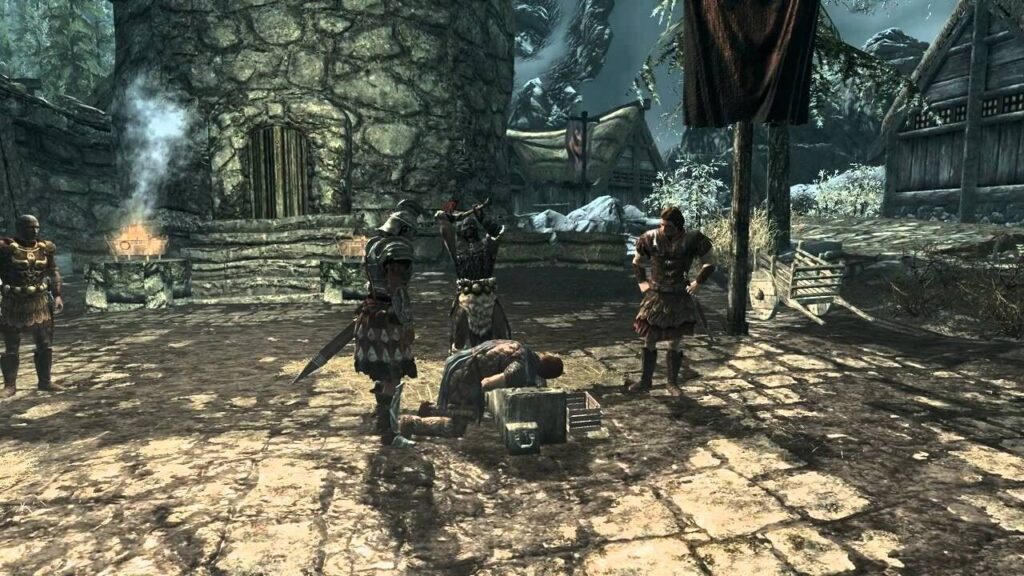
Sometimes, we find ourselves launching a familiar title simply because we don’t have the neural bandwidth to understand a new system. We are tired. We don’t want to learn. We want to go where the rules are clear.
Whether it is “normal” is a trap of a question. The shift from replaying as a “strange fad” to a global cultural practice happened by itself. It became part of our digital identity. We didn’t decide it was the norm; the loop simply became part of who we are.
Right now, somewhere on the grid, a player is booting up an emulator for a game released twenty years ago. They know every secret. They know every line. And they are going to play it through to the end. Again.

Maybe that is the only answer we need. Some digital dreams are just worth dreaming more than once.