





EXCAVATION Nº 0013 · EXTINCT WORLDS
World: Paragon City, City of Heroes
Period: 2004 to 2012, revived 2019 (real world)
Status: Active
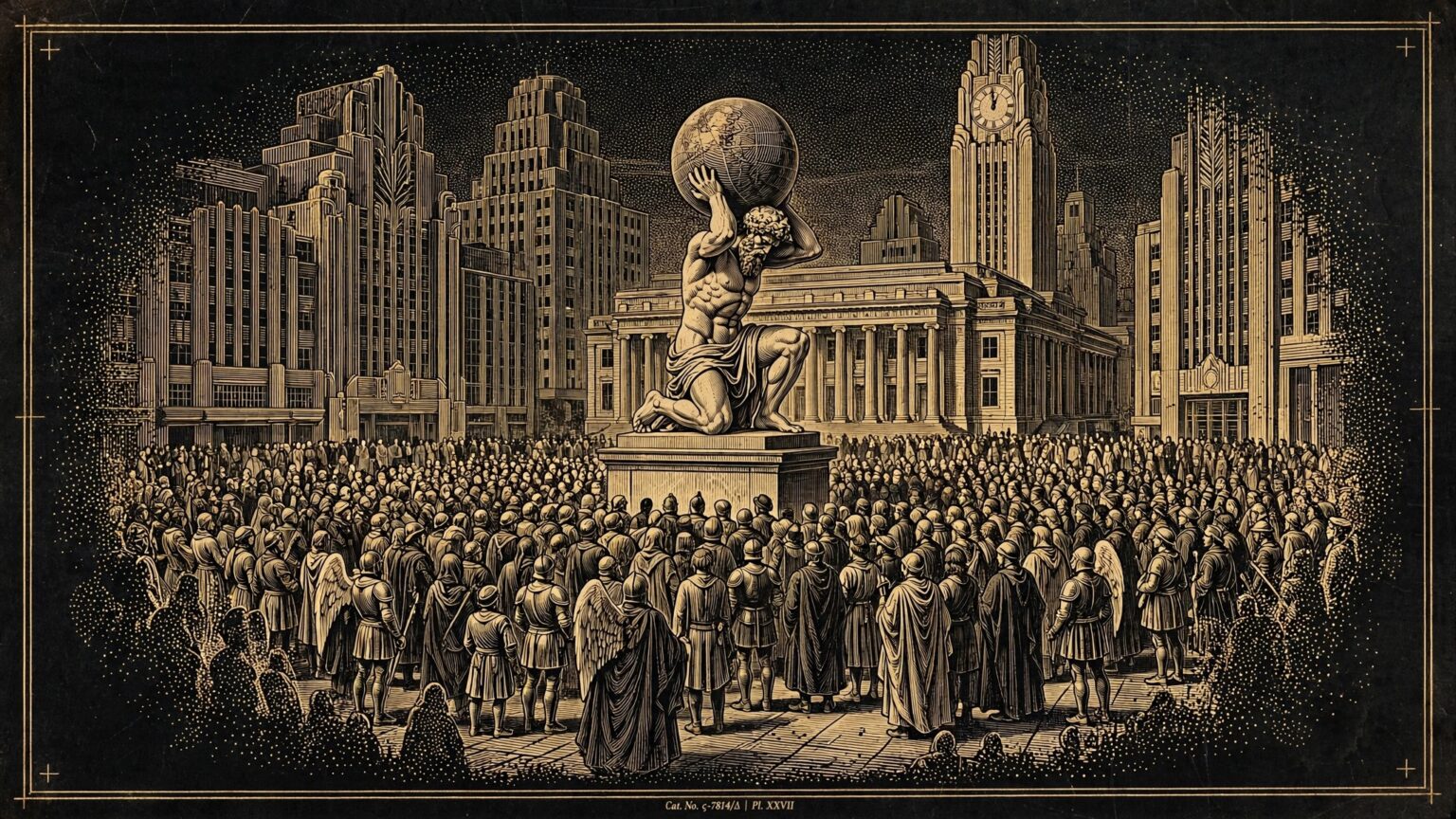
On the night of 30 November 2012, thousands of heroes gathered in Atlas Park, the central plaza of Paragon City. They wore capes, armour, masks and costumes of every imaginable design, and each had been built by the person controlling it. They set off fireworks, danced, saluted, and gathered around the great statue of Atlas. Some wrote farewells in the chat channels. At midnight, Pacific time, the servers shut down, and every one of them vanished at once.
City of Heroes had been running for eight and a half years. Its publisher, NCSoft, had closed the studio that made it three months earlier and announced that the world would end. That should have been the whole story, as it was for WildStar and for most online worlds. It was not. Seven years later the city came back, first in secret, then in public. In January 2024 its players did something almost unheard of in the history of online games. They received an official license from the company that had shut them down.
The Extinct Worlds department excavates games whose servers have gone dark. City of Heroes is the rarest kind of site in its collection. It is an extinct world that was brought back from extinction by the people who used to live in it.
I. The City
City of Heroes was developed by Cryptic Studios and launched by NCSoft in North America on 28 April 2004. Development later passed to NCSoft’s own Paragon Studios. The game was set in Paragon City, a fictional metropolis in Rhode Island that had survived an alien invasion. It was a massively multiplayer world in which every player was a superhero.
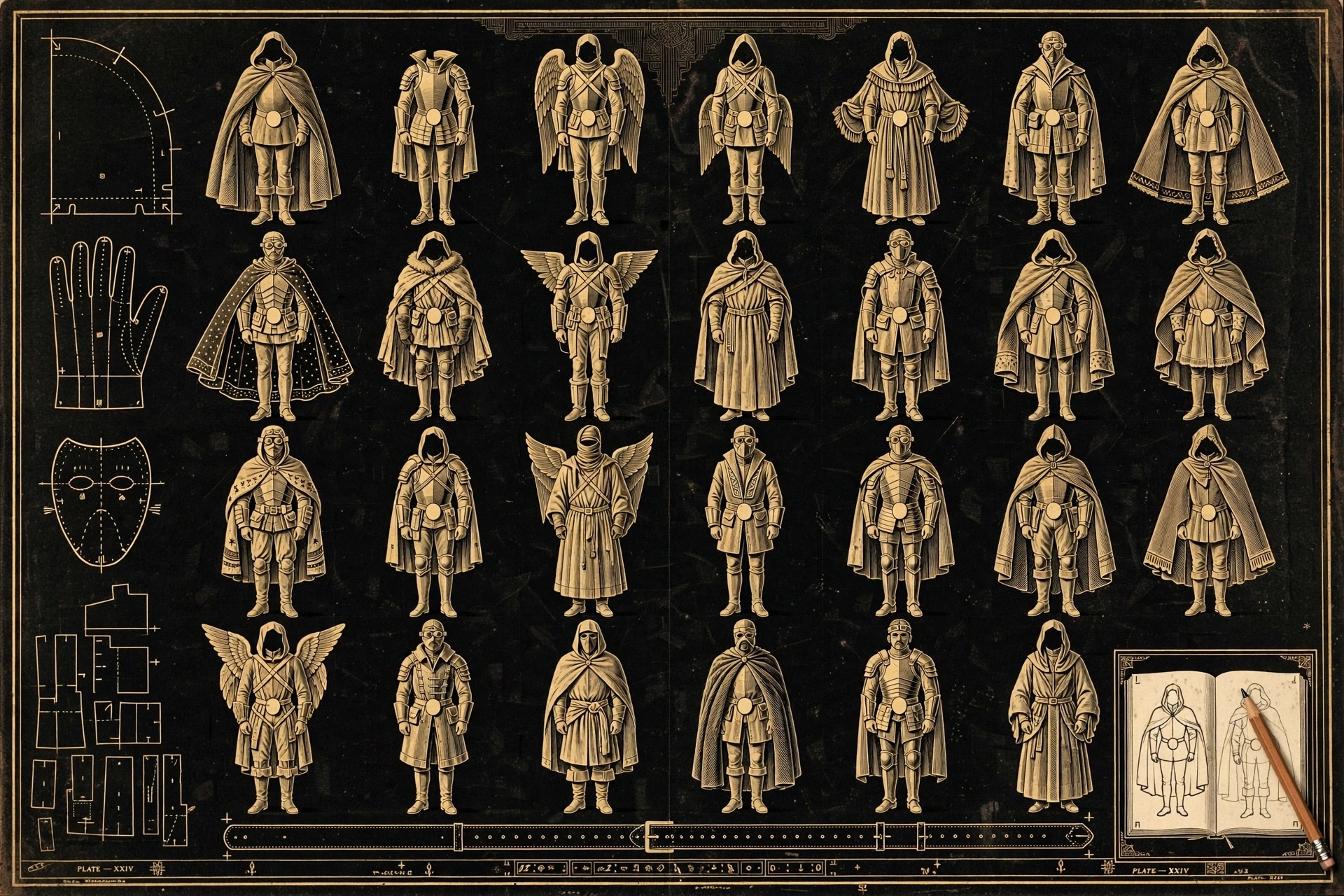
Its most celebrated feature was its character creator. Players could design their heroes’ bodies, costumes, colours, emblems and powers in an almost unlimited number of combinations. For many, designing the character was as important as playing it. The creator was flexible enough to cause trouble. In 2004 Marvel Entertainment sued NCSoft and Cryptic, arguing that players were using it to recreate Marvel’s characters. The case was settled in 2005.
Over time the world grew more ambitious:
- City of Villains (2005) added a second society, the villains of the Rogue Isles.
- Supergroups let players found their own organisations, with shared bases they built themselves.
- The Mission Architect (2009) let players write and publish their own story missions for others to play.
- Going Rogue (2010) introduced a parallel dimension and let heroes become villains and villains become heroes.
- Freedom (2011) made the game free to play, with an optional subscription.
The Institute notes what these features have in common. City of Heroes was a world in which the players were authors, of their own appearance, organisations, stories and moral paths. Its population did not simply inhabit Paragon City. They had designed a large part of it. That authorship is the key to what happened after it died.
II. The Closing
On 31 August 2012, NCSoft announced that it was closing Paragon Studios and that City of Heroes would shut down at the end of the year. The final content update, titled Where Shadows Lie, had been released three months earlier. The game was still profitable enough to run, and its players were stunned.
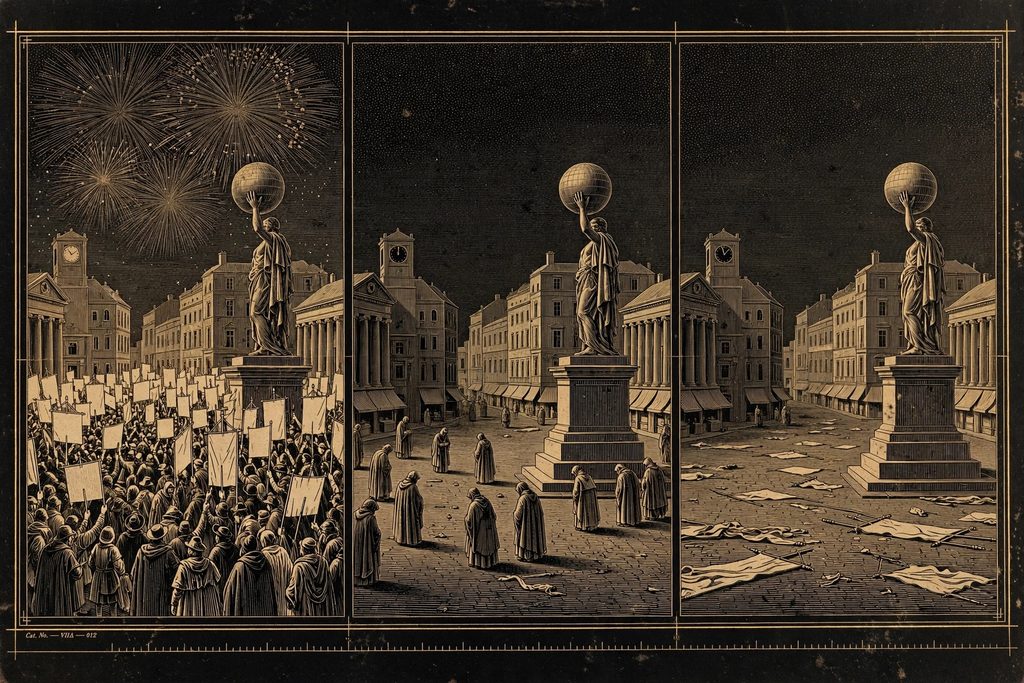
They responded as a citizenry would. A campaign to save the game formed almost immediately. Players wrote letters to NCSoft, organised online petitions, contacted journalists and approached other companies in the hope that someone would buy the game. Inside the game, they held rallies, filling Atlas Park and other zones with thousands of heroes in coordinated demonstrations of support. It was a political protest staged inside the world whose existence was at stake.
None of it worked. On 30 November 2012, the servers closed as scheduled. The final hours were recorded by hundreds of players in screenshots and videos, now scattered across forums and video sites. They show crowded plazas, heroes flying in formation, and the chat filled with goodbyes. For an archaeologist of digital worlds, those recordings are the equivalent of the last written records of a city before its abandonment.
III. The Diaspora
After the shutdown, the population of Paragon City scattered, as populations do when their homeland is lost. Some moved to other superhero games. Others helped crowdfund spiritual successors, games designed by former players and developers to recreate what had been lost, of which City of Titans is the best known. Many simply stopped playing.
But a significant part of the community did something else. It became an archive. Players preserved screenshots, videos, character designs, forum histories, maps and wiki pages. Community groups gathered data about the game’s systems so that its knowledge would not disappear. One fan-built project, Paragon Chat, allowed players to load the old game client and walk around a reconstruction of the city with each other, even though no official server existed. It was a world with no quests, no enemies and no purpose except gathering. People used it anyway, for years.
Anthropologists who study diasporas describe how displaced communities preserve their identity through memory, ritual and a shared idea of return. A lost homeland can become more central to a community’s sense of itself after it is gone than it was before. The players of City of Heroes behaved in exactly this way. The city existed only in their archives and their gatherings, and they kept insisting it would come back.
IV. The Secret Server
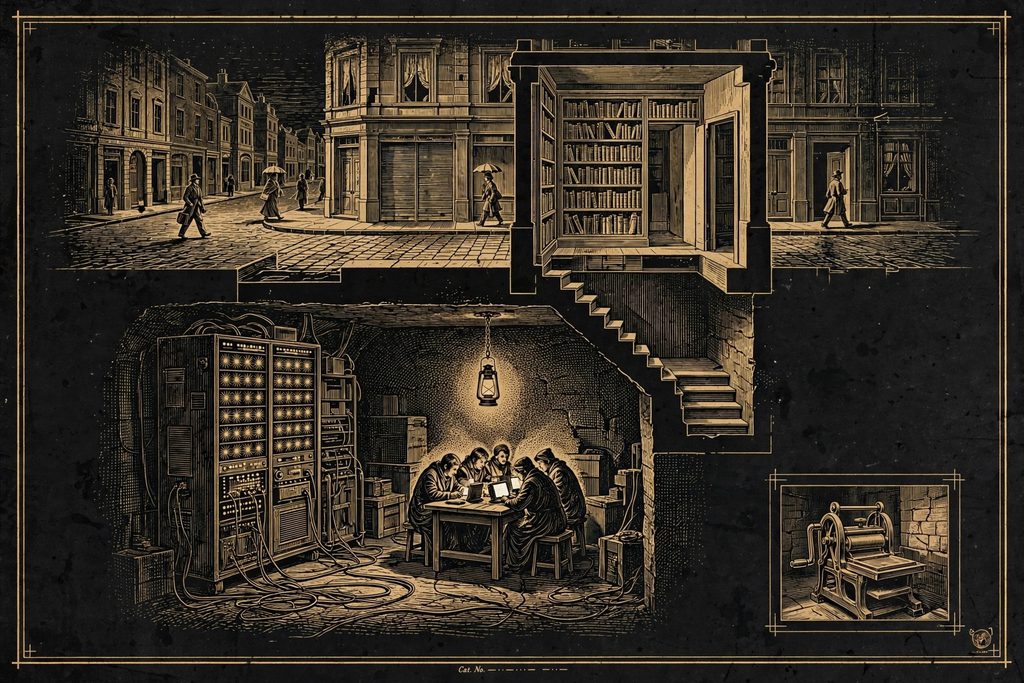
It turned out that, for some of them, it never left. In April 2019, the community learned that a small group of players had been running a private City of Heroes server in secret for about six years. They had kept it hidden from everyone else. The server was called SCoRE, and it had been built from a copy of the game’s server software.
The revelation caused an uproar. Some players were overjoyed that the game still existed in working form. Others were furious that a few people had been quietly playing in the city while the rest of the community mourned it, organised for it and dreamed of it for years. The secret was an old kind of betrayal. A small elite had kept the homeland for itself.
Once the secret was out, the server software spread quickly. Within weeks, public community servers opened. The largest of them, Homecoming, launched on 25 April 2019 and drew tens of thousands of returning players. The name said everything about how the community understood the event. It was not a new game. It was a return.
V. The License
For almost five years, Homecoming and other community servers existed in a legal grey zone. They ran without the permission of NCSoft, which still owned City of Heroes, and could have been shut down at any time. The community ran them on volunteer labour and player donations, and made new content, balance changes and quality-of-life improvements to a game its creators had abandoned.
On 4 January 2024, NCSoft granted Homecoming a limited official license to operate and continue developing the game. The resurrected city had become legitimate. By 2024 the Homecoming team, organised as a company, counted more than thirty staff, all working on a volunteer basis. The world that had closed in 2012 was once again an official, supported online game. It was run not by a studio but by its former citizens.
The Institute is not aware of a clearer example in the history of online worlds of a population reclaiming its homeland. The players did not simply remember City of Heroes, or rebuild an imitation of it. They restored the original city, maintained it, extended it, and finally won recognition from the authority that had once condemned it to extinction.
The ancestor of them all
City of Heroes is part of a longer history of players refusing to let online worlds die. Fans of Ultima Online began running their own emulated servers in the late 1990s, while the official game was still alive. When Star Wars Galaxies closed in 2011, a volunteer project called SWGEmu set out to rebuild it from scratch. What distinguishes City of Heroes is the complete arc. It went from shutdown to secret survival, then to public return, and finally to official recognition.
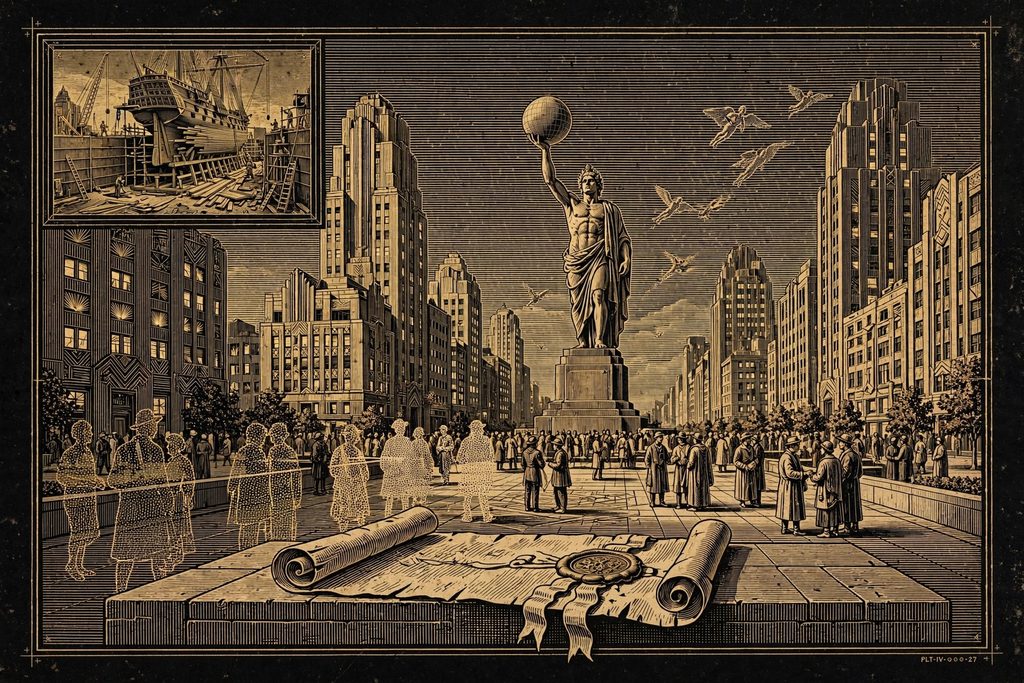
There is also a much older question behind it. The ancient Greek writer Plutarch recorded the puzzle of the Ship of Theseus. The Athenians preserved the hero’s ship for centuries, replacing each rotten plank with new timber, until philosophers asked whether it was still the same ship. In Japan, the Grand Shrine at Ise has been rebuilt from new timber about every twenty years for many centuries. The ritual keeps both the building and the knowledge of how to build it alive.
Homecoming’s City of Heroes poses the same question in digital form. Its servers are new, its administrators are former players, and its newest content was written by volunteers. Its citizens have no doubt that it is the same city. The Institute agrees with them. A civilization is not its hardware. It is the continuity of the people who live in it and remember it.
The pattern
City of Heroes follows a sequence the Institute expects to see again as more online worlds close:
- Authorship creates attachment. Players who design their characters, organisations and stories become invested in a world as its co-creators, not just its customers.
- Closure produces a diaspora. When the world dies, its population scatters but keeps its identity through archives, gatherings and the idea of return.
- Memory becomes preservation. Screenshots, wikis, reconstructions and gatherings in empty worlds keep the civilization’s knowledge alive.
- Secret survival precedes public return. The world was kept alive in hiding before it could be restored openly, and the secrecy itself became a source of division.
- Persistence can win legitimacy. Years of volunteer stewardship turned an unauthorised revival into an officially licensed one.
For another way players preserve the history of a world, see how the players of Helldivers 2 became the chroniclers of Super Earth.
Findings
- City of Heroes was a world its players authored. Its character creator, player-built organisations and Mission Architect made the population co-creators of Paragon City.
- Its closure provoked a political response. Players protested inside the world and outside it, but the servers closed on 30 November 2012.
- Its community behaved as a diaspora. Scattered players preserved the city through archives, gatherings and a persistent belief in return.
- It survived in secret before it returned in public. The hidden SCoRE server ran for about six years before its exposure in April 2019 opened the way for Homecoming.
- It is a rare case of a digital civilization reclaiming its homeland. On 4 January 2024, NCSoft granted Homecoming an official license, completing the journey from extinction to legitimacy.
This Excavation draws on the history of City of Heroes, the documented actions of its community, and published reporting on its revival. Read more about how the Institute works.
The Institute collects field evidence from people who lived inside these worlds. If you were in Atlas Park on the last night, or came home in 2019, send us your account.
Sources
- City of Heroes (Cryptic Studios, Paragon Studios and NCSoft, 2004 to 2012).
- City of Heroes and Homecoming Servers, Wikipedia.
- NCsoft has officially granted a City of Heroes server license to the Homecoming crew, Massively Overpowered (January 2024).
- NCSOFT and Homecoming License Announcement, Homecoming forums (January 2024).
- Plutarch, Life of Theseus, on the Ship of Theseus.